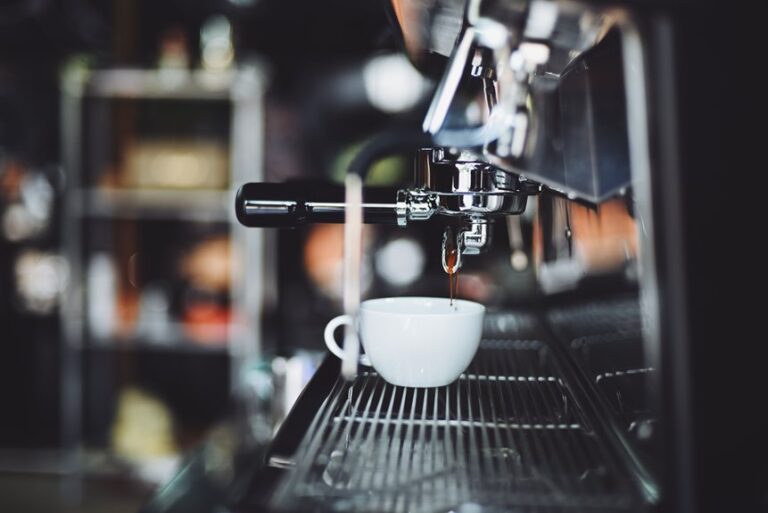

Coffee tastes sour because acids dominate the cup when extraction is uneven. Under-extraction pulls bright, sharp acids without enough sweetness or body to balance them. Too-coarse grind, too-cool water, short brew time, or stale/light-roasted beans all increase acidity. Adjusting grind size, water temperature, brew duration, or using fresher/appropriately roasted beans brings balance. Small technique and ingredient tweaks transform a biting brew into a smooth, flavorful cup.
Why Coffee Tastes Sour?
Provided your coffee tastes sour, you’re not imagining it, and it doesn’t always mean you did something wrong. Sourness often comes from acidity perception, which your tongue and nose read as bright, sharp, or tart.
That reaction can feel stronger whenever flavor chemistry brings forward lively acids, fruity notes, or a thin body. You could even notice a lemony edge that reminds you of green apples or berries.
That doesn’t mean the cup is bad. Once you understand this, you can stop blaming yourself and start noticing what your coffee is trying to say. Sometimes sour coffee is just your brew’s loudest trait, not its biggest flaw. Please be aware
Under-Extraction and Sour Coffee
Whenever your coffee tastes sour, under-extraction is often the reason, and that usually happens whenever the brew moves too fast.
In case water barely touches the grounds, it can’t pull out enough sweetness, so you’re left with a sharp, thin cup instead.
You can fix this through slowing the brew, improving water contact, and giving the coffee a little more time to extract well.
Brewing Too Quickly
Should your coffee taste sharp or thin, it could be racing through the brew too fast, and that quick trip often leaves the good stuff behind. You’re not alone whether this happens; many home brewers run into it. Fast pouring can push water past the grounds before they release enough sweetness, and rushed tamping can leave the puck loose, so the brew slips through even quicker.
| What you notice | What’s happening |
|---|---|
| Bright, sour sip | Coffee didn’t stay in contact long enough |
| Thin body | Fewer flavors moved into the cup |
| Quick drip or pour | Water moved too fast for extraction |
Try slowing your pour and giving the bed a steady, even press. Small changes can help you feel more in control, and your cup can start tasting fuller, warmer, and more welcoming.
Weak Water Contact
Up close, weak water contact is one of the sneakiest reasons coffee turns sour, because the water never gets a fair chance to pull out enough sweetness from the grounds.
Whenever you see weak contact, you’re usually looking at poor saturation, where some grounds stay dry while others barely mingle with the water.
That uneven touch leaves bright acids standing out, so the cup tastes sharp instead of balanced. You’re not doing anything “wrong” as a person; your brew just isn’t meeting the coffee evenly.
This can occur should the water slip through too fast or miss parts of the bed.
Fixing Sour Extraction
Fixing sour coffee starts with finding out where the extraction went off track, because sourness usually means the water pulled too little from the grounds. You’re not failing; you just need a better match between your brew and your beans.
- Check grind distribution so every particle extracts evenly.
- Make the grind finer provided the cup tastes sharp and thin.
- Give the water more time with the coffee, then taste again.
- Should you be espresso dialing, adjust shot time, dose, and yield in small steps.
Next, look at water flow and your brew ratio together. A rushed shot can leave bright, sour notes, while a steadier pull helps build balance.
Whenever you tweak one thing at a time, you’ll learn what your coffee needs, and that makes you part of the club that gets great cups on purpose.
How Grind Size Affects Sour Coffee
A tiny change in grind size can make your coffee turn sour faster than you’d expect. Whenever you grind too coarse, water slips through the grounds too quickly, and your cup stays sharp and thin. Whenever you grind too fine, you can choke the brew and pull out harsh notes.
You want a balanced grind distribution, because that helps water touch each particle evenly. Better particle uniformity gives you steadier flavor, so each sip feels more like the coffee you hoped for.
In case your coffee keeps tasting sour, don’t blame yourself. You’re just one small adjustment away from a calmer, sweeter cup. Start by dialing in your grinder a little at a time, and taste again. That’s how you join the club of happier brewers.
Water Temperature and Sour Coffee
Should your coffee tastes sour, the water might be too cool for the brew you’re making.
Most methods work best in a warm brewing temperature range, because cooler water can pull fewer sweet flavors and leave you with sharp, underextracted notes.
With better heat control, you give the coffee a fair chance to taste balanced instead of thin and tangy.
Brewing Temperature Range
Once your coffee tastes sharp or thin, the water temperature is often part of the problem. You want a brew temperature that helps your grounds open up without making the cup feel harsh. Most home brewers do best near 195 to 205°F, and that range gives you more thermal stability from start to finish.
- Keep your kettle steady, so the water hits the grounds evenly.
- Let the brewer preheat, because cold gear steals heat fast.
- Aim for the middle of the range whenever you want balance.
- Adjust a little, then taste with your crew until the cup feels right.
As soon as you learn this range, you join a coffee rhythm that feels calm, confident, and shared.
Underextraction From Cool Water
Cooler water can make your coffee taste sour because it pulls less flavor from the grounds, so the bright acids show up before the sweeter parts do. Whenever you brew with cooler water, you get underextraction, and that can leave your cup sharp, thin, and a little lonely.
In cold extraction, the water works slowly, so it could miss the chocolatey and caramel notes you want. Your water chemistry also matters, because minerals help carry flavor during brewing. Should the water lack balance, sourness can feel louder.
You’re not doing anything wrong; your coffee just needs warmer water to share more of itself. So in case your cup tastes puckery, consider how cool water changed the way the grounds released flavor.
Better Heat Control
Getting the water temperature right can change sour coffee fast, because heat controls how much flavor leaves the grounds.
Whenever you use a precise temperature, you help your coffee open up instead of hiding behind a sharp, thin taste. With steady kettle control, you can brew like you belong in the group that always gets a balanced cup. Try this:
- Heat water to about 195 to 205°F.
- Pour slowly so the bed stays even.
- Keep your kettle steady, not wild.
- Taste, then adjust by a few degrees.
If your coffee still tastes sour, raise the heat a little next time. Small changes matter, and you’re not guessing alone. You’re building a cup that feels warm, calm, and right for you.
Brew Time Mistakes That Sour Coffee
At the point your coffee tastes sharp or thin, brew time is often the quiet culprit.
You might rush the process, then miss the sweet spot where flavor opens up. Short brew timing can leave you with sour notes because the water never fully meets the grounds. Should you want better extraction control, let the water stay in contact long enough for the taste to round out.
On the other hand, dragging the brew too long can pull harsh edges into the cup, so balance matters. Try small changes and watch how your drink shifts. That steady attention helps you feel more in control, and it turns each cup into something you can trust. With a little patience, you and your brew can get along just fine.
How Freshness Affects Sour Coffee
Provided coffee tastes sour even though you brew it carefully, freshness could be the real reason. You’re not doing anything wrong. Coffee loses its lively balance as it ages, and that can leave a sharp, thin taste in your cup.
Good roast freshness helps your coffee feel round and sweet, while stale beans can taste lonely and flat.
- Buy smaller amounts so you finish beans while they still feel bright.
- Check the roast date, because older beans often taste more sour.
- Use tight storage methods that block air, light, and heat.
- Grind only what you need, so freshness stays with you longer.
When you keep beans fresh, you give yourself a smoother cup and a better reason to enjoy your next pour.
How Roast Level Affects Sour Coffee
At the moment you choose a light roast, you’ll often notice brighter acidity, which can make sour tones stand out more.
A dark roast usually tastes more balanced because longer roasting softens sharp edges and adds deeper, richer flavors.
Roast development matters too, since stopping the roast too soon can leave you with coffee that tastes underdeveloped and pleasantly, or not so pleasantly, sharp.
Light Roast Acidity
Light roast coffee often trips people up because it can taste sharp, bright, and even a little sour, but that doesn’t mean something went wrong.
You’re tasting more of the bean itself, especially its bright acidity and floral notes.
Because the roast stays shorter, those lively flavors stay front and center instead of softening out.
- You might notice lemony, tea-like edges.
- You might get a cleaner sip that feels lively.
- You can regard the roast as preserving character.
- You’re joining many coffee lovers who enjoy this sparkle.
Dark Roast Balance
Dark roast coffee can still taste sour, but the sour nuance usually feels different from the bright snap you get in a light roast. You might notice it as a sharp edge hiding under smoky flavors, and that can catch you off guard.
Roast depth changes how your cup feels because darker beans usually bring more body, less sparkle, and a rounder acidity balance. So, whenever sour notes show up, they can seem thin, stale, or a little uneasy instead of lively.
You’re not alone should that confuse you. Many coffee drinkers expect dark roast to erase sourness, yet it can simply mask it. Whenever you taste closely, you can tell whether the coffee feels bold and smooth or just heavy with a sour finish.
Roast Development Timing
Roast time shapes sourness in a big way, and it starts long before the beans turn fully brown. Whenever you rush roast development timing, you stop the bean before sugars deepen and acids settle, so the cup can taste sharp and lonely. Should you want a smoother mug, watch for initial caramelization, because that’s when flavor starts to round out.
- Short roasts often keep bright acids front and center.
- A longer roast lets sweetness build and soften the bite.
- Too much heat can mute flavor and leave you with a flat cup.
- Good timing helps you feel like you’re in the coffee crowd, not outside it.
Bean Quality Issues Behind Sour Coffee
Even although you brew with care, sour coffee can start with the beans themselves, and that can feel pretty frustrating. You’re not doing anything wrong provided bean defects sneak in, like uneven ripeness, insect damage, or broken beans. These flaws can leave sharp, thin flavors that show up in the cup.
Then storage degradation can make things worse. In case beans sit too long in heat, moisture, or air, they lose sweetness and gain a stale edge. You deserve better than guessing games, so look for beans that taste clean, smell fresh, and come from trusted roasters.
Whenever you choose solid beans, you give your coffee a better chance to taste balanced, smooth, and welcoming, like it belongs in your daily routine.
How Brew Method Affects Sour Coffee
Your brew method can tip coffee from bright and lively into sharp and sour as it pulls flavor too quickly or too slowly. Whenever you use a French press, pour-over, or drip machine, you shape extraction, and that changes how your cup feels to your crew and you.
- Fine grinds speed flavor release, so sour notes can show up fast.
- Coarse grinds slow extraction, which can leave the cup thin and tart.
- Brew agitation shifts contact, and too little can keep sweetness concealed.
- Water chemistry matters because mineral balance helps coffee taste fuller.
How to Fix Sour Coffee at Home
Fixing sour coffee at home starts with a few small changes that can make a big difference in the cup. You’re not stuck with a sharp taste, and you don’t need fancy gear to feel at home with your brew. Try better acid control by using hotter water, a slightly finer grind, and a longer brew time. Then focus on flavor balancing by measuring coffee and water more carefully.
| Change | Result |
|---|---|
| Hotter water | Pulls richer flavor |
| Finer grind | Slows sour notes |
| More coffee or less water | Builds body |
Next, taste one change at a time so you know what helps. In case your coffee still feels thin, adjust again in small steps. That way, you’ll build a cup that feels warm, steady, and made for you.
When Sour Coffee Is a Good Sign
Sour coffee isn’t always a problem, because sometimes that bright bite is exactly what you want. Whenever you taste it, you may be meeting acidity appreciation head-on, and that can feel lively instead of harsh. In a cup with bright terroir, that sparkle can show citrus, berry, or floral cues that tell you where the beans came from.
- You notice freshness, not staleness.
- You taste a light roast with clear character.
- You pick up fruit-like layers that invite curiosity.
- You feel welcome in a coffee world that values differences.
Frequently Asked Questions
Can Milk or Cream Mask Sour Coffee Flavor?
Yes, you can use milk or cream to soften sour coffee. Their fatty texture, dairy sweetness, and lactose masking help, while cream acidity feels gentler, so you will end up with a smoother, cozier cup.
Does Altitude Affect Why Coffee Tastes Sour?
Yes, altitude can raise acidity in your cup. Like birds of a feather, you will notice mountain terroir often brings brighter flavors, and altitude acidity can make coffee taste sharper, especially while beans are not balanced.
Is Sour Coffee Always a Brewing Mistake?
No, you don’t always brew sour coffee by mistake. Sometimes your beans, roast, or water create it. Still, adjusting brewing technique and grind size can help you join the crowd enjoying balanced, bright cups.
Can Coffee Storage Containers Change Sourness?
Yes, your storage container can change sourness if it lets in air, light, or moisture. Choose airtight container materials and protect roast freshness so you will keep your coffee tasting smoother and more like the cup you love.
Do Flavored Coffees Taste Sour More Often?
Yes, flavored coffees can seem sour more often. If you sip vanilla hazelnut after plain espresso, your palate might expect sweetness, and artificial flavoring plus sensory adaptation can make acidity stand out, like joining the wrong crowd.