

Honey-process coffee delivers a soft sweetness up front. Stone fruit and light caramel notes follow. A smooth, lingering mouthfeel comes from retained mucilage during drying. That partial drying shifts both flavor and texture. Small roasters often highlight these nuances through careful handling and shorter roast profiles.
What Is Honey Process Coffee?
So, what exactly is honey process coffee? You’re looking at a coffee style that sits between washed and natural methods, and that middle ground gives it a cozy, balanced feel.
The beans often show sweetness, soft fruit notes, and a smooth body that many coffee lovers trust right away. Its character can change with cultivation altitude, since higher farms usually bring brighter flavor and cleaner depth.
You’ll also notice how farmer cooperatives help shape quality through supporting shared care and consistent standards. That teamwork matters because it connects growers, land, and cup in a way that feels personal.
Should you enjoy coffee with warmth and a little charm, honey process coffee might already feel like your kind of community.
How Is Honey Coffee Made?
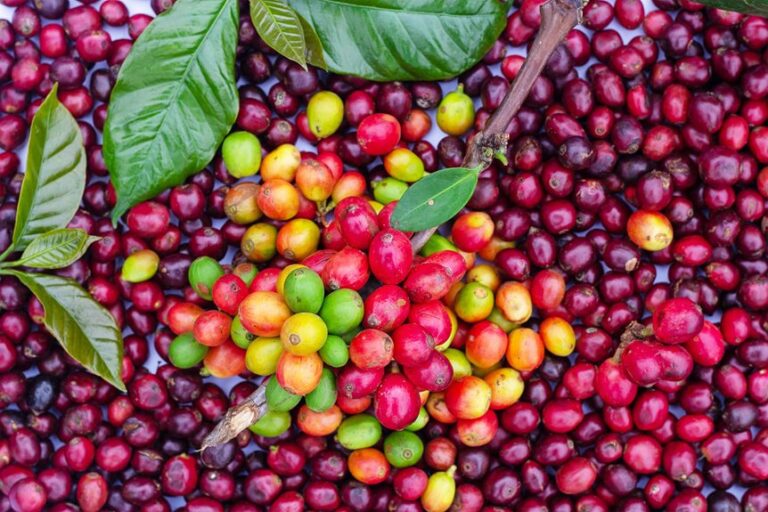
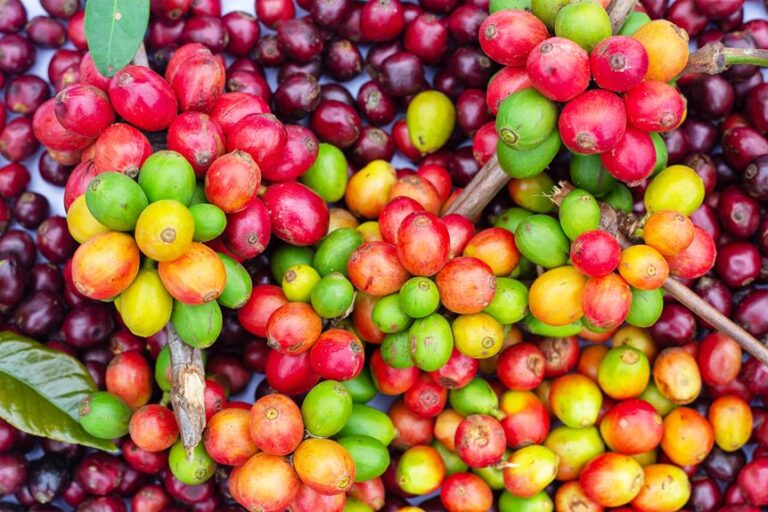
Initially, you remove most of the coffee cherry’s fruit, but you leave some sticky mucilage on the bean.
Then you let those coated beans dry in a careful, controlled way so the sugars can shape the flavor.
After that, you manage fermentation closely, because small changes there can give your cup its sweet, smooth character.
Pulp Removal Process
To make honey coffee, the farmer has to remove the outer fruit skin and most of the pulp after harvest, but not all of it. You want a careful pulping step, because it keeps enough fruit residue to shape the cup later.
By easing off the skin without scraping too hard, the farmer protects parchment integrity and keeps mucilage adhesion where it belongs. That balance matters, since too much removal can make the beans lose their sweet, sticky character.
You can consider it like cleaning up for friends, not stripping the table bare. The goal is a clean bean with a thin, even layer still clinging on.
From there, the coffee stays ready for the next stage, with its honey style already set.
Sticky Mucilage Drying
Once the parchment bean still carries its sticky mucilage, the real drying stage begins, and this is where honey coffee starts to show its personality. You spread the beans in a thin layer, then turn them often so each side dries at the same pace. That steady motion helps with mucilage management, because the sugary coat can cling and slow things down.
As the surface dries, you watch texture and smell, since both tell you a lot without any fuss. Good airflow and shade can support balance, while careful fermentation control keeps the cup clean and lively. You’re not rushing the process; you’re guiding it, and that makes you part of the craft. In this stage, patience matters, and your attention helps the beans feel right at home.
Controlled Fermentation Steps
Because the drying stage depends on what happened before it, controlled fermentation starts with careful timing and a close eye on the beans. You place the coffee in clean tanks or piles, then let the fruit sugars work while you guide the process. With controlled oxidation, you keep air contact steady, so flavors develop without turning harsh.
Next, you use temperature staging to slow heat buildup and protect the sticky layer you want. You check smell, touch, and moisture often, because small changes can shape the cup you’ll share later.
Should the beans feel too warm, you turn them. In case they seem too wet, you spread them out. That rhythm helps you stay in control, and it gives your honey coffee a balanced, welcoming character.
Honey Process Coffee vs Washed Coffee
Although honey process and washed coffee can both taste clean and bright, they differ in how much of the fruit layer stays on the bean during drying, and that changes the cup in a big way.
With washed coffee, you get a crisp profile because producers remove most fruit before drying, so coffee fermentation feels controlled and cup consistency stays strong.
With honey process coffee, some sticky fruit remains, so you often notice a sweeter body, gentle fruit notes, and a softer finish.
Should you like a cup that feels familiar and steady, washed coffee could suit you well.
Were you seeking a little more depth without losing clarity, honey coffee can feel like your kind of crowd.
Either way, you’re choosing a style that fits your taste and helps you feel right at home.
Honey Process Coffee vs Natural Coffee
While you compare honey process coffee with natural coffee, you’ll notice that each method dries the beans in a very different way, and that changes the whole cup.
Honey process often grants you a balanced sweetness and a cleaner feel, while natural coffee can taste fruitier and more intense.
You’ll also see clear differences in body and acidity, since honey coffees frequently feel smoother and brighter, while natural coffees could seem heavier and a bit more wild.
Processing And Drying
In the drying stage, honey process coffee and natural coffee start to show their biggest differences, and that gap can shape the flavor in a very real way.
With honey processing, you leave some sticky fruit on the bean, so drying takes more care and closer watching. You need steady airflow, clean surfaces, and careful turning so the beans don’t clump or overheat. Climate impacts matter here, because humid weather can slow drying and raise the risk of trouble.
Natural coffee dries with the whole cherry still on, so it often needs even more time and space. That means you’ll watch the beds, adjust the pace, and keep equipment maintenance on your mind.
Whenever you handle both methods well, you help each batch settle into its own rhythm.
Flavor Profile Differences
Honey process coffee usually lands somewhere between bright and heavy, while natural coffee often pushes the fruit nuances much farther. You can taste honey lots as calm and layered, with caramel, ripe stone fruit, and a soft sweetness that feels easy to join.
Natural coffee leans louder, with berry, wine, and tropical notes that can seem wild but inviting. Because the fruit dries on the bean, natural lots often show stronger fermentation aromas, while honey lots keep those hints gentler and cleaner.
Your cup also reflects processing terroir, so two coffees from the same farm can still taste different. Should you enjoy a cup that feels friendly and balanced, honey could suit you. Were you seeking bolder fruit and more sparkle, natural often delivers.
Body And Acidity
Because the body and acidity shape how coffee feels on your tongue, this is where honey process and natural coffee start to show very different personalities.
With honey process coffee, you usually get a rounder body mouthfeel and a smoother acidity perception, so each sip can feel calm and balanced. Natural coffee often brings a heavier body and a brighter, sometimes wilder, acidity that pops more quickly.
That doesn’t make one better; it just means you can choose the cup that fits your mood.
Should you like warmth and softness, honey process might feel like your people. Were you to enjoy lively sparkle and a fuller chew, natural coffee could give you that.
Either way, you’re not missing out, you’re just tasting a different kind of comfort.
Honey Process Coffee Flavor Profile
As the cup cools, honey process coffee often opens up with a sweet, smooth flavor that feels softer than a fully washed coffee but cleaner than a natural one. You might notice floral aromatics initially, then a gentle wave of citrus brightness that keeps each sip lively.
- Honeyed sweetness that feels warm
- Stone fruit notes like peach or apricot
- Light caramel and brown sugar tones
- A clean finish that stays balanced
- A soft, friendly fruit character
These flavors work together, so you feel at home in the cup without losing interest. Should you like coffee that tastes welcoming yet still has personality, this style could feel like your kind of crowd.
Honey Process Coffee Body and Acidity
Upon sipping a honey process coffee, the body usually feels fuller and silkier than you’d expect from its bright, lively taste. You’ll notice a gentle weight that wraps your tongue without feeling heavy or flat. That’s where mouthfeel balance comes in, because the sweetness and acidity work together instead of competing.
As you take another sip, the acidity often shows as crisp fruit, not sharp bite, so it can feel welcoming and easy to trust. You might also notice softer tannin perception, which keeps the finish smooth and friendly.
Whenever these traits line up, your cup feels clear, lively, and comforting at once. So you can enjoy a coffee that feels both bright and grounded, like a familiar voice in a lively room.
Types of Honey Process Coffee
Now that you know honey process coffee often gives you a silky body and a bright, easygoing acidity, it helps to look at the different styles behind that flavor. You’ll notice each type changes how much fruit stays on the bean, which can shift sweetness and texture. That variety helps you find a cup that fits your taste and keeps you connected to the craft.
- Some styles feel fuller and richer.
- Others taste lighter and cleaner.
- Many farmers choose methods that support sustainable cultivation.
- Roasters study market trends to match your preferences.
- You can investigate what feels most welcoming in your cup.
When you compare these styles, you’ll see how growers balance care, climate, and consistency. That balance makes the honey process feel personal, and honestly, that’s part of the charm.
White, Yellow, Red, and Black Honey Types
White honey dries faster than the darker styles, so you’ll notice it often keeps a cleaner, lighter cup.
Yellow honey sits in the middle, while red and black honey hold more fruit on the bean, which usually deepens sweetness and body.
As you compare them, you’ll start to see how drying pace and color depth shape the flavor you taste in every sip.
White Honey Drying Pace
Because the drying pace shapes so much of the cup, white honey coffee starts with the slowest, most careful pace of the honey styles. You’ll notice the beans need steady attention, not hurry.
With rapid drying avoided, humidity control matters, so you keep airflow calm and even. That helps you stay in step with the lot and protect the fragile layer of fruit.
- You turn the beans often.
- You watch the patio or bed closely.
- You keep shade balanced.
- You adjust for wet air.
- You listen for soft, dry movement.
Then, as the pace stays measured, you feel part of a craft that rewards patience. In this shared rhythm, white honey drying feels less like waiting and more like caring.
Color Depth And Sweetness
As the honey process moves from white to yellow, red, and black, the coffee usually gains more body, deeper color, and a richer sense of sweetness.
You’ll notice a wider color gamut in the beans and in the cup, and that shift can help you read the roast and the process with more confidence.
White honey often tastes brighter and cleaner, while yellow brings a gentler sweetness.
Red honey usually feels rounder, and black honey can give you the deepest syrupy feel.
As more mucilage stays on the bean, sugar perception grows stronger, so your sip might seem smoother and more candy like.
Should you enjoy a coffee that feels warm and welcoming, this range lets you find your spot with ease.
How Drying Changes Honey Coffee
Drying does far more than pull water out of honey coffee beans; it shapes the cup you’ll taste later.
- Slow drying can enhance fruit notes.
- Fast drying might lock in sharper edges.
- Steady airflow helps you avoid muddy flavors.
- Sun and shade change how sugars settle.
- Good drying technology provides you control.
As the beans dry, microbial processes keep working on the sticky layer, so small changes matter. You can taste that care in a cleaner finish and a fuller body.
Whenever you join a producer who watches this stage closely, you’re part of a craft that values patience and skill. That shared effort creates coffee that feels warm, balanced, and easy to love.
What Honey Process Means for Roast Level
Upon transitioning from drying to roasting, honey process coffee asks for a gentler touch than many other coffees. You should regard roast level as a quiet guide, not a loud command. Because some fruit sugar stays on the bean, roast development can move fast when you push heat too hard.
A light to medium roast often helps you keep the coffee’s sweet edge and soft body. Should you go darker, you might lose that calm, jammy character that makes honey lots feel so welcoming. So, watch the initial crack, slow your pace, and protect flavor extraction by keeping the roast even. That way, you can honor the bean’s natural warmth and enjoy a cup that feels familiar, balanced, and easy to love.
Best Brewing Methods for Honey Coffee
Brewing can bring honey process coffee to life, and the method you choose really shapes what ends up in your cup. You’ll often feel right at home with a Pour over technique, because it highlights the coffee’s clean sweetness and gentle fruit notes.
Should you want something softer and brighter, try Iced brewing, which keeps the cup lively without losing balance.
- Use a medium grind for steady flow.
- Keep water just off the boil.
- Pour slowly and stay even.
- Chill fast for crisp iced cups.
- Match brew time to sweetness.
When you brew this way, you give the beans room to shine. That small care can make your coffee feel familiar, warm, and made for you.
How to Taste Honey Process Coffee
To taste honey process coffee well, start paying attention prior to you even sip. Initially, notice the aroma and let it guide your focus.
Then take a small sip and let it rest on your tongue for a moment. You can use sensory vocabulary to name what you notice, like soft sweetness, gentle fruit, or a smooth finish.
Next, breathe lightly through the cup so the flavors open up. After that, compare the opening taste to the aftertaste, because both matter.
Keep your tasting ritual calm and steady, since rushing can hide subtle notes. Should you be with friends, share your impressions out loud. That simple exchange helps you feel part of the table and makes each cup more meaningful.
Why Honey Process Coffee Tastes Distinct
Honey process coffee tastes distinct because some of the sticky mucilage stays on the bean as it dries. That layer holds natural fruit sugars close to the coffee, so you get a sweeter, fuller flavor in your cup.
You can often notice this as a soft fruit nuance that feels smooth, bright, and a little rich.
Fruit Sugars
Fruit sugars stay behind on the bean surface during honey processing, and that’s where the magic starts to build. You taste that lift because fruit fermentation shapes the sugar composition before roasting even begins. Whenever you brew it, you join a crowd that likes sweeter, brighter coffee.
- You notice a soft, jammy edge.
- You get clearer fruit notes.
- You taste more natural sweetness.
- You feel a smoother, rounded sip.
- You enjoy a cup that stands out.
These sugars don’t shout; they nudge the flavor forward with warmth and balance. So, assuming you’ve ever wanted coffee that feels familiar yet exciting, honey process coffee can make you feel right at home.
Sticky Mucilage
Sticky mucilage is what gives honey process coffee its memorable grip, and you can often taste it in the cup before you even name it. Whenever the sticky layer stays on the bean, it protects sugars and slows drying, so you get a fuller sweetness and a softer body. You’re not just tasting fruit; you’re feeling texture too.
That texture comes from mucilage rheology, which shapes how the coffee dries and holds flavor. At the same time, microbial ecology nudges the cup through changing what develops on the surface during processing. Should you’ve ever loved a cup that felt silky and lively, you’ve already met this part of honey process. It helps you feel welcome in the flavor, like the coffee knows your name.
Choosing a Honey Process Coffee Bean
As you’re choosing a honey process coffee bean, start considering the flavor you want in your cup, because this style can taste bright, sweet, and a little complex all at once. Look for single origin sourcing, since it helps you trace one farm’s work and feel more connected to the people behind the beans. Then check roast profiling, because a lighter roast can keep the fruit notes lively, while a darker one might bring out deeper caramel tones.
- Read the tasting notes initially
- Match sweetness to your brew method
- Choose beans with clear harvest dates
- Buy from roasters who explain processing
- Try small bags before you stock up
When you compare these details, you’ll feel more confident, and your coffee shelf will start to feel like it truly fits you.
Frequently Asked Questions
Does Honey Process Coffee Contain Actual Honey?
No, you are not sipping actual honey. You are tasting coffee’s own sweetness from sweet genetics and subtle fermentation. This is a processing term, not pantry magic.
Is Honey Process Coffee More Expensive Than Other Coffees?
Yes, you will often pay more for it because processing costs and market demand can raise prices. You are joining a crowd that values flavor and craft, so that premium often feels worth it.
Can Honey Process Coffee Go Bad Faster After Roasting?
Yes, it can. Should you store it well, you will not lose much. Faster roasting changes fermentation profiles and moisture management, so you will feel its freshness fade sooner than with drier coffees, but airtight storage helps.
Is Honey Process Coffee Suitable for Cold Brew?
Yes, you can brew it cold, and you’ll likely love it. You’ll get sweet acidity and a fruity body that feel smooth and welcoming, making your cold brew taste bright, rich, and easy to share.
Which Countries Produce the Best Honey Process Coffee?
You’ll usually find outstanding honey process coffee from Costa Rica, Nicaragua, and El Salvador; for example, a Tarrazú lot can shine. You will taste single origin flavor, altitude effects, and join a community that values sweetness.