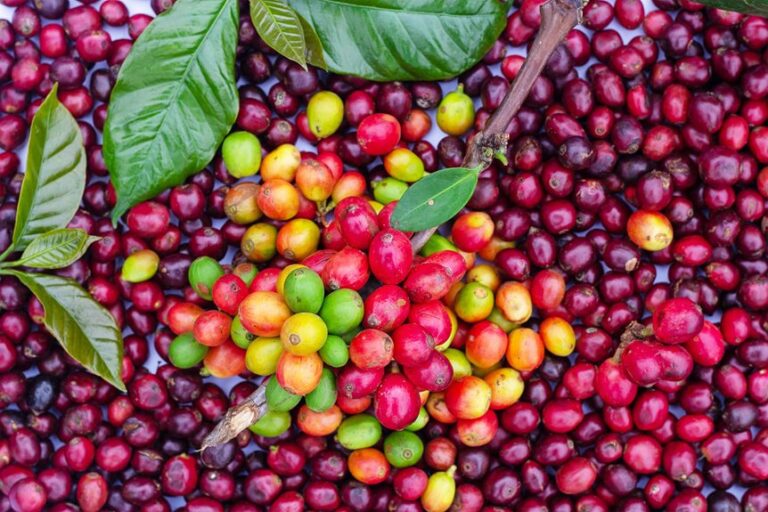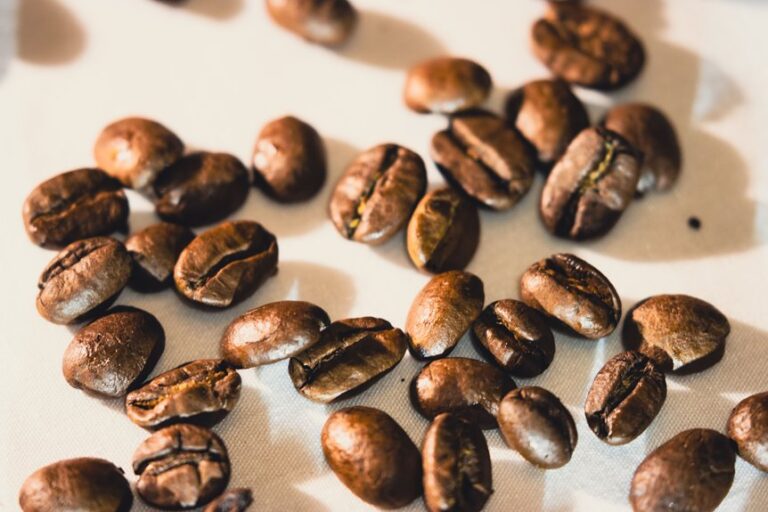

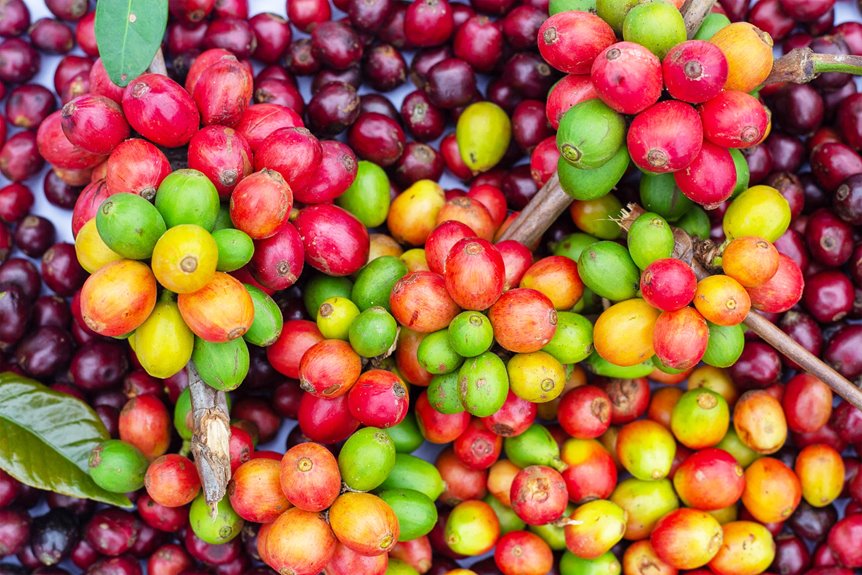
A coffee cherry is the fruit that surrounds and protects the coffee bean. Inside each cherry are one or two seeds that become the beans brewed into coffee. The cherry’s color and ripeness strongly influence flavor, from bright and fruity to rich and chocolatey. Harvesting and processing methods alter acidity, sweetness, and body in the cup. Growers judge quality by size, uniform ripeness, and careful handling to preserve desirable taste traits.
What Is a Coffee Cherry?
A coffee cherry is the small fruit that grows on a coffee plant and holds the beans people use to make coffee. You can regard it as the plant’s wrapped gift.
In coffee cherrybotany, the outer skin, pulp, and inner layers all work together to protect the seeds inside. As the cherry ripens, its color changes and its flavor potential grows. You’ll also notice caffeine distribution inside the fruit, which helps shape the final beans after processing. That’s why this tiny fruit matters so much to your cup.
Once you grasp the cherry, you feel closer to the whole coffee story. It’s a simple part of the plant, yet it carries the start of everything you enjoy later.
Where Coffee Cherries Grow
Coffee cherries grow in the world’s Coffee Belt, a warm band around the equator that gives them the sunlight and steady rain they need.
You’ll find them in places like Latin America, Africa, and Asia, where mountain slopes and rich soil help the plants stay healthy.
Whenever the climate stays mild and the weather feels balanced, the cherries can grow slowly and develop better flavor.
Coffee Belt Regions
The Coffee Belt, that warm band around the globe, is where coffee cherries grow best because the climate stays steady and gentle.
You’ll find these regions across Central and South America, Africa, and Asia, and each place gives the cherries its own voice.
Whenever you pick a single origin coffee, you’re tasting one region’s story, shaped by local farms, culture, and care.
Coffee trade routes once carried these cherries far beyond their home hills, connecting growers and drinkers in a shared voyage.
In Ethiopia, Colombia, and Indonesia, you can feel that connection right away.
Ideal Growing Conditions
Climbing into the right climate is what lets coffee cherries truly thrive, because they need warm days, cool nights, and steady rain to grow well. You’ll usually find them in the coffee belt, where the air feels gentle and the seasons stay balanced.
Should you be choosing a farm site, pay close attention to altitude selection, since higher ground often slows ripening and helps flavor build. Healthy soil matters too, so keep soil moisture steady without flooding the roots.
- Light shade helps cherries stay protected.
- Rich soil supports strong fruit growth.
- Good drainage keeps roots from drowning.
- Moderate humidity supports even ripening.
- Stable temperatures reduce plant stress.
When these conditions line up, you’re giving your coffee trees a place to belong, and that calm setting shows up in the fruit.
What’s Inside a Coffee Cherry?
Peel back a coffee cherry, and you’ll find a surprisingly small package with a lot going on inside. At the center sits the seed, often called the bean, and it carries bean genetics that shape the plant’s future. Around it, a slim layer of pulp and sweet mucilage can hold flavor compounds that later influence taste. The cherry also has a thin parchment-like shell that protects the seed while it develops. Here’s a quick view:
| Part | What it does | Why it matters |
|---|---|---|
| Skin | Covers the fruit | Shields the inner layers |
| Pulp | Soft flesh | Adds natural sugars |
| Seed | Coffee bean | Holds bean genetics and flavor compounds |
When you know these parts, you can feel closer to the coffee in your cup, like you’re in the circle that understands where flavor starts.
How Coffee Cherries Ripen
Coffee cherries ripen in clear stages, so you can watch them change from green to yellow, then to bright red as the sugars build.
Once you know these stages, you can tell whether the fruit is ready and avoid picking it too soon. That timing matters because a ripe cherry helps you get a sweeter, cleaner cup later on.
Ripening Stages
As a coffee cherry grows, it changes in clear stages that help the bean inside develop its best flavor. You’ll notice the green fruit initially, then yellow, then deep red, and sometimes a darker tone. Each shift matters because the seed inside is building sweetness and balance.
- Green: the cherry stays firm and grassy.
- Yellow: sugars begin to rise.
- Orange: flavor grows fuller.
- Red: the fruit feels ready and inviting.
- Dark red: anthocyanin chemistry deepens color, while post harvest fermentation later shapes aroma.
When you watch these stages, you join a community that cares about patience and care. The cherry isn’t rushing, and neither are you. Its color tells a quiet story, and that story helps you feel connected to every cup.
Harvest Timing
Usually, the best harvest starts with your eyes, not a calendar, because ripeness can shift quickly from branch to branch. You’ll want to watch for deep red or yellow cherry color, depending on the variety, plus a firm but slightly soft feel. That’s your clue for ideal timing, whenever the fruit is sweet and ready for careful picking.
In case you wait too long, cherries can overripe and fall, which adds labor challenges for you and your team. Should you pick too early, the cup can taste sharp and thin. So walk the rows often, check the same trees again, and trust what you see and feel. With a steady rhythm, you and your harvest crew can work together and bring in better coffee.
How Coffee Cherries Are Harvested
Harvesting coffee cherries is a careful job, and it starts once the fruit reaches the right level of ripeness. You’ll see workers move through the trees and pick only the cherries that look bright red and ready. This hands-on work helps you stay connected to the crop and to the people doing the picking.
- You might handpick each cherry for better control.
- You can join community cooperatives that share labor.
- Some farms use mechanized harvesting on flat land.
- Pickers often return to the same tree more than once.
- Careful picking protects the plant and the crop.
When you understand this process, you can appreciate the skill behind every bag of beans. It’s a team effort, and you’re part of the story.
What Happens After Coffee Cherries Are Picked
Once the cherries are picked, the real work quickly kicks in. You need to move fast, because ripe fruit can change in hours.
Initially, you sort out damaged or unripe cherries so the good ones stay protected. Then you watch post harvest conditions closely, since heat and moisture can affect quality.
Good fermentation control matters next, even before any full setup begins, because small delays can shift flavor.
You also handle storage logistics with care, keeping lots clean, shaded, and easy to trace. This stage can feel busy, but you’re not alone in it.
Each careful step helps your coffee stay steady, fresh, and ready for the next part of the process. Whenever you stay organized, you give the crop its best chance.
Coffee Cherry Processing Methods
After the coffee cherries are picked, you’ll notice that processing starts shaping the flavor long before roasting ever does.
With washed processing, you remove the fruit from the bean and clean it with water for a bright, crisp cup, while the natural drying method leaves the whole cherry intact so the bean can absorb more sweetness as it dries.
You can regard these methods as two different paths, and each one gives your coffee a very different personality.
Washed Coffee Processing
Washed coffee processing starts through stripping the fruit from the coffee cherry so the bean can shine on its own. You get a clean, bright cup whenever you handle each step with care and patience.
Initially, you remove the pulp, then you let the beans rest in water for fermentation control. This helps decompose the sticky layer without losing flavor.
Next, you wash the beans well, and that’s where water usage matters, so you stay mindful and efficient.
- You sort cherries for quality.
- You remove the outer fruit fast.
- You manage fermentation closely.
- You rinse until the beans feel clean.
- You prepare them for drying next.
Whenever you choose washed processing, you join a method many coffee lovers trust for clarity and balance.
Natural Drying Method
Sunlight does a lot of the work in the natural drying method, and that’s what makes this process feel so simple and so careful at the same time. You spread whole coffee cherries on raised beds or patios, then let them dry slowly while you turn them often.
| What you watch | Why it matters |
|---|---|
| Ambient airflow | It helps move moisture out evenly. |
| Fermentation control | It keeps flavors clean, not sour. |
| Cherry color | It shows you when drying is on track. |
Because you stay close to the beans, you can protect them from rain, mold, and uneven drying. This method can bring out sweet, fruity notes that feel warm and familiar. Should you enjoy coffee with a lively personality, this path could feel like home.
How Coffee Cherries Shape Flavor
A coffee cherry does a lot more than hold the bean inside. You taste its influence whenever you choose a roast, because the fruit’s sugars and acids guide flavor from the outset. After pulp removal, the bean meets different fermentation profiles, and that changes what lands in your cup.
You and your coffee crew can notice:
- brighter citrus notes
- deeper berry sweetness
- cleaner, softer finish
- bolder aroma
- a more balanced cup
Whenever growers handle cherries well, they protect delicate flavors instead of flattening them. That’s why two bags from the same farm can still taste different.
The cherry gives the bean its initial flavor story, and you get to enjoy the result in every sip.
Coffee Cherry Parts and Functions
Inside every coffee cherry, each part has a job that helps shape the final bean. When you learn these parts, you’ll feel closer to the whole process, like you’re in the loop with the coffee family.
| Part | Function |
|---|---|
| Skin | Protects the cherry and shields the layers inside |
| Pulp and mucilage | Feed the seed and support mucilage fermentation |
| Seed | Holds the future coffee bean and supports seed germination |
The skin guards the fruit, while the pulp adds sweetness and texture. Next, the sticky mucilage matters because it helps during processing and can change flavor. Under that, the seed sits as the heart of the cherry. You can envision each layer working together, almost like a team that knows its role. Whenever you understand these parts, you’ll read coffee with more confidence and feel more at home in the story behind every cup.
Ripe vs. Unripe Coffee Cherries
Ripeness changes everything about a coffee cherry, even though the parts stay the same. You can spot ripe fruit through deep color, slight softness, and plump skin. Those ripeness indicators help you choose cherries that taste balanced and sweet. Unripe cherries feel firm, look dull, and often give a grassy edge. That can hurt your extraction impact later in the cup.
- Ripe cherries usually show even color.
- Unripe cherries stay hard once you press them.
- Ripe fruit often twists off more easily.
- Unripe fruit can add sharp, uneven flavors.
- Picking mostly ripe cherries helps your batch feel more unified.
After you learn this difference, you join the growers and drinkers who care about every small detail.
Coffee Cherry Varieties and Sizes
Coffee cherry varieties and sizes can alter how a harvest feels from the initial pick to the final cup. You’ll notice that some cherries are round and plump, while others are small and more oval.
Heirloom varieties often show this range, and that variety helps shape the coffee you love. Whenever you look closely, Bean morphology tells you a lot about how the seed formed inside the fruit.
Bigger cherries could hold larger beans, but size alone doesn’t decide quality. Instead, the plant’s genetics, growing place, and care all work together.
Common Coffee Cherry Pests and Problems
Even the best-looking coffee cherries can run into trouble, and that’s where pests and problems start to matter. You’re not alone should you spot damage; many growers face it.
Watch for:
- insect infestation from borers or fruit flies
- fungal diseases, especially in wet weather
- shriveled fruit from poor watering
- cracked skins after heavy rain
- bird or animal feeding on ripe cherries
When you check your plants often, you catch trouble sooner and keep your grove calmer. Look closely at leaves, stems, and fruit clusters, because pests often hide fast.
Also, remove fallen cherries so they don’t invite more problems. In the event one patch seems hit hard, act quickly and stay steady. A careful routine helps you protect your harvest without feeling swamped, and that sense of control really matters.
Why Coffee Cherries Matter in Coffee Quality
A healthy coffee cherry does more than look good on the branch. It protects the bean inside and helps you get the bright, sweet cup you want.
Once the cherry ripens at the right time, its sugar content rises, and that change feeds better flavor during roasting. Should you pick too early, you can end up with a flat, sour taste. Should you pick too late, the cup can feel dull and heavy.
You belong in the group that cares about small details, because these details shape every sip. During sensory evaluation, you can notice fruit notes, balance, and a clean finish more clearly. So, whenever you choose cherries with care, you support quality from farm to cup, and your coffee tastes more alive.
Frequently Asked Questions
Can You Eat Coffee Cherries Raw?
Yes, you can eat raw coffee cherries, and you’ll taste sweet fruit with a tart bite. Try a small amount initially, since potential allergens can affect you. If you enjoy them, you’re joining a curious crowd.
Do Coffee Cherries Smell Sweet When Ripe?
Yes, you’ll notice a sweet ripe aroma with fruity nuances and a vivid sensory description that feels welcoming. Some coffee cherries also release light fermentation scents, especially once fully ripe and freshly picked.
How Long Do Coffee Cherries Stay Fresh After Picking?
You’ve got only 24 hours for peak freshness; after picking, coffee cherries quickly lose quality. With smart post harvest physiology and cold chain logistics, you’ll keep your lot lively, protected, and ready for your community.
Are Coffee Cherries Used in Tea or Juice?
Yes, you can enjoy coffee cherries as tea or juice. You’ll often find coffee cherry tea as a cascara infusion, and nearly 90% of it becomes compost or alternative products, so you’re joining a resourceful crowd.
Why Are Coffee Cherries Called “Cherries” if They Aren’T Fruit?
You call them cherries because their red, round, fruit like outer layer resembles real cherries. Botanical naming can confuse you, and culinary misconceptions spread fast, but they are actually coffee fruit with seeds inside.