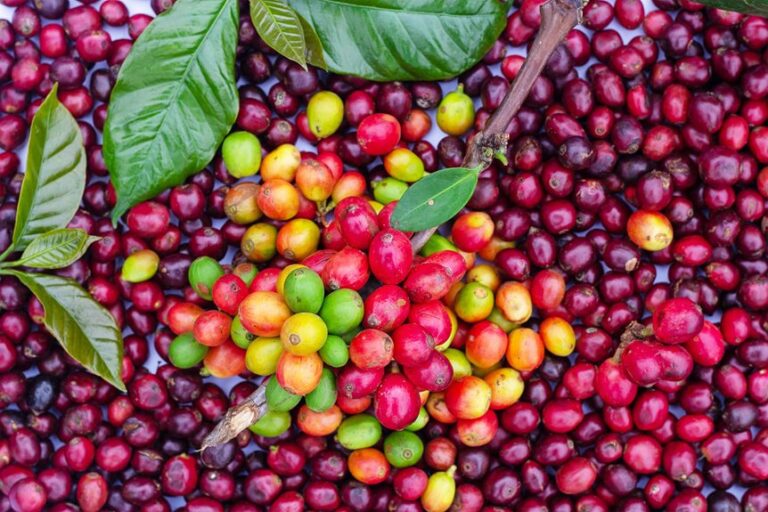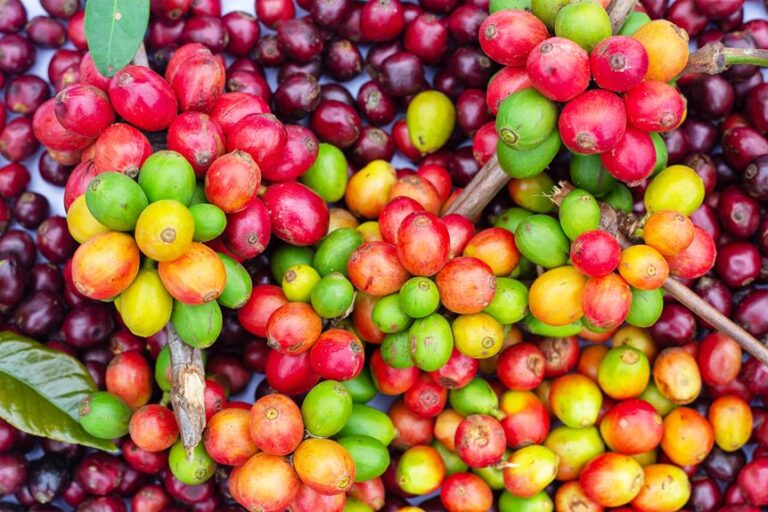

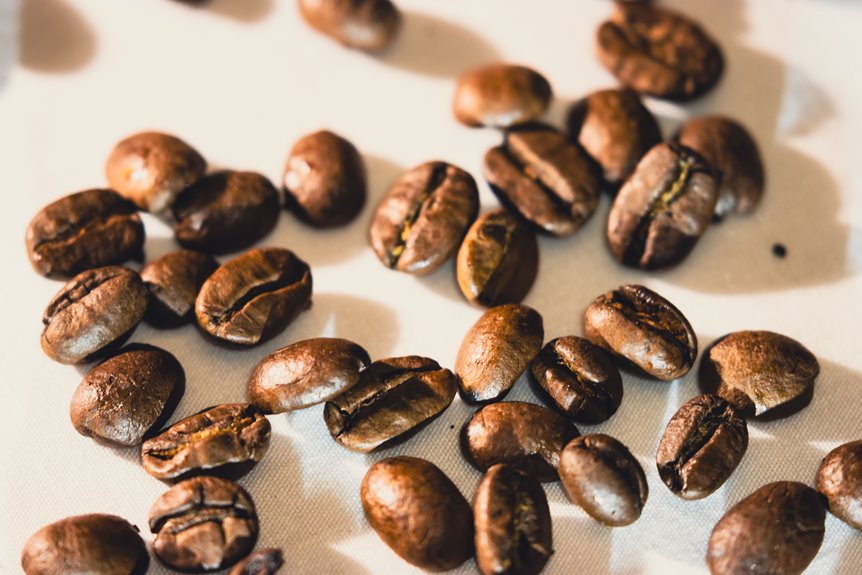
Coffee bean type shapes flavor: Arabica brings sweetness and acidity, Robusta delivers higher caffeine and bitterness, Liberica offers floral, woody notes, and Excelsa adds tart, fruity complexity. Growing altitude, soil, and climate shift acidity, body, and aroma. Processing methods like washed, natural, or honey change sweetness and ferment-derived flavors. Roast level transforms origin traits into brighter or darker profiles and alters bitterness. These factors combine to make one bag smooth and another intense, so read labels on origin, processing, and roast to predict flavor before brewing.
What Are the Main Coffee Bean Types?
Coffee bean types could sound simple initially, but they shape almost every part of your cup, from taste and smell to strength and smoothness. You’ll usually meet four main types: Arabica, Robusta, Liberica, and Excelsa.
Each one gives you a different coffee experience, so you can find a style that feels right for your routine and your crowd. Arabica often appears in single origin profiles because growers value its clear character. Robusta usually brings more intensity and is common in blends.
Liberica stands out with its unusual shape and bold presence. Excelsa adds depth and can lift the whole mix.
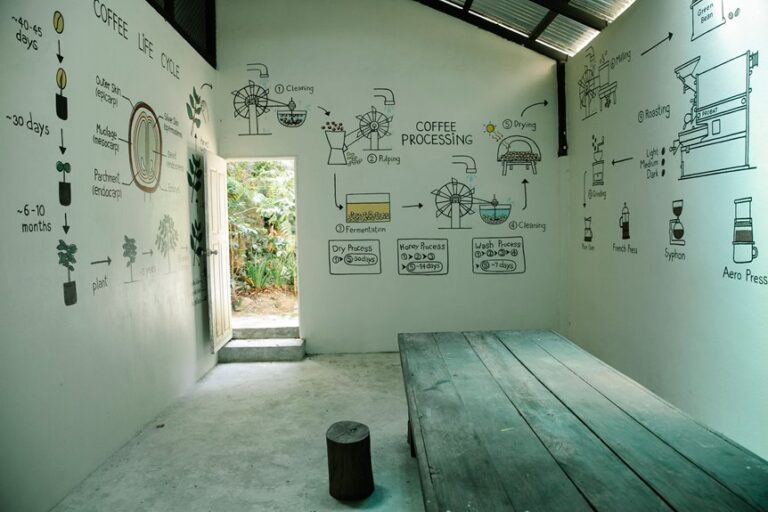
Then processing methods also matter, since they change how each bean develops and helps you choose with confidence, not guesswork.
What Do Arabica Beans Taste Like?
So, what makes Arabica beans so loved? You taste a cup that feels smooth, bright, and welcoming.
Many coffees from Arabica bring floral notes that remind you of fresh blossoms, along with sweet acidity that keeps each sip lively.
You might also notice citrus brightness, which gives the flavor a clean lift without feeling sharp.
As the cup cools, chocolate undertones often appear, adding warmth and comfort.
This balance helps you enjoy a drink that feels familiar yet special. Should you like coffee that sounds fancy but still feels easy to love, Arabica fits right in. It invites you in with gentle layers, then stays pleasant from the initial sip to the last.
What Makes Robusta Beans Strong?
Robusta beans hit harder because they carry more caffeine and a bolder, earthier flavor than Arabica. You feel that strength fast, and many coffee lovers welcome it like an old friend.
- High yield cultivation helps farmers grow more beans, so Robusta stays affordable and steady.
- Strong pest resistance means the plant can thrive with less worry, and that resilience supports your cup.
- Its earthy flavor profile brings a deep, bitter edge that stands up well in blends.
- Crema improvement gives espresso a thicker top layer, which makes your shot look rich and inviting.
When you choose Robusta, you’re joining a crowd that likes coffee with backbone. It’s not shy, and that’s the charm.
How Do Liberica and Excelsa Compare?
Lantern-like and a little rare, Liberica and Excelsa bring two very different moods to the coffee world.
When you taste Liberica, you’ll notice bold, smoky fruit notes and a heavy body that feels memorable right away.
Excelsa, though once grouped with Liberica, leans lighter, with tart fruit, floral aromatics, and a lively edge that can feel playful.
You can tell them apart by leaf morphology too, since Liberica grows larger, more dramatic leaves.
Both show rare profiles, so they’re exciting if you like joining a smaller coffee circle.
You might also hear talk of wild fermentation in some processing, which can sharpen their character.
If you want depth, choose Liberica; if you want sparkle, Excelsa fits beautifully.
Which Coffee Bean Type Has More Caffeine?
Whenever you’re comparing coffee beans by caffeine, Robusta usually takes the lead via a wide margin, and that can matter a lot should you want a stronger kick in your cup. You’re not imagining it; the bean type itself often sets the baseline.
- Robusta usually has about twice the caffeine of Arabica, so your mug can feel bolder fast.
- Arabica stays gentler, which many of you like for easier sipping.
- Don’t fall for caffeine myths about dark roasts always winning; roast style changes taste more than caffeine.
- Brewing impact matters too, and genetics influence the bean’s natural caffeine level.
If you choose decaf methods, you still keep a little caffeine, just much less. So you can pick with confidence and feel at home with your coffee routine.
How Do Growing Conditions Affect Coffee Beans?
Coffee beans don’t grow the same way everywhere, and that difference can shape flavor in a big way. Whenever you understand your bean’s home, you start to notice why some cups feel bright and lively while others feel gentle and smooth.
Altitude effects matter because cooler mountain air helps beans mature more slowly, which can build cleaner flavors. Soil chemistry also plays a part, since rich earth feeds the plant and shapes its final character.
Then, microclimate impacts like rain, wind, and temperature shifts add small but meaningful changes. With shade management, growers can protect plants from harsh sun and keep conditions steadier.
You’re not just drinking coffee, you’re tasting the place that helped it grow, and that can make every sip feel more personal.
How Does Roast Level Change Coffee Flavor?
Upon choosing a light roast, you’ll observe brighter, sharper flavors that keep more of the bean’s original character.
A dark roast gives you a bolder, deeper taste with less acidity and more smoky or chocolate-like nuances. So, roast level changes whether your cup feels lively and crisp or rich and intense.
Light Roast Flavor
A light roast keeps more of the bean’s original voice, so you’ll often notice brighter, cleaner, and more lively flavors in the cup. You can taste citrus brightness and a gentle floral aroma, which makes each sip feel fresh and welcoming.
Should you enjoy coffee that feels friendly and easy to discover, light roast can help you feel right at home.
- You’ll taste more fruit-like notes.
- You’ll notice a lighter body.
- You’ll get a crisp, lively finish.
- You’ll spot the bean’s origin more clearly.
Because the roast stays short, the coffee keeps details that heavier roasting can hide. So whenever you want a cup with energy and personality, light roast gives you a warm place to start.
Dark Roast Flavor
Dark roast changes coffee in a big way, and it leans into bold, deep flavors that feel warm and familiar. You’ll taste less fruit and more body, so each sip can feel steady and comforting. That’s why many coffee lovers reach for it whenever they want something rich and easy to trust.
| Roast cue | Flavor you get | What it feels like |
|---|---|---|
| Longer heat | Dark chocolate | Smooth and full |
| More browning | Smoky caramel | Sweet with edge |
| Oil on bean | Bold body | Heavy and round |
| Less acidity | Softer bite | Gentle on your tongue |
| Strong finish | Toasted notes | Cozy and lingering |
You might also notice a hint of smoke, which adds character without crowding the cup.
Which Coffee Beans Work Best for Brewing?
Fresh coffee starts with the right bean, and that choice can change your whole brewing experience. You’ll get the best cup whenever the bean matches your brew style, and that’s where your taste buds can feel at home.
- Light roasts shine in pour-over and drip coffee because they keep bright tones clear.
- Medium roasts work well for daily brewing, since they balance sweetness and body.
- Dark roasts fit espresso and French press, where bold flavor stands up strong.
- Single origin experiments help you notice how one bean acts in different brewers, whilst grind size effects show why the same bean can taste sharp or smooth.
How Do You Choose the Right Coffee Bean?
Choosing the right coffee bean gets easier once you know what kind of cup you want in your hands. Start with your taste. Suppose you like bright, fruity notes, try light roasts and single origin sourcing so you can taste one farm’s character. In case you want a warmer, bolder mug, choose darker beans with chocolate or nut tones.
Next, consider how you brew. A French press can handle richer beans, while pour-over shines with delicate ones. Flavor profiling helps you compare options without guessing, so read tasting notes and trust your own nose. Also, buy fresh beans from roasters who share roast dates. That way, you join a coffee crowd that cares about flavor, not just caffeine.
Frequently Asked Questions
What Is the Difference Between Single-Origin and Blended Coffee Beans?
Single-origin coffee lets you taste one place’s story, like sunlight in a cup, while blended beans mix origins for balance and consistency. You get single origin storytelling and terroir transparency; blends offer harmony, not a single voice.
How Should Coffee Beans Be Stored for Maximum Freshness?
Store your coffee beans in airtight containers in cool storage away from light, heat, and moisture. You’ll keep them fresher longer, and you’ll join the crowd who enjoys richer, more flavorful brews.
Are Organic Coffee Beans Better Than Non-Organic Beans?
Not necessarily. You’ll find organic certification can signal fewer synthetic inputs, but taste perception often comes down to your palate and brewing. Choose what fits your values; like finding your tribe, both can brew satisfaction.
Do Coffee Bean Processing Methods Affect Flavor?
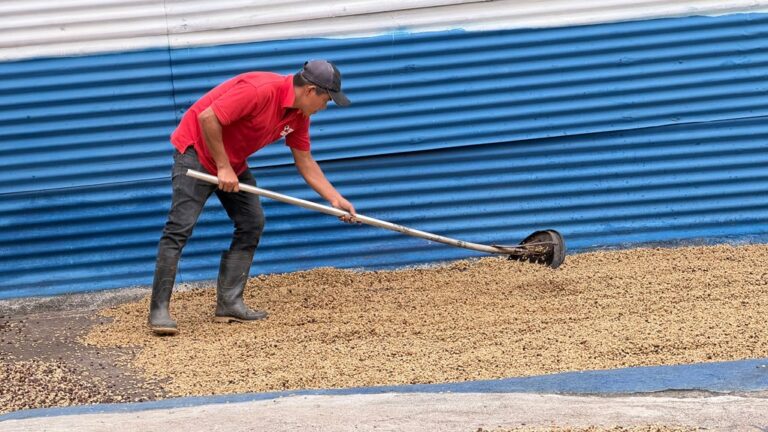
Yes, you’ll taste it: coffee bean processing methods shape flavor through fermentation profiles and processing equipment. You belong in the cup conversation because each method can brighten acidity, deepen sweetness, or add funk.
Can Coffee Beans Expire or Go Stale?
Yes, your coffee beans can go stale rather than truly expire. You will get better shelf life when sealing them away; otherwise flavor degradation, weak aroma retention, and moisture absorption will leave your brew flat.