Saiful Islam

Saiful Islam

How Coffee Is Grown From Seed to Harvest

from seedling to roasted bean

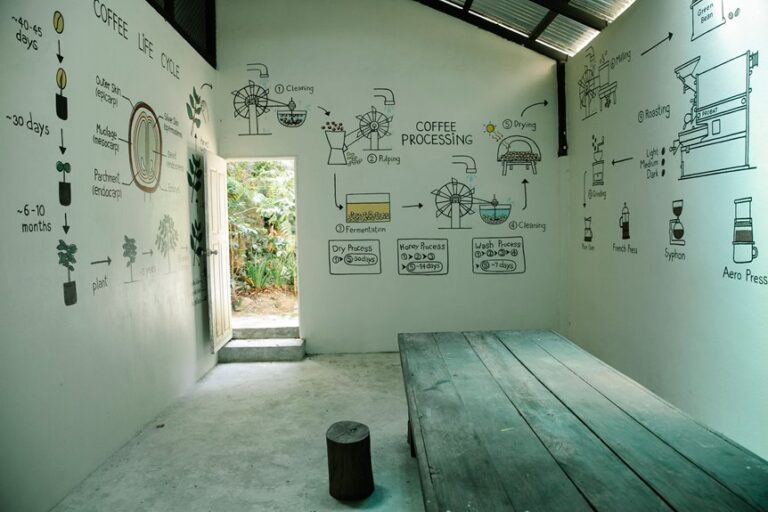
Coffee starts its life more quietly than you might expect, and that gentle beginning matters. It begins with a clean seed from a ripe cherry, which is soaked and sown in warm, moist, sheltered soil with filtered light. As the seedling grows you keep moisture steady, feed it well, and watch for pests. From there the plant slowly matures, flowers, and sets cherries that need careful picking. What happens next can change the taste in your cup.

Coffee Harvesting Methods Around the World

global coffee harvesting techniques

As you look at coffee harvesting around the world, you will see that the best method often depends on where the beans grow, how steep the land is, and how much labor a farm can manage. In some places workers hand pick only the ripest cherries to protect flavor, while in others machines speed through wide fields to keep costs low. The real difference shows up in the cup, and that is where the story gets interesting.

Honey Process Coffee Characteristics
sweet fruity syrupy acidity

As you taste a honey process coffee from a small roaster in the morning, you might notice a soft sweetness right away, followed by stone fruit, light caramel, and a smooth feel that lingers. That gentle balance comes from how the beans keep some mucilage during drying, and that step alters both flavor and texture. As you investigate how it is made, compared, and brewed, you will see why this style feels so inviting and still has a few surprises.

Coffee Bean Types and Their Characteristics

varietal beans flavor origin

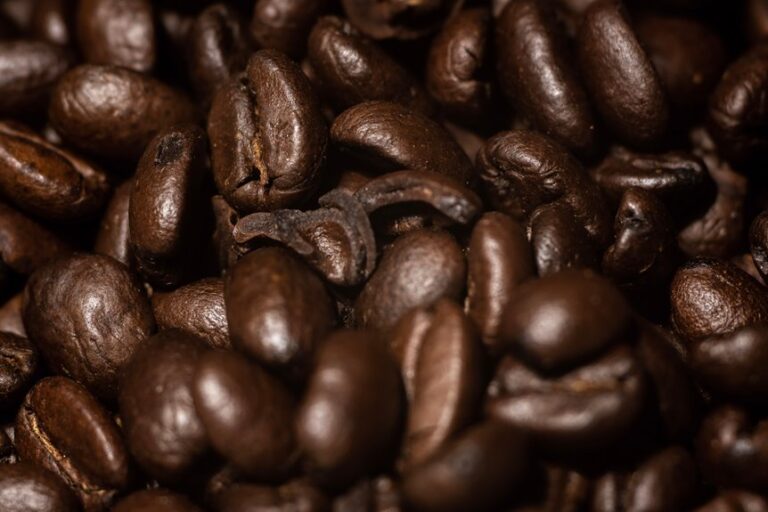
Coffee beans are a small map that can lead you to many different flavors, and that voyage starts with the type you choose. You’ll notice Arabica’s sweet, bright cup, Robusta’s bold strength, and the rarer notes from Liberica and Excelsa, but the real surprise comes when growing conditions, processing, and roast level change the taste in ways you may not anticipate. Should you ever ponder why one bag feels smooth while another tastes fierce, the answer is closer than you presume.

What Is a Coffee Cherry?

fruit surrounding coffee seed

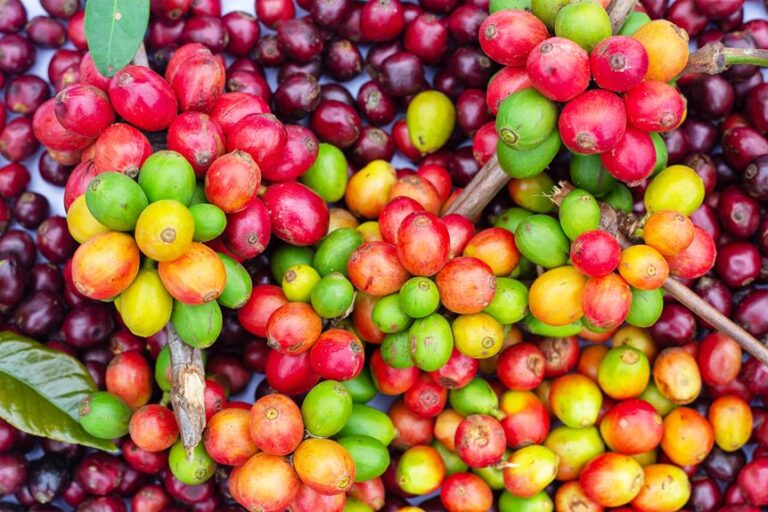
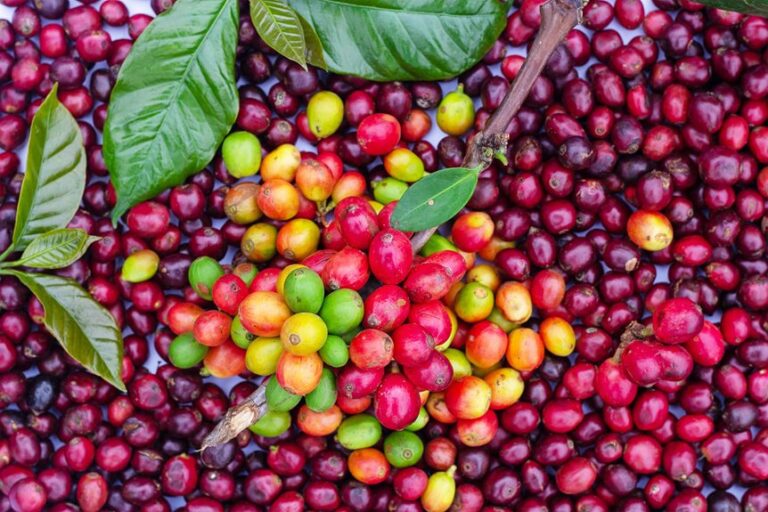
At a small Colombian farm, bright red coffee cherries hang like tiny jewels before harvest; they protect each coffee bean, influence flavor, and their color, size, ripeness, and how they are picked and processed all shape the final cup.

Colombian Coffee Characteristics and Flavor Notes

balanced bright chocolatey acidity

You may expect Colombian coffee to taste sharp or too bold, but it is typically smooth, balanced, and easy to enjoy. That is what makes it stand out. Look closer and altitude, region, and roast level all shape the cup in clear ways, from bright citrus to soft caramel and cocoa. Once you know what to look for, you can choose a Colombian coffee that fits your taste instead of guessing and hoping for luck.

Brazilian Coffee Characteristics and Flavor Notes

nutty chocolate medium body

Brazil makes more coffee than any other country, but the surprise is how calm and steady its cups can taste. Whenever you sip one, you’ll often find soft chocolate, almond, caramel, and a smooth body with low acidity, which makes it easy to enjoy. If you have ever wanted coffee that feels rich without acting sharp, Brazilian beans might be exactly what you have been missing, and their regional and roast differences only make the story better.

What Is Kona Coffee?

premium hawaiian grown arabica coffee

Kona coffee grows in a tiny strip of land on Hawaii’s Big Island, and that narrow home is a big reason it tastes so distinct. You get a smooth, soft cup with gentle fruit notes, because the volcanic soil, warm days, and cool nights shape each bean in a careful way. If you have ever wondered why some bags cost more or why real Kona feels so calm in the cup, the next part makes it clear.

What Makes Jamaican Blue Mountain Coffee Unique?

high altitude mild limited production

Jamaican Blue Mountain coffee stands out because it grows where cool mist, rich volcanic soil, and high slopes slow the cherry’s ripening, which helps create its smooth body and soft sweetness. You’ll notice a gentle citrus lift, a clean finish, and almost no harsh bite. Then careful handpicking, washed processing, and strict grading keep the beans precise and fresh. That mix of place, craft, and rarity is only part of why it feels so special.

Medium Roast Coffee Characteristics and Flavor Profile

balanced nutty caramel sweetness

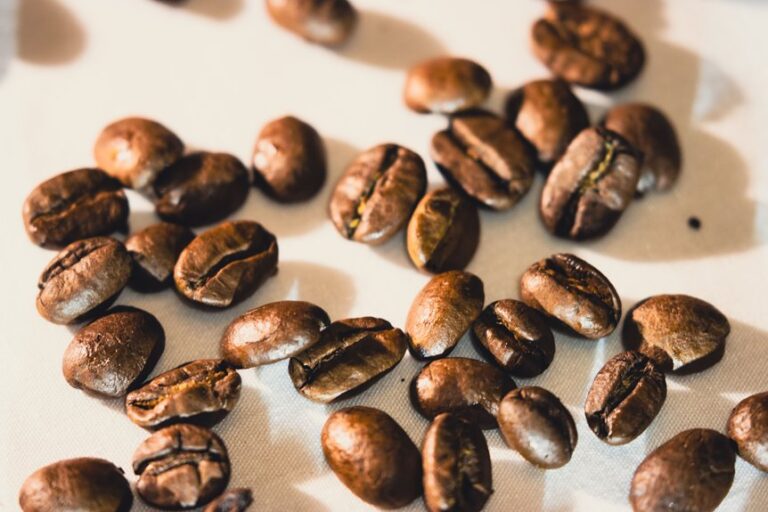
When you choose a medium roast, you get the sweet spot between sharp brightness and heavy bitterness, and that makes each cup feel easy to enjoy. You’ll notice warm tones of cocoa, toast, nuts and often a little caramel, while the coffee still keeps hints of its origin, like berry, citrus or honey. Because the roast stays balanced, it works well in many brews, and the real surprise is how much more it can reveal with the right method.