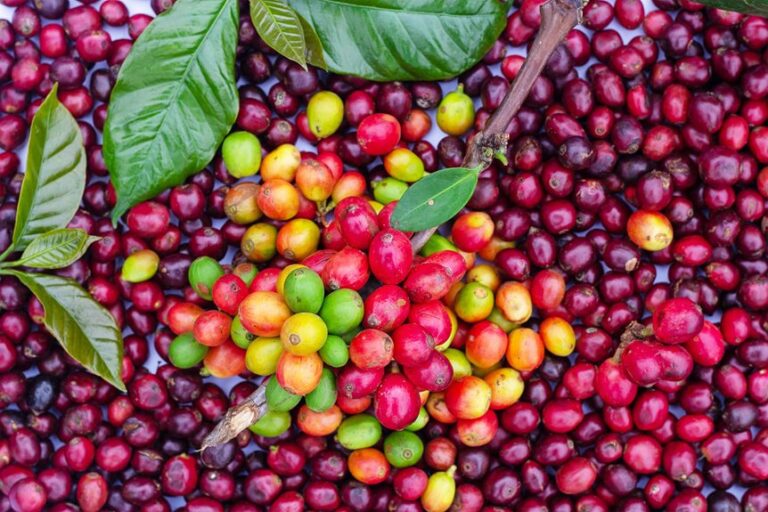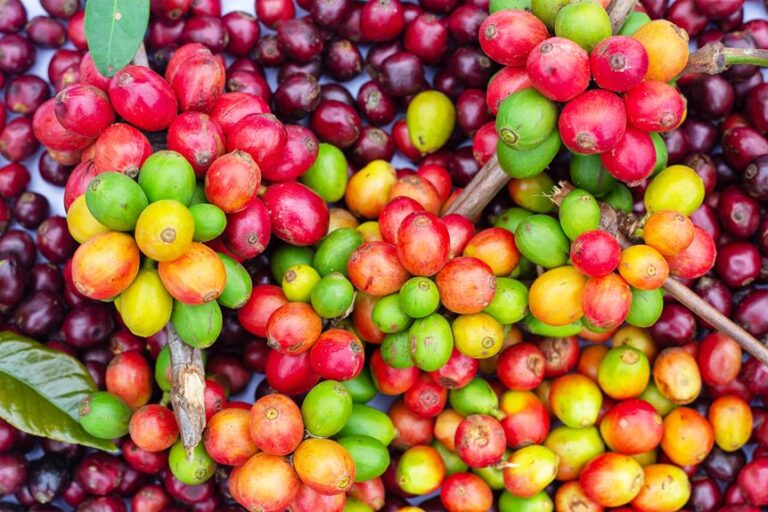

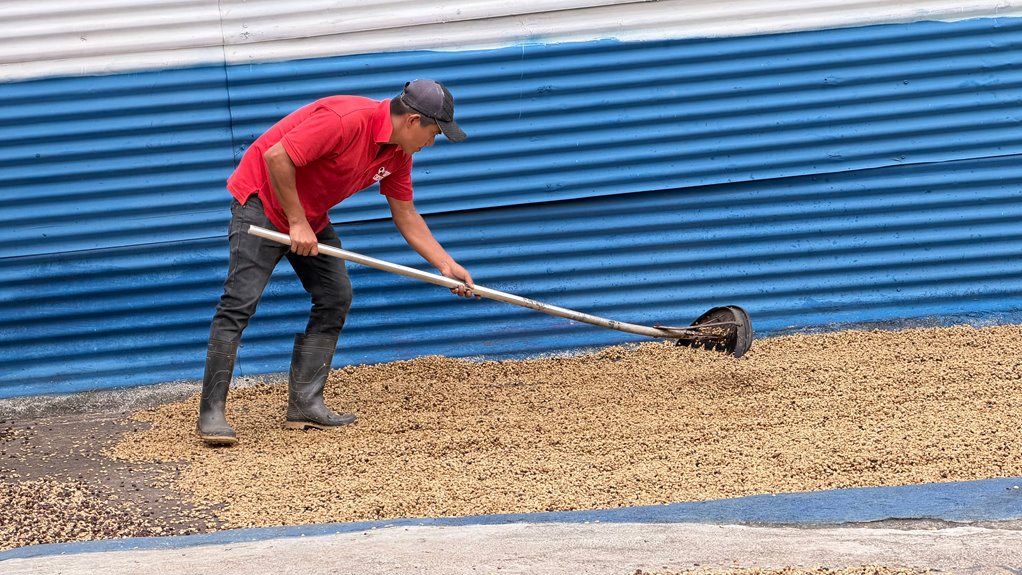
Coffee harvesting methods vary with terrain, climate, and labor availability. Steep, high-altitude farms often rely on selective hand-picking to collect ripe cherries and protect flavor. Large, flat plantations commonly use mechanical harvesters to process vast areas quickly and reduce costs. Smallholder farms use a mix of hand and machine techniques based on crop size and workforce. Differences in harvesting directly influence bean quality, roast profiles, and final cup characteristics.
What Determines Coffee Harvesting Methods?
As you look at coffee harvesting around the world, the method usually comes down to a few clear forces that shape the whole process. Climate matters initially, because rain, heat, and mountain slopes change how ripe cherries grow. Farm size also guides your choice, since small plots and large estates need different labor plans.
Then you have berry uniformity, which genetics influence through genetic selection, and that can make ripening more even. Money and local labor shape the rest, because wages, timing, and access to workers affect what you can do each season.
Processing equipment matters too, since some farms use machines that need specific plant shapes or wider rows. Once you understand these factors, you fit into the bigger coffee community more easily and make smarter choices with less stress.
Hand-Picking Coffee Cherries for Top Quality
As you hand-pick coffee cherries, you can choose only the ripe fruit, which helps protect the beans from sour or uneven flavors.
That careful selective picking takes more time, but it gives you a cleaner, sweeter cup that feels worth the effort.
You’re not just gathering coffee, you’re helping shape its best quality right from the branch.
Selective Cherry Picking
Selective cherry picking starts with a careful hand and a sharp eye, because the best coffee begins with only the ripest cherries.
You move through the rows, choosing each cherry one on one, and that slow rhythm helps your team protect flavor and trust.
This method often supports fair trade impacts, since careful picking can reward skilled workers and stronger community wages.
It also pairs well with picker safety training, so you and your crew can work with safer movements, steadier pace, and less strain.
Because you handle the plants gently, you keep the harvest clean and focused.
As a result, your group builds esteem in the work, and every bag feels like it came from people who care.
Ripe Fruit Only
After you’ve learned to pick cherries one at a time, the next step is to focus on fruit that’s fully ripe, since that’s where top quality starts. You belong in this careful rhythm, where your hands help protect the cup’s sweetness and balance. With a single origin focus, you look for deep red or golden cherries, depending on the variety, and leave the green ones behind.
That patience pays off once peak ripeness timing guides every move.
- Check color before you pick.
- Gently twist each cherry free.
- Keep underripe fruit on the branch.
- Sort any mixed cherries right away.
- Work row by row so your pace stays steady.
This method helps you feel connected to the farm and the people who’ll taste the coffee later.
Selective Picking vs. Strip Picking
Selective picking lets you choose only the ripest cherries, so you can protect flavor and raise quality with care.
Strip picking works faster because you remove all cherries from a branch at once, which can enhance yield but also mix ripe and unripe fruit.
As you compare them, you’ll see the real tradeoff: more control and better cup quality on one side, or speed and volume on the other.
Selective Picking Benefits
Picking coffee cherries one after one takes more time, but it gives you much better control over what ends up in the basket. Whenever you choose ripe fruit, you support selective labor and protect flavor preservation. Whenever you choose ripe fruit, you support selective labor and protect flavor preservation. You also help your team feel proud, because careful work builds trust and shared standards.
- You keep unripe cherries out.
- You protect sweet, clean taste.
- You reduce wasted effort later.
- You make each pass feel meaningful.
- You join a craft that values care.
Strip Picking Process
Now picture the opposite of slow, careful cherry beside cherry work: strip picking moves fast, and your hands sweep along a branch to remove most or all of the fruit at once.
As you use strip harvesting, you grip the stem and pull downward or sideways so the cherries fall into your basket or onto a cloth. In many farms, workers do this manually, while mechanical stripping uses tools or machines to shake fruit loose.
You’ll often see teams move together, since the method helps you cover rows quickly and keep everyone in rhythm. It feels direct and practical, and you can learn the motion with a little practice.
Because the whole branch gets cleared, you keep moving forward without stopping for each cherry, which makes the work feel steady, shared, and manageable for your crew.
Quality And Yield Tradeoffs
Once you compare selective picking with strip picking, the tradeoff usually comes down to this: one method protects cup quality, and the other pushes more fruit through the harvest fast.
With selective picking, you choose only ripe cherries, so you give your beans a cleaner start and your neighbors in the supply chain fewer headaches. Strip picking fills bags quickly, but it can mix ripe and unripe fruit, which might lower flavor and add sorting work later. That’s where processing equipment matters, because better machines can help sort damage and defects, though they can’t fix poor harvest choices. Also, genetic selection can shape how evenly cherries ripen, which changes your labor needs.
- Selective picking enhances consistency.
- Strip picking raises volume.
- Ripeness affects taste.
- Sorting adds cost.
- Timing decides your payoff.
Coffee Harvesting Methods in Ethiopia and Colombia
In Ethiopia and Colombia, coffee harvesting still depends on careful hands, close attention, and a strong esteem for the land, even though each country does it in its own way.
In Ethiopia, you’ll often see families pick ripe cherries manually during traditional ceremonies, especially whenever heirloom varieties need gentle care. In Colombia, you’ll notice farmers moving through steep hillsides and choosing only the reddest fruit, which helps protect flavor and keeps the harvest robust.
Because both places value skill over speed, you become part of a process that honors local esteem and community bonds. As you learn their methods, you’ll see that harvesting isn’t just farm work. It’s a shared practice that connects neighbors, seasons, and coffee lovers like you.
How Machine Harvesting Works in Brazil
In Brazil, you’ll often see machine shakers and sweepers working together to speed up coffee picking across large farms.
The shakers loosen ripe cherries from the branches, and the sweepers gather them from the ground so you don’t waste time or fruit.
Because the rows need to fit the equipment and the timing has to match peak ripeness, good farm layout helps you harvest more smoothly and with less stress.
Machine Shakers And Sweepers
Brazil’s coffee farms often move fast at harvest time, and machine shakers and sweepers make that speed possible. You’ll see shakers using mechanical vibration to loosen ripe cherries, so the branches release fruit with less hand labor. Then sweepers follow and gather what falls, keeping the ground clear and the harvest moving.
- You ride with a crew that trusts the machine.
- You watch fruit stripping happen in one quick pass.
- You feel less strain than with picking by hand.
- You help collect beans before they sit too long.
- You stay part of a process that saves time.
Because the work is shared between shaking along with sweeping, you can keep pace with large fields and still feel connected to the harvest.
Farm Layout And Timing
After the shakers and sweepers do their work, the next big question is how the farm is set up so those machines can move with ease. You’ll see long, open rows, wide turns, and gentle slopes that help crews stay efficient and calm. In Brazil, altitude zoning guides where each block grows, so the harvest matches the land. Staggered pruning keeps trees at different growth stages, which spreads ripening and lets you pick at the right time.
| Farm feature | Why it helps | Your result |
|---|---|---|
| Wide rows | Machines pass cleanly | Less damage |
| Zoned blocks | Ripen at different elevations | Better timing |
| Pruned trees | Fruit matures evenly | Smoother harvest |
When you plan this way, you join a system that respects both the field and the people working it.
Where Do Farmers Use Mixed Harvesting?
Mixed harvesting shows up most often where coffee farms face a real mix of plant ripeness on the same hillside or field. You’ll see it on small family farms, in rugged mountain plots, and in shaded systems with agroforestry integration. Farmers there pick some cherries by hand and gather the rest later, so the crew stays flexible and the work feels shared. That approach also fits farms with limited labor or uneven tree height.
- You might find it in Latin America
- You might find it in East Africa
- You might find it on island farms
- You might find it in high-altitude gardens
- You might find it where postharvest sorting helps separate lots
If you’re part of these farming communities, mixed harvesting can feel practical, familiar, and steady.
How Harvest Timing Changes Coffee Flavor
Harvest timing can change a coffee’s flavor more than many people expect, because cherries don’t all ripen at the same pace.
Whenever you pick too early, you often get sharp, grassy notes and less sweetness. Should you wait for fuller ripeness, the cup usually tastes rounder, juicier, and more balanced.
You also need to watch cultivar timing, since each variety reaches peak flavor on its own schedule. That matters because a batch picked on the wrong day can taste uneven, even should the farm do everything else right.
Later harvests can raise the fermentation impact too, since overripe cherries disintegrate faster. So, whenever you join a picking crew or buy fresh lots, you’re really choosing the flavor path alongside them, one careful harvest at a time.
Sustainable Coffee Harvesting Methods
Sustainable coffee harvesting methods give you a way to protect both the crop and the land, and that matters more than many people believe. You can pick ripe cherries by hand, sort them right away, and keep damaged fruit out of the batch. Then you help the trees stay healthy and the cup stay bright.
- Use agroforestry integration to shade plants naturally.
- Work with community cooperatives to share good practices.
- Return pulp to the soil whenever it’s safe.
- Move carefully so you don’t break branches.
- Keep paths clean to protect streams.
These habits help you feel part of a farming circle that respects the earth. Whenever you choose them, you support healthy roots, cleaner water, and a stronger future for everyone who loves coffee.
How Labor, Cost, and Farm Size Affect Harvesting
Whenever labor is tight, costs climb, and farm size changes the pace, coffee harvesting starts to look very different from one farm to the next. On a small hillside plot, you might pick by hand with a few neighbors. On a larger farm, you could depend on migrant labor, which can help fill long harvest days.
| Farm size | Labor need | Common choice |
|---|---|---|
| Tiny plot | Low | Hand picking |
| Mid-sized farm | Medium | Mixed crews |
| Large estate | High | Harvest mechanization |
Because wages, travel, and time all matter, you often choose the method that fits your budget and land. Whenever rows stretch wide and slopes stay gentle, harvest mechanization can save effort. Whenever terrain is rough, people still do the careful work together, and that shared effort matters.
How Harvesting Methods Affect Your Cup
A coffee bean’s voyage doesn’t end at the farm gate, because the way it gets picked can shape what you taste in your cup.
When you choose single origin sourcing, harvesting style matters even more. Handpicking often gives you cleaner fruit notes, while strip picking can mix ripe and unripe cherries, adding sharpness. Then processing methods step in and either lift or soften those flavors. You can taste the difference in body, sweetness, and brightness.
- Selective picking brings clarity.
- Strip picking can add unevenness.
- Ripe cherries often taste sweeter.
- Careful sorting protects delicate nuances.
- Processing methods shape the finish.
Frequently Asked Questions
Which Tools Are Used During Coffee Cherry Harvesting?
You will use handheld rakes and motorized harvesters to gather coffee cherries efficiently. You can also pick by hand keeping pace with your team and feeling confident you belong in the harvest process.
How Do Harvesters Avoid Damaging Coffee Plants?
You avoid damage by picking gently, much like a careful gardener, using hand pruning techniques and protecting the root zone. Stay connected to the plants, move lightly, never scrape bark, snap branches, or compact soil.
Do Coffee Farmers Harvest at Night or Daytime?
You’ll usually see daylight picking, since you can spot ripe cherries better and stay safer. Some farms use night harvesting for cooler temperatures and stronger teamwork, but it is less common and more specialized in general.
How Is Coffee Cherry Ripeness Measured Before Picking?
You measure ripeness by checking cherry color and firmness, often using color charts and sugar assays. Compare shades of red, measure sweetness, and pick once cherries feel right so you belong among careful harvesters.
Can Harvested Coffee Cherries Be Stored Before Processing?
Yes, you can store harvested cherries briefly, similar to a farmer cooling a morning pick in cold storage. You should process them quickly, because fermentation timing shifts rapidly and can affect your coffee’s overall quality.