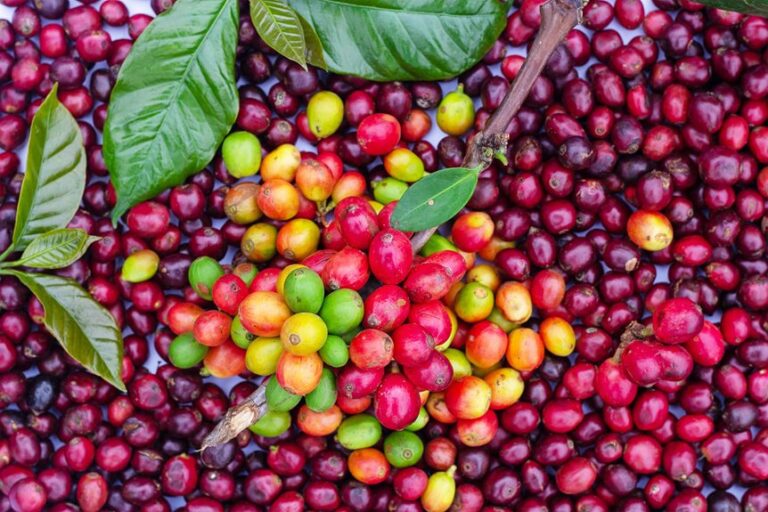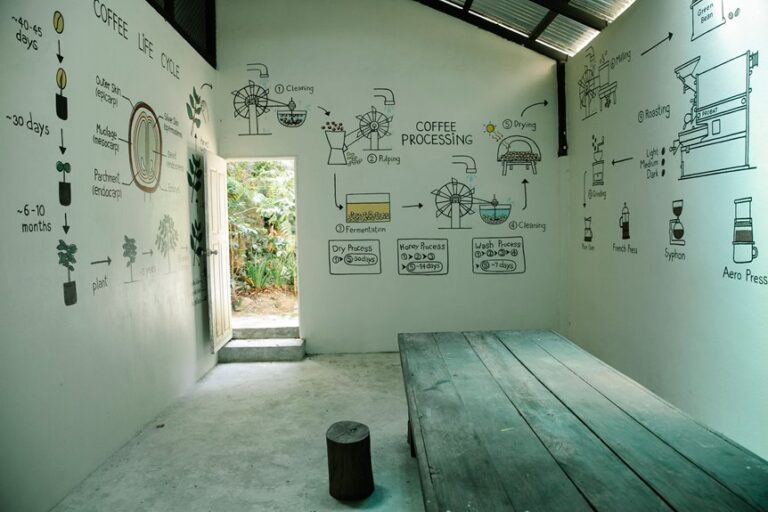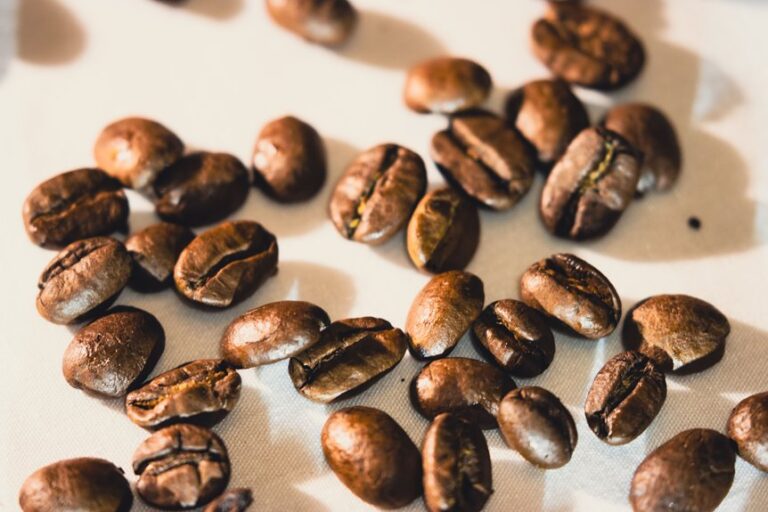

Colombian coffee generally tastes smooth, balanced, and easy to enjoy. Altitude, microclimate, and processing shape its acidity, body, and sweetness. High-altitude beans often offer bright citrus and floral notes, while lower-altitude lots lean toward deeper caramel and chocolate. Regional differences—Antioquia, Huila, Nariño, and others—produce distinct flavor profiles. Roast level further shifts the cup from bright and acidic to sweeter and fuller-bodied.
What Makes Colombian Coffee Unique
A good cup of Colombian coffee stands out right away because it brings a clean, balanced flavor with a gentle brightness that feels smooth, not sharp.
You can taste its unique place in the world because each bean carries single origin terroir from high mountain farms.
That means the soil, rain, and shade all shape your cup in a steady, welcoming way.
You also get closer to the people behind it through local farmer stories, which add heart to every sip.
As you learn where it comes from, you feel part of a wider coffee community that values care and esteem.
So whenever you choose Colombian coffee, you’re not just buying beans.
You’re joining a warm tradition that treats quality like family, and that’s pretty special.
Colombian Coffee Flavor Notes to Expect
Now that you know what makes Colombian coffee stand out, the next thing you’ll notice is its flavor. You can expect a bright, clean cup with gentle sweetness and a smooth finish.
Often, you’ll taste hints of caramel, red apple, citrus, and cocoa, and each sip feels easy to trust. Because single origin sourcing keeps the coffee’s identity clear, those flavors stay distinct instead of blending into a muddy mix.
Harvest seasonality also matters, since fresh crops can taste lively and crisp, while later lots could feel rounder and softer. As you brew, you’ll probably pick up a balanced body and a friendly acidity that wakes up your palate without feeling sharp.
That’s the charm here: familiar, welcoming, and just a little magical.
How Altitude Shapes Colombian Coffee Flavor
Climbing higher into Colombia’s mountains changes the coffee in ways you can taste right away. At greater elevation, cooler air slows the cherry’s growth, so the bean packs in more sugars and acids. That gives you a brighter cup with crisp fruit, lively sweetness, and a clean finish.
In many farms, the cloud forest adds shade and steady moisture, which helps the plants stay calm and balanced. This elevation terroir works like a quiet team, shaping flavor without shouting. You’ll notice the difference in the cup as a gentle sparkle, not a harsh bite.
Flavor Differences by Region
As you taste coffee from different parts of Colombia, you’ll notice that the Andes can give each cup its own warm aroma profile.
You might also pick up brighter or softer acidity from one region to another, and that shift often changes how lively the coffee feels.
Altitude adds another layer, so the flavor notes can move from sweet and floral to crisp and fruity as you move across growing areas.
Andean Aroma Profiles
In the Andes, coffee takes on different aroma profiles as soon as altitude, soil, and weather start shaping the beans. You can taste the Andes terroir in one cup, then notice how mountain microclimates add a fresh twist in the next.
In Huila, you might find cocoa and ripe fruit notes that feel warm and welcoming. In Nariño, you often get floral lift and a cleaner scent that seems bright but calm. In Antioquia, the aroma can lean sweet, with hints of caramel and nuts that feel familiar.
Each region gives you a different path into the same family of coffee, so you can investigate with confidence. That variety helps you feel right at home, even if the cup changes from one valley to the next.
Regional Acidity Levels
At the moment you taste Colombian coffee from different regions, the acidity can feel like a gentle spark or a lively pop, and that change tells you a lot about where the beans grew.
In your cup, this brightness often shifts with microclimate influences, so one area might feel crisp and clean while another feels softer and rounder.
You’ll notice that soil composition also shapes the edge of that acidity, giving you a sharper lift in some places and a smoother glow in others.
Because of this, regional cups don’t just taste different, they help you feel connected to the land and the people behind them.
Whenever you sip carefully, you can trust your senses and enjoy how each region brings its own friendly energy to the mug.
Flavor Notes By Altitude
As coffee grows higher up in Colombia’s mountains, it often picks up brighter and more layered flavor subtleties that can feel like a little surprise in every sip. At lower altitudes, you might taste softer chocolate, caramel, and ripe fruit. As you climb, the cup often turns livelier, with citrus, florals, and crisp sweetness. These shifts happen because microclimate influences change temperature, rainfall, and cherry ripening.
- Low farms bring smooth, comforting tones.
- Mid elevations add balanced fruit and gentle acidity.
- High farms can show sparkling floral clarity.
When you taste these coffees, you also taste farmer traditions, since local picking and drying choices protect each region’s style. So you can feel at home in the cup, wherever it comes from.
What Colombian Coffee Tastes Like in the Cup
Whenever you sip Colombian coffee, you’ll often notice a bright citrus acidity that wakes up your palate right away.
Then a smooth caramel sweetness steps in and softens the cup, so the flavors feel lively but still balanced.
That mix makes each sip feel clean, comforting, and a little more interesting than you may expect.
Bright Citrus Acidity
Colombian coffee often greets you with a bright citrus acidity that feels lively, clean, and easy to enjoy. You might notice zesty lemon first, then sparkling bergamot that lifts each sip. This sharp, fresh edge can make you feel right at home in the cup.
- It wakes up your palate without shouting.
- It stays crisp, so flavors feel clear.
- It gives you a bright, friendly finish.
When you share a cup like this, you join coffee lovers who enjoy a lively profile. The acidity doesn’t feel harsh; instead, it brings energy and balance. So should you want a cup that tastes vivid and welcoming, Colombian coffee gives you that bright lift with ease.
Caramel Sweetness Balance
Sweetness gives the cup its soft center, and Colombian coffee often leans into caramel subtleties that feel warm, smooth, and easy to trust.
You’ll notice this right away whenever the brew lands on your tongue with a creamy sweetness that softens sharper edges. That sweetness doesn’t shout; it settles in, like a familiar voice at the table.
As you sip, you might taste a butterscotch balance that adds depth without heaviness, so the cup stays lively and inviting. This gentle richness helps you feel at home in the flavor, even should you be new to Colombian coffee.
Then the caramel hint keeps everything connected, giving each sip a clean, comforting finish that makes you want one more taste.
How Processing Affects Flavor
After the cherries leave the tree, the way they get processed starts shaping the cup right away. You can taste that difference whenever fermentation control stays steady and the beans dry on raised bed drying. Provided you like a cleaner, brighter brew, this care helps you feel right at home in the flavor.
- Anaerobic fermentation can build softer fruit notes and a rounder body.
- Carbonic maceration can lift juicy aromas and add a lively snap.
- Careful drying helps lock in sweetness and keeps rough edges down.
Once you learn these methods, you start to notice how each lot tells its own story. That’s the fun part: you’re not just drinking coffee, you’re joining a craft that rewards your attention and welcomes your taste.
Best Roasts for Colombian Coffee
When you choose a light roast for Colombian coffee, you’ll taste more of its bright citrus notes and lively acidity.
Should you want a smoother cup, a medium roast often gives you the best balance of sweetness, body, and gentle brightness.
You can regard it as picking between a sparkling cup and a cozy one, and both can feel just right.
Light Roast Brightness
Light roasts often bring out the brightest side of Colombian coffee, and that’s where their charm really starts to shine.
Whenever you brew them, you’ll notice single origin freshness and floral aromatics that feel lively and clean.
You’re not chasing heaviness here; you’re welcoming a cup that feels crisp and welcoming, like a friendly face at your table.
- You can taste citrus-like sparkle.
- You can smell soft blossoms in the cup.
- You can enjoy a clear, easy finish.
Because the roast stays light, the beans keep more of their natural character.
Medium Roast Balance
Medium roasts often hit the sweet spot for Colombian coffee, because they let you enjoy both brightness and body in the same cup. You’ll taste lively citrus, soft caramel, and a smooth finish that feels easy to love.
With single origin sourcing, you can notice how one region’s profile stays clear instead of getting buried by heavy roast flavor. That makes each sip feel more personal, like the cup knows your name.
A careful cupping protocol helps you compare sweetness, acidity, and balance without guesswork. So whenever you want a roast that feels welcoming and steady, medium roast gives you that trusted middle ground.
It’s bright enough to stay interesting, yet rich enough to feel comforting, which is why many Colombian fans keep coming back.
Flavor by Brew Method
Colombian coffee can taste surprisingly different depending on how you brew it, and that’s part of its charm. You could feel like you’re meeting an old friend in a new light.
In a pour-over, you’ll notice bright citrus and clean sweetness. In espresso, the body turns bold, and the espresso crema adds a silky top with caramel and cocoa hints. Should you choose cold brew, the cup softens, and you get smooth chocolate, low bitterness, and a calm finish.
- Pour-over: crisp and lively
- Espresso: rich and intense
- Cold brew: smooth and gentle
How to Brew Colombian Coffee for Best Flavor
To bring out the best in your coffee, start with fresh whole beans and a grind that matches your brew method, because that choice shapes the whole cup.
Use water just off the boil for drip, then let it sit a few seconds so you don’t scorch the bright notes.
With a French press, steep four minutes and press slowly.
For Espresso yield, aim for a rich shot that stays balanced, not bitter.
Should you desire a smoother sip, choose Cold brew and let it rest in the fridge overnight.
You can also pour it over ice for an easy Iced latte that still tastes lively.
Keep your ratio steady, and you’ll feel right at home with every cozy, Colombian-style cup.
How to Choose a Colombian Coffee You’ll Love
Now that you know how to brew Colombian coffee for the best flavor, the next step is picking beans that match your taste. You’re not just buying coffee. You’re joining a story that can feel like home.
- Look for single origin storytelling so you can trace the region and flavor.
- Check farmer partnerships, since they often mean better care and fresher beans.
- Match the roast to your brewing equipment, because your gear shapes the cup.
If you love bright fruit, choose lighter roasts. If you want chocolate and caramel, go medium. Vintage harvests can taste lively, but they might require careful storage. Trust your own palate, and don’t worry provided you require a few tries. That’s part of finding your crowd in coffee.
Frequently Asked Questions
How Much Caffeine Does Colombian Coffee Usually Contain?
You’ll usually get about 95 mg of caffeine in an 8 ounce cup, though brew variables can shift it. You’re not alone; many coffee lovers share this energizing range and enjoy it daily.
Is Colombian Coffee Generally More Expensive Than Other Coffees?
Not always — you’ll often find Colombian coffee priced a bit higher, but fair trade, pricing trends, export taxes, and market forces shape costs. You can still belong to a great coffee community without overspending.
Can Colombian Coffee Beans Be Used for Espresso?
Yes, you can use Colombian coffee beans for espresso, and you’ll fit right in with both single origin espresso lovers and dark roast blends fans. You’ll enjoy a smooth, balanced shot with bright sweetness and crema.
How Should Colombian Coffee Be Stored to Stay Fresh?
Store your coffee in airtight containers in cool storage away from light, heat, and moisture. You will keep it fresher longer and feel part of the crowd that brews better, tastier cups.
Does Colombian Coffee Come From a Single Coffee Variety?
No—you’re not getting just one variety; Colombia’s coffee scene is a mixed bag, with Arabica dominance and strong Genetic diversity. You’ll find many cultivars, so you can feel part of a rich, shared coffee community.