Editorial team

Editorial team

Drip Coffee vs Pour Over Coffee

brewing methods comparison explained

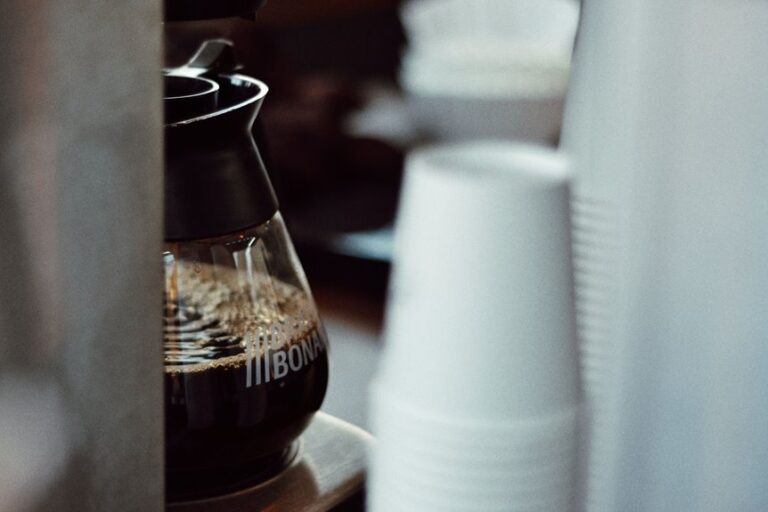
If you are deciding between drip coffee and pour over coffee, you are really choosing between convenience and control. Drip coffee suits a busy morning because it does the work for you, while pour over requires your hands and a bit more patience. One offers a consistent cup with minimal effort, while the other allows you to customize the flavor more precisely. The key question is which type of morning resonates with you, and the answer may surprise you.

Turkish Coffee Traditions and Preparation

turkish coffee preparation traditions

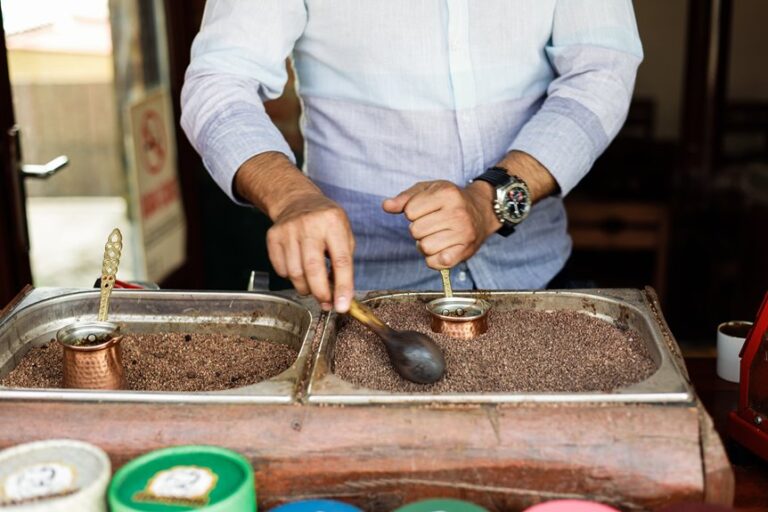
When you prepare Turkish coffee, you embrace a slow and careful tradition that values patience. Begin with very fine coffee, cold water, and sugar in a cezve, then warm it gently to allow the foam to rise without haste. That small cup can feel surprisingly rich, especially when served with water and a sweet treat. If you have ever wondered why the grounds are so important, the next part reveals even more fascinating details.

Coffee Brewing Temperature and Flavor

optimal brew temperature matters

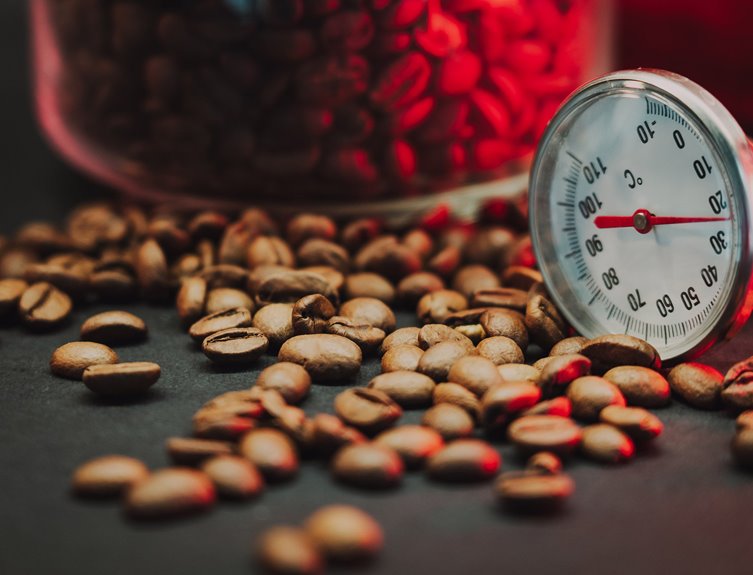
A few degrees can transform your coffee from flat to bright, and that slight shift matters more than you might think. Brewing between 195°F and 205°F helps extract the sweet, rich elements of the bean while avoiding harsh bitterness. However, the ideal temperature varies for each cup, as grind size, freshness, and brewing method all play a role. Once you understand how heat influences flavor, your morning mug will start to make a lot more sense.

Why Water Quality Matters for Coffee
water quality impacts coffee flavor

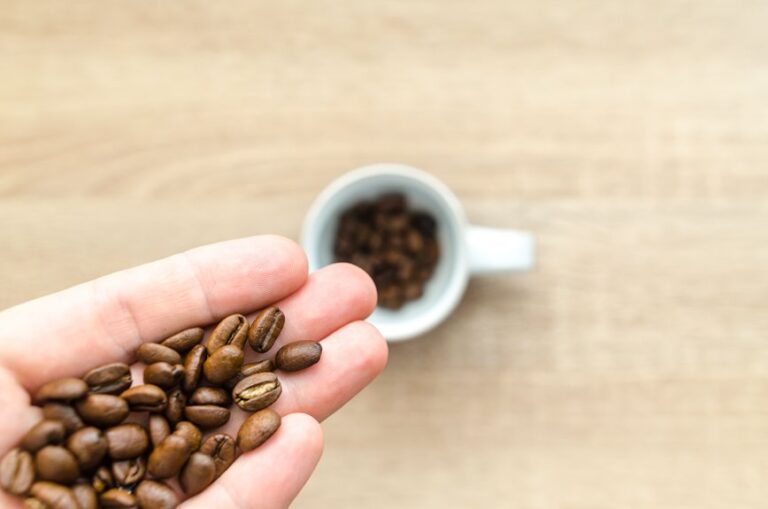
When you brew coffee, the water does more than simply fill the pot. It extracts flavor from the grounds, and even minor changes in minerals or purity can affect your cup's taste, making it bright, flat, or sharp. If your coffee seems off, the water might be the hidden culprit. Understanding how it influences extraction and flavor allows you to improve your cup before your first sip.
Why Grind Size Matters in Coffee Brewing

grind size controls extraction

One thing you might not realize is that grind size changes how fast coffee releases its flavor, and that small shift can make your cup taste rich or oddly sharp. When you grind finer, water extracts flavor faster, but it can also pull in bitterness if you go too far. When you grind coarser, the water moves slower and may leave the cup weak. That balance matters more than most people believe, and the next part shows why your brew method changes everything.

What Is Coffee Blooming?

degassing release of co2

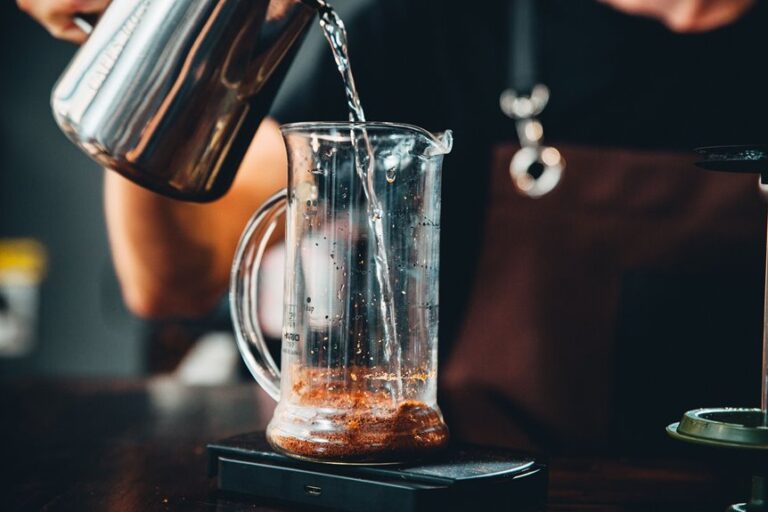
Coffee blooming is like a tiny morning gasp from your grounds. When you pour a little hot water over fresh coffee, the beans release trapped gas and puff up, which helps the rest of the water soak in more evenly. If you’ve ever wondered why some brews taste sharp or flat, this simple pause can change a lot. Next, you’ll see why freshness, roast level, and your pour all matter more than you might suppose.

Coffee Extraction and Its Effect on Taste

taste influenced by extraction

When you brew coffee, you are guiding a tiny flavor alteration. Grind size, water temperature, and brew time all shape what ends up in your cup, and each factor can influence taste in a different direction. A finer grind can extract bold hints quickly, while a coarser grind often results in a cleaner and lighter flavor. If you have ever wondered why one cup feels flat and another feels rich, the answer begins here, and the next step is where it gets fascinating.

Over-Extracted Coffee: Causes and Signs

over extraction coffee symptoms

When coffee turns bitter like burned toast, your cup is sending you a clue. Over-extracted coffee occurs when water pulls too much from the grounds, resulting in a dry, woody finish and a harsh aftertaste with less sweetness than expected. Fine grinds, slow brewing, excessive coffee, or packed grounds can all lead to this issue. The signs often appear in pour-over and drip coffee in subtle ways you will want to recognize.

What Is Pour Over Coffee?

manual brewing coffee method

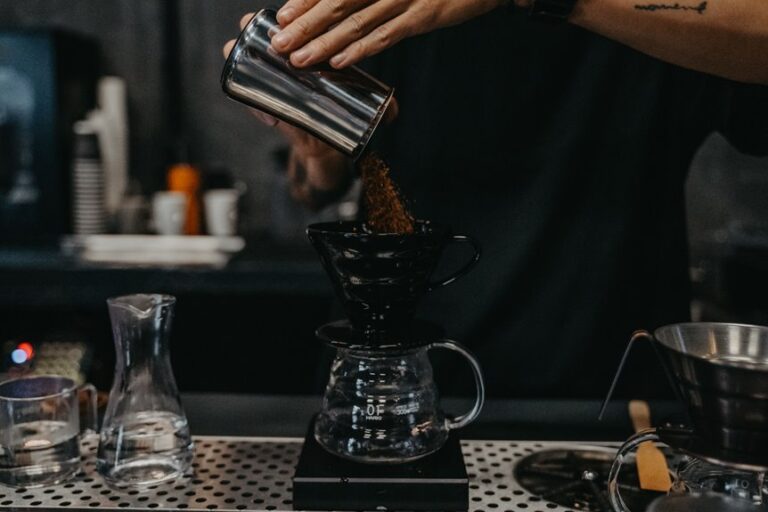
Pour over coffee allows you to take control of your cup in a simple and hands-on way. You place ground coffee in a filter and then carefully pour hot water over it, letting the coffee drip into your mug below. By guiding the water, you can influence the taste and strength more than with many other methods. If you desire coffee that feels clearer, smoother, and more personal, this method offers that opportunity, with more to discover next.

French Press Coffee Characteristics

rich bold full bodied brew

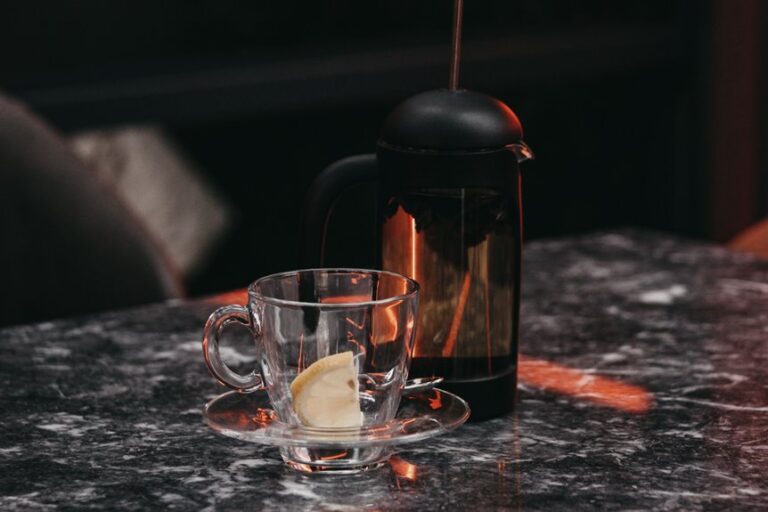
French press coffee offers a brew that feels bold, warm, and slightly rustic in a delightful way. You use coarse grounds, hot water, and a metal filter that allows more oils to remain in the cup, resulting in a rich taste and a full-bodied experience. That smooth, heavy sip may surprise you at first, and the way grind size, ratio, and steep time influence it might alter your brewing approach in the future.