
Brewing coffee is all about fine-tuning the flavors. The grind size, water temperature, and brew time each play a role in what’s extracted into your cup. A finer grind tends to release bold flavors quickly, while a coarser grind offers a cleaner taste. This is why one cup can taste flat and another rich. Understanding these factors can transform your coffee experience.
What Is Coffee Extraction?
Coffee extraction is the quiet magic that turns hot water and ground coffee into the drink you know and love. You’re not just making coffee, you’re joining a simple craft that many people rely on every morning.
In coffee chemistry, water pulls out oils, acids, and other soluble parts from the grounds. That’s the extraction process. As you brew, heat, time, grind size, and water contact all work together. Once you grasp this, you can feel more confident with each cup.
You don’t need fancy gear to belong here, either. You only need curiosity and a little practice. So, as you hear “extraction,” envision it as the moment your beans share their best qualities with your mug.
Why Coffee Extraction Changes Flavor
As soon as water meets the grounds, it starts pulling out flavor, and that’s where the taste in your cup begins to shift. You notice coffee chemistry at work as flavor compounds move into the brew at different rates.
Some create bright acidity balance, while others bring sweet body, and a few late arrivals add bitter hints. That mix shapes your sensory perception and gives each cup its own taste profiles.
Whenever your brewing techniques change, extraction efficiency changes too, so the same beans can feel lively one day and flat the next. You don’t need to chase perfection alone; you just need to understand why one sip feels smooth and another feels sharp.
Subsequently, you can brew with more confidence and enjoy the cup you’ve made.
The Four Variables That Drive Extraction
You can change how your coffee tastes through adjusting a few key variables, and grind size is one of the biggest ones.
A finer grind lets water pull flavor faster, while a coarser grind slows that process down, so brew time starts to matter immediately.
As you match grind size with the right brew time, you get closer to a cup that tastes balanced instead of bitter or weak.
Grind Size
Grind size changes how fast water can pull flavor from your coffee, so it sits at the center of a great cup. Whenever you choose the right size, you help your brew feel balanced and welcoming, like it was made for your morning.
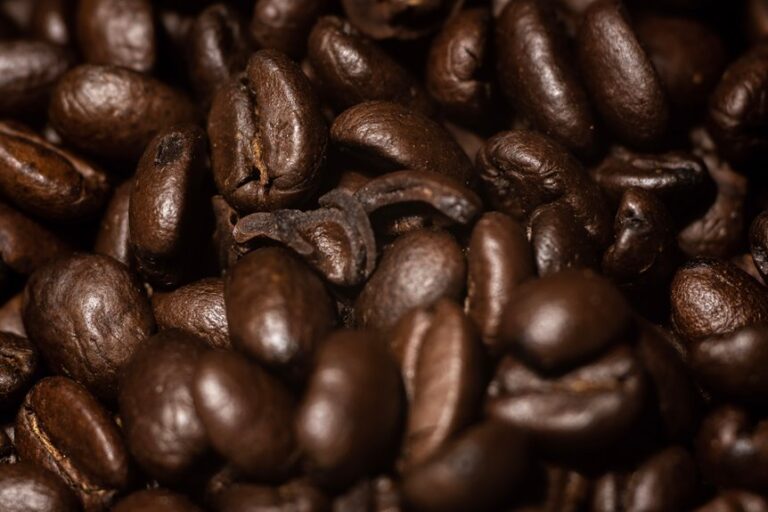
Fine grounds give water more surface to touch, while coarse grounds slow things down. That’s why grind consistency matters so much. You want each particle close in size, because grind uniformity helps your coffee taste steady instead of sharp or hollow.
- Fine grinds suit stronger extractions.
- Medium grinds often feel smooth and friendly.
- Coarse grinds can soften bold edges.
- Even grinding helps you trust every sip.
Brew Time
Brew time works hand in hand with grind size, because even the best grounds need the right amount of water contact to shine. As you dial it in, you protect extraction balance and keep your cup welcoming, not harsh. Shorter brews often taste bright and thin, while longer ones can turn heavy or bitter. You can match time with brew ratios to guide flavor without chasing perfection alone.
| Brew time | What you taste | What to adjust |
|---|---|---|
| Short | Sour, light | Brew longer |
| Balanced | Sweet, clear | Keep steady |
| Long | Bitter, dry | Brew faster |
If your coffee feels off, don’t panic. You’re not behind, you’re just tuning the recipe with the rest of your coffee crew.
How Grind Size Affects Extraction
Grind size changes how much surface area your coffee gives the water, so it has a big say in how fast extraction happens.
Whenever you grind finer, you expose more coffee and the brew pulls flavor more quickly, while a coarser grind slows things down and can leave the cup weaker.
Should you match the grind to your brew method, you give yourself a much better shot at a balanced, tasty cup.
Grind Size And Surface Area
A tiny change in coffee grounds can shift your whole cup. Whenever you change grind size, you also change coffee surface, and that affects how much water can touch each piece.
More surface means faster flavor release, so your brew can feel lively and full. Less surface slows things down, which can help you feel calm and in control at the counter.
- Smaller pieces invite more contact.
- Bigger pieces give water less to work with.
- Even particles support extraction uniformity.
- Uneven particles can make your cup feel scattered.
Coarser Vs Finer Grinding
As you move toward a coarser grind, water has a harder time reaching the coffee’s inner flavors, so extraction slows down and the cup can taste lighter, cleaner, and sometimes a little sharp should you stop too soon.
Whenever you choose a finer grind, you give water more surface to work with, and that can pull out deeper sweetness and body.
Still, should the grind get too fine, the brew might turn harsh or crowded, and your flavor balance can slip away.
That’s why grind consistency matters so much. It helps you feel steady, not guessing with every cup.
So, as you’re dialing in your coffee, trust small changes and notice how your cup responds.
You’re not alone in this. You’re learning the language of your beans, one careful adjustment at a time.
Matching Grind To Brew
The right grind size can change your coffee more than you might expect, because it decides how fast water can pull flavor from the grounds.
Whenever you match grind to your brew method, you help your cup feel balanced and welcoming, not sharp or flat.
- Use a fine grind for espresso, where pressure needs quick extraction.
- Use a medium grind for drip, which gives steady flow and clean taste.
- Use a coarse grind for French press, so water doesn’t overwork the coffee.
- Check brew ratios and water quality, because both shape how your grind behaves.
Should your coffee taste sour, go finer. Should it taste bitter, go coarser.
Small changes can feel personal, like joining a better coffee routine with friends who get it.
How Water Temperature Changes Extraction
As water gets hotter, it pulls flavor from coffee faster and more completely, which can make your cup taste stronger, brighter, or even a little harsh should you go too far. You can use that heat to your advantage whenever you want a lively brew that feels open and clear.
Cooler water works more slowly, so it often leaves you with a softer cup that might taste underdone in case the water chemistry and extraction kinetics don’t line up well. That’s why your kettle matters as much as your beans.
Whenever you keep the temperature in a steady range, you help the flavors come together in a way that feels balanced and familiar, like the cup was made for you.
How Brew Time Changes Extraction
A longer brew time gives water more chances to reach the coffee’s deeper flavors, which can make your cup taste richer, fuller, and more complete.
As you watch brew duration, you help the grounds share their best flavors with you. That steady pace supports extraction balance, so you and your coffee feel in sync.
- Shorter brews can feel bright and quick.
- Longer brews can pull more sweetness and body.
- Your grind size changes how fast water moves.
- Your favorite cup comes from a brew you trust.
Underextracted vs. Overextracted Coffee
As brew time changes, so does the balance in your cup, and that balance helps explain underextracted vs. overextracted coffee. Underextracted coffee can taste sour, thin, or sharp. Overextracted coffee can feel bitter, dry, and heavy. You deserve flavor profiles that feel clear and inviting, not confusing.
| Type | What You Taste |
|---|---|
| Underextracted | Sour edge |
| Underextracted | Weak body |
| Overextracted | Bitter finish |
| Overextracted | Dry mouthfeel |
| Balanced | Sweet clarity |
When you notice these signs, you can name what’s off with confidence. That helps you stay connected to your coffee routine and trust your own taste balance. Even small shifts in extraction can change the whole cup, and that’s part of the fun.
How to Dial In Coffee at Home
Dialing in coffee at home starts with paying close attention to what your cup is telling you. You don’t need fancy gear to belong in the coffee crowd; you just need patience and a few smart tweaks.
Start with your coffee preferences, then match your brewing techniques to the flavor you want.
- Taste initially, then adjust one thing at a time.
- Should it seem sharp, grind a bit finer.
- Should it taste heavy, use less coffee or brew longer.
- Keep observations so you can repeat wins.
Small changes help you spot what works and what doesn’t.
Whenever you listen to each sip, you’ll build confidence fast, and your kitchen will feel like your own little coffee shop.
How Brew Methods Change Extraction
Your brew method shapes extraction from the very initial drop, so the same beans can taste bright in one cup and heavy in another.
Whenever you use brewing techniques like pour-over, immersion, or espresso, you guide water, time, and pressure in different ways.
Pour-over often pulls clean, lively flavor profiles because water moves fast through the grounds.
Immersion gives water more time to soak, so you get fuller body and softer edges.
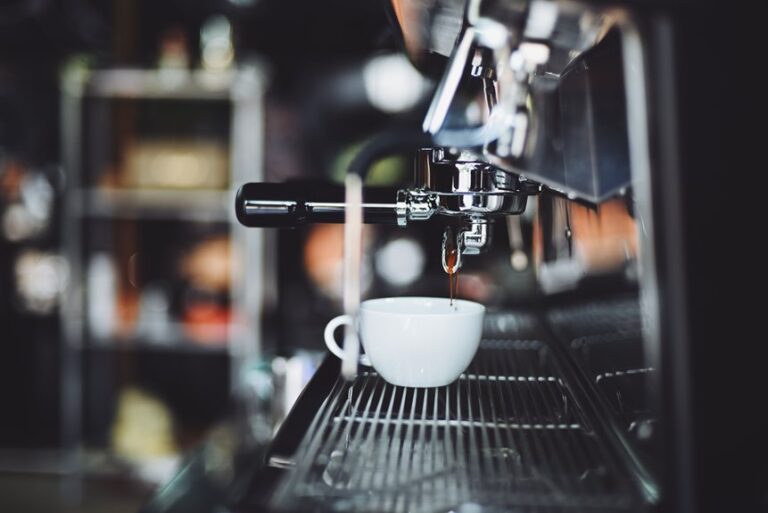
Espresso uses pressure to grab strong flavors in seconds, which can feel bold and intense.
Because of that, you and your coffee crew can pick a method that fits your mood.
Should you want clarity, choose one path; should you want richness, choose another.
Small changes really do steer taste.
Frequently Asked Questions
How Does Bean Freshness Affect Extraction?
Fresher beans extract more evenly. Aged beans lose gases and aromatics, resulting in a flatter flavor. The age of the beans and their storage conditions are important. Keep them sealed, cool, and dry to ensure better brewing results.
Does Water Mineral Content Change Coffee Extraction?
Yes, it does. You will notice that minerals assist in extraction, enhancing sweetness and clarity. Adjust water temperature and grind size together, and you will brew with the crew, enjoying balanced and fuller coffee instead of flat and sour cups.
Can Roast Level Alter Extraction Speed?
Yes, roast level does alter extraction speed. Darker roasts extract faster while lighter roasts need more time. Isn’t it reassuring whenever you can fine tune roast intensity for better flavor balance and brew with your people?
How Does Pressure Influence Espresso Extraction?
Pressure plays a crucial role in shaping espresso by pushing water through the coffee grounds. This process enhances extraction efficiency and allows for variations in pressure. As you adjust it, you achieve a fuller body, balanced sweetness, and a brew that aligns perfectly with your ritual.
Why Does Agitation Change Coffee Flavor?
Agitation changes coffee flavor because it helps you extract more evenly, making your cup feel more balanced and lively. By using different agitation techniques, you can shape flavor profiles and discover the brew style that suits your group.