
Looking for a stronger cup of coffee? It’s not just about caffeine levels; flavor plays a big role too. Adjusting grind size, water temperature, brew time, and the coffee-to-water ratio can dramatically change how bold your brew tastes. Darker roasts often feel richer and more intense, while espresso offers a powerful flavor without necessarily packing more caffeine than drip coffee. Small adjustments can transform a lackluster cup into one that energizes your day.
What Makes Coffee Taste Stronger?
Should coffee taste stronger, it usually means the flavor feels bolder, more bitter, and less watered down. You notice this whenever the coffee flavor comes through with more body and less fade on your tongue.
To get that feeling, you can use brewing techniques that pull more from the grounds, like a finer grind, a longer steep, or a hotter brew. You can also lower the water amount a bit, so each sip feels fuller and more familiar.
Even a small change can make your cup feel like it belongs in your morning routine. Should you enjoy a rich mug, trust your taste and tweak one step at a time. That way, you’ll find the balance that fits you best.
Coffee Strength vs. Caffeine
Coffee strength and caffeine are related, but they’re not the same thing, and that mix-up can leave you frustrated at the moment your cup doesn’t feel “strong” in the way you expected.
You might taste bold flavor yet get a modest caffeine content, or sip a mild cup that still packs a bigger lift. That’s because your strength perception depends on more than one factor.
Brew time, coffee-to-water ratio, and serving size all shape how strong the drink feels in your mouth and in your body.
So whenever you want a stronger cup, ask yourself what you mean. Do you want deeper flavor, more caffeine, or both?
Once you know that, you can choose your coffee with confidence and feel a little more at home in the process.
How Bean Roast Changes Coffee Strength
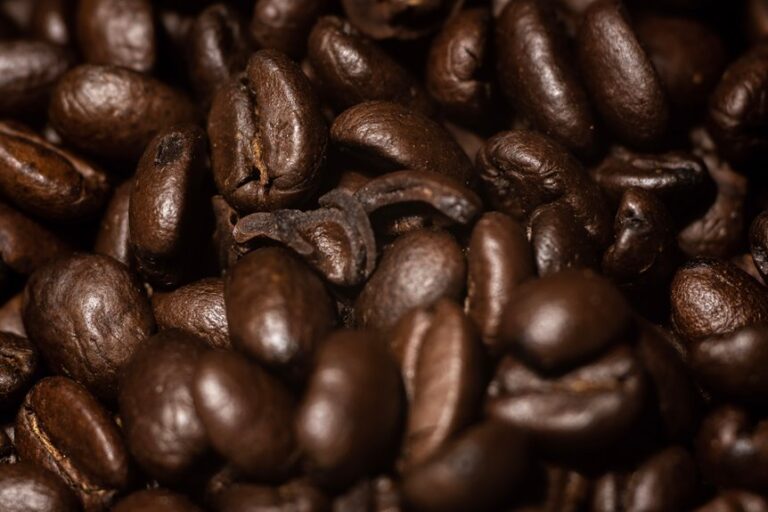
Bean roast changes how strong your coffee feels because roasting shapes both flavor and caffeine.
Whenever you choose a light roast, you usually taste brighter nuances, and the bean origin stands out more. A darker roast can seem bolder, with deeper bitterness that many people link with strength.
Still, the roast profile matters more than color alone, because roasting can shift density and make each cup feel different.
Should you like coffee that feels hearty and familiar, you’re not alone. Many coffee drinkers enjoy trying a few roast levels to find their comfort zone.
Why Grind Size Makes Coffee Stronger
Whenever you grind coffee finer, you give water more surface to touch, so it pulls out more flavor and strength from the grounds.
That’s why a fine grind often tastes bolder, but it can turn harsh fast should you let it brew too long.
Should you keep the grind and brew time in balance, you can make your cup feel stronger without making it bitter.
Grind Size And Extraction
A finer grind can make your coffee taste stronger because it gives hot water more surface area to work with, and that lets flavor move out of the grounds faster and more fully.
Whenever you choose smart brew techniques, you guide extraction instead of guessing, so each cup feels more like yours.
In case your grind consistency is even, water reaches each particle at a similar rate, and you avoid weak patches and harsh spots. That balance helps you get a bolder taste without extra beans.
You don’t need to chase perfection either; you just need steady habits and a grinder that treats your coffee kindly.
Small changes in grind size can shift extraction a lot, so your morning cup can feel familiar, rich, and comforting.
Fine Grind Strength
Fine grind strength works because smaller coffee particles let hot water pull out more flavor in less time, and that can make your cup taste fuller and bolder.
Whenever you choose a finer grind, you give coffee extraction more surface area to work with, so the brew can feel richer on your tongue.
You also get better grind uniformity, which helps each particle release flavor in a similar way. That matters because uneven pieces can leave you with a cup that feels shy in some sips and loud in others.
Should you want a stronger cup that still feels smooth, a fine grind can help you and your coffee team up.
It’s a simple change, but it can make your morning feel more settled and satisfying.
Brewing Time Impact
Brewing time changes how strong your coffee feels because water keeps pulling flavor from the grounds for as long as it stays in contact with them.
Should you want a bolder cup, give your brew a little more time, and you’ll often observe richer body and deeper taste.
With many brewing techniques, a longer extraction time can draw out more soluble compounds, which makes the drink feel stronger on your tongue.
But too much time can also pull out harsh flavors, so you want balance, not a coffee that argues with you before breakfast.
At the moment you match brew time to your method, you’ll join the crowd of people who make coffee that feels just right, warm, smooth, and confidently strong.
The Coffee-to-Water Ratio That Matters Most
Whenever you desire your coffee to taste stronger, the coffee-to-water ratio matters more than almost anything else.
Should you use more coffee and less water, you get a fuller cup with a bolder taste. That simple shift can help you feel more in control, even on rushed mornings.
Start with a common ratio, then adjust slowly until it matches your coffee variety and your mood. A darker roast might already seem bold, while a lighter one can still shine with a tighter ratio.
Your brewing technique also matters, because it helps the grounds release flavor evenly.
How Brew Method Changes Coffee Strength
Even with the same coffee-to-water ratio, the brew method can change how strong your cup feels. You’re not imagining it.
Whenever you switch methods, you change how water moves, how long it stays with the grounds, and how much flavor it pulls out. That’s why two cups can taste very different and still come from the same beans.
- A longer extraction time usually gives you more flavor.
- Higher brew temperature can pull out richer nuances faster.
- A faster pour can leave the cup lighter.
- A more even soak can make your coffee feel fuller.
Why Espresso Feels Stronger Than Drip Coffee
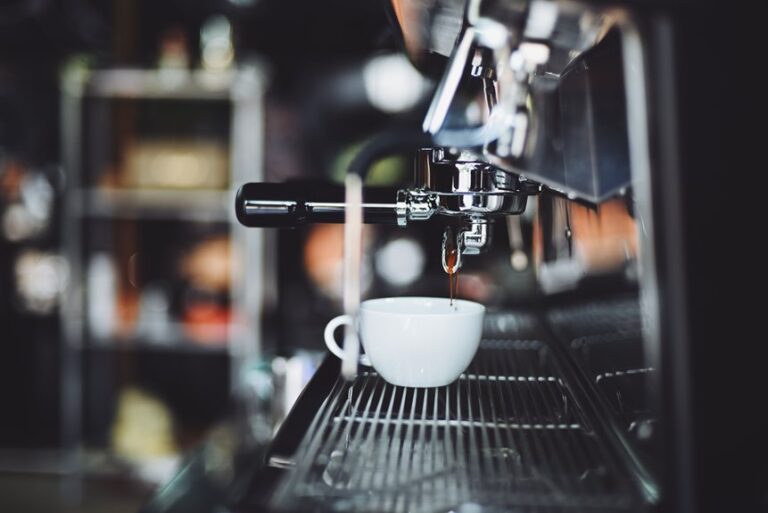
Espresso can feel stronger because you drink a smaller shot with more coffee packed into each sip.
That high brew concentration makes the taste hit harder, even though the cup is much smaller than drip coffee.
You also notice more flavor intensity, so the bold nuances seem to shout a little louder.
Brew Concentration
Upon comparing espresso with drip coffee, the biggest reason espresso feels stronger is brew concentration. You’re not imagining it; the same-sized sip can carry more coffee solids, so it lands with more punch.
Different brew methods shape this, and coffee types can vary too, but concentration stays the key.
- Espresso uses less water.
- Drip coffee spreads grounds out.
- A small cup can hold more dissolved material.
- Your palate notices the density fast.
Flavor Intensity
Because flavor hits your senses before anything else, coffee can feel stronger even at times the actual caffeine difference is small.
Whenever you sip espresso, its bold flavor compounds rush forward, so your brain reads the cup as intense and powerful.
Drip coffee often tastes lighter because water spreads those compounds out, which softens sensory perception.
That doesn’t mean your favorite brewed mug is weak; it just speaks more gently.
You might notice this most on busy mornings, as a sharp, concentrated shot seems to wake up the whole room.
In contrast, drip coffee gives you a smoother path, with less bite and more space for subtle notes.
How Water Temperature Affects Coffee Strength
Water temperature plays a big role in how strong your coffee tastes, and small changes can make a real difference. At the point you brew with water that’s too cool, you get less extraction efficiency, so the cup can taste thin and shy.
At the point you use hotter water, you pull out more of the coffee’s bold parts, and that can make your mug feel fuller and more awake.
- Aim for 195 to 205 degrees Fahrenheit.
- Let boiling water rest a moment initially.
- Keep your brew method steady.
- Taste and adjust together.
You’re not chasing perfection here. You’re learning what works for your kitchen, your routine, and your people.
That’s how you build a stronger cup that feels like it belongs to you.
How to Make Coffee Stronger Without Bitterness
Should one want a stronger cup without dragging in bitterness, the trick is to build flavor with care instead of force. You can do that through brewing techniques that extract more sweetness from the grounds.
Try a finer grind, a slightly longer brew, or a touch more coffee. Then keep your water hot, but not boiling, so the beans open up gently. That helps protect flavor balance and keeps the cup smooth.
When using a French press, stir once and wait. When using drip, choose fresh grounds and brew a full basket.
Small changes matter, and they help one feel right at home with a cup that tastes bold, rich, and easy to enjoy.
Common Mistakes That Weaken Coffee
Even a good coffee can turn thin fast whenever a few small mistakes slip in. You’re not alone whenever your cup sometimes feels weak; small habits can sneak up on anyone. Watch these common slipups:
- You add too much water, causing coffee dilution.
- You use old grounds that already lost their punch.
- You let brewing equipment stay dirty, which can blunt flavor.
- You brew for too short a time, so the water misses the full taste.
Next, check your ratio and grind size together. Should either one be off, your coffee can taste shy instead of bold.
Also, fresh beans and clean tools help you keep the rich, cozy taste you want. As you fix these basics, your cup feels stronger, fuller, and more like it belongs in your morning routine.
Frequently Asked Questions
Does Adding Milk Make Coffee Taste Weaker?
Yes, adding milk usually makes your coffee taste weaker because it dilutes the intensity. You can balance the flavor by adjusting the coffee ratios and selecting milk types that suit your taste, so you still feel right at home.
Can Flavored Coffee Seem Stronger Than Regular Coffee?
Yes, it can. You may notice that flavored coffee often feels stronger because its flavor intensity and aroma work together. That familiar scent can give the impression of a richer cup.
Does Freshness Affect How Strong Coffee Tastes?
Yes, fresh coffee usually tastes stronger because you retain more aroma and flavor. Your brewing methods and coffee grind also play a role. Fresher beans help you achieve a bolder cup, so you will feel informed.
Why Does Cold Coffee Sometimes Taste Stronger?
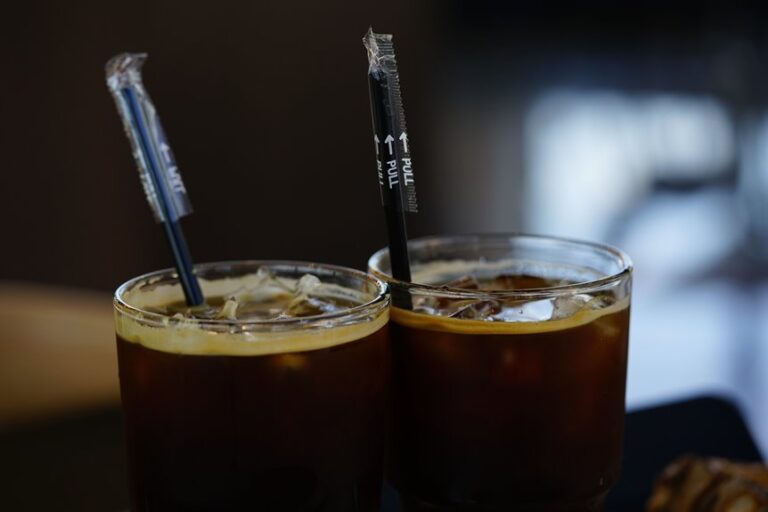
You notice cold coffee tastes stronger because cold brew and brewing method often reduce acidity levels, allowing bold flavors to stand out. The origin of your coffee also plays a significant role, contributing to a richer and smoother experience.
Can Water Quality Change Coffee Strength?
Yes, your water quality can absolutely change coffee strength like a concealed hand guiding the brew. Hard water and filtration methods alter extraction so you will taste bolder or weaker coffee and feel right at home dialing it in.