
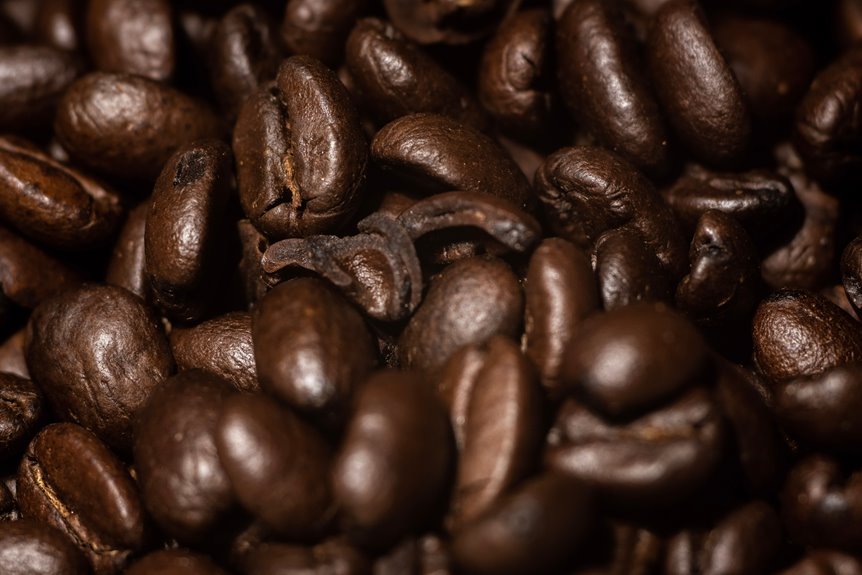
Coffee beans go through fascinating changes as they roast. Initially, they dry out before entering the Maillard stage, where sweetness and color start to develop. Each crack during roasting shifts the flavors, body, and brightness of the coffee. The roast level you select influences how lively, smooth, or bold your brew tastes. Understanding these stages can elevate your coffee experience significantly.
Coffee Roasting Stages Explained
At the moment you initially hear about coffee roasting stages, it can feel a little mysterious, but the process is easier to understand than it sounds. You move from raw green beans to rich, fragrant coffee through careful heat and timing.
Firstly, you notice that different coffee bean varieties react in their own way, so you pay attention to color, smell, and sound. Then you use roasting equipment to control the heat and keep the batch steady.
As the beans change, you follow each stage with calm focus, because small shifts can shape the final cup. Once you learn the order, you feel more confident, and roasting starts to feel like a shared craft instead of a secret.
What Happens in the Drying Stage?
During the drying stage, you watch the beans lose moisture as heat pulls water out from the inside.
As that happens, their color starts to shift from green toward a yellow, more toasted look.
This initial change sets up the rest of the roast, so it’s a quiet but crucial moment.
Moisture Evaporation
The drying stage is the coffee bean’s quiet warm-up, and it matters more than many people realize. You help the beans shed surface water initially, so heat can move through them evenly. Good moisture retention keeps them steady, while smart evaporation techniques keep the roast from racing ahead.
- You’ll notice the beans feel less damp as they breathe out water.
- You can use steady airflow to guide moisture out without stress.
- You create a smoother path for the next roasting step.
When you manage this stage well, you join a calm rhythm that other roasters value too. The beans don’t need pressure; they need patience, balance, and a little trust.
That’s how you set up a roast that feels right from the outset.
Bean Color Change
A bean’s color change is one of the clearest signs that the drying stage is working. You’ll see pale green shift to yellow, then to a light tan as heat moves through the bean.
This bean alteration tells you water is leaving and the roast is getting ready for deeper change. The color significance matters because it helps you judge timing without guessing.
Should the beans stay too green, they’re still wet inside. Should they turn unevenly, your heat could be too high or too low.
You’re not just watching color; you’re reading the bean’s story. That makes you part of the process, not just an observer.
Stay patient, and you’ll notice how each shade brings you closer to a balanced roast.
How Maillard Reactions Develop Flavor
As heat slowly works through the coffee bean, Maillard reactions begin turning plain green seeds into something rich, warm, and deeply inviting. You’re tasting Maillard chemistry at work, as flavor compounds build, roast for roast. At certain roasting temperatures, amino acids and sugars react, and aroma development starts to bloom like a shared secret.
- You’ll notice sugar caramelization adding sweetness and depth.
- You’ll feel texture changes that make the bean seem less grassy and more rounded.
- You can use sensory evaluation to guide your roast profile, while watching acidity balance and bitterness factors stay in harmony.
Because these reactions shape the cup’s heart, you can trust your senses and feel more at home with every batch.
What First Crack Means for Coffee Roasting?
Once those Maillard flavors start building, you’ll soon hear initial crack, which is the bean’s loud signal that roasting has moved into a new stage. That sound can feel exciting, because you’re not just hearing beans pop, you’re joining a moment every roaster knows.
| Cue | What it means |
|---|---|
| Sharp popping | Moisture is escaping fast |
| Even rhythm | Heat is moving well |
| Quiet gap | You might need to adjust crack timing |
First crack significance is simple: your coffee is shifting from drying and browning into active development. You can trust your senses here. Listen closely, stay calm, and notice the tempo. As the crack starts, you’re reading the roast with others who care about the same cup. That shared awareness helps you feel confident, connected, and ready for the next step.
Light, Medium, and Dark Roast Flavor Profiles
Light, medium, and dark roasts each tell a different flavor story, and you can taste that shift from the very initial sip.
Whenever you pick a light roast, you get brighter aroma profiles and a crisp, lively cup that feels open and fresh.
A medium roast often feels like the friend everyone trusts, because it balances sweetness, comfort, and depth.
Dark roast brings bolder, smokier tones that can feel cozy on a rainy morning.
- Light roasts shine with delicate detail.
- Medium roasts give you a smooth middle ground.
- Dark roasts wrap you in a richer finish.
With brewing techniques, you can guide these flavors and make your cup feel like it truly fits you.
That little reminder matters.
How Coffee Roasting Time Shapes Acidity and Body
As you roast coffee longer, you usually lower its bright acidity and bring out a smoother, deeper taste.
At the same time, body starts to build, so the cup can feel fuller and richer on your tongue.
As you notice these changes, you can better match roast time to the style you enjoy most.
Roast Time And Acidity
As roast time stretches a little longer, coffee often gives up some of its sharp, bright edge and starts to feel fuller and rounder on your tongue. You can use roast duration to fine-tune acidity balance so the cup matches your mood and your crew.
Whenever you roast a bit longer, lively fruit hints might soften, and the flavor can feel calmer and easier to sip. That shift helps you choose a roast that feels like it fits your day.
- Shorter roasts keep acidity vivid and crisp.
- Medium roasts bring balance without losing spark.
- Longer roasts reduce sharpness and make the cup gentler.
If you like coffees that feel friendly and easy to share, watch the clock closely. A small change in time can move the cup from zippy to mellow fast.
Body Development During Roasting
As the roast runs longer, the beans usually build more body, which is the heavier, more filling feel coffee leaves on your tongue. You’ll notice this shift as the bright edge softens and the cup starts to feel rounder and steadier.
That change matters because body texture helps you feel connected to the coffee, not just awake from it.
As heat keeps working, the sugars and oils move in ways that deepen the roast aroma and give the brew a fuller mouthfeel.
Should you like a coffee that feels warm and welcoming, a longer roast can give you that cozy weight without losing all life in the cup. You can taste the balance when acidity stays present but no longer leads the whole show.
That’s where many people find their favorite comfort zone.
What Second Crack Means for Dark Roasts?
Once coffee reaches second crack, you’re stepping into the deepest part of the roast, and that’s where dark roast flavor really starts to take shape. At this stage, your roast intensity climbs fast, and the beans shift toward bold, smoky flavors.
You might lose some brightness, but you gain a deeper, rounder cup that feels familiar and comforting.
- You’ll observe oils on the surface, which can signal a richer profile.
- You’ll taste less fruit and more toasted sweetness.
- You’ll feel a fuller body that many dark roast fans love.
When you listen for second crack, you join a group of roasters who value timing and flavor complexity. That shared moment can make your coffee feel personal, warm, and proudly yours.
Common Coffee Roasting Mistakes
Even careful roasters hit a few bumps initially, and that’s part of learning the craft. You’re not alone if coffee tastes flat, smoky, or harsh. Common coffee roasting mistakes often start with uneven heating, which leaves some beans pale and others scorched. You could also keep the roast too long and end up over roasting beans, which hides the bright hints you worked for.
| Mistake | What you notice | Quick fix |
|---|---|---|
| Uneven heat | Mixed color | Stir or rotate more |
| Too much time | Bitter cup | Shorten the roast |
| Fast heat jump | Burnt edges | Raise heat slowly |
| Weak airflow | Stale smell | Improve ventilation |
| No tracking | Surprise results | Record each batch |
As you watch color, smell, and sound, you join a crew of roasters who learn together and get better every batch.
Choosing a Roast by Flavor Preference
How do you choose a roast that actually fits your taste? You start by noticing what makes you feel at home in a cup.
Should you love bright, fruity coffee, try a light roast. It keeps more flavor subtleties and lively aroma characteristics.
In case you want balance and warmth, choose a medium roast. It usually brings sweet, nutty hints without losing the bean’s character.
When you crave deep, bold comfort, go darker. It can taste smoky, rich, and a little chocolaty.
- Light roast: bright and lively
- Medium roast: smooth and balanced
- Dark roast: bold and cozy
Then, trust your own palate. You’re not trying to impress a crowd; you’re finding your cup.
Start small, taste slowly, and let each sip tell you where you belong.
Frequently Asked Questions
How Does Bean Origin Affect Roasting Outcomes?
Bean origin shapes how you roast. You are working with origin characteristics that guide heat, timing, and development. Different flavor profiles emerge, allowing you to tailor your approach and still feel connected to every cup you create.
Can Roasting Equipment Change Flavor Consistency?
Yes, your roasting equipment can absolutely change flavor consistency almost like magic. You will achieve steadier results whenever you match roasting techniques to your machine. This helps your flavor profiles remain reliable and your community’s cups feel familiar.
Does Bean Size Alter Roast Development Speed?
Yes, bean size can alter roast development speed, and you will notice this most during the time when bean density and roast time shift. You are not alone. Smaller beans often heat faster while larger ones require more care.
How Should Roasted Beans Be Stored After Cooling?
You should store cooled roasted beans in airtight storage containers, away from light, heat, and moisture to protect flavor retention. Let your coffee crew enjoy fresher and richer cups by using them within two weeks.
What Signs Indicate a Roast Is Underdeveloped?
You will notice an underdeveloped roast when the beans smell like damp toast, taste grassy or sour, and appear pale inside. These indicators of underdevelopment and a weak roast aroma suggest that the beans need more heat and time.