
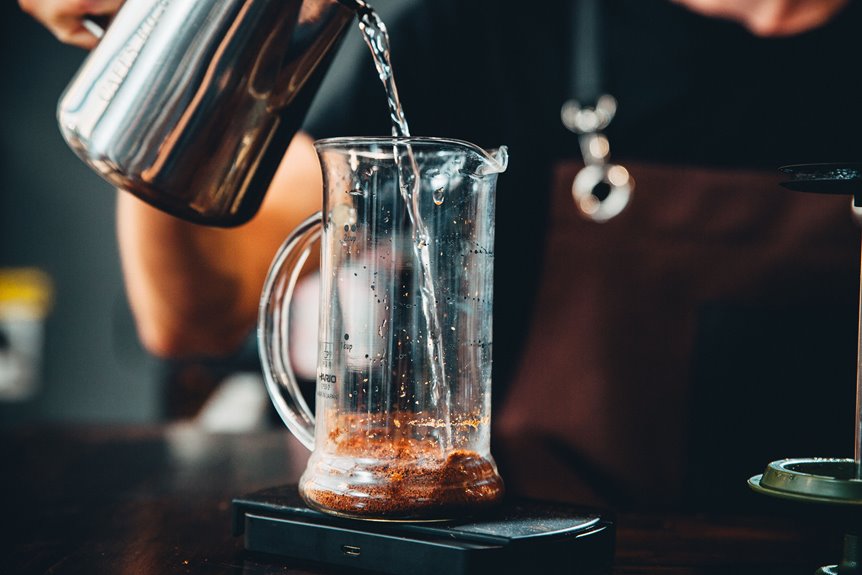
Pour over coffee is a method that allows you to craft your perfect cup with ease. It involves placing coffee grounds in a filter and gently pouring hot water over them. This hands-on approach gives you control over the brewing process, influencing the flavor and strength of your coffee. Many find that pour over produces a cleaner, smoother taste compared to other brewing techniques. For those who appreciate a more personalized coffee experience, this method offers plenty of room for experimentation.
What Is Pour Over Coffee?
Pour over coffee is a simple brewing method that gives you more control over every cup. You pour hot water manually over ground coffee, and it drips through a filter into your mug.
This process lets you shape the brew with small changes in water flow, grind size, and timing. Because of that, you can investigate different brewing techniques and notice how each one alters your cup.
Some setups feel calm and steady, while others ask for a little practice. Either way, you stay in charge. It’s a great fit whenever you want coffee that feels personal and easy to learn.
As you get comfortable, you’ll also start to notice flavor profiles that match your taste and make each morning feel more like yours.
Why Pour Over Coffee Tastes So Clean
You’ll notice pour over coffee tastes so clean because you control the water flow with care, which lets the grounds extract evenly instead of turning harsh or muddy.
That steady pour helps each part of the coffee release at the right pace, so the cup stays bright and balanced.
Then the filter steps in and traps fine particles and oils, giving you a smooth finish that feels crisp and clear.
Controlled Water Flow
As hot water moves slowly and evenly through the coffee grounds, it helps pull out the best flavors without dragging along the bitter stuff. You stay in control, and that control makes each cup feel like it was made for you.
With steady water distribution, every part of the coffee gets a fair chance to bloom. That balance keeps the brew time on track, so your coffee doesn’t rush or stall.
- You pour in a calm circle.
- You keep the flow steady.
- You let the grounds guide the pace.
When you do this, you create a clean, smooth cup that feels welcoming from the initial sip. It’s a simple rhythm, and once you find it, you’ll feel right at home with it.
Filter Clarity
A good pour over tastes so clean because the filter catches the tiny bits that would cloud the cup. You can taste that extra lift right away, like the coffee finally got room to breathe.
Different filter materials change brew clarity, too. Paper traps more oils and fine grounds, so your cup feels bright and crisp. Metal lets more body through, which can feel fuller but less polished. Cloth sits in between, giving you a smooth middle ground.
Because the filter works so quietly, you get a cup that feels calm, balanced, and easy to enjoy. Should you love coffee that feels neat and friendly on the tongue, this style gives you that clean finish without fuss. It’s like your mug showed up dressed for the occasion.
Pour Over Coffee Gear You Need
You don’t need a huge setup to make great pour over coffee, but the right gear makes each cup easier and more consistent.
Start with a coffee dripper that fits your style, then add a sturdy kettle, a scale, and a good filter to keep control in your hands.
With just a few smart tools, you’ll feel more confident and get better coffee without making the process feel fussy.
Coffee Dripper Options
As you start brewing pour over coffee, the dripper does most of the quiet work, so picking the right one can make the whole process feel much easier.
You’ll find dripper materials like ceramic, glass, metal, and plastic, and each one changes heat retention and flavor profiles a bit. To keep your cup steady, match the dripper to your brewing techniques and your water quality.
Then focus on grind consistency, because even a small mismatch can slow brewing time or make the coffee taste sharp.
- Choose cone shapes for a cleaner cup.
- Try flat bottoms for fuller body.
- Pick filter types that fit your routine.
Because you’re building your own coffee habit, these coffee accessories should feel friendly, simple, and easy to trust.
Essential Brewing Accessories
Once your dripper is set, the rest of your pour over coffee gear helps turn a good routine into a calm, repeatable one.
You’ll want a gooseneck kettle, because it gives you steady control over the water flow, and that control matters for brewing techniques that bring out balance. A digital scale helps you measure coffee and water, so you can brew the same cup again tomorrow.
Choose a timer, too, since timing keeps your pour on track without stress. You can also keep a paper filter and a sturdy mug nearby, so everything feels ready before you start.
These coffee accessories don’t just make brewing easier; they help you feel like you belong in the pour over crowd, one careful cup at a time.
Popular Pour Over Coffee Drippers
As you start looking for a pour over dripper, the choices can feel a little overwhelming, but a few popular models stand out for good reason. You’ll see popular dripper brands like Hario, Kalita, and Chemex leading pour over trends because they feel familiar, reliable, and easy to share with friends.
Should you want a simple feel, try these:
- Hario V60 for bright cups
- Kalita Wave for steady flow
- Chemex for a clean, polished look
Each one fits a different vibe, so you can choose the dripper that matches your kitchen and your coffee crew.
Once you pick one, you’re joining a group of people who care about the same small, comforting ritual. That little connection can make your morning cup feel a lot more yours.
How to Make Pour Over Coffee
Provided that you’ve got your dripper, filter, and coffee ready, making pour over coffee is easier than it looks, and it can feel almost calming once you get the rhythm.
Start by placing the filter in the dripper and rinsing it with hot water so your cup stays clean and warm. Add your coffee grounds, then pour a little water over them to let them bloom. This initial step wakes the coffee up and helps release trapped gas.
Next, pour in slow circles, keeping the water level steady. You’ll notice how different brewing techniques shape the cup, bringing out bright or smooth flavor profiles.
Should you stay patient and keep a steady hand, you’ll make a cup that feels like yours.
Choose the Right Coffee Grind
You want a medium-fine grind for pour over because it helps water flow at the right speed and pulls out a clean, balanced flavor.
Should the grind be too coarse, your coffee can taste weak, and should it be too fine, it can turn bitter and slow the brew down.
Start there, then adjust a little at a time until your cup tastes just the way you like it.
Grind Size Basics
Grind size is the quiet hero of pour over coffee, because it shapes how water moves through the grounds and how much flavor ends up in your cup.
Whenever you choose the right coffee grind, you join a steady, welcoming ritual. Start with these basics:
- Pick grind types that fit pour over, not espresso.
- Keep grind consistency tight so each particle brews evenly.
- Check how your bed looks after brewing and adjust with care.
You don’t need to guess alone. A good grinder helps you feel part of the club, because better texture means a calmer pour and a brighter cup.
In case your grounds look wildly uneven, your coffee can taste off. Small changes matter, and you can make them without stress.
Medium-Fine Grind
A medium-fine grind gives pour over coffee the steady pace it needs, so water can move through the bed without rushing or stalling.
You want each particle to look even, because grind consistency helps the water touch every bit of coffee in the same way. That balance supports better flavor extraction, so your cup tastes clear, sweet, and full instead of thin or bitter.
Should the grind look much coarser, the brew might feel weak. Should it look too powdery, the water can drag and leave you waiting.
Once you choose this middle path, you join a simple rhythm that many home brewers trust. Your pour feels calmer, and your coffee station starts to feel like it belongs to you.
Adjust For Taste
Now that the grind sits in that medium-fine zone, the real art is adjusting it to fit your taste. You’re not chasing a perfect rule; you’re matching the cup to your taste preferences.
Should your brew feel sharp, go slightly finer for better extraction and fuller flavor profiles. Should it taste heavy or bitter, go a bit coarser and let the water move more freely. Your brew techniques matter too, because a steady pour can soften harsh edges and protect acidity balance.
- Taste the initial sip, then observe what stands out.
- Change one small step at a time.
- Keep a quick log so you can repeat wins.
You’ll learn your coffee rhythm faster as you trust your senses and stay patient.
Find the Best Water Temperature
Water temperature can make or break your pour over, and that’s actually good news because it means you have a simple way to improve your cup right away. Aim for water between 195°F and 205°F, which helps your coffee taste balanced and bright.
Should you use very fresh beans, stay near the lower end. Should your water quality be soft or flat, a slightly hotter pour can help the flavors open up. You can also consider brewing altitude, since higher places might need small adjustments for a steady result.
Trust your senses as you work. Should the coffee taste sharp, cool the water a bit next time. Should it taste dull, raise it slightly. With a little care, you’ll feel more at home with every pour.
How Long Should Pour Over Coffee Brew?
So, how long should pour over coffee brew? You’ll usually want a brew time of about 3 to 4 minutes. That window helps you get balanced flavor extraction without dragging out the process.
Should you brew too fast, your cup can taste thin. Should you go too long, it could turn harsh. You’re not alone should this feel tricky at the beginning. Most coffee lovers fine-tune it with a few simple habits:
- Start your timer when the water initially hits the grounds.
- Watch the drip rate, not just the clock.
- Keep your pour steady so the coffee bed stays even.
With a little practice, you’ll find the rhythm that fits your taste. Then each cup feels familiar, warm, and made for you.
How Pour Over Ratios Affect Flavor
Whenever you change your pour over ratio, you change the whole cup. A tighter ratio raises brew strength and can deepen your flavor profile, while a looser one lets brighter flavors shine.
Your bean origin matters here, because fruity beans often need more space to bloom, and heavier beans might want a fuller pour.
Then your grind consistency and brewing technique shape extraction time, so the cup stays balanced instead of thin or harsh.
Water quality also plays a quiet role, since clean water helps the coffee taste clear.
Even coffee temperature matters, because warmer cups reveal sweetness faster.
As you dial in the ratio, you don’t just make coffee; you join a little ritual that feels made for you.
Pour Over Coffee Mistakes to Avoid
Even a small pour over mistake can throw off the whole cup, but the positive aspect is that most of them are easy to fix once you know what to look for. You’re not alone should your brew feel sour, bitter, or flat. These common pitfalls usually come from a few small slips in your brewing techniques.
- Use fresh, evenly ground coffee.
- Pour slowly and keep the water level steady.
- Check your water temperature and avoid rushing the bloom.
When you give each step a little care, you help the coffee open up in a cleaner, sweeter way.
And should your initial cup miss the mark, don’t stress. Every brewer learns by adjusting one detail at a time, and that’s part of joining the pour over crowd.
How Pour Over Compares to Drip Coffee
Pour over coffee and drip coffee both create a familiar morning cup, but they don’t taste quite the same because they don’t brew the same way.
With pour over, you guide hot water manually, so you control the pace and feel more connected to each cup. Drip coffee does the work for you, which feels easy when your day already feels full.
Because of these brew methods, pour over often brings brighter flavor profiles, while drip can taste smoother and heavier. You might notice more detail in pour over, like a clean finish and sharp hints.
Drip often gives you a comforting, steady cup with less fuss. So should you want a little ritual and more control, pour over can feel like your own small coffee club.
Best Coffee Beans for Pour Over
The right beans can make your pour over cup feel clear, lively, and full of flavor. You’ll usually feel happiest with single origin coffee, because its flavor profiles stay bright and easy to read.
Look for roast levels from light to medium, since they keep the tasting characteristics clean and welcoming. Then choose beans from origin regions you enjoy, like Ethiopia for fruit or Colombia for chocolate.
- Check bean freshness so your cup tastes alive.
- Pick a grind consistency that suits your brewing methods.
- Trust your own taste and keep exploring.
When you shop, read the label and listen to what excites you. The right bag can help you feel at home in every pour.
How to Dial In Pour Over Coffee
How do you know at what point your pour over is really dialed in? You taste balance. Should it be sour, grind finer or slow your pour. Should it be bitter, grind coarser or pour a bit faster. Watch brew time, too, because a sweet cup usually lands in the middle, not the extremes. Good water quality matters as much as beans, so use clean, filtered water that lets the flavor shine.
| Clue | What You Change | What You Taste |
|---|---|---|
| Sour cup | Finer grind | More sweetness |
| Bitter cup | Coarser grind | Less harshness |
| Weak cup | More coffee | Fuller body |
You’re not chasing perfection alone. You’re learning your coffee’s voice, one cup at a time, and that’s where the fun starts.
Frequently Asked Questions
Can Pour Over Coffee Be Made With Cold Water?
Yes, you can use cold water but you will get cold brew not traditional pour over. If you want the shared coffee ritual you love try warmer water and explore brewing techniques together.
Does Pour Over Coffee Require Paper Filters Only?
No, you do not need to use paper filters only. Your pour over techniques can utilize metal or cloth filter alternatives as well. Like a well-worn path, you will find your coffee circle through choices that suit your taste and routine.
Can I Reuse Pour Over Coffee Grounds?
You can reuse pour over grounds, but you will get weak coffee. Reusing coffee grounds leads to poor flavor extraction, so save them for compost, cleaning, or gardening instead. You will feel savvy and waste less.
Is Pour Over Coffee Suitable for Large Groups?
Yes, you can serve pour over to large groups, but it is like hosting a relay race. Group brewing requires teamwork and patience. You will enjoy the advantages of pour over, yet you will need extra filters, kettles, and helpers.
Does Water Hardness Affect Pour Over Flavor?
Yes, your water hardness can absolutely affect pour over flavor since water chemistry changes flavor extraction. You will taste brighter and cleaner hints with balanced water and you will feel more at home whenever your brew tastes just right.