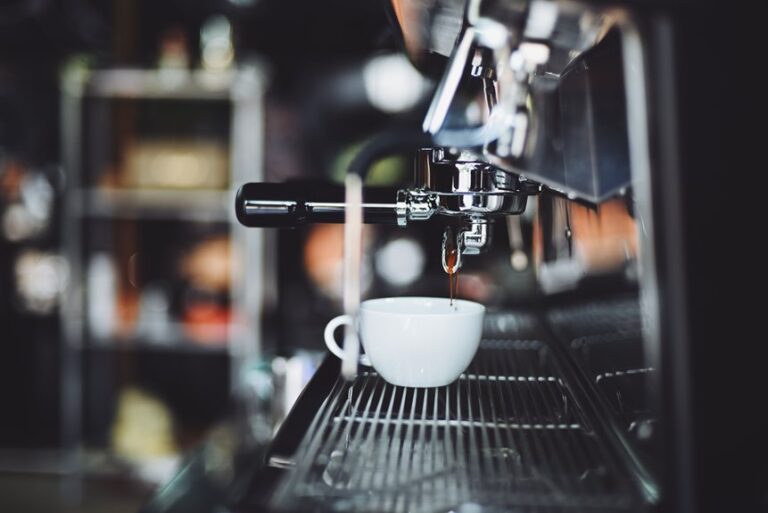

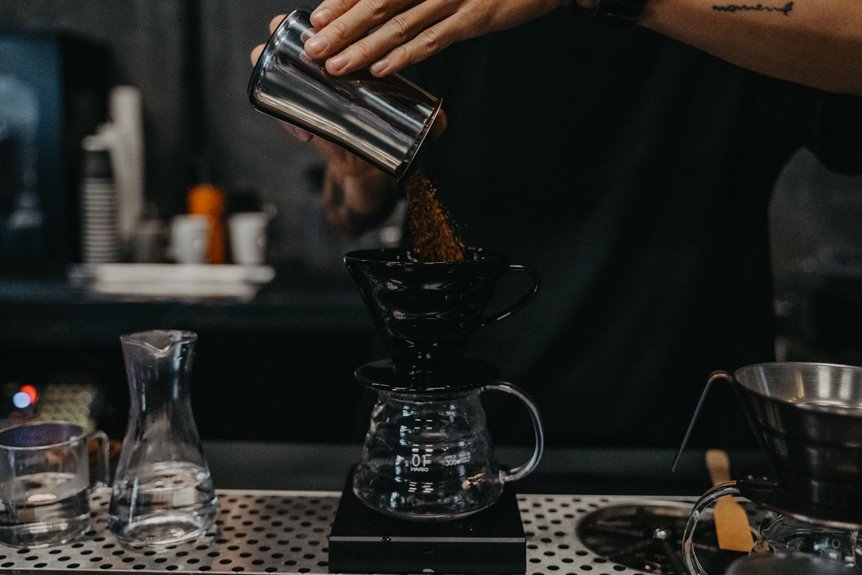
Choosing between drip coffee and pour over coffee boils down to convenience versus customization. Drip coffee offers a quick, hands-off brewing experience, perfect for busy mornings. On the flip side, pour over allows for more control over flavor and strength, demanding a bit more time and attention. Each method has its own charm, catering to different moods and routines. So, what kind of coffee experience fits your morning best?
Drip Coffee Vs Pour Over: Which Fits Your Routine?
Which brew fits your morning best?
Should you want a steady morning routine, drip coffee could suit your time constraints and daily habits. You set it up, press start, and move on while it works. That convenience factor helps whenever your mornings feel crowded.
Should you like coffee rituals, pour over gives you more hands-on brewing methods and a chance for taste exploration. You might enjoy the calm rhythm, even though it asks for more focus.
Your flavor preferences and espresso comparison can guide you too. Drip coffee usually feels easier, while pour over can feel more personal.
Consider equipment investment as well, because one setup stays simple and the other asks more from you.
Choose the brew that fits your life, and you’ll feel right at home.
Drip Coffee Vs Pour Over Flavor Differences
As it comes to flavor, drip coffee and pour over can taste like two close cousins with different personalities. You’ll notice drip coffee often feels steady, with solid body richness and a familiar taste profile that feels easy to trust.
Pour over usually provides you more flavor complexity, brighter acidity balance, and stronger aroma intensity, so each sip can feel a little more alive.
- Coffee origin can shine more clearly in pour over.
- Roast level might feel softer in drip.
- Brewing consistency often keeps drip tasting uniform.
- Pour over can highlight delicate notes.
Should you like a cup that feels warm and dependable, drip might suit you. Should you want to taste more detail and feel part of the coffee story, pour over can make you smile.
Brewing Time For Drip Vs Pour Over
Brewing time can shape your cup in a big way, and you’ll notice the difference fast whenever you compare drip coffee and pour over.
With drip, you usually wait a few minutes while the machine handles the work for you. That steady pace gives you a familiar rhythm and a cup that feels easy to grab on busy mornings.
Pour over asks for a little more patience, but you stay involved the whole time. Because you control the pour, you can guide coffee extraction more closely and adjust the pace to match your taste.
Both brewing methods can fit your day, whether you want comfort or control. Should you like feeling part of the process, pour over might help you feel more connected to your cup.
Equipment Needed For Drip Coffee
A good drip coffee setup starts with a few simple tools that make your morning feel smooth instead of messy. You need a Drip machine, coffee filters, and fresh coffee beans.
Next, pay attention to water quality, because clean water helps the flavor profile stay bright and balanced.
- Choose a machine that fits your counter and your routine.
- Keep coffee filters nearby so cleanup feels easy.
- Check brewing ratios to match your brew strength.
- Follow maintenance tips so your machine keeps working well.
When you use the right setup, you feel more at home with every cup. Your coffee tastes steady, and your routine feels less rushed.
With a little care, you can enjoy a warm cup that fits your day and your taste.
Equipment Needed For Pour Over Coffee
For pour over coffee, you’ll need a pour over brewer, a good filter, and a kettle that lets you control the water flow.
These tools work together to help you pour steadily and get the clean, bright cup people love.
Once you have them ready, the process feels a lot simpler and more rewarding.
Pour Over Brewer
The pour over brewer is the small tool that gives this coffee style its clean, bright taste, and it can make the whole process feel calm instead of confusing. You don’t need fancy gear to feel at home with it; you just need a brewer that fits your hands and your pour over style.
- Pick a shape that feels steady.
- Choose a size that matches your cups.
- Try simple pour over techniques initially.
- Investigate pour over accessories only after you know the basics.
With a good brewer, you can follow pour over tips, assess pour over ratios, and learn pour over recipes without stress.
You’ll also see the pour over advantages, notice a few pour over myths disappear, and enjoy the friendly side of pour over origins and pour over trends.
That’s how your coffee routine starts to feel like yours.
Filter And Kettle
Once you’ve got a brewer in hand, the next step is picking the filter and kettle that make pour over feel smooth instead of fussy.
You can choose from paper, metal, or cloth filter types, and each one shapes your cup a little differently. Paper catches more fine bits, so your coffee tastes crisp and clean. Metal lets more oils through, which can feel richer and fuller. Cloth sits in the middle and gives you a softer cup.
For the kettle, look at kettle options with a slim gooseneck spout. That shape helps you pour in a steady circle, so you stay in control and don’t flood the grounds.
Whenever you match the right filter and kettle, you set yourself up for a calm, confident brew that feels like your own little coffee ritual.
How Drip Coffee Affects Strength And Extraction
Drip coffee can feel strong and bold, but that strength depends on how much water touches the grounds and how long the water stays in contact with them.
You can shape extraction efficiency by using the right grind, basket fill, and water amount. That helps brewing consistency, so your cup feels familiar instead of random.
Whenever you brew this way, you keep control without much fuss.
- More water can pull more from the grounds.
- Less water can leave the cup thin.
- A steady drip helps even extraction.
- A rushed cycle can miss flavor.
How Pour Over Changes Taste And Aroma
Pour over coffee can change the way a cup smells and tastes in a way that feels clean and bright.
You’ll observe that the water meets the grounds evenly, so more aroma extraction happens in a gentle, steady way. Because of that, the cup can show softer fruit characteristics, light florals, and a crisp finish that feels welcoming.
As you sip, flavor profiling becomes easier, since each layer stands out instead of blending into one heavy taste. You might catch a sweeter edge, a little sparkle, and a clearer aftertaste.
This style often feels personal, almost like the coffee is saying hello back. In case you like sharing a cup with friends, pour over can help you enjoy those details together and feel right at home.
Best Grind Size For Drip And Pour Over
You’ll get the best cup whenever you match your grind to the brew method, because grind size shapes how fast water flows and how much flavor it pulls out.
For drip coffee, aim for a medium grind that feels a bit like sand, since it helps the brew stay balanced and smooth.
For pour over, use a medium fine grind so the water can move through at the right pace and bring out a brighter, cleaner taste.
Ideal Grind For Drip
The right grind size can make a huge difference in both drip and pour over coffee, and it’s one of the easiest things to get right once you know what to look for. For drip, you want a medium grind that feels like sand, not powder. That size helps water move at a steady pace, so your cup tastes balanced and calm.
- Use grind consistency so each particle brews the same.
- Keep your brew ratio steady for familiar flavor.
- Should coffee taste weak, grind a touch finer.
- Should it taste bitter, go a little coarser.
You don’t need fancy gear to fit in here. You just need a grinder that gives even pieces and a few small tweaks. Once you lock in the right setting, drip coffee feels easier, warmer, and a lot more yours.
Ideal Grind For Pour Over
A good pour over starts with a grind that gives you control, and that control can save a cup from tasting flat or harsh. You want a medium fine texture, a little coarser than table salt, so water moves through evenly.
Good grind consistency helps you match your brew ratio and keep extraction time steady. Next, trust coffee freshness, because stale beans won’t reward careful brewing technique.
Also, check water quality, since clean water lets the grind shine. Then choose a filter type that fits your dripper, because paper and metal change flow.
Should your cup run fast, grind finer; should it stall, go coarser. With solid equipment maintenance, you’ll stay in the pour over crew and make each cup feel like yours.
Water Temperature And Pouring Technique
Water and motion shape the flavor more than many home brewers expect, so this is where drip coffee and pour over start to split apart. You control heat and flow, and that lets you join the process with confidence. For a steadier cup, keep your water near 195 to 205 F and match it to your beans and water chemistry. Then let your pour move with care.
- Drip machines usually hold a fixed temperature.
- You guide pour over with a calm, even stream.
- A gentle pouring angle helps water wet all grounds.
- Small pauses can keep the brew bed balanced.
When you pour slowly, you help the coffee bloom and settle. That rhythm makes your kitchen feel welcoming, and your cup starts to taste like it was made for you.
Cost Comparison For Drip Vs Pour Over
Should you be trying to choose between drip coffee and pour over, cost can matter just as much as taste.
At the outset, you look at the cost breakdown, drip usually wins initially because you only need a machine, paper filters, and ground coffee.
Pour over starts cheaper if you buy a simple dripper, but you might add a kettle, scale, and better filters.
That said, your daily habit changes the math. Should you brew often, pour over can bring long-term savings because you control each cup and avoid replacing a bulky machine.
Drip coffee might feel easier, and that comfort matters too.
Common Drip And Pour Over Brewing Mistakes
Even though drip coffee and pour over both look simple, small brewing mistakes can quietly ruin your cup fast. You’re not alone when your coffee tastes flat or bitter; most people hit the same snags.
Start by checking your grind, water, and timing, because tiny shifts change the result.
- Use brewing temperature tips so your water stays hot, not boiling.
- Measure coffee and water instead of guessing.
- Wet all grounds evenly, then let them bloom.
- Don’t trust common coffee misconceptions, like darker beans always mean stronger flavor.
When you fix these basics, your cup gets cleaner and smoother. You’ll taste more balance, and that makes every morning feel a little more welcoming.
Which Coffee Method Is Best For Beginners?
Which coffee method feels easiest as you’re just starting out? For most beginners, drip coffee wins because it keeps coffee preparation simple and steady. You add grounds, pour in water, and let the machine do the work. That kind of brewing simplicity helps you feel confident fast, even though you’re still learning the basics.
Pour over coffee can taste fantastic, but it asks for more patience and control. You need to watch your pour, manage timing, and stay focused. Should you want a friendly start, drip coffee gives you more room to relax and learn.
Still, pour over can teach you a lot as your skills grow. Either way, you’re joining a warm coffee world, and that initial cup can feel pretty rewarding.
Which Brewing Method Fits You Best?
You’ll probably like drip coffee should you want a fast, easy routine that asks for less hands-on time.
Pour over fits you better in case you enjoy slowing down, shaping the flavor, and having more control over each cup.
Consider which matters more to you right now, saving time or crafting taste, and let that guide your choice.
Brewing Time And Effort
At the time mornings feel rushed, the brew method you choose can shape your whole routine. With drip coffee, you set it up and let it work, which lowers preparation time and keeps coffee consistency steady.
With pour over, you stay hands-on, so the user experience feels more involved and personal. Both fit different coffee rituals, and that’s okay.
- Drip suits busy weekdays.
- Pour over rewards calm mornings.
- Drip asks less equipment maintenance.
- Pour over gives one more brewing techniques practice.
Should you like simple mornings, drip helps you belong to a no-fuss crowd.
Should you enjoy a slower start, pour over can feel like your quiet reset.
Either way, you’re not alone in wanting coffee that matches your pace.
Flavor Preferences And Control
Should flavor matter most to you, drip coffee and pour over coffee each take you in a different direction.
Should you want easy comfort, drip coffee gives you steady taste balance and a familiar cup that feels like home. It’s the friend who shows up on time.
Should you crave more flavor complexity, pour over lets you guide brewing precision and shape every sip. You can adjust water speed, grind, and coffee extraction, so the cup can feel brighter, cleaner, and more personal. That control helps you observe small details you could miss otherwise.
Should you like consistency and less fuss, drip fits you well. Should you enjoy hands-on choices and a custom cup, pour over could feel more like your coffee circle.
Frequently Asked Questions
Can I Use the Same Coffee Beans for Both Methods?
Yes, you can use the same beans and that is where the magic starts. You will still belong to both brews but adjust the bean grind for each method and let the flavor profile reveal its secret.
Do Drip and Pour Over Require Different Water Quality?
Not really; you can use similar water quality for both. You will taste best with clean and filtered water along with proper water temperature and brewing time. Once you dial those in, you will feel right at home.
Can I Brew Iced Coffee With Either Method?
Yes you can brew iced coffee either way. Picture your mug entering a summer party. Use iced coffee techniques and brew hotter for strength then pour over ice. You will fit right in with any chilled coffee crew.
How Often Should I Clean Each Brewing Setup?
Clean both setups after every use and deep clean weekly. You will protect flavor extend life and feel right at home with simple maintenance tips. Adjust cleaning frequency if you brew daily or notice buildup.
Does Altitude Affect Drip and Pour Over Brewing?
Yes, altitude affects both methods because water boils at a lower temperature. This means you will need a hotter brewing temperature and possibly a finer grind size to stay in the sweet spot. You are still part of the coffee club.