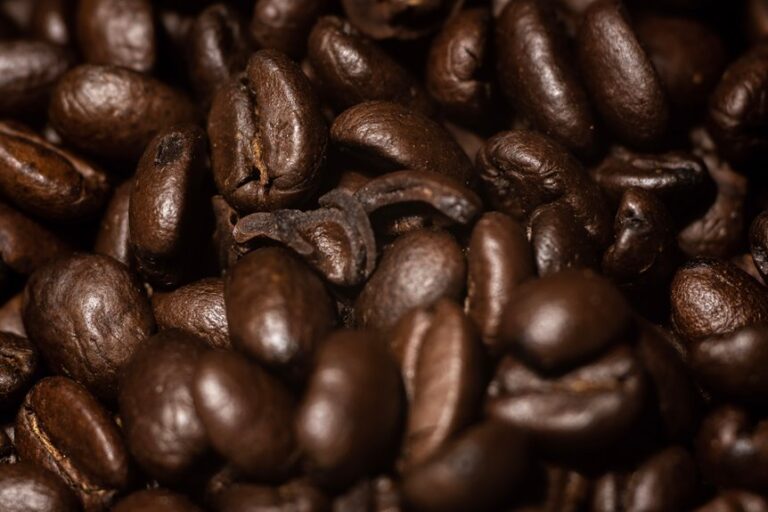

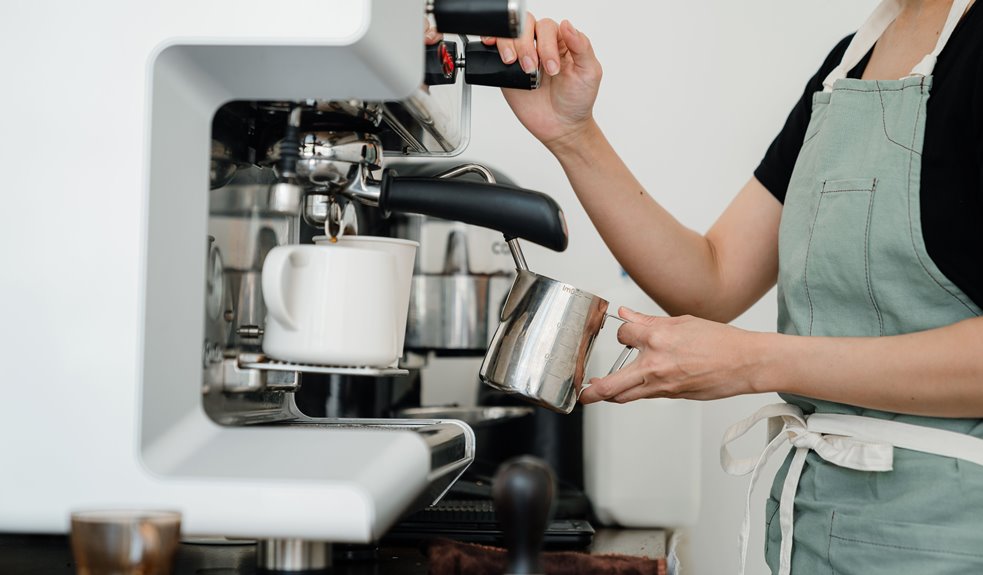
Cold brew coffee is brewed by steeping coarse coffee grounds in cold or room-temperature water for many hours. The slow extraction produces a smoother, less acidic cup with muted bitterness. Bean origin, roast level, grind size, water-to-coffee ratio, and steep time shape the final flavor. Cold brew yields a concentrated liquor that can be diluted or served over ice. This method highlights subtle sweetness and low acidity compared with hot-brewed coffee.
What Is Cold Brew Coffee?
So, what exactly is cold brew coffee? You’re looking at coffee made by steeping grounds in cold or room-temperature water, usually for many hours. That slow process gives you a smooth, mellow cup with less bite than hot-brewed coffee.
Should you’ve ever wanted coffee that feels gentler but still rich, you’re in the right place. Its history origins trace back to Japan and later spread through café culture worldwide, where people loved its calm, clean taste.
Today, several fans also point to possible health benefits, like lower acidity and a flavor that could feel easier on your stomach. So, were you to want a drink that fits your pace and makes you feel part of the coffee crowd, cold brew perhaps be your new favorite.
How To Make Cold Brew Coffee
To make cold brew, you’ll want to start with the right coffee and water ratio so the flavor stays smooth and balanced.
After that, mix the grounds with cold water and let them steep long enough for the taste to fully develop.
Once the time’s up, strain it well, and you’ll have a clean, rich brew ready to enjoy.
Coffee And Water Ratio
The right coffee and water ratio can make or break your cold brew, but the positive part is that it’s easier than it sounds. Start with brew ratios that feel friendly, like 1 part coffee to 8 parts water for a smooth cup. Should you want a bolder drink, you can move closer to 1 to 5. You don’t need perfection here, just a steady starting point that fits your taste.
Good water quality also matters because clean water lets the coffee shine without odd flavors. So, use fresh water and measure both ingredients with care. That small step helps you feel more confident, and honestly, it saves you from guesswork. Once you find your sweet spot, you’ll feel like you belong in the cold brew club.
Steeping And Straining
Once you’ve picked your coffee and water ratio, you can let the brew do the work for you. Pour the grounds into cool water, stir gently, and cover the jar. Then let it sit for 12 to 18 hours while ambient extraction pulls out smooth taste instead of sharp bite.
You’re not waiting around, you’re building a cup that feels calm and easy.
- Use a large jar or pitcher
- Stir once to wet every grind
- Keep it at room temperature
- Watch for flavor layering as it steeps
- Strain through a fine filter or cloth
When you strain, move slowly so you keep the clean, rich liquid your group can share. Should your coffee taste too bold, add a little water or milk and adjust next time.
The Best Coffee Beans For Cold Brew
Should you want cold brew that tastes smooth, rich, and easy to drink, the beans you choose matter a lot.
You’ll usually do best with medium or dark roast coffee, because those beans bring out cocoa, caramel, and nutty notes that feel comforting and full.
In case you like a brighter cup, try single origin beans from places like Colombia or Ethiopia. They can add fruit and flower notes without losing balance.
Suppose you want something more playful, flavored blends can give your brew a dessert-like edge.
Choose fresh beans, too, since stale coffee can taste flat and lonely.
As you pick beans that match your taste, you make each glass feel more like your own favorite spot, and that’s a nice place to be.
The Right Grind And Water Ratio
A good cold brew starts with a grind that feels just right, because size changes how much flavor your water can pull from the grounds. You want a coarse, even texture, like sea salt, so your brew feels smooth, not muddy. Whenever grind consistency stays steady, you and your kitchen crew get a cleaner cup every time.
Use this simple ratio to keep things easy:
- 1 cup coffee to 4 cups water
- 1:5 for a lighter sip
- 1:7 for a gentler taste
- Fresh, filtered water matters
- Water quality shapes the final flavor
Start with less water only provided you like a stronger base. Then adjust a little next time, so your brew matches your taste and feels made for you.
How Long To Steep Cold Brew Coffee?
Cold brew needs patience, but the steeping time doesn’t have to feel like a guessing game. You usually want 12 to 18 hours, and that range gives you a smooth cup without harsh edges.
Should you like a lighter taste, aim closer to 12 hours. In case you want deeper, richer flavor, let it sit longer. For room temperature steeping, check it a bit earlier, since warmth can speed things up.
In the event that you’re new, try overnight experimentation and taste the batch next morning. That simple habit helps you learn your sweet spot fast. You’re not chasing perfection here, just a brew that fits your mood and routine. Once you find your timing, you’ll feel right at home with every batch.
How To Strain Cold Brew
Now comes the part that turns your brew from messy to smooth: straining it. You’re not alone provided this feels fussy at initially, but it gets easy fast.
- Set a fine mesh strainer over a bowl.
- Line it with cheesecloth or a clean paper filter.
- Pour slowly so grounds don’t spill.
- Press gently only should you want a stronger finish.
- Use equipment upgrades like a reusable metal filter for less waste.
In case you like, strain twice for a cleaner cup. This keeps your cold brew ready for your favorite flavor pairing, like milk, vanilla, or a splash of caramel.
Keep your setup simple, and you’ll feel confident every time you make a batch.
Why Cold Brew Tastes Smoother
Cold brew tastes smoother because it has lower acidity, so it feels gentler on your tongue and your stomach.
The slow extraction process pulls flavor from the grounds without rushing in as many sharp notes.
That also means fewer bitter compounds end up in your cup, which is why each sip can feel so memo.
Low Acidity Levels
Because cold brew steeps in cool water for a long time, it pulls out fewer of the sharp acids that can make coffee taste harsh or sour. That’s why you notice a gentler cup with low acidity, and it can feel like stomach friendly brewing for your morning routine.
You can enjoy the smooth flavor without that puckering bite.
- Your cup tastes softer on your tongue.
- You might notice less bitter aftertaste.
- The flavor feels round and easy.
- You can sip it hot or iced.
- It fits well whenever you want comfort.
Slow Extraction Process
As the coffee grounds sit in cool water, they release flavor at a slow, steady pace, and that gentle pace is a big reason cold brew feels so smooth. You get ambient extraction, which means the water works at room temperature and lets taste unfold without rush. That slower contact also supports mild enzymatic changes, so the brew keeps a calm, rounded character. Whenever you wait longer, you let the beans share more of their sweet, chocolate-like tones with you.
| Time | What you notice |
|---|---|
| 2 hours | Light flavor starts |
| 8 hours | Body grows fuller |
| 12 hours | Sweet tones show |
| 16 hours | Smoothness deepens |
| 20 hours | Taste feels balanced |
Fewer Bitter Compounds
That slow, patient steeping does more than build body, and it also helps keep harsh compounds in check.
You get a cup that feels kinder on your tongue, which makes cold brew easy to love.
Because cool water pulls flavor gently, it leaves more of the sharp stuff behind.
- You notice reduced tannins.
- You taste less bite.
- You get a smoother mouthfeel.
- You enjoy natural sweetness.
- You sip without that rough aftertaste.
Cold Brew Coffee Vs Iced Coffee
As you choose between cold brew coffee and iced coffee, the difference goes beyond the ice in the glass. Cold brew steeps slowly in cool water, so it tastes smooth, soft, and a little sweet.
Iced coffee starts hot, then chills fast, which keeps a brighter, sharper taste. Should you like a gentle cup that feels easy to sip, cold brew might suit you better.
Were you to want a lively flavor that wakes up your palate, iced coffee can feel right at home. With single origin vs blended beans, cold brew often shows calm, clear notes, while iced coffee can highlight more sparkle.
Try flavor pairing suggestions like chocolate, vanilla, or citrus pastries, and you’ll find a cup that matches your mood.
How Much Caffeine Does Cold Brew Have?
You may be surprised that cold brew often packs more caffeine than regular iced coffee, so a small cup can feel pretty bold.
Its caffeine content starts with the coffee-to-water ratio, but steep time and bean choice also shape the strength you get.
In case you like a gentler sip, you can adjust those factors to make your brew fit your day.
Caffeine Content Basics
Curiosity often starts with one simple sip, and cold brew can surprise people because its caffeine level usually runs higher than regular iced coffee.
- You’ll often feel a stronger buzz.
- Your brew strength shapes that lift.
- A small cup can still feel bold.
- You might notice your sleep impact later.
- Many coffee fans like that shared kick.
Because cold brew soaks longer, it can pack more punch, and that’s why you could feel it quickly.
Should you be new to it, start small and listen to your body.
You still get the smooth taste, but the caffeine can stay with you longer than you expect.
That’s part of the charm and the challenge.
Whenever you want to fit in with other cold brew lovers, understanding the basics helps you choose with confidence and stay comfortable.
Factors Affecting Strength
Cold brew’s caffeine level can shift a lot from one cup to the next, so the strength you taste isn’t the only thing that matters.
You could love a smooth sip, yet still get a bigger caffeine hit than you expect. That’s because brew strength depends on how much coffee you use, how long it steeps, and how fine or coarse the grind is.
Should the grind consistency stays steady, your batch will pull flavor more evenly. In case you use more grounds, you’ll usually get more caffeine too.
A long steep can also enhance the amount in the final drink.
Cold Brew Concentrate Vs Ready-To-Drink
As you’re choosing between cold brew concentrate and ready-to-drink coffee, the best pick often comes down to how much control you want and how much time you have. Concentrate gives you room to adjust flavor, strength, and sweetness, so it fits your mood. Ready-to-drink coffee saves you effort and keeps things simple on busy days.
- Concentrate lets you mix to taste.
- Ready-to-drink offers grab-and-go ease.
- Bottle labeling helps you spot caffeine levels.
- Packaging sustainability could matter when you shop often.
- Both can fit your routine without stress.
Should you like feeling part of a coffee crowd, either option works well. One gives you flexibility, while the other gives you convenience, and both can make your day a little smoother.
How To Serve Cold Brew Coffee
You can serve cold brew straight from the fridge for a smooth, bold sip, or pour it over ice should you want it extra crisp and invigorating.
In case it tastes too strong, add a little water, milk, or cream so it feels just right for you.
Finish with simple add-ins like cinnamon, vanilla, or a slice of orange to make each glass feel a little more special.
Serving Temperature Options
Whenever it comes to serving cold brew coffee, temperature can change the whole experience, so it helps to know your options before you pour. You can keep it chilled for a crisp, invigorating sip, or let it sit a bit for a softer, rounder taste.
Your ideal temperature range depends on the mood you want and the moment you share it. Use serving glassware that matches the vibe, like a sleek tumbler for casual mornings or a clear glass while you want to admire the color.
- Serve it cold for bright, clean flavor
- Try cool, not icy, for a smoother taste
- Let it reach room temperature for gentle sweetness
- Pick sturdy serving glassware for comfort
- Match the temperature to your daily rhythm
That way, you’ll feel right at home with every pour.
Ice And Dilution
Ice can make cold brew feel extra invigorating, but it can also water down the flavor should you’re not careful.
When you pour over ice, you want chill without losing that deep, smooth taste your crew loves. Use a small amount initially, then taste as the cubes melt. That helps you protect flavor balance and keep every sip steady.
| Ice choice | Result | Feel |
|---|---|---|
| Full cubes | Slower melt | Calm |
| Crushed ice | Fast melt | Bright |
| Large cubes | Less ice dilution | Confident |
| Chilled glass | Better control | Comfortable |
| No ice yet | Strongest flavor | Safe |
If you’re serving friends, this little care makes everyone feel included. You get a cup that stays cool, tastes rich, and still feels like yours.
Garnishes And Add-ins
A good garnish can turn cold brew from a simple drink into a small treat, and the best part is that it doesn’t have to get fancy to feel special.
You can make your cup feel like yours with a few easy add-ins that fit your mood and taste.
- Try citrus twists for a bright, fresh edge.
- Add a splash of milk for a softer sip.
- Stir in spiced syrups for warm, cozy flavor.
- Top with cinnamon for a gentle kick.
- Use vanilla or caramel whenever you desire something sweeter.
You don’t need a big coffee shop setup to enjoy this.
Just choose one detail that feels right, then sip with confidence.
That little touch can help you feel right at home with your cold brew.
How To Store Cold Brew Safely
To keep cold brew fresh and safe, you need to store it the right way as soon as it’s ready. Use a clean, sealed jar or bottle, because air can dull the taste fast.
Keep it cold at all times, and choose fridge placement on a middle shelf where the temperature stays steady. That helps protect shelf life and keeps your batch tasting smooth for days.
Should you have made concentrate, label the date so you know when to enjoy it with your crew. Also, pour only what you’ll use, then return the rest right away.
A quick chill between servings matters, and it keeps your cold brew ready whenever you need a calm, tasty lift.
Common Cold Brew Coffee Mistakes
Even a simple cold brew can go sideways should you rush the process, but fortunately most mistakes are easy to fix once you know what to look for. Whenever you make coffee at home, you’re not alone in learning the rhythm, and a few slipups won’t ruin your batch. Most problems come from using too much coffee, ignoring oversteeping risks, or skipping equipment sanitation before you start.
- Measure grounds carefully.
- Use clean jars and filters.
- Steep long enough, not forever.
- Strain fully to avoid grit.
- Chill the brew before serving.
In case your drink tastes harsh, you’re likely pushing time too far. Should it tastes dull, check your grind and your cleanup. Small changes help you feel confident and keep your next cup smooth.
Ways To Customize Cold Brew
You can turn cold brew into a drink that fits your mood with just a few small tweaks. Start with milk, oat milk, or cream to soften the edge, then add vanilla, caramel, or cocoa for comfort. Should you want more lift, stir in cinnamon, nutmeg, or a little citrus zest. Flavor pairings matter because they help you build a drink that feels like yours, not just something from a cup.
Next, ponder Seasonal variations. In summer, try cold brew with honey and orange peel. In fall, add pumpkin spice and maple. In winter, mix in peppermint or mocha. In spring, use lavender or berry syrup. You can also top it with foam, cold cream, or a pinch of salt. Small choices help you feel at home in every sip.
Frequently Asked Questions
Can I Use Decaf Beans for Cold Brew?
Yes, you can use decaf beans for cold brew; they’re like a quiet lantern in your mug. You’ll still get rich decaf flavor, and the caffeine myth does not change your smooth, café together ritual.
Does Cold Brew Need Refrigeration While Steeping?
No, you don’t need refrigeration while steeping as long as you’ll finish it soon; room temperature steeping works well for overnight extraction. You can refrigerate afterward to keep your brew fresh.
Can I Make Cold Brew Without a Filter?
Yes, you can, though you will need another way to strain the grounds. You can use a cloth, mesh, or let the grounds settle in the jar. Join the cold brew crowd, then top it with cold foam or an ice infusion.
Is Cold Brew Less Acidic Than Hot Coffee?
Yes, you’ll usually find cold brew has lower acidity than hot coffee, so it feels gentler on your stomach and tastes smoother. You can enjoy its smoother bitterness and join plenty of coffee lovers.
Can I Heat Cold Brew Before Drinking?
Yes, you can heat it before drinking. You’ll still enjoy smooth flavor extraction, though gentle heat infusion might soften the taste. You are not alone; numerous coffee lovers warm it up for a cozy, familiar sip.