

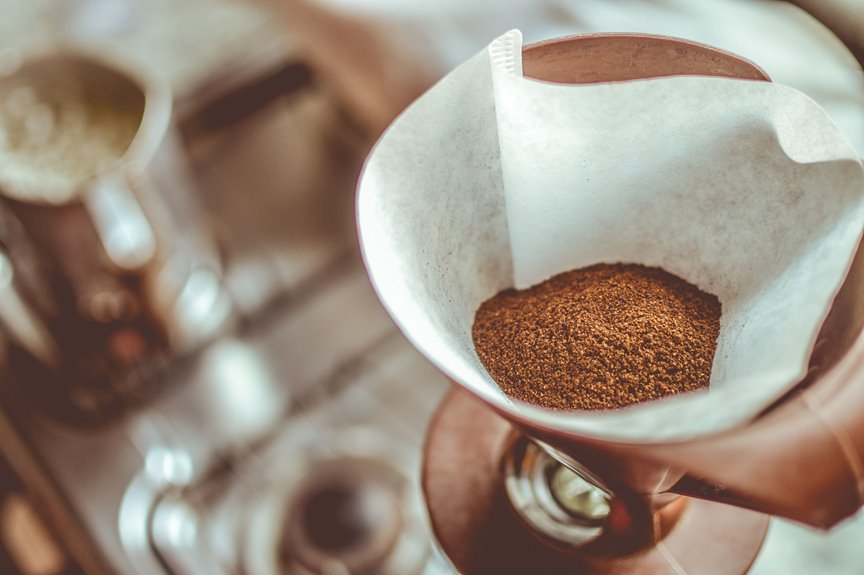
Coffee blooming is the quick release of trapped carbon dioxide from freshly roasted grounds when a small amount of hot water hits them. This gas release causes the grounds to puff and settle, helping the rest of the water extract flavors more evenly. Blooming reduces sharp, sour notes and promotes a fuller, balanced cup. Freshness, roast level, grind size, and water temperature influence how pronounced the bloom appears. A short pause during pour-over or immersion brewing improves extraction consistency and overall taste.
What Is Coffee Blooming?
Brewing coffee can feel a little mysterious at initially, and blooming is one of those small steps that makes a big difference. Whenever you pour a small amount of hot water over ground coffee, the grounds swell and release trapped gas. You see bubbles, and you hear a soft hiss. That’s blooming. It tells you your coffee is waking up and getting ready to brew.
If you enjoy origin stories, blooming gives your cup one of its earliest clues. It connects what you see in the basket with what you taste later. During sensory analysis, you can notice the change in smell, texture, and movement. That little rise in the coffee bed helps you feel more in tune with the process. So, whenever it occurs, you’re not just making coffee. You’re joining a simple ritual that welcomes you in.
Why Fresh Coffee Blooms More
Fresh coffee usually blooms more because it still holds more carbon dioxide from roasting, so whenever you pour in hot water, that gas escapes fast and pushes the grounds upward. You’ll notice a fuller swell, and that’s a friendly sign your coffee still feels lively. As you watch it, you can almost sense the difference in aroma intensity, since fresher beans release their scent with more energy. That stronger release also supports better crema formation whenever you brew espresso, which helps your cup look and taste more inviting.
| Freshness | Bloom effect |
|---|---|
| Very fresh | Stronger rise |
| Fresh | Richer scent |
| Medium | Moderate swell |
| Older | Softer bloom |
| Stale | Little bloom |
Whenever you brew this way, you’re joining a small ritual that helps your cup feel more like yours.
Why Coffee Blooming Happens
Coffee blooms because roasting traps gases inside the beans, and those gases rush out once you add water.
Once your coffee is fresh, it holds more gas, so the bloom looks bigger and more lively.
As water spreads through the grounds, it pushes air out and helps release even more of that built-up gas.
Gas Release From Roasting
Whenever you pour hot water over ground beans, trapped gases start to rush out, and that’s the heart of coffee blooming.
You’re seeing roast chemistry at work, because heat inside the roaster creates carbon dioxide and locks in volatile compounds.
As you brew, water wakes those gases up, and the coffee bed swells for a moment.
- The puff tells you gas is escaping.
- Tiny bubbles show the grounds are reacting.
- The aroma can feel brighter and warmer.
- Blooming helps you join the brew at the right moment.
Freshness And Degassing
A bag of truly fresh coffee often acts a little dramatic whenever you brew it, and that’s a good sign. You’re seeing fresh beans let out trapped carbon dioxide, which comes from roasting and fades with time. Whenever your coffee is newer, this degassing is stronger, so the bloom feels lively and the coffee aroma rises fast. That’s why package sealing matters so much: it helps slow the escape until you open the bag.
| Freshness | Degassing | What You Notice |
|---|---|---|
| Very fresh | Fast | Bigger bloom |
| Fresh | Steady | Rich aroma |
| Older | Slow | Mild bloom |
Water Penetration Effects
As hot water meets the grounds, it starts pushing into the tiny spaces between each particle, and that steady soak is what makes blooming happen. You can envision the water slipping in like a friend joining your circle, not forcing its way, just finding every opening. As it enters, water absorption begins, and the grounds swell a little as trapped gas escapes. That pore swelling helps open the coffee bed, so more water can reach fresh surfaces.
- You see bubbles lift fast.
- You notice the bed rise and loosen.
- You let gas leave before brewing continues.
- You give flavor a better path forward.
This initial contact matters because it sets up even extraction. Whenever you bloom well, you help your coffee feel balanced, smooth, and more connected to your cup.
How to Bloom Coffee Step by Step
Start with fresh coffee grounds and a clean brewer, because a good bloom begins before the water ever touches the coffee.
Next, set your kettle to the right bloom temperature, then pour gently over all the grounds so they look evenly wet. You’ll notice coffee aeration almost right away as trapped gas escapes and the bed puffs up.
Give the coffee a short pause so it can breathe and release that lively aroma you know and love.
After that, continue your normal brew with steady pours. In the event the bloom rises unevenly, don’t worry. You’re still on track, and your coffee can recover.
This simple routine helps you join the small ritual that brings out better flavor, smoother extraction, and a cup that feels worth slowing down for.
How Much Water to Use for Blooming
Getting the bloom water right can make your coffee feel calmer, cleaner, and more alive. You don’t need to drown the grounds. Use a simple water ratio of about 2 to 3 times the coffee’s weight, so 20 grams of coffee gets 40 to 60 grams of water. That bloom volume gives the grounds enough moisture to swell and release gas without flooding the bed.
- Weigh your coffee initially.
- Match the bloom water to the dose.
- Pour evenly over every ground.
- Keep the slurry wet, not soupy.
Should your coffee looks dry in spots, add a little more. In case it pools fast, you used too much. Once you get this step right, you join the small circle of brewers who make each cup feel steady and cared for.
How Long Coffee Should Bloom
Coffee bloom time is usually short, but that small window matters more than most people reckon.
You’ll usually want to let your coffee bloom for about 30 to 45 seconds. That gives trapped gas time to escape, so your water can move through the grounds more evenly.
Should your grind consistency be fairly uniform, you might stay near the shorter end. When the grounds are uneven or very fresh, a slightly longer bloom can help you keep things calm and balanced.
Brewing temperature also plays a role, because hotter water can speed the release of gas. Still, don’t stretch the bloom too long. You’re not waiting for magic, just giving your coffee a fair start.
With a steady routine, you’ll feel more confident every morning.
How to Recognize a Proper Bloom
A proper bloom looks lively and even, with small bubbles spreading across the coffee bed like a soft foam.
You should see the grounds lift and swell at the same time, not stay flat in one spot or sink in patches.
Whenever that bubble pattern stays steady and the coffee expands evenly, you’re on the right track.
Visual Bubble Pattern
As you pour water over fresh grounds, the right bloom should look lively and even, with small bubbles rising across the surface instead of just one busy spot. You want aesthetic bubbles that spread in a calm, friendly way, so the top feels inviting, not chaotic. Whenever you see surface symmetry, you can trust your pour is making contact across the bed.
- Notice fine bubbles, not one heavy foam patch.
- Look for a steady ring near the edges.
- Watch the center and sides share the same energy.
- Trust a bloom that feels balanced to you.
That pattern tells you the grounds are opening in a way you can read easily. Should it look messy or patchy, give it a little more attention next time, and you’ll fit right in with brewers who notice the details.
Even Coffee Expansion
Even coffee expansion is the clearest sign that your bloom is working the way it should. You want the grounds to rise a little, then settle into a soft, puffy layer. That even expansion shows water reached each particle, so your coffee can release gas together instead of fighting for space.
Whenever you see uniform swelling, you can relax a bit because the bloom looks balanced and fresh. Should one side stays flat or clumpy, stir gently on your next brew and watch how the bed changes.
Small details matter here, and you’re not alone in checking them. With a little practice, you’ll spot this calm, steady lift fast, and your cup will feel more familiar, more reliable, and honestly, more yours.
Coffee Blooming in Pour-Over Brewing
Blooming is the initial small but significant step in pour-over brewing, and it can change how your coffee tastes from the very start. You pour a little hot water, and the grounds swell as trapped gas escapes. That quick release helps water move through evenly, so you get a cleaner cup and feel more in control.
- Use just enough water to wet every ground.
- Wait about 30 to 45 seconds.
- Watch for the coffee to puff up like a soft pillow.
- Then pour slowly in steady circles.
If you’ve noticed espresso crema, you already know gas can shape texture. Blooming works differently than cold brew kinetics, but the idea is similar: water needs time to meet coffee well.
Whenever you bloom with care, you join a simple ritual that brings your brew to life.
Blooming in a French Press
French press brewing handles blooming a little differently, but the same idea still helps your coffee taste fuller and cleaner. You’re not fighting a paper filter here, so your French press lets gases escape while the grounds settle into the water. Try a short bloom with pre infusion techniques, then stir gently.
| Step | What you do |
|---|---|
| 1 | Add fresh grounds. |
| 2 | Pour in hot water. |
| 3 | Wait 30 seconds. |
| 4 | Press after steeping. |
Your choice of metal/plastic parts can change heat and comfort, and filter impact stays gentle because the mesh keeps oils in. That gives you a rich cup that still feels smooth. Should you brew with care, you join a quiet club of people who respect each tasty detail.
Does Drip Coffee Need Blooming?
Yes, drip coffee usually does need blooming should you want the best flavor from fresh beans. You’ll see the grounds swell as trapped gas escapes, letting water soak in evenly.
That small pause helps your brew taste cleaner and brighter, especially when you share a pot with friends or family. Should you skip it, cold extraction can feel flat, and your cup might lose its lively edge.
- Pour a little hot water initially.
- Pause 20 to 30 seconds.
- Notice the grounds puff up.
- Keep your equipment maintenance simple and steady.
With a good bloom, you join the same smooth coffee rhythm many home brewers love. Then your drip maker works with you, not against you, and each cup feels more welcoming.
Common Blooming Mistakes to Avoid
You can ruin bloom should you use stale coffee, because it won’t release gases the way fresh grounds do.
You’ll also get weak results should you pour water unevenly or rush past the wait time, since both can leave dry spots and cut the bloom short.
Were you to want a better cup, keep your pour steady, use fresh coffee, and give it that brief pause it needs.
Using Stale Coffee
Stale coffee can quietly ruin a bloom before it even starts, and that’s a frustrating surprise once you’ve done everything else right. Whenever your beans sit too long, you get stale extraction instead of a lively bloom, and oxidized oils dull the aroma fast. You’re not doing anything wrong; the coffee just lost its spark. To stay in the good-tasting crowd, choose beans that smell sweet and fresh, not flat or woody.
- Use coffee within a few weeks of roasting.
- Store it in a sealed, cool place.
- Grind only what you need.
- Trust your nose before brewing.
Fresh beans help you feel more confident at the brewer, and they make bloom feel alive. Even a small upgrade can bring your cup back to the table with the rest of us.
Uneven Water Pouring
Uneven pouring can throw your bloom off fast, and it often happens before you notice it. You want the water to spread gently and evenly, so every grind gets a fair soak.
Whenever you use uneven pours, some spots stay dry while others get flooded, and that can create channeling risks later in the brew. Instead, move in slow circles and keep your stream steady.
In case you notice the bed rising more on one side, adjust right away and guide the water back to the center. You’re not trying to rush this part; you’re helping the grounds wake up together.
A calm, even pour gives you better bloom, better flavor, and a more confident start every time.
Skipping The Wait
Skipping the wait can spoil a bloom before it even has a chance to do its job. Whenever you skip waiting, you push the brew toward instant extraction, and your coffee can taste sharp, weak, or oddly thin. You deserve a cup that feels worth the pause, so give the grounds time to release gas and settle. That short rest helps water move through the coffee more evenly and brings the flavors together.
- Wait 30 to 45 seconds after the pour.
- Watch the bubbles slow before brewing more.
- Keep your timing steady each morning.
- Trust the bloom, even if you feel rushed.
How Blooming Changes Coffee Flavor
At the moment coffee blooms, it releases trapped gases, and that small burst can change the way your cup tastes from the initial sip. You notice a cleaner primary taste, because bloom time helps with acidity modulation and gives you better aroma lift. That means bright notes feel smoother, not sharp, and sweet flavors can stand out with more grace.
| Effect | What you notice |
|---|---|
| Gas release | Less bitter bite |
| Wet grounds | Fuller aroma |
| Better saturation | Brighter balance |
When you bloom well, you join the many drinkers who chase a cup that feels open and friendly. The water reaches more grounds, and your brew can taste more even, more lively, and more welcoming. That little pause works like a handshake between coffee and water.
When Blooming Matters Most
Blooming matters most whenever you want your coffee to taste its best, especially with fresh beans, light roasts, and pour-over methods. You’ll notice it most as your brew feels lively and bright. That’s because blooming helps release trapped gas, which opens the door for fuller extraction and cleaner flavor.
- Pay attention to the initial rise in the grounds.
- Use blooming to protect delicate volatile aromas.
- Trust sensory training to notice small changes.
- Let the bloom guide your pouring rhythm.
Whenever you’re making coffee for yourself or friends, this step can make the cup feel more welcoming and balanced. It gives you a simple way to connect with the process, and that shared care often shows in every sip.
Blooming Freshness and Roast Level
Freshness changes the bloom more than many people expect, because new coffee still holds a lot of trapped carbon dioxide. Whenever you pour in water, that gas escapes fast, and you get a lively rise, strong aroma release, and a richer scent that feels almost like the coffee is waking up with you.
Darker roasts often bloom more quickly because roast profiling shows they decompose more cell walls, so gas leaves faster. Lighter roasts can bloom more slowly, yet they might still smell bright and sweet.
Should your coffee seem quiet, it could just be older, not worse. You’re not doing it wrong; the beans could simply need less drama and more patience.
Frequently Asked Questions
Does Coffee Bloom in Espresso Brewing?
Yes, you’ll see a small bloom like release in espresso, but it’s compressed and fleeting. You’ll taste rich espresso crema instead, while pressure profiling shapes it. You’re part of the craft, not outside it.
Can Old Coffee Still Bloom Visibly?
Yes, you can still see some bloom, but it is weaker and less lively. Your old coffee often gives off a stale aroma and reduced crema, so you will not get that fresh, shared coffeehouse magic.
Does Water Temperature Affect Coffee Blooming?
Yes, water temperature affects coffee blooming because hotter water speeds your extraction rate and helps trapped gases escape. You will feel more connected to the process whenever your bloom looks lively, even, and satisfying.
Can Bloom Size Predict Coffee Quality?
Not reliably; bloom size can hint at freshness, but it is like a weather vane not a verdict. You will still need bean genetics, roast profile, grind, and brew control to judge quality with your coffee crew.
Should Pre-Ground Coffee Be Bloomed?
No, you usually shouldn’t bloom preground coffee; it’s already degassed. You’ll get better flavor by keeping grind consistency and using airtight storage methods, so your brew stays fresh and you feel right at home.