
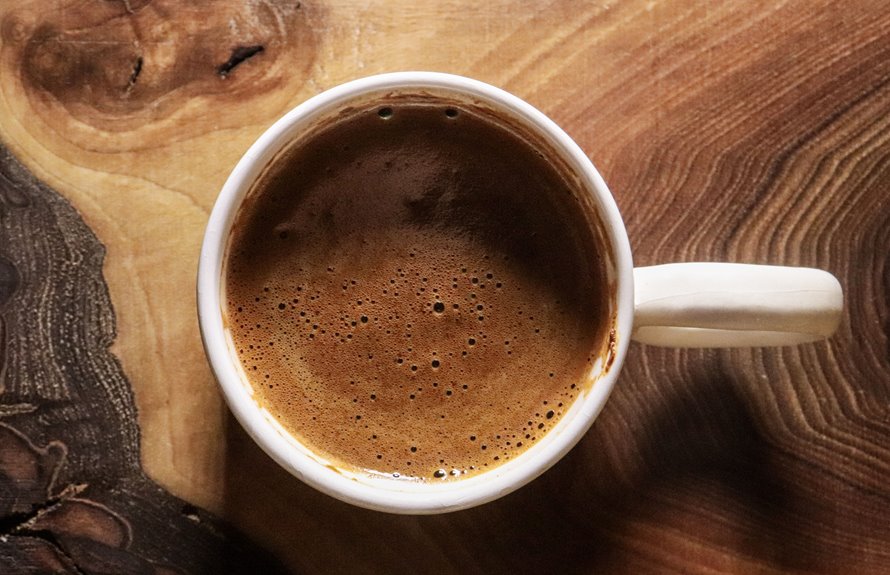
Bitter coffee usually means the brew extracted too many harsh compounds. Common causes are overly hot water, too-fine grind, stale or over-roasted beans, or brewing for too long. Water quality and mineral content can also push flavors toward bitterness. Small adjustments to grind size, temperature, brew time, or fresh beans often restore balance. Troubleshooting each variable quickly reveals which change will improve the cup.
Why Coffee Tastes Bitter
Even a good cup can turn bitter should a few small things go wrong. You might notice that coffee tastes sharp whenever its acidity perception feels too strong, even though the brew seems normal.
That happens because your tongue reads some acids as bright and lively, while others feel harsh. Also, your palate adaptation changes how you judge flavor from one cup to the next.
Suppose you drink darker coffee often, a lighter cup can seem more bitter than it really is. Temperature matters too, since cooler coffee can make bitter notes stand out.
Water quality can nudge flavor as well, and stale beans often taste flat, thereafter bitter. So in case your cup feels off, you’re not alone. Your taste buds are just calling attention to balance.
How Over-Extraction Creates Bitterness
Whenever coffee turns bitter, over-extraction is often the reason hiding in plain sight. Whenever you brew too long, hot water keeps pulling chemical compounds from the grounds after the pleasant flavors are gone.
To begin, you get sweetness and balance. Then, harsher notes arrive and push your sensory perception toward a sharp, dry finish. That’s why the cup can feel heavy and unforgiving instead of warm and inviting.
You’re not doing anything wrong as a coffee lover; you’re just letting water stay in charge too long. So, should your mug tastes rough, consider the brew time. Small timing changes can help you stay with the crowd of good flavor, where your coffee feels smooth, friendly, and worth another sip.
Grind Size Problems That Make Coffee Harsh
A grind that’s too fine can make your coffee turn harsh fast, because it gives hot water way too much surface to work with. You can end up with uneven particles, so some grounds brew too quickly while others stay underdone. That mix often feels sharp and gritty, like your mug didn’t get the memo. Should your filter slows down or clogs, the brew can get even rougher.
| Grind look | What you notice | What helps |
|---|---|---|
| Powdery | Strong, bitter sip | Go coarser |
| Mixed sizes | Uneven taste | Sift or calibrate |
| Stuck bed | clogged filters | Adjust grinder |
When you want a smoother cup, aim for a consistent medium grind. That helps your coffee stay balanced and makes each sip feel more like home.
Water Temperature and Bitter Coffee
Water temperature matters more than you may realize, and you’ll usually get the best flavor whenever your brew water stays in the right range, not near boiling.
Should the water gets too hot, it can pull out harsh compounds fast and leave your coffee tasting sharp or burnt.
Through keeping the heat steady, you help prevent bitter extraction and give your coffee a smoother, gentler finish.
Optimal Brewing Temperature
Because brew heat shapes how coffee tastes, the right temperature can be the difference between a smooth cup and one that turns harsh fast. You want the ideal temp, usually near 195 to 205 degrees Fahrenheit, so your beans open up without pulling out too much bite.
That range gives you thermal stability, which helps your brew stay steady from initial pour to final drip. In case your water sits too cool, you might taste flat notes and weak sweetness.
When it stays in range, you help your coffee feel balanced and friendly, like it belongs in your mug. So trust a thermometer, warm your gear, and keep your water calm. A steady pour supports better flavor, and your morning cup will thank you with less bitterness.
Overheating Effects
In case the brew runs too hot, it can pull harsh compounds from the grounds and leave you with a sharp, bitter cup. Whenever you pour near-boiling water, you speed up extraction too much, and the flavor can turn rough instead of warm and inviting.
You might also notice metallic odors, which often show up whenever the heat overwhelms the coffee’s natural sweetness. In some cases, bean scorching starts at the surface, and that burnt edge can spread into the cup.
That’s why overheated water can make your coffee feel thin, tense, and hard to enjoy. You deserve a cup that tastes balanced, and a cooler, steadier brew helps protect that comfort. Once you understand this effect, you’re one step closer to a friendlier morning mug.
Preventing Bitter Extraction
A little control at the start can save your cup from turning harsh later, and water temperature plays a huge part in that balance. You want to keep it steady, usually just below boiling, so your grounds release sweetness instead of sharp bitterness.
Should you brew too hot, you pull out rough flavors fast, and that can happen even when your bean selection is solid. Next, watch your grind and tamp pressure, because packed coffee slows water and can overdraw the shot.
How Dark Roasts Affect Flavor
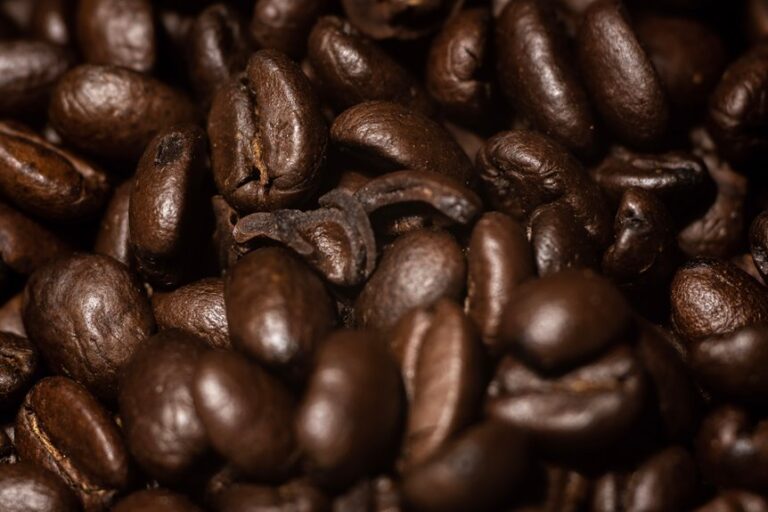
When you choose a darker roast, you often taste more bitterness because the beans spend longer in heat and lose some of their brighter notes.
You might also notice smoke and char, which can make the cup feel bold, heavy, and a little harsh.
Still, that fuller body can be pleasant if you want a deeper coffee with a stronger edge.
Roast Level And Bitterness
Roast level plays a huge role in how bitter your coffee tastes, because darker roasting changes the beans in ways you can’t always hide with milk or sugar. Whenever you choose a dark roast, you push the natural sugars lower and the sharp edges higher, so the cup can feel harsher.
Your bean origin still matters, though, because some regions start sweeter, while others bring more bite. The roasting profile also shapes how fast bitterness shows up, since a slow, careful roast can keep things smoother than a rushed one.
Should you want a friendlier cup, look for medium to medium-dark roasts. They often keep enough depth without taking over your taste buds, and that balance can help you feel right at home.
Smoke, Char, And Body
Dark roasts often bring more than just a stronger taste, because they can also add smoke, char, and a heavier body to your cup. When you brew them, you might notice a smoke aroma that feels bold and cozy, almost like you’re near a fresh fire. That char texture can make the finish seem dry or sharp, and it could hide sweeter notes you expected. Still, the fuller body can feel comforting, especially whenever you want a rich cup that seems to wrap around you.
| Flavor sign | What you might notice |
|---|---|
| Smoke aroma | Toasty, campfire-like scent |
| Char texture | Crisp, dark edge on the tongue |
| Body | Thick, weighty mouthfeel |
| Bitterness | Stronger, less mellow finish |
| Balance | Fewer bright notes, more depth |
Coffee-to-Water Ratios That Taste Off
A small shift in your coffee-to-water ratio can turn a cup from rich and smooth to sharp and bitter, and that can feel frustrating whereas you just wanted a good morning brew. You’re not alone here.
Should you use too little water, your dose control pushes the brew dense, and the flavors can crowd each other. In case you add too much water, the coffee can still taste harsh because the grounds work harder to give up flavor, raising extraction yield in the wrong way.
Stale Beans and Oxidation
At any time coffee beans sit too long, they lose the bright, lively flavors that make a cup taste fresh, and that shift can leave you with a bitter, flat brew. You’re not doing anything wrong; stale storage and bean oxidation simply steal the sweetness you wanted. In sealed bags, beans still age, but air speeds the change.
| Sign | What you notice | Why it matters |
|---|---|---|
| Dull aroma | Less coffee smell | Fresh oils are fading |
| Dry surface | Beans look tired | Flavor breaks down faster |
| Harsh taste | Bitter after sip | Oxidized compounds show up |
If you grind stale beans, the bite can feel stronger because more surface meets air. So you can keep your coffee group happy through choosing fresher beans and closing the bag tightly after each use.
How Water Quality Changes Coffee Taste
Water can make or break your coffee, and that’s especially true in case bitterness shows up out of nowhere. When you brew with water that has too much mineral content, it can pull harsh flavors from the grounds and leave your cup feeling sharp.
Should the pH balance be off, your coffee might taste flat, sour, or oddly bitter. You don’t need lab gear to notice this. Try cleaner filtered water, then taste the difference with your usual beans.
In the event your tap water already tastes strong or metallic, it can easily carry that same edge into your mug. Small changes here often feel like a relief, because you’re not fighting your brew anymore. Good water helps your coffee taste smoother, warmer, and more like the cup you wanted.
Which Brewing Methods Taste More Bitter
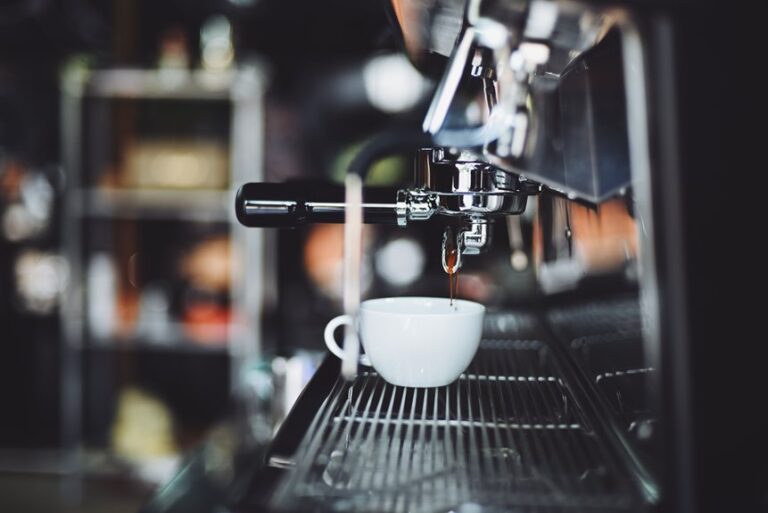
Some brewing methods bring out bitterness more than others, and that’s usually because they hold hot water on the grounds too long or use a very fine grind that overextracts the coffee. Whenever you want a smoother cup, it helps to know which styles lean harsh. Espresso bitterness often feels sharp because the shot pushes water through packed coffee fast. In contrast, immersion methods can taste heavier and more bitter whenever the grounds stay soaked.
| Method | Bitterness Level | Why It Tastes That Way |
|---|---|---|
| Espresso | High | Fast pressure extracts intense compounds |
| French press | Medium-high | Long soak pulls more from the grounds |
| Cold brew | Low | Cooler water extracts fewer bitter notes |
| Drip | Medium | Balance depends on timing and grind |
You’re not alone should this catch you off guard. Once you spot the pattern, you can choose with more confidence.
How to Fix Bitter Coffee Fast
Fixing bitter coffee fast starts with small changes that make a big difference.
Initially, add a little milk addition or cream to soften sharp notes and help your cup feel friendlier right away. In case you like a sweeter edge, stir in a small spoon of sugar or honey, then taste before adding more.
Next, try instant fixes like a pinch of salt; it can calm harsh bitterness without making the coffee taste salty. You can also dilute the drink with a splash of hot water when it feels too strong.
Should the coffee sit on the burner, pour it into a fresh mug so it stops tasting burnt. These quick steps help you save the cup, keep your routine calm, and still feel part of your morning coffee crowd.
Brew a Smoother, Sweeter Cup
You can brew a smoother, sweeter cup by paying close attention to your grind size, because it changes how fast water pulls flavor from the coffee.
Should your coffee tastes bitter, try making the grind a little coarser, then adjust your brew time, water temperature, and ratio until the cup feels balanced.
Small changes here can make a big difference, so you don’t have to guess your way toward better coffee.
Grind Size Matters
Grind size can quietly turn a cup of coffee from smooth and sweet to harsh and bitter. Whenever your grind is too fine, water grabs too much from each particle, and you taste extra bite. Whenever it’s too coarse, the cup can seem weak, but uneven particle distribution can still leave sharp pockets of bitterness.
You belong in the good-news zone here: a steady, medium grind often gives you more balance and less surprise. Check your grinder too, because grinder retention can leave old grounds behind and mix them into your fresh dose. That stale dust can add dry, bitter cues before you even brew. So, keep your grind consistent, clean out trapped grounds, and you’ll give yourself a calmer, sweeter mug.
Balance Brew Variables
After you’ve cleaned up the grind, the next step is to balance the rest of the brew. You can make a smoother cup by dialing back brew agitation, since too much stirring pulls harsh flavors fast.
Keep your water hot, but not boiling, and watch extraction time closely. In case you brew too long, bitterness can creep in and push out the sweetness you want.
Supposing you brew too fast, the cup can taste thin and sharp, like it skipped breakfast. You’re not alone here, and small tweaks can help you find your sweet spot.
Try one change at a time, then taste with care. Once you control the pace, your coffee feels kinder, rounder, and more inviting.
Frequently Asked Questions
Can Milk Reduce Coffee Bitterness?
Yes, you can reduce coffee bitterness with milk; it’s true. You’ll soften harsh tones as milk emulsion and protein binding tame bitter compounds, helping your cup feel smoother, warmer, and more welcoming to you.
Does Decaf Taste Less Bitter Than Regular Coffee?
Yes, you’ll often find decaf tastes a bit less bitter than regular coffee because the decaffeination process alters caffeine chemistry and can soften harsh flavors. Many coffee lovers notice this smoother, more welcoming cup.
Why Is Instant Coffee Often Bitter?
You taste bitterness because instant extraction pulls out more harsh compounds fast, especially from roasted origin beans. You are not alone; many fans tweak water temperature and ratio to join the smoother coffee crowd.
Can Adding Salt Fix Bitter Coffee?
Yes, you can add a pinch of salt to soften bitterness; salt chemistry can mask harsh notes. Taste varies with cultural preferences, so you are not alone should you like your coffee differently.
Do Paper Filters Affect Bitterness?
Yes. Paper filters can soften bitterness, like a gatekeeper welcoming only the smoothest guests. With paper filtration, you catch harsh oils, and less brew agitation keeps extra bitterness out, so you’ll taste a kinder cup.