
The best TDS for coffee depends on your brew style. Espresso usually tastes best with a higher TDS.
Filter coffee often shines with a lower TDS.
Cold brew sits somewhere in the middle, and the right reading helps you dial in taste fast.
| HM Digital COM-80 EC/TDS Hydro Tester |  | Best All-Around | Measurement Type: EC/TDS meter | Coffee Use: General water testing | Display: LCD | VIEW LATEST PRICE | Read Our Analysis |
| TDS Meter Digital Water Tester for Drinking Water | 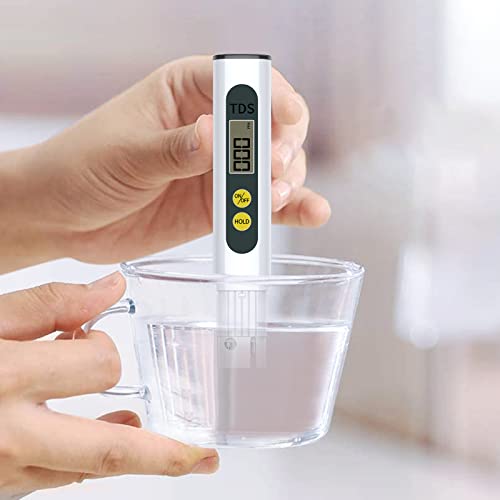 | Budget-Friendly Pick | Measurement Type: TDS meter | Coffee Use: Drinking water testing | Display: Digital display | VIEW LATEST PRICE | Read Our Analysis |
| Maestri House S3 Coffee Scale with Timer |  | Best For Precision | Measurement Type: Coffee scale | Coffee Use: Coffee brewing | Display: Dual-zone LED | VIEW LATEST PRICE | Read Our Analysis |
| Digital TDS Meter Water Quality Tester | 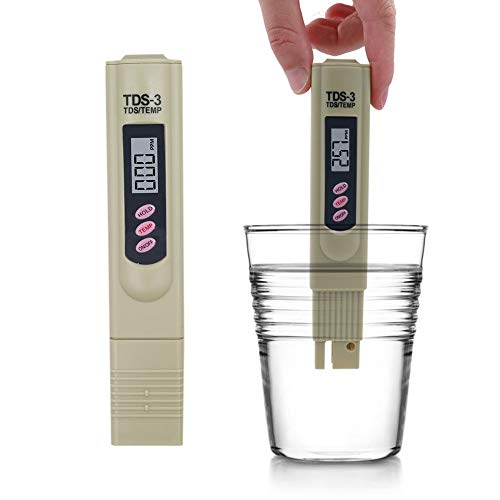 | Best 3-in-1 | Measurement Type: TDS/EC/temp meter | Coffee Use: Water quality testing | Display: Backlit LCD | VIEW LATEST PRICE | Read Our Analysis |
| 4-in-1 Digital Water Quality Tester (2025 NEW) |  | Best New Feature | Measurement Type: TDS/EC/temp meter | Coffee Use: Water quality testing | Display: Extra-large LCD | VIEW LATEST PRICE | Read Our Analysis |
| SmartRef Digital Coffee Refractometer by Anton Paar |  | Professional Grade | Measurement Type: Coffee refractometer | Coffee Use: Coffee extraction testing | Display: App-based display | VIEW LATEST PRICE | Read Our Analysis |
| CAPMESSO Reusable K Cups for Keurig (2 Pack) |  | Best Reusable Option | Measurement Type: Reusable K-cups | Coffee Use: Coffee brewing | Display: N/A | VIEW LATEST PRICE | Read Our Analysis |
More Details on Our Top Picks
HM Digital COM-80 EC/TDS Hydro Tester
Should you want a simple, fast way to check water quality before brewing, the HM Digital COM-80 EC/TDS Hydro Tester is a strong pick. You can measure EC and TDS with quick 0.5-second readings, 1 µS/ppm resolution, and ±2% accuracy. ATC helps keep results consistent, while the LCD, data-hold, and auto-off features make it easy to use. It runs on three LR44 batteries and includes a protective cap. You can also use it for hydroponics, aquariums, pools, and filtration systems. Wipe it clean after use, and it’ll stay ready.
- Measurement Type:EC/TDS meter
- Coffee Use:General water testing
- Display:LCD
- Power Source:Button batteries
- Temperature Compensation:ATC
- Material:Plastic
- Additional Feature:Data hold function
- Additional Feature:Auto-off feature
- Additional Feature:Low-battery indicator
TDS Meter Digital Water Tester for Drinking Water
Should you want a simple, affordable way to check your water before brewing, the MEXYBE TDS Meter Digital Water Tester is a strong pick for coffee drinkers who value quick results and easy routine testing. You get a 0–9990 ppm range, a one-second response, and a high-precision chip that helps you judge water quality fast. Its titanium alloy probe adds durability, while the compact M2 design fits home, tap, well, or travel use. You can also reach MEXYBE’s support team via live chat or email should you need help.
- Measurement Type:TDS meter
- Coffee Use:Drinking water testing
- Display:Digital display
- Power Source:Battery powered
- Temperature Compensation:Not specified
- Material:Titanium probe
- Additional Feature:Titanium alloy probe
- Additional Feature:One-second response
- Additional Feature:Live chat support
Maestri House S3 Coffee Scale with Timer
In case you want a coffee scale that helps you nail pour-over and espresso with precision, the Maestri House S3 Coffee Scale with Timer stands out with 0.1 g accuracy, a built-in timer, and real-time flow-rate tracking. You get a 3,000 g capacity, dual-zone LED display, and modes for pour-over, espresso, and standard measuring. It auto-calculates target water weight from 1:00 to 1:18 ratios, while tare and auto shut-off simplify use. The USB-C rechargeable battery lasts up to 90 days, and the IPX4, heatproof body handles busy brewing sessions.
- Measurement Type:Coffee scale
- Coffee Use:Coffee brewing
- Display:Dual-zone LED
- Power Source:USB-C rechargeable
- Temperature Compensation:Heat-resistant
- Material:Plastic
- Additional Feature:Auto timer modes
- Additional Feature:Real-time flow rate
- Additional Feature:USB-C rechargeable
Digital TDS Meter Water Quality Tester
Provided that you want a simple way to check your water before brewing, the Digital TDS Meter Water Quality Tester makes it easy to spot whether your coffee water is in a good range. You can measure TDS, EC, and temperature with one tool, and the large backlit LCD helps you read results fast. Its titanium alloy probe delivers reliable readings, while Automatic Temperature Compensation keeps measurements consistent from 0–60 °C. Use the hold function to save a result, then let the meter shut off after two minutes. It’s also handy for RO, DI, aquariums, hydroponics, and general water testing.
- Measurement Type:TDS/EC/temp meter
- Coffee Use:Water quality testing
- Display:Backlit LCD
- Power Source:Battery powered
- Temperature Compensation:ATC
- Material:Titanium probe
- Additional Feature:3-in-1 measurement
- Additional Feature:Backlit LCD
- Additional Feature:Auto-lock hold
4-in-1 Digital Water Quality Tester (2025 NEW)
In case you want a versatile meter that does more than just check TDS for coffee water, the 4-in-1 Digital Water Quality Tester (2025 NEW) is a smart pick. You get TDS, EC, and temperature readings in °C or °F, plus a 0–9999 ppm range for home water, RO systems, aquariums, pools, and hydroponics. A smart chip and titanium probe deliver fast, steady results, and one-tap mode switching keeps testing simple. The large LCD uses red or green backlight alerts. It’s compact, rugged, battery included, and supported with a 2-year warranty.
- Measurement Type:TDS/EC/temp meter
- Coffee Use:Water quality testing
- Display:Extra-large LCD
- Power Source:CR2032 battery
- Temperature Compensation:Not specified
- Material:ABS/titanium
- Additional Feature:Dual backlight colors
- Additional Feature:2-year warranty
- Additional Feature:18/7 support
SmartRef Digital Coffee Refractometer by Anton Paar
Anton Paar’s SmartRef Digital Coffee Refractometer is the best TDS choice provided you want fast, highly precise readings without fuss, because it measures from 0–20% TDS with 0.01% resolution and 0.03% guaranteed precision. You can test hot, cold, or room-temp brews without precooling, and ATC helps keep results consistent. With just 0.4 mL per sample, it’s practical for routine use. The free Coffee Meister app guides you, stores data, and calculates extraction yield, so you can tune strength, acidity, and sweetness. Its IP66 body feels durable, too.
- Measurement Type:Coffee refractometer
- Coffee Use:Coffee extraction testing
- Display:App-based display
- Power Source:App/device powered
- Temperature Compensation:ATC
- Material:Durable housing
- Additional Feature:Extraction yield calculator
- Additional Feature:40+ measurement units
- Additional Feature:0.4 mL sample
CAPMESSO Reusable K Cups for Keurig (2 Pack)
In case you want Keurig coffee with more body and a higher extraction level, CAPMESSO’s reusable K Cups are a strong pick because they’re built to deliver a 1.2 TDS brew with a dual-mesh design that boosts pressure, filters out fine sediment, and fits Keurig 1.0 machines without leaks. You’ll get a stronger, cleaner cup than with single-mesh pods, plus 304 stainless steel that won’t add plastic taste. The 2-pack includes a scoop and brush, and you can use fresh grounds for coffee or tea. It’s durable, easy to rinse, and helps cut pod waste.
- Measurement Type:Reusable K-cups
- Coffee Use:Coffee brewing
- Display:N/A
- Power Source:No power needed
- Temperature Compensation:Not applicable
- Material:Stainless steel
- Additional Feature:Dual-mesh metal
- Additional Feature:99% sediment block
- Additional Feature:Cleaning brush included
Factors to Consider When Choosing Tds for Coffee
If you’re choosing a TDS meter for coffee, look at brew strength range, accuracy, and precision so you can trust every reading. You’ll also want temperature compensation, the sample volume it needs, and how quickly and clearly it displays results. These factors help you pick a meter that fits your brewing routine and gives you reliable data fast.
Brew Strength Range
Your ideal coffee strength depends on the style you’re brewing and how intense you want it to taste. For a balanced cup, you’ll usually aim for about 1.15–1.35% TDS, which fits many specialty coffee standards. Should you brew filter coffee, lighter, brighter cups can sit near 1.0% TDS, while everyday drip or immersion brews often land around 1.2–1.35%. Want something bolder? Stronger filter brews can reach about 1.6%. Espresso sits in a different range entirely, often around 8–12% TDS because of its concentrated format. Regardless of the style you choose, match strength with extraction: around 18–22% helps you keep flavor balanced instead of thin or harsh. Small shifts of 0.1–0.2% can change taste, so keep your brew ratio steady while dialing in.
Accuracy And Precision
To dial in coffee TDS with confidence, look for a meter that’s both accurate and precise: at least 1 ppm resolution and ±2% accuracy will help you catch the small changes that matter in brew strength and extraction. You also want that performance to hold across the coffee range you actually measure, roughly 0.5–2.5% TDS, so your readings stay trustworthy in the cup. Fast response and low noise make repeat tests more useful whenever you’re tweaking grind size or recipe ratios. Regular calibration keeps the numbers honest, while clean, dry probes prevent residue from drifting your results. Choose an instrument with stable materials and solid repeatability, and you’ll spend less time second-guessing the meter and more time improving the brew.
Temperature Compensation
Temperature matters because TDS readings shift with sample heat, so you need automatic temperature compensation (ATC should you wish to compare coffee measurements fairly. TDS isn’t fixed across temperatures because dissolved solids affect conductivity differently as coffee warms or cools. A good portable TDS or EC meter corrects raw conductivity to a reference, usually 25 °C, so you get consistent ppm or µS/cm values. Without ATC, a hotter cup can look stronger than the same coffee once it cools, which can distort brew strength and extraction yield. For best results, measure after the brew reaches a stable temperature, or use a meter with dependable ATC. Just bear in mind that ATC only corrects conductivity behavior, not every temperature-sensitive compound, so compare samples cautiously whenever heat varies.
Sample Volume Needs
Sample volume matters just as much as temperature whereas you choose a TDS method for coffee. In case you’re measuring espresso or tiny specialty pours, pick a refractometer or other low-volume option that works with 0.3–0.5 mL, so you don’t sacrifice precious coffee. That matters even more whenever you’re pulling repeated tests during extraction profiling, because each sample adds up. For pour-over or French press, you can use a meter that reads well with 10–50 mL, which gives you a practical balance between conserving brew and handling the sample easily. In contrast, probe-style conductivity meters often need deeper containers and several milliliters to tens of milliliters, so your vessel can limit where you test. Match the instrument to the brew size, and you’ll waste less coffee while getting reliable measurements.
Readability And Speed
As you’re choosing a TDS meter for coffee, readability and speed can matter as much as accuracy. You’ll want at least 0.1 ppm resolution so you can spot small shifts that change flavor. Pick a meter that responds in one second or less, since coffee samples can cool, lose crema, or drift quickly. A clear, backlit screen with large digits helps you read numbers fast beside a grinder or espresso machine. Data-hold or auto-lock features let you freeze the result, so you don’t have to rush to write it down. Automatic temperature compensation also helps through keeping readings stable while your sample is hot. Whenever the display is easy to read and the meter is quick, you can work smoothly and get better, more repeatable coffee measurements.
App And Calculations
Using an app that can turn your measured TDS into extraction yield makes coffee testing far more useful, because you can track brew strength, efficiency, and recipe changes in one place. You should pick software that accepts ppm or % TDS and converts correctly, since 1% equals 10,000 ppm. The best tools also include brew-ratio calculators, so you can enter dose and target water weight, then estimate the TDS or dose you need for a chosen extraction yield. Look for temperature compensation or ATC, and log the sample temperature with each reading. That keeps refractometer or probe data more accurate. Finally, choose an app that saves history, exports CSV files, and graphs trends, so you can compare brews and refine your recipe with real data over time.
Frequently Asked Questions
How Often Should I Calibrate My Coffee TDS Meter?
Calibrate your coffee TDS meter every few weeks and before important measurements, following the manufacturer’s instructions. Recalibrate immediately if readings start to drift, become inconsistent, or after cleaning the meter.
Does Coffee TDS Change With Brewing Temperature?
Yes. Brewing hotter usually increases extraction, so coffee TDS can change a bit. The same beans can seem stronger or weaker just from a temperature change, not a recipe change. Measure, taste, and adjust.
Can Water Hardness Affect Coffee TDS Readings?
Yes, hard water can change coffee TDS readings. It adds extra dissolved minerals, which can raise the measurement and make extraction results harder to compare. Use the same water for each sample, or the readings may not be consistent.
Is Higher TDS Always Better for Espresso Taste?
No, a higher TDS does not always improve espresso flavor. It can create a fuller cup, but too much often brings bitterness, heaviness, or a dull finish. The goal is a balanced shot with solid extraction and clear aroma, not just a higher reading.
Do Reusable Pods Alter Coffee TDS Measurements?
Yes, reusable pods can change your coffee’s TDS. The mesh, fill level, and brew flow affect extraction, so the readings often differ from those of disposable pods.