
Coffee roasting works best as a temperature sequence, not a single target. Start by drying the beans, then move into Maillard, crack, and development at a steady pace.
That rhythm helps shape sweetness, brightness, and body. A good thermometer and smart probe placement make each roast easier to control.
| Nuvo Eco Ceramic Handy Coffee Bean Roaster | 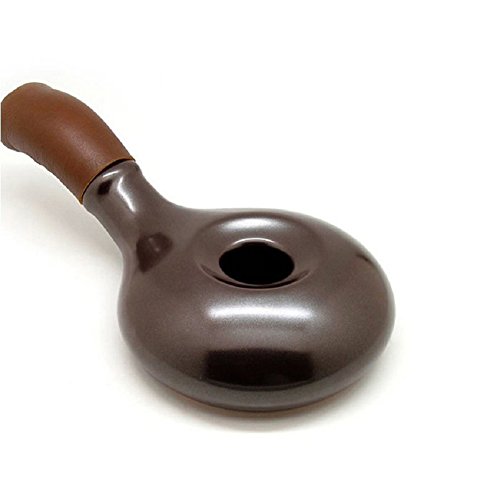 | Best Manual Roaster | Product Type: Ceramic bean roaster | Temperature Range: Heat-resistant ceramic | Display Type: N/A | VIEW LATEST PRICE | Read Our Analysis |
| Taylor Roast and Yeast Instant Read Meat Food Kitchen Cooking Thermometer | 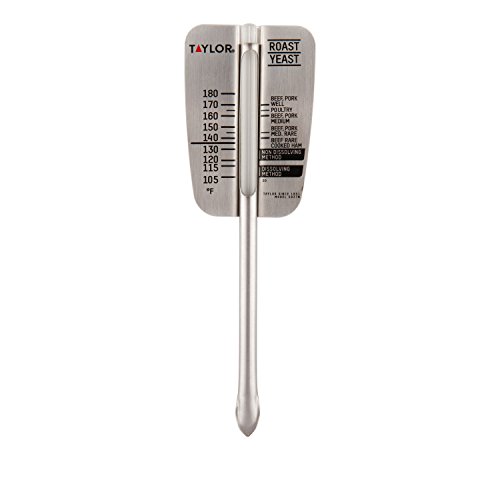 | Best Instant-Read | Product Type: Roast/yeast thermometer | Temperature Range: 105–185°F | Display Type: Analog | VIEW LATEST PRICE | Read Our Analysis |
| Taylor Precision Products Classic Roast/Yeast Thermometer 3 Pack |  | Best 3-Pack | Product Type: Roast/yeast thermometer | Temperature Range: Up to 185°F | Display Type: Analog | VIEW LATEST PRICE | Read Our Analysis |
| Fresh Roast SR800 Coffee Roaster with Digital Display |  | Best Home Roaster | Product Type: Coffee roaster machine | Temperature Range: Adjustable heat | Display Type: Digital | VIEW LATEST PRICE | Read Our Analysis |
| Milk Frothing Thermometer for Espresso Steaming Pitchers | 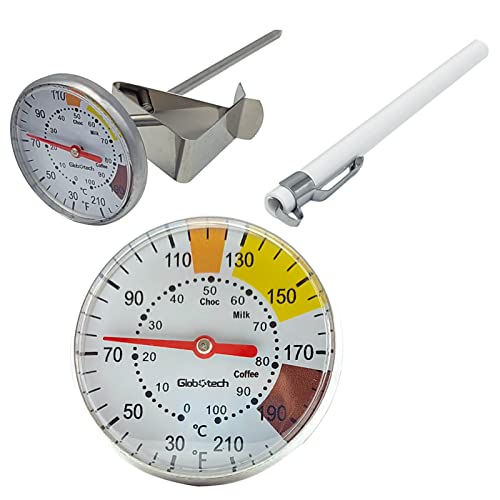 | Best For Milk Frothing | Product Type: Milk frothing thermometer | Temperature Range: 30–210°F | Display Type: Dial | VIEW LATEST PRICE | Read Our Analysis |
| Kitchen Pocket Thermometer for Food Coffee and Milk |  | Best Pocket Thermometer | Product Type: Pocket food thermometer | Temperature Range: 0–210°F | Display Type: Dial | VIEW LATEST PRICE | Read Our Analysis |
| Coffee Bean Roaster Machine for Home Use | 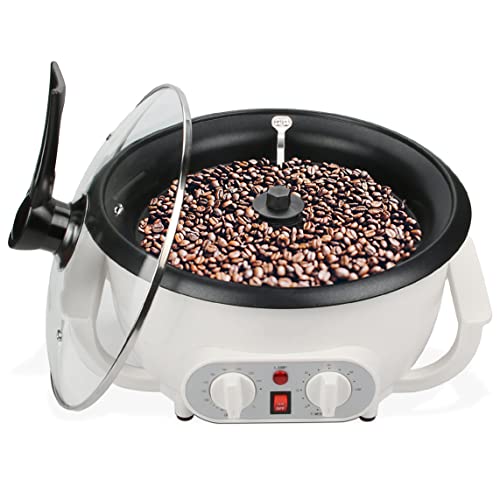 | Best High-Capacity Roaster | Product Type: Coffee roaster machine | Temperature Range: 100–240°C | Display Type: N/A | VIEW LATEST PRICE | Read Our Analysis |
More Details on Our Top Picks
Nuvo Eco Ceramic Handy Coffee Bean Roaster
Should you want a home roaster that feels simple, sturdy, and a little old-school in the best way, the Nuvo Eco Ceramic Handy Coffee Bean Roaster is a strong fit. You get a 100% ceramic body, a real cowhide grip, and a waffle-style chamber that helps beans roast evenly. Because the rear hole lets you hear the pops, you can track heat with confidence. It holds 30 to 70 grams, but 30 grams works best. It’s dishwasher safe, made in Korea, and built for green coffee at home.
- Product Type:Ceramic bean roaster
- Temperature Range:Heat-resistant ceramic
- Display Type:N/A
- Reusable:Yes
- Material:Ceramic/cowhide
- Capacity:30–70 g
- Additional Feature:Audible bean popping
- Additional Feature:Waffle-shaped interior
- Additional Feature:Genuine cowhide grip
Taylor Roast and Yeast Instant Read Meat Food Kitchen Cooking Thermometer
Should you want a simple way to track roasting heat with confidence, the Taylor Roast and Yeast Instant Read Meat Food Kitchen Cooking Thermometer is a smart fit, especially for home cooks who value quick, clear readings without any fuss. You get an analog dial, a 3-inch face, and a fast-reading stem that reaches 6.5 inches. It covers 105 to 185 degrees Fahrenheit, so you can check meat, poultry, or yeast with ease. Since it’s stainless steel, NSF approved, reusable, and dishwasher-safe, you can trust it for steady, practical kitchen use.
- Product Type:Roast/yeast thermometer
- Temperature Range:105–185°F
- Display Type:Analog
- Reusable:Yes
- Material:Stainless steel
- Capacity:1 unit
- Additional Feature:Instant-read system
- Additional Feature:NSF approved
- Additional Feature:Meat and yeast guide
Taylor Precision Products Classic Roast/Yeast Thermometer 3 Pack
In case you want a simple, reliable way to watch roasting heat closely, the Taylor Precision Products Classic Roast/Yeast Thermometer, 3 Pack is a smart pick for you. You get three stainless steel, analog thermometers, so you can keep one at the roaster, one in storage, and one as backup. Each one reaches 185°F, which suits careful coffee roasting checks. Because they’re waterproof, reusable, and easy to wipe clean, you won’t fuss over upkeep. Their 6.5-inch immersion depth helps you measure heat with confidence outdoors, and that steady reading can calm your roast.
- Product Type:Roast/yeast thermometer
- Temperature Range:Up to 185°F
- Display Type:Analog
- Reusable:Yes
- Material:Stainless steel
- Capacity:3-pack
- Additional Feature:Waterproof construction
- Additional Feature:Three-pack quantity
- Additional Feature:Outdoor use
Fresh Roast SR800 Coffee Roaster with Digital Display
The Fresh Roast SR800 Coffee Roaster with Digital Display is a smart pick should you want fresh coffee without giving up control, and that makes it especially appealing for home roasters who care about flavor, speed, and flexibility. You can roast 6 to 8 ounces at a time and still get 14 to 28 cups in under 10 minutes. Its digital display, nine heat levels, and fan controls help you fine tune each batch. Plus, the push and turn knob keeps changes simple. You can roast espresso, decaf, or blends with confidence and enjoy richer cups every time.
- Product Type:Coffee roaster machine
- Temperature Range:Adjustable heat
- Display Type:Digital
- Reusable:Yes
- Material:Metal/plastic
- Capacity:6–8 oz
- Additional Feature:Nine-level power settings
- Additional Feature:Real-time temperature display
- Additional Feature:Custom roast settings
Milk Frothing Thermometer for Espresso Steaming Pitchers
Should you want smoother milk and more control at the steam wand, this Milk Frothing Thermometer for Espresso Steaming Pitchers is a smart pick for both home baristas and busy coffee shops. You can clip it onto 12 oz, 20 oz, or 32 oz pitchers, and the adjustable stem keeps the probe near the milk, not the hot bottom. Its stainless steel dial reads from 30°F to 210°F, so you’ll spot the best frothing zone fast. The fog-resistant glass helps you read it clearly. With quick, accurate response, you’ll steam with less guesswork and more confidence.
- Product Type:Milk frothing thermometer
- Temperature Range:30–210°F
- Display Type:Dial
- Reusable:Yes
- Material:Stainless steel/glass
- Capacity:1 unit
- Additional Feature:Adjustable pitcher clip
- Additional Feature:Fog-resistant glass
- Additional Feature:Fast 500ms response
Kitchen Pocket Thermometer for Food Coffee and Milk
This pocket thermometer is a smart pick should you want fast, simple temperature checks for coffee, milk, and food without fuss. You get a 1-inch magnified dial, a 5-inch stainless steel stem, and a red clip that keeps it handy in your pocket or apron. It reads from 0° to 210°F, with quick 3-second response and 1°F steps, so you can watch milk, chocolate, and brew temps closely. Because it’s reusable, easy to clean, and not meant for soaking, you can trust it for daily café-style tasks and home kitchen work.
- Product Type:Pocket food thermometer
- Temperature Range:0–210°F
- Display Type:Dial
- Reusable:Yes
- Material:Stainless steel
- Capacity:1 unit
- Additional Feature:Magnified shatterproof lens
- Additional Feature:Red pocket sleeve
- Additional Feature:ISO 9001 certified
Coffee Bean Roaster Machine for Home Use
A home-ready coffee bean roaster machine is a strong choice for anyone who wants fresh-roasted flavor without leaving the kitchen, especially should you like full control over each batch. You can roast 750 g in about 25 minutes with its 1200W motor, so you get good speed without losing control. Then, you can set the timer from 0 to 60 minutes and adjust heat from 100 to 240°C for repeatable results. Its honeycomb body, Teflon coating, clear lid, strong agitator, and cool handles make roasting safer and easier. You can also roast peanuts, barley, and popcorn.
- Product Type:Coffee roaster machine
- Temperature Range:100–240°C
- Display Type:N/A
- Reusable:Yes
- Material:Teflon-coated metal
- Capacity:750 g
- Additional Feature:1200W motor
- Additional Feature:0–60 minute timer
- Additional Feature:Honeycomb chassis
Factors to Consider When Choosing Coffee Roasting Temp
If you select a coffee roasting temp, start with the bean type, since light and dense beans react differently to heat. You also need to match the batch size, keep your heat control wide enough, and use roast time as a balance, not a race. Just as crucial, trust your equipment’s temperature accuracy, because a tiny reading error can turn a great roast into a sad little science experiment.
Bean Type Matters
Bean type can change everything in the roaster. Whenever you roast lighter-density beans, often from high-altitude farms, you usually need more heat or more time to build sweetness and body. Their lower moisture and tight cell structure slow heat flow, so patience pays off. Darker, oilier beans and low-density lots can burn fast in case you start too hot, so try charging 10 to 20°F lower and let the roast stretch a bit. Also, watch green coffee moisture, since wetter beans need more energy and a longer Maillard phase. Suppose your beans have thick skins or dense endosperm, give them a gentler ramp before initially crack. For espresso or dark roasts, you can finish hotter; for filter roasts, stop lower to keep brightness and origin taste.
Batch Size Impact
Because batch size changes the way heat moves through the roast, it can shift your whole temperature plan. With a small batch under 50 grams, beans warm fast, so you should lower your target sooner and watch the clock closely. A larger batch keeps more heat, so you might need more power, more airflow, or extra time to reach the same bean temperature. Should you jump from a 70 gram sample to 200 grams, expect the roast to slow down. Also, big loads can roast unevenly, so you could need gentler curves and a little more movement in the drum. Upon scaling up, match your charge temp and first crack timing, not just the same setpoint.
Heat Control Range
A strong heat control range gives you room to roast with confidence, and that matters more than most people reckon. You want a roaster that can stay gentle around 100 to 160°C for drying, then climb past 200°C whenever you need fuller development and deeper color. With a wide span, you can move from light City roasts to dark French roasts without fighting the machine. Just as crucial, you need fine control, so each heat step changes smoothly instead of jumping like a startled cat. That steady adjustment helps you shape Maillard reactions and development without ugly swings. Fast heat response also matters, because bean temperature can dip or surge. Whenever the heat output stays consistent, your set point matches the beans, and your results stay repeatable.
Roast Time Balance
Whenever you choose a coffee roasting temperature, roast time balance matters just as much as the heat itself. Should you rush with high heat, you can finish in 6 to 8 minutes and build body and surface sweetness, but you might also tip beans or roast them unevenly. Should you go slow, a 12 to 15 minute roast can help the inside develop evenly and keep acidity bright, though sweetness and body might soften. Aim for a steady path: reach first crack in about 6 to 10 minutes, then spend 1 to 4 minutes after it for a medium roast. Keep your rise in heat steady, because too fast can scorch, and too slow can taste grassy. Use the same batch size and settings each time so you can repeat what works.
Equipment Temperature Accuracy
Even with the best roast plan, your equipment’s temperature accuracy can make or break the result. You want readings within ±2 to 5°F so you can repeat roast profiles and stop before you overshoot development. Initially, check probe placement and depth, because a probe in moving air lies to you. Then, test your sensors often with ice water at 32°F and boiling water, corrected for altitude. Next, watch response time. A slow probe can lag during a fast roast and leave you chasing yesterday’s heat. Also, use separate sensors for bean temperature and chamber air temperature, since steady air can hide uneven beans. With accurate tools, you’ll feel calmer, roast smarter, and taste the difference.
Frequently Asked Questions
How Does Roast Temperature Affect Coffee Acidity?
Higher roast temperatures tend to lower coffee acidity, which can make the cup taste deeper, rounder, and less sharp. Lower roast temperatures keep more of the natural acids intact, giving the coffee brighter, fruitier notes and a more lively tang.
What Temperature Creates a Medium Roast Flavor?
Medium roast flavor usually develops around 410 to 430°F, when the beans become chestnut brown and give off a balanced aroma. Expect caramel sweetness and a gentle acidity instead of the smoky notes of a dark roast.
Can I Roast Coffee Without a Thermometer?
Yes, you can, but you need to track color, aroma, and crack sounds carefully. Judge each roast stage by watching the beans closely, stirring often, and pulling them when they reach the flavor and darkness you want.
How Long Should Beans Cool After Roasting?
Like a spark fading to ash, cool beans for 4 to 10 minutes after roasting. This stops carryover heat, preserves flavor, and helps chaff fall away. Spread them in a thin layer and stir until they are barely warm.
Does Bean Origin Change Ideal Roasting Temperature?
Yes. Bean origin often changes the ideal roasting temperature. Dense, high grown beans usually need lower heat, while delicate origins benefit from a gentler roast. Sweeter, softer beans can take slightly higher temperatures without losing their character.