
Specialty-grade coffee means beans scored 80+ by trained cuppers and grown with strict quality controls. It starts with ripe cherries and precise processing that keeps flavors pure. Beans are hand-sorted to remove defects and roasted to highlight clean acidity, balance, and complexity. Transparent sourcing and traceability link the cup to specific farms and practices. The result is a lively, consistent cup that reflects careful work from farm to roast.
What Is Specialty Coffee?
Specialty coffee is coffee that meets a very high quality standard from the moment it’s grown to the moment it reaches your cup. You’re not just buying a drink; you’re joining a group of people who care about flavor, care, and craft.
It usually starts with careful growing and skilled roasting, but the heart of specialty coffee is quality you can taste and trust. You might hear single origin myths, yet one farm doesn’t automatically make coffee better. You might also see ethical certifications, which can help guide your choice, but they don’t tell the whole story.
Specialty coffee invites you to slow down, notice the aroma, and enjoy a cup that feels honest, bright, and made for people like you.
How Beans Qualify as Specialty Coffee
To earn the specialty label, beans have to prove themselves at every step, and that starts with how they look, smell, and taste before they ever reach your mug. You can regard it as a careful checkup for coffee. Beans need clean surfaces, even size, and very few defects, because rough beans often hide weak flavor.
Then they must show bright, clear notes and stay free of harsh, flat edges. Good farms also follow strong growing and handling practices, and some earn organic certifications that support trust. After harvest, careful sorting protects the best flavor pockets, so each sip feels lively and balanced.
Whenever you choose these beans, you join a community that values quality, care, and a cup that welcomes you in.
Who Scores Specialty Coffee?
Who gives coffee its specialty score, and how do they decide whether a bean truly earns that praise? You usually rely on trained coffee graders, often working with farmers’ cooperatives and roasters to judge quality fairly. Their sensory training helps them notice aroma, flavor, balance, and clean finish with steady focus.
| Who scores it | What they bring |
|---|---|
| Certified grader | Standard quality checks |
| Q grader | Deep sensory training |
| Cooperative buyer | Local crop perspective |
| Roaster judge | Market taste framework |
| Cupper team | Shared scoring language |
When you know who’s behind the score, you can trust the process more. These graders use the same careful language, so you don’t feel lost in the crowd. That shared system helps you belong in the specialty coffee world.
How Coffee Cupping Works
You start coffee cupping by grinding fresh beans, measuring each sample, and pouring hot water over them in clean bowls, so every coffee gets the same fair trial. As the crust forms, you’ll notice the initial smells rise up, and that aroma gives you preliminary clues about the coffee’s quality. Then you break the crust, slurp a little of the brew, and pay attention to flavor, sweetness, acidity, and aftertaste.
Cupping Preparation Steps
Cupping starts with a clean table, quiet focus, and fresh coffee that’s ready to show its true character. You begin by matching grind uniformity so each sample brews the same way. Then you warm bowls and measure equal doses. Next, you check water chemistry, because clean, balanced water helps the coffee speak clearly.
| Step | What you do |
|---|---|
| 1 | Set out labeled bowls |
| 2 | Add the same coffee dose |
| 3 | Pour water at the right heat |
| 4 | Let the crust form and rest |
After that, you wait a few minutes, then break the crust gently with a spoon. This careful setup helps you feel part of the tasting circle, where every detail matters and your observations can truly fit in.
Evaluating Aroma And Flavor
Once the crust is broken, the real story begins, and this is where aroma and flavor start to open up in a way that feels almost alive. You lean in, breathe slowly, and notice how the cup changes as it cools.
With sensory training, you learn to name what you sense, from sweet fruit to cocoa, nuts, spice, or flowers. Your aromatic lexicon helps you match those feelings to clear words, so you’re not guessing alone.
Then you sip from the spoon and let the coffee spread across your tongue. You check balance, brightness, body, and finish together. Should one hint stand out, you notice it without fear, because this practice welcomes you in. Every cup gives you a shared language, and that makes the whole table feel a little more like home.
How to Interpret Specialty Coffee Scores
As you read a specialty coffee score, start with the basic scale so you know what the number actually means.
Then look for cup quality markers like aroma, sweetness, balance, and aftertaste, since these tell you why the coffee earned that score.
As you compare score bands, you’ll see how small changes can move a coffee from good to truly standout.
Scoring Scale Basics
Assuming you want to understand specialty coffee scores, start with the basic idea that the number isn’t just a label, but a quick summary of how the coffee performed in a tasting. You’ll usually see scores on a 100-point scale, where higher numbers mean the cup impressed trained tasters more. Most coffees need to score 80 or above to enter specialty grade, so that line matters. Below it, the coffee could still taste good, but it won’t join this circle. Keep in mind, cupping vocabulary shapes how tasters describe the score, and scoring controversies can influence how people read the number. Still, you can trust the scale as a shared language. It helps you feel part of the conversation, not lost outside it.
Cup Quality Markers
Now that you know specialty coffee scores sit on a shared scale, the next step is learning what those numbers are really pointing to in the cup.
You read cup quality markers by noticing sweetness, acidity, body, balance, and finish. Each one tells you how the coffee feels, not just how it tastes. Whenever a score is strong, it usually means these parts work together with care and clarity.
Use your sensory lexicon to name what you notice, even assuming the words feel new at outset. Flavor wheels can help you move from vague to specific, so you don’t feel lost in the tasting room. As you practice, you’ll trust your palate more and feel part of the coffee conversation, not stuck outside it.
Interpreting Score Bands
So, what do those score bands actually mean in your cup? A 80 to 84 coffee can taste clean and pleasant, but it might feel simple or less vivid.
Once you move into 85 to 89, you usually get brighter flavor, better balance, and more character.
At 90 and above, the cup often feels memorable, with depth and a clear sense of place. Still, scores only help you provided that you read them with care.
Your sensory training matters, because it helps you notice sweetness, acidity, and texture without getting lost in the number. Also, watch for scoring bias, since one taster’s mood or method can alter a result.
Should you belong in coffee, you belong in the conversation, too, and these bands give you a shared language to use with confidence.
What Defects Disqualify Specialty Coffee
Whenever a coffee is sold as specialty grade, even small flaws can knock it out of that category, and that’s because the standard is very strict.
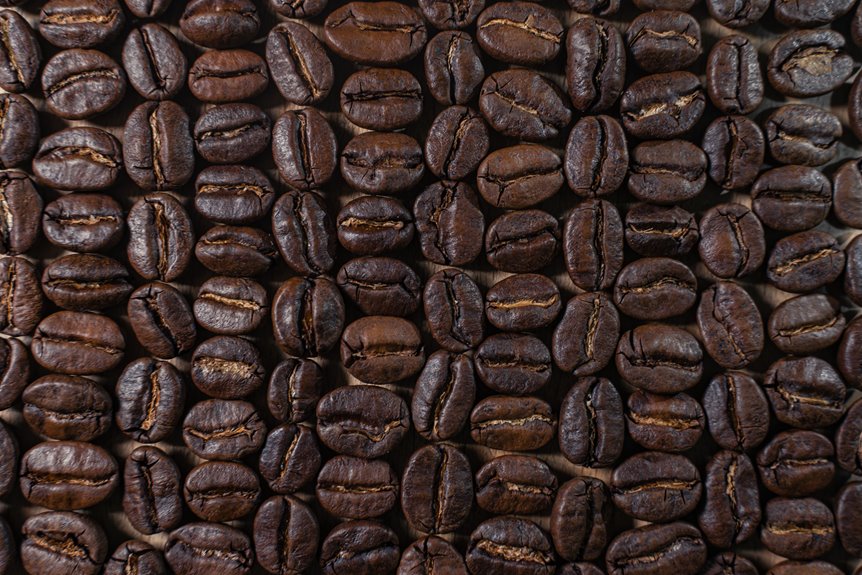
You’re looking for beans that pass bean grading with almost no full defects, and quality control teams watch for mold, severe insect damage, and foreign matter.
A few broken beans won’t ruin a lot, but many chips, black beans, or sour, fermented seeds can.
Those defects hurt cup clarity, and they also create market impact for you and the farmer, since buyers pay less whenever the lot slips.
Good farmer training helps reduce these problems, because careful picking, drying, and sorting keep more beans in the premium lane.
As soon as you know the rules, you can spot the difference fast.
How Origin Shapes Specialty Coffee Flavor
You can taste where coffee grew in every cup, because soil, climate, and altitude shape how the beans develop.
Higher farms often bring brighter, cleaner flavors, while warmer lowlands can create softer, fuller nuances.
Then processing and local growing traditions add another layer, turning origin into a big part of the coffee’s final taste.
Terroir And Altitude
Because coffee plants grow in animate, changing places, terroir and altitude shape flavor in ways you can often taste right away. Whenever you sip a cup, you’re tasting the land that raised it, and that can feel like joining a new home.
Microclimate variability shifts sun, rain, and wind, so each farm gives you a slightly different story. Soil composition adds its own voice, bringing brightness, depth, or a soft earthy edge. Altitude matters too, because cooler air slows ripening and helps flavors stay clean and lively.
- Higher farms often give you sharper acidity.
- Rich soils can build sweetness and body.
- Small weather changes can make your cup feel unique.
Processing And Region
After the coffee cherries leave the farm, processing starts shaping the flavor in a big way, and it can change how the cup feels from the initial sip. You taste this whenever wet, natural, or honey methods bring out different sweetness, body, and brightness.
Then microbial fermentation adds more detail, because careful control can lift fruit notes or soften sharp edges. In many regions, weather, water, and drying space also guide the final cup, so your coffee can feel lively, round, or tea-like.
Whenever you buy from regional cooperatives, you often support growers who share tools, training, and quality checks. That teamwork helps you find a cup that feels both special and familiar, like it was made for your own table.
How Processing Changes Specialty Coffee Flavor
Processing shapes specialty coffee in a big way, and it can turn the same coffee cherry into a cup that tastes bright, sweet, fruity, or even deep and wine-like. Whenever you understand it, you join the people who notice the details that make each sip feel personal.
- Washed processing can lift clean fruit notes and crisp acidity.
- Natural processing can add berries, jam, and a fuller body.
- Honey processing often balances sweetness with a smooth, gentle finish.
Your taste depends on fermentation variables like time, temperature, and airflow, so small changes matter. With sensory mapping, you can link flavors to what you feel in the cup and trust your own palate. That’s how you start tasting coffee like you belong there.
How Roast Level Affects Specialty Coffee
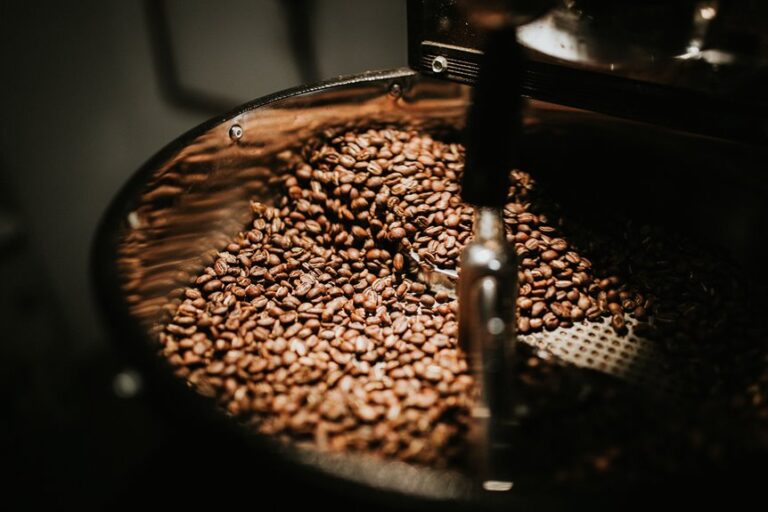
Roast level sits right at the heart of specialty coffee, and it can quietly change everything you taste in the cup. You get brighter fruit notes with lighter roasts, because roast chemistry keeps more of the bean’s natural character alive.
As the roast goes darker, caramel, chocolate, and smoke step forward, and acidity softens. That shift doesn’t make one roast better than another; it just gives you a different path to enjoy. You can regard it like meeting a friend in new lighting, where the same face feels a little different.
Aroma development also changes, so your nose might catch flowers, nuts, or spice before you even sip. Whenever you understand roast level, you feel more at home choosing coffees that fit your mood and your table.
Why Freshness Matters In Specialty Coffee
Freshness matters because coffee starts changing the moment it leaves the roaster, and you can taste that change more clearly than you might envision. Whenever you brew beans soon after roasting, you join a crowd that’s chasing bright flavor, sweet aroma, and a cleaner cup. Should you wait too long, the coffee can feel flat.
- Fresh beans keep more of their lively notes.
- Good grind retention helps the aroma stay in your cup, not drift away.
- Careful packaging oxygenation slows the fade, so your brew stays more vivid.
You don’t need to be a pro to notice the difference. Just trust your senses. Whenever the coffee smells full and tastes balanced, you know you’re in the right place with the people who care about good coffee too.
Why Specialty Coffee Costs More
You pay more for specialty coffee because growers use higher farming standards that take more time, care, and skill.
Careful processing methods also add labor and money, since each step has to protect flavor and quality.
On top of that, the harvest is often limited, so you’re paying for coffee that’s both rare and handled with real attention.
Higher Farming Standards
Because specialty coffee starts at the farm, higher standards there drive much of its price. You’re paying for careful work that protects quality and the people behind it. Farmers who earn sustainable certifications often spend more on training, records, and eco-friendly inputs. They also use soil health management to keep land rich, alive, and productive for longer.
- They pick varieties that fit the local climate.
- They feed the soil with compost and shade care.
- They pay workers fairly and keep farms well managed.
These choices take time and money, but they help your cup taste cleaner and more balanced. So whenever you choose specialty coffee, you’re joining a group that values skill, care, and respect from the very start.
Careful Processing Methods
Careful processing can make or break a coffee’s final cup, and that’s a big reason specialty coffee costs more.
You get more than a bean here. You get time, skill, and attention that protect flavor from the initial step to the last.
During microscopic fermentation, producers watch temperature, moisture, and timing closely so the coffee stays clean and bright.
Then sensory driven sorting removes beans that taste off or look damaged, which helps the whole lot shine.
Whenever you buy this coffee, you’re joining a group that values craft over shortcuts. That shared care shows up in the cup as sweetness, clarity, and balance.
It also means each batch gets handled with patience, not guesswork, so your morning mug feels a little more special.
Limited Harvest Supply
Even with great care at every step, specialty coffee still starts with a small harvest, and that limited supply is a big reason it costs more.
You’re not just buying beans; you’re joining a tiny crop that often feels like a seasonal club.
Because growers pick only the best cherries, the total amount stays low, and crop variability can shrink it even more.
- Bad weather can cut yields fast.
- Handpicking slows the harvest but protects flavor.
- Small farms often release coffees like limited editions.
How To Read Specialty Coffee Labels
Reading a specialty coffee label can feel a little tricky at initially, but once you know what each part means, it gets much easier to trust what’s in your cup. You’re not just buying beans; you’re joining a circle that values care and craft. Look for label terminology like origin, roast date, and processing method, because each one tells you how the coffee was handled. Then check package symbols, since they often show certifications, flavor pointers, or lot details.
| Label part | What it tells you | Why it matters |
|---|---|---|
| Origin | Country or farm | Shows where the coffee came from |
| Roast date | Freshness point | Helps you buy coffee at its best |
| Symbols | Certification or lot info | Adds trust and quick guidance |
When you read labels closely, you choose with confidence and feel more at home in specialty coffee.
Where To Buy Specialty Grade Coffee
Once you know how to spot origin, roast date, and other label details, the next step is finding a place that sells coffee you can trust. You deserve a shop that feels like your coffee home base, not a gamble. Start with:
- Roasters that share lot info and tastings.
- Cafes with a clear direct trade story.
- Subscription boxes that match your taste and ship fresh.
Then check reviews for honest service and steady quality. Local roasters often build the strongest community feel, while specialty grocery stores can offer trusted picks nearby. Provided a seller answers questions fast and explains how they source beans, you’re in good hands. You don’t need fancy buzzwords. You need people who care about your cup and your routine.
How To Brew Specialty Coffee At Home
Brewing specialty coffee at home doesn’t have to feel fussy, and it doesn’t need a lab bench either. You just need fresh beans, good water, and a little care.
Start by choosing a brew method you enjoy, like a pour over, French press, or drip machine. Then match your grind size to that method. A finer grind works for espresso, while a medium grind suits many home brewing setups.
Next, use water just off the boil, and pour evenly so the grounds bloom and open up. Keep your ratio steady, then taste and adjust.
Should your cup feels bitter, attempt a coarser grind. In case it tastes weak, go finer. With a few calm tweaks, you’ll make coffee that feels warm, familiar, and proudly yours.
Frequently Asked Questions
Can Specialty Coffee Be Decaf?
Yes, you can absolutely enjoy specialty decaf. It is a flavor universe in your cup. Careful decaf processing preserves flavor retention, so you can still belong in the specialty coffee crowd without the caffeine buzz.
Is Organic Coffee Always Specialty Grade?
No, you shouldn’t assume organic coffee is always specialty grade. You can find beans with fair trade certification roasted by smallholders that taste exceptional, but specialty status depends on quality scoring, not organic farming alone.
Does Altitude Guarantee Better Specialty Coffee?
No, altitude does not guarantee better specialty coffee; you will still need careful processing and roasting. You can find remarkable single origin lots at many elevations, and cupping observations reveal quality, sweetness, and balance beyond height alone.
Can Espresso Use Specialty Grade Beans?
Yes, you can use specialty grade beans for espresso, and you will taste their clarity and sweetness. Single origin blends work too, and roast level impacts extraction, body, and balance, helping you feel part of the craft.
How Long Does Specialty Coffee Stay Peak Fresh?
You’ll usually taste specialty coffee at peak freshness for 2 to 6 weeks after roasting, depending on roast development and packaging impact. If you store it airtight, you’ll keep that lively, welcoming flavor longer.