

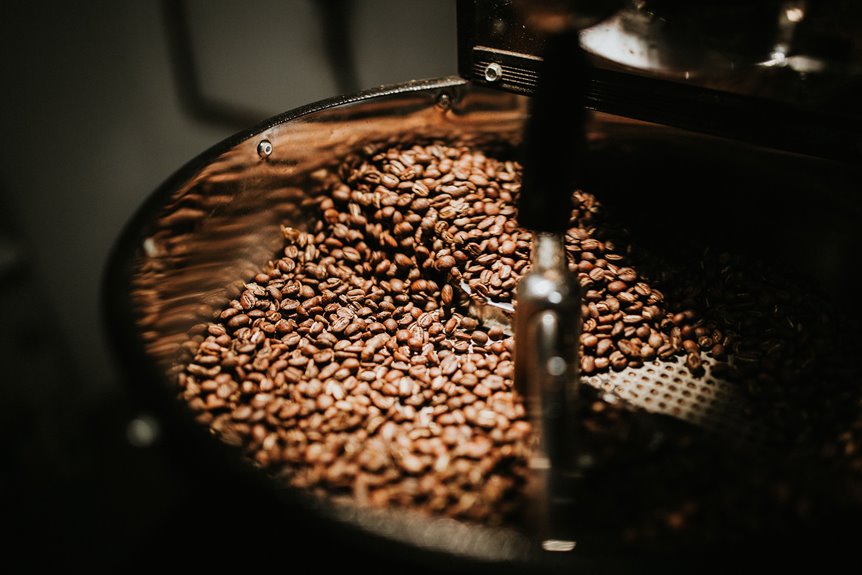
Roasting coffee transforms more than just the color of the beans; it brings out a range of flavors that can surprise your taste buds. The heat alters sugars and acids, creating distinct aroma compounds with each roast level. Light roasts have a bright and sharp profile, while medium roasts provide a smooth and balanced taste. Dark roasts, on the other hand, offer deeper, bolder flavors. The time spent roasting is key, as every additional minute can shift the coffee’s sweetness, body, or even introduce a smoky note.
What Roasting Does to Coffee Beans
At the point coffee beans go into the roaster, they don’t just get hotter; they begin a deep chemical change that shapes almost everything you taste later. You can regard roasting as the moment bean composition starts shifting fast.
Heat breaks down sugars, changes acids, and builds flavor compounds that later bloom in your cup. It also lifts aroma profiles, so the smell feels richer and more welcoming.
Different roasting techniques can highlight regional varieties and the way processing methods shaped the green bean before it reached you. Caffeine levels stay mostly stable, so roasting doesn’t turn coffee into a new drink. Instead, it helps the beans speak more clearly.
Then, as you choose brewing methods, you’re working with those changes and bringing out the character roast has revealed.
How Roast Level Affects Taste
Roast level plays a big role in how coffee tastes, and you can usually notice it in the initial sip. Whenever you choose a lighter roast, you often get brighter flavor profiles and stronger aroma complexity, so the cup feels lively and fresh. A medium roast gives you balance, with gentle sweetness and a fuller body that feels easy to trust. A darker roast leans bolder, with deeper flavors that can feel smooth and comforting.
| Roast level | Taste feel |
|---|---|
| Light | Bright and crisp |
| Medium-light | Sweet and balanced |
| Medium | Round and smooth |
| Medium-dark | Rich and deeper |
| Dark | Bold and strong |
This range helps you find a cup that fits your mood and makes you feel at home.
Why Roast Time Changes Flavor
As you roast coffee longer, you give the beans more heat exposure, and that shifts the flavors you taste.
The Maillard reaction also has more time to work, which builds deeper, toastier flavors, while sugar caramelization rises and can add sweetness or a darker edge.
Heat Exposure Effects
Because heat keeps working on the beans the whole time they roast, roast time has a huge say in how your coffee ends up tasting.
As you stretch out the heat exposure, you give the beans more time to change, and that temperature impact can feel gentle or sharp, depending on the roast.
Shorter heat duration can keep flavors brighter and lighter, while longer roasting can push them toward deeper, bolder characteristics.
You can consider it like tuning a song for your own cup. The beans don’t just get hotter; they respond to every extra second in the drum.
That’s why your roast time matters so much. It helps shape the balance, and it lets you choose a coffee that feels like it fits right in with your taste.
Maillard Reaction Timing
As the beans spend more time under heat, the Maillard reaction has more room to do its quiet work, and that changes coffee in a big way.
With smart Maillard timing, you guide flavor development instead of rushing it, and that can feel reassuring at times you want a cup that fits your taste.
In roasting chemistry, heat management shapes aroma evolution, so you notice sweeter scents, deeper color change, and a fuller texture influence without losing control.
Whenever the roast moves too fast, acidity balance can feel sharp; as it moves with care, your cup feels smoother and more welcoming.
You’re not chasing mystery here. You’re joining a craft where small timing shifts help you build coffee that tastes more alive, more balanced, and more like home.
Sugar Caramelization Levels
Sugar caramelization adds another layer of sweetness and depth to coffee, and it starts to matter more the longer the beans stay in the roaster. As heat keeps working, the bean’s sugar content breaks down and turns into richer flavors.
You might notice soft caramel hints, a touch of toffee, or even a warm brown-sugar feel in your cup. Should the roast stop earlier, those sugars stay brighter and more delicate. Should it go longer, the flavors grow darker and rounder, but they can also lose some sparkle.
That’s why roast time changes flavor so much. Whenever you taste with your crew, you’re really tasting how carefully those sugars were guided. The right level helps your coffee feel familiar, comforting, and just a little special.
Light Roast Coffee Flavor and Acidity
Light roast coffee often greets you with bright acidity that feels lively and sharp on your tongue.
You might also notice floral and fruit-like aromas that make each sip smell fresh and complex.
Because the roast stays light, the coffee keeps a crisp, light body that lets those flavors stand out clearly.
Bright Acidity Notes
Bright acidity is one of the clearest signs that a light roast still holds onto the coffee’s natural fruit and floral characteristics. You’ll notice it as a lively snap on your tongue, almost like bright citrus or tart berries waking up your palate.
That sharp edge doesn’t mean the coffee is sour in a bad way; it means the roast stayed gentle enough to keep the bean’s original character intact. At the moment you sip slowly, you can feel that clean lift make the cup seem fresher and more vivid.
Should you enjoy coffees that feel easy to navigate, this brightness can help you feel right at home. It gives each sip a clear direction, so you can taste the bean’s personality without losing balance or comfort.
Floral Fruit Aromatics
Some coffees open up with a soft, almost perfume-like lift that feels like fruit and flowers sharing the same cup.
As you sip a light roast, you can notice floral characteristics rising initially, then a clean fruit essence that feels bright and lively.
These aromatic compounds stay clearer because the roast retains more of the bean’s original character. That gives you a flavor balance that feels gentle but vivid, not loud.
As you investigate the cup, your sensory experience might shift from jasmine-like sweetness to berry or citrus hints.
Different tasting profiles can help you spot these details, so you don’t feel lost as the cup gets complex.
Should you like coffee that feels welcoming and expressive, this style can make you feel right at home.
Crisp Light Body
That floral-fruit sparkle you observed often appears with a crisp, lighter body that feels airy on your tongue.
Whenever you sip a light roast, you might taste bright acidity initially, then clean crisp hints that elevate the cup instead of burdening it. This body texture helps you notice small flavors with ease, so you can enjoy the roast’s lively side without feeling inundated.
- You get a tea-like feel that stays smooth.
- You taste sharp fruit hints that keep the cup awake.
- You notice a gentle finish that invites another sip.
Because the roast remains light, your cup can feel fresh and welcoming, like it was made for your pace.
Should you appreciate coffee that feels open and friendly, this style provides you that easy comfort.
Medium Roast Coffee Flavor and Balance
As coffee reaches the medium roast stage, it starts to feel more balanced and familiar, which is why so many people land here after trying lighter or darker roasts. You still taste real flavor complexity, but it feels smoother, with less sharpness and less bite.
The aroma profile often gives you warm cocoa, toasted nuts, caramel, and a gentle fruit hint that makes each sip feel welcoming. Because the roast develops longer, the coffee’s sweetness comes forward and its edges soften.
You can enjoy it without feeling like you need to “learn” it initially. Should you want a cup that feels steady, friendly, and easy to share, medium roast gives you that middle ground with comfort and character.
Dark Roast Coffee Flavor and Body
At the point the roast moves into dark territory, the coffee stops acting light and bright and starts feeling bold, deep, and full across your tongue.
With a dark roast, you’ll observe less sharp fruit and more smoky, cocoa, and toasted nuances. That shift can make each sip feel steady and familiar, like the cup has joined your circle.
The body also grows heavier, so the drink can seem richer and smoother.
- You taste deeper roast character.
- You feel a thicker mouthfeel.
- You still get flavor complexity, just in a warmer, darker form.
Choose the Right Roast for Your Brew
Choosing the right roast for your brew starts with considering how you like your coffee to feel in the cup.
Should you want bright fruit, a light roast can keep those lively flavors shining. Should you like a smoother, fuller taste, medium roast often fits well with many brew methods.
For a bolder mug, dark roast brings deeper chocolate and smoky tones, though it can soften sharp acidity.
You can also match roast profiles to your routine. A French press might welcome richer roasts, while pour over can highlight lighter ones.
Frequently Asked Questions
How Does Roasting Affect Coffee Bean Caffeine Content?
Roasting barely changes caffeine content, so you will still get about the same lift. Higher roasting temperature can slightly reduce caffeine stability, but the difference is small and you are still part of coffee’s energized crew.
Can Roasting Remove Defects in Low-Quality Coffee Beans?
No, you cannot roast away defects; you will only cover them with smoke and bitterness. It is essential to identify defects and assess quality initially so you are not guessing. Instead, you will be joining others who choose better beans.
Does Roast Level Change Coffee Bean Density?
Yes, roast level changes bean density. Darker roasts lose more mass, expand more, and become less dense. You can verify this with density measurement since bean expansion helps you compare roasts and feel confident choosing your batch.
How Should Roasted Coffee Be Stored for Freshness?
Store roasted coffee in airtight containers. Keep them cool and dark. Use vacuum sealing whenever possible. You will protect flavor preservation best when storage temperature stays steady. This way, your coffee community can enjoy every cup.
Does Roasting Alter Coffee Bean Aroma Compounds?
Yes, roasting does alter coffee bean aroma compounds. Imagine your morning brew. You will notice caramel and nutty hints replacing grassy ones as aroma development unfolds. This enhances flavor complexity and helps you feel part of the coffee crowd.