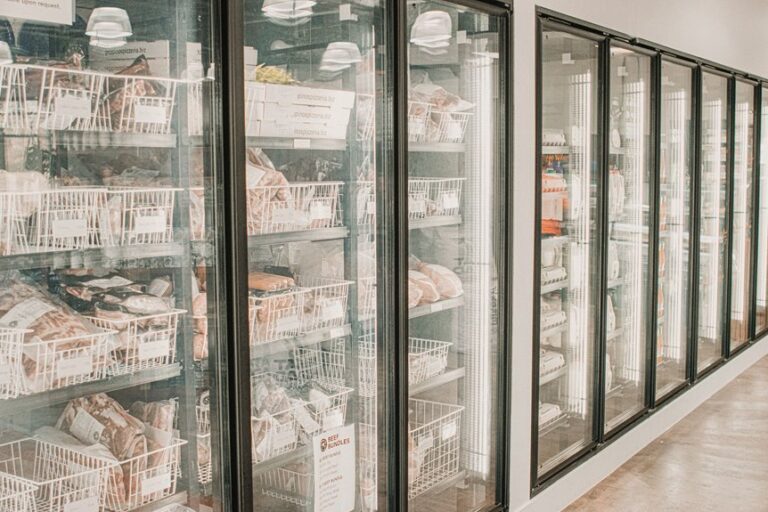

Storing coffee in the refrigerator isn’t the best idea. While it seems like a safe place, the fridge can actually ruin your coffee’s flavor. Coffee absorbs moisture and odors quickly, so it could end up tasting like last night’s dinner. Plus, the cold and frequent door openings can make the beans lose their freshness. Instead, keep your coffee in an airtight container in a cool, dark place to preserve its rich taste and aroma.
Should Coffee Be Stored in the Refrigerator?
Should one store coffee in the refrigerator? You can, but coffee freshness usually drops faster there. Many refrigerator myths suggest cold air protects beans, yet storage temperatures change often, and that hurts flavor preservation.
Instead, use airtight storage containers that block light, air, and moisture. Should you care about brewing techniques, you want beans that stay steady from initial scoop to last. A simple taste comparison shows chilled coffee often tastes flat beside properly kept beans.
Your coffee lifespan stays longer when you store it in a cool, dry cupboard, not beside leftovers. That choice helps you feel confident each morning because your cup keeps more of its natural character.
Should you buy in small amounts, you’ll enjoy fresher coffee and fewer sad sips.
What Happens When Coffee Goes in the Fridge?
Whenever coffee goes in the fridge, it can pick up moisture, odors, and temperature swings that quietly dull its flavor. You might notice your beans or grounds feel less lively, even though they looked fine initially. That shift can chip away at coffee freshness and make flavor preservation harder for you.
Should you keep opening the door, the changing air can also stress the coffee more. So, your morning cup could taste flatter, with less aroma and a softer finish. You deserve coffee that still feels like yours, warm, bright, and full of character.
For that reason, fridge storage often works against the cozy experience you want. Instead of helping, it can slowly rob the cup of the bold taste you were expecting.
Why Coffee Absorbs Moisture and Odors
Coffee acts a lot like a tiny sponge, so it pulls in moisture and smells from the air around it. That’s why one cannot leave it near strong odor sources without noticing moisture effects later. Coffee beans and grounds have tiny pores, and those openings welcome water vapor fast.
| Factor | What It Does | Why You Care |
|---|---|---|
| Humid air | Adds water | Your coffee clumps |
| Open containers | Let odors enter | Smells spread easily |
| Nearby foods | Release strong scents | Coffee picks them up |
When you keep coffee close to onions, spices, or leftovers, it soaks up those smells and feels less fresh. So, should you want to protect your coffee, treat it like part of the group and keep it sealed from damp air.
How Refrigeration Affects Coffee Flavor
Upon refrigerating coffee, the cold can seem helpful, but temperature swings each time you open the door can quickly dull its flavor.
You also risk moisture getting in, which can make your coffee taste flat or stale faster.
On top of that, your fridge can pass along other odors, so your beans or grounds might pick up flavors you never wanted.
Temperature Swings
Even though a fridge can seem like a safe spot, it can actually make your coffee lose flavor faster through repeated temperature swings.
Whenever you open the door, warm kitchen air meets cold beans, then the coffee warms again on the counter. That back and forth hurts temperature stability, and it works against flavor preservation. You want your coffee to stay in a steady spot where its taste can settle in peace.
- Cold air chills the container.
- Door openings bring quick warmth.
- Repeated shifts wake up stale flavors.
If you store coffee near other drinks, the routine gets even busier.
Moisture Absorption
Because moisture moves in quietly, refrigeration can do more harm than you might expect.
Whenever you open the fridge, damp air slips in and settles on the beans or grounds. That small change raises moisture levels, and your coffee starts to lose the crisp character you rely on.
You want flavor preservation, so you need a dry, steady space instead. Even a little condensation can soften the surface and dull the oils that carry aroma and taste.
Should you store coffee in the refrigerator often, you could notice it feeling less lively in the cup. You deserve coffee that tastes like yours, not coffee that’s been slowed down by extra water.
Keep it sealed tight, and let it remain dry for the best results.
Odor Contamination
A strong fridge can seem like a safe home for coffee, but it can quietly work against the flavor you love. Whenever you tuck beans or grounds beside leftovers, you invite odor absorption from onions, cheese, and yesterday’s takeout.
Coffee acts like a sponge, so those smells slip in fast and bring flavor degradation with them. You want each cup to feel familiar and comforting, not like a snack shelf surprise.
- A sealed jar helps, but it still needs a clean spot.
- Cold air can move strong odors into tiny containers.
- Fresh coffee tastes better as long as it stays away from mixed smells.
When the Refrigerator Might Seem Helpful
Should you need a short-term fix, the refrigerator can seem like a safe place to keep coffee, especially at the time your kitchen feels hot, damp, or busy.
In that moment, you might appreciate the fridge benefits of cooler air and a steadier spot away from sunlight. Should you already use airtight containers, the setup can feel easier to manage and a bit more like the ideal conditions you want for a quick hold.
You can also count on it while you’re juggling guests, meals, or a crowded counter.
Still, this choice works best for a brief stretch, not as a default habit. Whenever you need a little breathing room, the fridge can help you protect freshness until you’re ready to brew again.
Why Freezing Coffee Works Better
Freezing coffee works better because the cold slows the flavor changes that make beans taste flat.
You can protect the taste even more through portioning coffee before you freeze it, so you only thaw what you need. That way, each batch stays fresher, and you won’t keep opening one bag over and over like it’s a snack cabinet.
Freezer Slows Flavor Loss
As soon as you store coffee in the freezer the right way, it can slow down flavor loss and help your beans stay fresher for longer.
You give your coffee better flavor preservation because the cold air creates ideal conditions that quiet the oils and aromas you want to keep. That means each cup can still taste warm, rich, and inviting at the moment you need it most.
- You seal in freshness before the air can steal it.
- You keep each roast closer to its original character.
- You protect the cozy smell that makes mornings feel right.
Portion Before Freezing
Portioning coffee before you freeze it makes the whole process work much better, because it keeps the rest of your beans safe from repeated warm air and freezer moisture.
At the time you use coffee portioning, you only open one small pack at a time, so your stash stays fresher and calmer. You can seal each serving in a tight bag or container, then label it with the date.
That simple step fits smart freezing techniques and saves you from thawing more than you need. Next, grab just what you’ll brew this week, and leave the rest frozen.
You’ll feel more in control, and your coffee will thank you with a cleaner cup. It’s a small habit, but it helps you keep your coffee circle strong.
How to Store Coffee at Room Temperature
At room temperature, coffee can stay fresh for a short time whenever you give it the right kind of home. Choose airtight containers, and keep them in a cool, dark cabinet away from heat, light, and damp air.
These coffee storage methods help you guard flavor without much effort.
- Set the container on a shelf, not beside the stove.
- Close the lid tightly after each use.
- Keep the bag or jar away from strong smells.
- Use these room temperature tips to protect your coffee from drying out.
If you drink coffee daily, keep only a small amount within reach and store the rest elsewhere.
That way, you stay ready for your next cup, and your kitchen feels calm, familiar, and welcoming.
How to Store Coffee Beans for Freshness
Fresh coffee beans keep their best flavor as long as one treats them like something worth protecting, because they are. You can keep them happy by using coffee storage techniques that limit air, light, heat, and moisture.
Choose the best containers, like opaque jars with tight seals or valve bags, so your beans stay safe and your kitchen feels a little more like a café you belong in. Store the container in a cool, dark cabinet, away from the stove or sunny windows.
Also, buy only what you’ll use soon, so every cup tastes lively. Should you transfer beans after opening, close the lid firmly each time. Small habits like these help you guard flavor and enjoy coffee that still feels welcoming and fresh.
How to Store Ground Coffee Safely
Ground coffee asks for a little extra care because it loses its flavor faster than whole beans, but one can still keep it tasting good for longer. You fit it into airtight, ideal containers, then place those containers in a cool, dark cabinet away from heat, light, and moisture. That simple step protects the aroma you love.
- Choose small jars so less air stays trapped inside.
- Scoop with a dry spoon to keep clumps away.
- Label the date so you use it while it still tastes lively.
These coffee storage techniques help you feel prepared, not rushed.
Whenever you buy coffee often, you can build a habit that fits your kitchen and your routine. With a little care, your daily cup stays warm, welcoming, and familiar.
Can You Refrigerate Coffee After Brewing?
Yes, you can refrigerate brewed coffee, and sometimes that’s the easiest way to save what’s left after a busy morning. You’ll keep your cup ready for later, and you can turn it into iced coffee without fuss.
Just pour the coffee into a clean, sealed container, then place it in the fridge as soon as it cools a bit. That helps it stay smoother and keeps your kitchen from smelling like yesterday’s pot.
Should you like cold brew, chilled brewed coffee can fit right into that routine, even though it tastes a little different from fresh coffee. You’re still in charge of your mug, and that feels good.
At the time you’re ready, add ice, milk, or sweetener, and enjoy your next sip with no guilt.
Signs Your Coffee Has Gone Stale
As your coffee starts losing its rich aroma, that’s often the initial sign it’s going stale.
You might also notice the flavor turns flat and dull, with less of the bright taste you anticipated.
Even crema can look weak or lifeless, and that small change can inform you the beans aren’t at their best anymore.
Aroma Loss
A fresh bag of coffee should greet you with a strong, inviting smell, so once that scent fades fast, your coffee is probably going stale. You’ll notice aroma loss initially when the bag opens weakly, almost like the beans are shy.
For aroma preservation and flavor improvement, keep an eye on these signs:
- The smell seems faint, even right after opening.
- The grounds no longer fill your kitchen with warmth.
- You have to sniff hard to catch any hint at all.
This change matters because scent helps you feel connected to your brew before you even sip. Should your coffee smell dull, it likely won’t bring the same comfort at the counter.
Store it well, and you’ll protect that cozy, familiar moment you look forward to each morning.
Flat Flavor
Flat flavor often shows up right after aroma loss, because the coffee stops tasting lively even though the beans still look fine. You may notice that your cup feels thin, muted, or oddly one tone.
The flavor profile can lose its sparkle, so the bright edges and sweet finish fade fast. At that point, you won’t get the same taste consistency from cup to cup, and each sip can feel a little disappointing.
Should you brew coffee you know well, this change stands out even more. It’s like your favorite song playing through a cheap speaker. You still hear it, but the magic is missing.
Trust your palate here. Should the taste feel dull and lifeless, your coffee has likely moved past its best days.
Dull Crema
Another clue often shows up in the cup itself, because stale coffee can produce a dull, weak crema that fades too fast. You’ll notice it at the moment the top looks thin, pale, and a little sad, like it lost its coffee confidence overnight.
Fresh espresso gives you a rich layer with good crema texture and steady crema stability. As your shot stales, that layer breaks apart quickly, leaving bubbles that disappear before you can enjoy them.
- The color looks light instead of golden brown.
- The foam settles fast after the pour.
- The surface seems thin, patchy, and flat.
If you keep seeing this, trust your senses. You deserve a cup that feels lively and welcoming, not one that whispers, “I’ve been sitting around too long.”
Common Coffee Storage Mistakes to Avoid
As soon as you store coffee the wrong way, the beans can lose their flavor fast, and that can turn a great morning cup into a pretty sad one.
You don’t need fancy rules, but you do need to avoid common mistakes. Skip clear jars, because light exposure hurts flavor preservation and bean quality. Don’t trust storage myths that say the fridge helps; moisture usually wins.
Instead, choose coffee containers with tight sealing methods and keep them in ideal conditions, away from heat, air, and strong smells. Temperature control matters, so room temp works better than constant moving in and out.
Also, watch storage duration. Coffee stays happier if you buy only what you’ll use soon. These freshness tips protect taste and help you feel like your coffee routine belongs to you.
A Simple Coffee Storage Routine That Works
A simple coffee storage routine can make your mornings feel a lot more dependable, and it doesn’t have to be fussy. You can keep your beans happy through leaving them in their coffee packaging until you’re ready to move them. Then choose one of the ideal containers with a tight seal, and park it in a cool, dark cabinet.
- Keep the bag closed after each pour.
- Scoop only what you need for today.
- Store ground coffee away from heat and steam.
When you follow this rhythm, you protect flavor without adding stress. You’re not building a perfect system; you’re making an easy one that fits your life.
That little bit of care helps your kitchen feel organized, and your next cup tastes like it belongs there.
Frequently Asked Questions
Does Coffee Expiration Differ Between Whole Beans and Ground Coffee?
Yes, whole beans usually last longer than ground coffee. You can maintain better longevity for whole beans and preserve the freshness of ground coffee by storing both in airtight containers and away from heat for richer and better-tasting cups.
Is Vacuum Sealing Better Than Airtight Containers for Coffee Storage?
Vacuum sealing usually wins because it protects your coffee like a loyal guardian in a close-knit community, enhancing flavor preservation better than most airtight containers. Still, you will feel comfortable using either method as long as you store it properly.
Can Coffee Be Stored in the Pantry Near Spices?
Yes, you can store coffee in the pantry near spices, but you should keep it sealed tightly to protect the coffee flavor from spice absorption. This way, your kitchen community’s brews will stay fresh and welcoming.
Does Light Exposure Affect Coffee Freshness as Much as Heat?
Yes, light exposure harms your coffee’s freshness nearly as much as heat. Why let your beans fade alone? You can protect their freshness by storing them in a dark, sealed container, and you will join smart coffee lovers.
Should Flavored Coffee Be Stored Differently From Regular Coffee?
Yes, you should store flavored coffee differently from regular coffee. You will want extra airtight protection for flavor retention and aroma preservation because those added oils fade faster. You deserve every inviting cup.