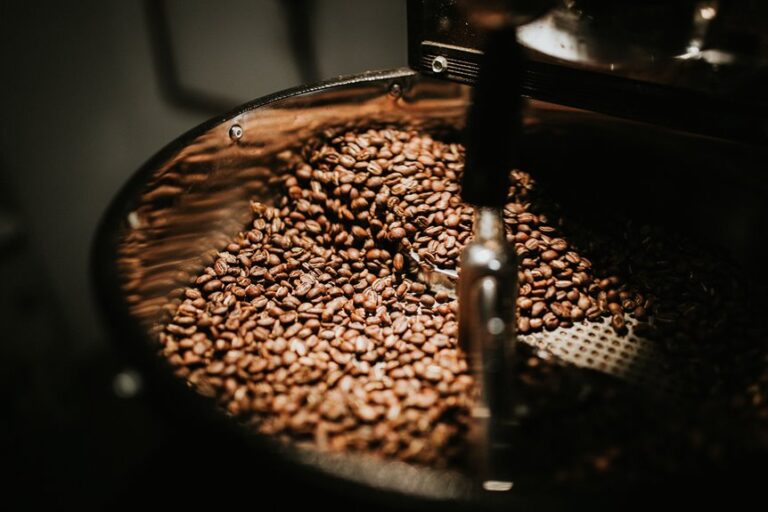

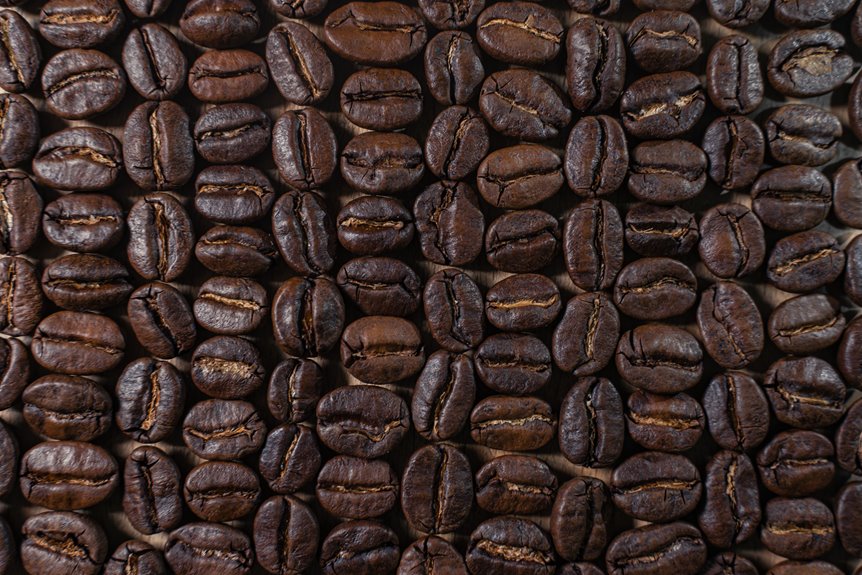
Specialty coffee is high-quality coffee scored and graded by trained tasters. It comes from specific farms and varieties that produce distinct flavor profiles. Careful processing and roasting keep those flavors bright and clean. Brewing choices bring out clarity, balance, and aroma in the cup. Small decisions at every step—from harvest to pour—shape how lively or flat a cup tastes.
What Qualifies Coffee as Specialty?
So, what makes coffee “specialty” instead of just good coffee? You taste a cup that feels clean, bright, and alive, with flavors that stand out because the beans came from careful growing and smart handling.
The terroir influence matters because soil, weather, and altitude shape each bean’s character. You also notice balance, sweetness, and a finish that stays pleasant, not harsh.
Roasters and baristas use cupping protocols to compare coffees in the same fair way, so the bean’s true voice can show up. That’s why specialty coffee often feels like joining a small, welcoming club: you’re not just drinking caffeine, you’re sharing a craft that values quality, respect, and the people behind every harvest.
How Specialty Coffee Gets Graded
After you’ve learned what specialty coffee tastes like, the next question is how graders decide that a lot of beans truly earns the name. You sit with trained tasters who follow strict cupping protocols, and they look for clean aroma, balanced flavor, bright acidity, and a sweet finish.
Each cup gets scored with grading scales that turn those impressions into a number. If a bean shows too many defects, it loses points fast. In case it stays clear and lively, it moves closer to specialty status.
This process helps you trust what you buy, because the score reflects careful attention, not hype. In the end, grading gives you a shared language, so you can feel confident joining the specialty coffee crowd and choosing beans with real quality.
Where Specialty Coffee Is Grown
Although specialty coffee can be roasted and brewed anywhere, it starts in very specific places where climate, soil, and altitude work together. You’ll usually find it in the coffee belt, near the equator, where days stay warm and nights cool off gently. These farms often sit on mountain slopes, so the beans grow slowly and build rich flavor.
Once you learn about origin, you also meet the people behind it, and that sense of community matters. Farmers use microclimate mapping to spot the best pockets of shade, rain, and wind. They also care about varietal conservation, because keeping diverse plants strong helps each harvest stay resilient. So whenever you sip a cup, you’re tasting a place, a season, and a shared effort.
How Specialty Coffee Is Processed
After the coffee cherries are ripe, you pick them at just the right moment so the beans can start with the best flavor.
Then you wash and ferment them to loosen the fruit, and you dry and sort them carefully to protect the clean taste you want in the cup.
Each step matters because it shapes how bright, sweet, and smooth your coffee will feel as you brew it.
Harvesting Coffee Cherries
Harvesting coffee cherries is where specialty coffee begins to show its true character. You’re part of that story whenever growers pick only ripe cherries, because careful selection protects flavor and quality. Sustainable harvesting also matters, since it supports the land and respects pickers’ welfare.
- Pick using hand for better accuracy.
- Choose cherries with deep red color.
- Leave green and overripe fruit on the branch.
- Handle each basket gently to avoid bruising.
As soon as you understand this step, you can see why the harvest feels like a shared effort. Every choice in the field helps your cup taste cleaner, sweeter, and more balanced. That’s the kind of craft that makes you feel connected to the people behind it.
Washing and Fermenting
Once the cherries leave the farm, they still have one more big job to do before they become the coffee you brew at home. You’re part of that trek now, and the initial step is washing away the sticky fruit layer so the bean can breathe.
Then fermentation begins, and it isn’t scary at all. In tanks or clean containers, natural microbes shape the flavor while you watch microbial fluctuations do their quiet work. Some coffees use anaerobic fermentation, which means the beans rest without oxygen and develop deeper, brighter notes.
Because you care about what’s in your cup, these careful steps help create a cleaner taste and a more vivid aroma. Each lot gets attention, patience, and respect, so you can feel like you belong in a craft built for people who love coffee.
Drying and Sorting
Carefully, the coffee keeps moving, and drying becomes the next essential step in protecting its flavor. You help preserve the beans through guiding them via solar drying, where warm air gently lowers moisture without rushing the process.
Then single origin sorting begins, and every bean gets checked for size, color, and quality. This step matters because it keeps your cup clean and bright.
- You spread beans evenly to dry.
- You turn them so they dry well.
- You remove broken or uneven beans.
- You keep only the best lots together.
Because you care about taste, this stage gives you confidence. It also helps you feel part of a coffee community that values skill, patience, and respect for the bean.
How Roasting Changes Specialty Coffee
Roasting changes specialty coffee in a big way, and you’ll notice the difference fast as you compare light and dark roasts.
Light roasts keep more of the bean’s bright, fruity, and floral nuances, while dark roasts bring out deeper, bolder flavors like chocolate, smoke, and spice.
As you taste both, you can see how roasting shapes the cup and shifts the balance between sweetness, acidity, and body.
Light Vs Dark Roasts
As you move from light to dark roasts, you’re not just changing color, you’re changing how the coffee tastes, smells, and feels in your cup.
You can spot the shift with:
- Lighter beans keep more of the origin’s story.
- Darker beans build a bolder, heavier body.
- Roasting longer changes surface oils and shine.
- Your brew method can match the roast you love.
That’s why many specialty drinkers skip the origin myths and equipment myths that say one roast fits everyone.
You belong in the space where your preference matters.
Should you like a bright, lively cup, light roast might feel like home.
Were you to want a richer, deeper sip, dark roast can deliver comfort.
Either way, you’re choosing a roast that fits your daily ritual.
Flavor Changes In Roasting
Once coffee roasts, heat starts to rewrite its flavor from the inside out, and that’s where the real magic begins. You’ll notice bright origin compounds fading as roast chemistry builds new notes of caramel, toast, and spice.
At initially, the bean keeps its lively fruit and floral edges, but as heat rises, sugars brown, acids shift, and aromas deepen. That’s why a cup can move from juicy and sharp to smooth and round.
Should you love specialty coffee, this change helps you taste the craft behind each roast. You’re not losing character, you’re watching it metamorphose.
With the right roast level, you and your coffee meet in the middle, where balance feels warm, familiar, and just a little bit exciting.
What Specialty Coffee Tastes Like
Curiosity often starts with one sip, and specialty coffee usually answers with a bright, clean, and layered taste that feels more alive than a basic cup. You might notice fruit, flowers, chocolate, or nuts, but the cup stays balanced, not loud. In single origin exploration, each bean can tell a place-based story, and tasting vocabulary development helps you name what you feel without guessing.
- Bright acidity that wakes your palate
- Sweetness that softens the edges
- A smooth body that feels steady
- A finish that lingers kindly
Because you’re learning with others who care, the cup can feel welcoming, not intimidating. You don’t need fancy words right away. You just need a little attention, a little patience, and the confidence to trust your own taste as it grows.
How to Brew Specialty Coffee Well
A great cup doesn’t happen through luck, and that’s good news because you can shape it with a few careful choices. You’re already part of a smarter brew when you measure brew ratios, choose fresh beans, and match grind size to your method.
| Choice | Why it matters | Your move |
|---|---|---|
| Brew ratio | Sets strength | Start 1:16 |
| Water temp | Affects extraction | Aim hot, not boiling |
| Water chemistry | Shapes flavor | Use clean, balanced water |
| Grind size | Controls flow | Adjust finer or coarser |
| Brew time | Keeps balance | Taste and tweak |
Next, pour evenly and let the water do steady work. In case your coffee tastes flat, change water chemistry first; should it feel harsh, adjust the grind or brew ratios. You’ll find your rhythm fast, and your cup will start feeling like it belongs to you.
Frequently Asked Questions
Is Specialty Coffee Always More Expensive Than Regular Coffee?
No, you will not always pay more. You can find affordable specialty cups, although single origin blends and micro lot pricing often cost extra. You still get to choose coffee that fits your taste and budget.
Does Specialty Coffee Contain More Caffeine?
Not necessarily. You’ll usually get more caffeine from brew strength than from specialty coffee itself. Don’t buy the origin myths. Your cup can feel stronger, yet beans vary, so you should experiment confidently.
How Long Does Specialty Coffee Stay Fresh After Roasting?
You’ll enjoy specialty coffee best within 2 to 4 weeks after the roast date, as flavors shine. Good storage methods help you keep your beans fresh, so your coffee community never misses a great cup.
Can Specialty Coffee Be Decaffeinated?
Yes, you can decaffeinate specialty coffee, and you will still keep your tribe happy with rich flavor. Through natural decaffeination, single origin decaf can shine like a quiet star, giving you smooth comfort without the caffeine buzz.
Is Specialty Coffee Ethical and Sustainably Sourced?
Yes, you can find specialty coffee that is ethical and sustainably sourced whenever you choose fair trade, direct trade, agroforestry, and farmer cooperatives. You support growers, protect land, and join a community that cares.