
Decaf coffee is regular coffee with most of its caffeine removed before roasting. The process keeps the beans’ aroma and many flavor compounds while reducing the stimulant effect. Several decaffeination methods exist, including solvent, Swiss Water, and CO2 processes, each affecting flavor and chemical makeup differently. Decaf suits people who want coffee taste without strong caffeine effects, useful for evening drinking or caffeine sensitivity. This article explains how decaf is made, how methods differ, and which option fits common preferences and health needs.
What Is Decaf Coffee
Decaf coffee is simply coffee that has most of its caffeine removed, so you can still enjoy the familiar taste, smell, and warmth without the same buzz as regular coffee.
You’re not alone should you want a calmer cup and still feel part of the coffee crowd. Decaf gives you that choice. It lets you sip with friends, unwind after dinner, or enjoy a cozy morning without worrying as much about jitters.
Many caffeine myths make decaf seem weak or fake, but it’s still real coffee with its own place in your routine. The decaf history shows people have wanted this option for years, and that says a lot.
Whenever you pick decaf, you’re choosing comfort, balance, and a cup that fits your day.
How Coffee Is Decaffeinated
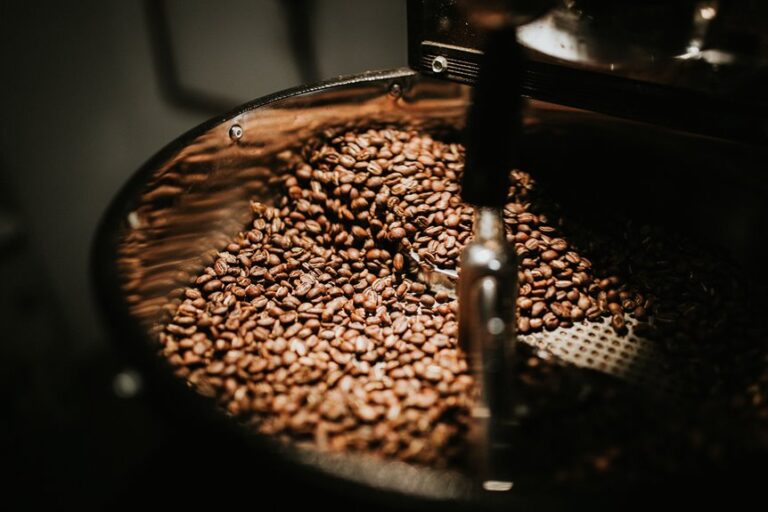
To make coffee decaffeinated, producers remove most of the caffeine from the beans before they’re roasted and ground, and they do it in a few different ways. You still get to keep the familiar coffee taste, which helps your cup feel like it belongs in your routine.
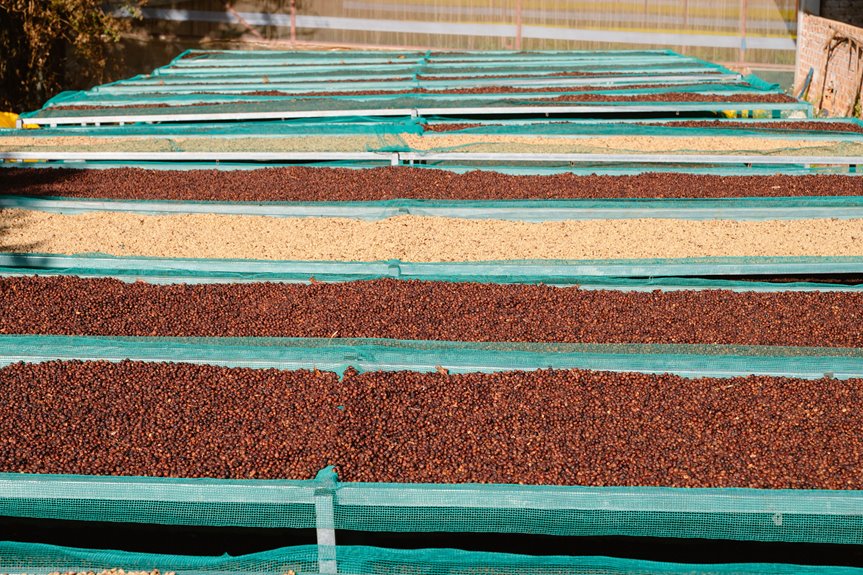
Initially, the beans are moistened so the caffeine can loosen. Subsequently, producers draw it out while protecting the flavor compounds you care about. After that, they dry the beans again so they’re ready for roasting.
This careful process can matter whenever you want a gentler cup for late nights, a smooth cold brew, or even home decaf experiments. So whenever you pour that mug, you’re sharing in the same coffee ritual, just with less caffeine and a little more ease.
Decaf Coffee Methods
Several methods can turn regular coffee into a gentler cup, and each one changes how the beans release caffeine in a slightly different way.
You’ll see solvent-based styles, water-based styles, and carbon dioxide methods on labels, and each can suit a different taste or budget.
Should you care about flavor with a story, look for single origin decafs, since they let you taste one place more clearly.
You can also choose fair trade options, which support growers and make your cup feel more connected to the people behind it.
As you compare methods, notice that some keep more body while others taste brighter. That’s helpful, because you deserve a decaf that still feels like your coffee, not a compromise.
How the Swiss Water Process Works
Because the Swiss Water Process skips chemical solvents, it gives you a cleaner path to decaf without making the coffee feel flat or stripped.
You start with green beans soaked in pure water, which draws out caffeine and other soluble compounds. Then the water passes through a filter that removes only the caffeine. After that, the process uses the same flavor-rich water to bathe a fresh batch of beans, so taste and body stay close to the original.
This careful cycle supports aroma preservation, and it often fits coffee chosen for organic certification. You get a cup that still feels warm, familiar, and easy to love.
Should you want decaf that keeps its character, this method helps you stay part of the coffee moment without the buzz.
How Solvent Decaf Methods Work
At the time coffee makers use solvent decaf methods, they lean on a careful wash-and-rinse system that pulls caffeine out while attempting to keep the bean’s flavor intact.
You might notice two common solvents, and both work through soaking green beans after steam opens their surface. The solvent bonds with caffeine, then workers remove the liquid and rinse the beans so little stays behind.
After that, they dry the beans and send them on for roasting. This process sounds intense, but it’s tightly watched under regulatory standards, and processors analyze for residual solvents so your cup stays safe.
Should you enjoy decaf, you can feel good being aware this method helps you join a crowd that wants smooth coffee without the extra buzz.
How CO2 Decaf Processing Works
Should you want a decaf method that feels a little more high-tech, CO2 processing uses carbon dioxide to target caffeine while leaving most of the bean’s flavor behind. You’re part of a careful process that starts with steaming the beans, which opens tiny pores. Then CO2 extraction pushes in under pressure as a Supercritical solvent, so it acts like a gas and a liquid at once. It slips into the beans, pulls out caffeine, and then gets moved away from the flavor compounds you want.
| Step | What you notice | Why it matters |
|---|---|---|
| 1 | Beans are steamed | Pores open |
| 2 | CO2 enters | Caffeine loosens |
| 3 | Pressure stays high | Selective removal |
| 4 | CO2 leaves | Flavor stays |
| 5 | Beans dry | Ready for roasting |
How Much Caffeine Decaf Coffee Has
Decaf coffee isn’t totally caffeine-free, but it usually comes close enough to ease your mind. You can expect about 2 to 15 milligrams per 8-ounce cup, while regular coffee often has 80 to 100 milligrams or more.
That gap helps you enjoy a warm cup without the same jolt. Still, caffeine variability matters, because beans, roast level, and brewing style can shift the number a bit. That’s why one decaf cup might feel lighter than another.
Should you’re watching your intake closely, lab testing on the label or from the roaster can give you a better clue. So whenever you join the decaf crowd, you’re getting a softer ride, not a zero-caffeine promise.
Does Decaf Coffee Taste Different
Yes, decaf coffee can taste a little different from regular coffee, and that change often comes from the caffeine-removal process itself.
You might notice softer brightness, less bite, and a smoother finish. That doesn’t mean you’re settling for less; it just means your cup has its own voice. Bean quality still matters, so a well-made decaf can taste rich and comforting.
Roast level also shapes flavor perception, while acidity levels can feel lower than in the regular version.
Should you like cozy, mellow cups, decaf could fit right in with your routine. And in case you prefer a stronger edge, you can still find decafs that hold plenty of character. In the end, your taste buds get to join the club too.
Decaf Coffee Health Benefits
Even without the caffeine kick, a cup of decaf can still bring real health perks to your day.
You still get helpful antioxidant content, which helps your body handle everyday stress from free radicals. That matters because your cells work hard all day, and a gentle drink can feel like a smart choice you can count on.
Decaf might also support your gut microbiome by giving you plant compounds that feed friendly bacteria in your digestive system. Whenever those bacteria stay balanced, you could feel more comfortable after meals.
Plus, you can enjoy the coffee ritual with your people, morning or afternoon, and feel included without the jitters.
Possible Downsides of Decaf Coffee
Although decaf skips the caffeine jolt, it can still have a few downsides that are worth being aware of. You might still feel a little caffeine withdrawal should you switch too fast, since decaf usually leaves traces behind. Some cups also taste flatter, and flavor masking can happen whenever roasty or processed notes cover the coffee’s natural sweetness. That can leave you missing the bold kick you know and love.
| Downside | What You Notice | Simple Fix |
|---|---|---|
| Trace caffeine | Mild jitters could fade | Start by mixing it with regular coffee |
| Taste change | Less bite or depth | Try fresher beans |
| Flavor masking | Concealed, muted flavors | Brew carefully |
| Acid sensitivity | Stomach might still react | Choose a gentler roast |
You’re still part of the coffee crew, just with a softer sip.
Who Should Choose Decaf Coffee
Should caffeine leaves you jittery, restless, or wired, decaf can give you the coffee taste without the same buzz.
It’s also a smart pick should you enjoy a warm cup in the evening and don’t want it to mess with your sleep. You can still keep your coffee ritual, just with a calmer finish to your day.
Sensitive To Caffeine
Sensitive to caffeine? You’re not alone. Should coffee leave you jittery, shaky, or wired after just one cup, decaf can help you stay part of the coffee moment without the crash. Your caffeine sensitivity could make even small amounts feel intense, so choosing decaf lets you enjoy the warm mug, rich aroma, and easy conversation with less strain on your body. It can also matter whenever medical interactions require you to limit caffeine with certain medicines or health conditions.
- A calm café table with a soft steam curl
- A cozy morning mug in your hands
- A relaxed smile during a shared coffee break
With decaf, you still get the ritual, the comfort, and the “I’m with you” feeling, just with far less caffeine.
Evening Coffee Drinkers
As nightfall rolls around, you may still want the comfort of a warm coffee, but not the sleep loss that can follow. Should your late night routines include reading, gaming, or finishing work, decaf can help you stay cozy without pushing your bedtime away. You get the ritual, the taste, and the calm moment that feels like yours.
| Why you choose it | How it helps |
|---|---|
| You sip after dinner | You protect sleep hygiene |
| You unwind with friends | You still feel included |
| You need a warm habit | You avoid extra caffeine |
| You crave coffee flavor | You rest more easily |
How to Brew Better Decaf Coffee
Start with fresh, good-quality decaf beans, because brewing can only do so much provided the coffee itself is flat or stale. Then match your grind size to your method. Use a medium grind for drip, a fine grind for espresso, and a coarse grind for cold brew. That small change can wake up sweetness and smooth out bitterness.
- Warm your mug initially so the coffee stays cozy longer.
- Use clean water just off the boil, not roaring hot.
- Steep or brew for the right time, then taste and adjust.
When you brew with care, you join the crowd of people who know decaf can feel just as comforting as the real thing. Tiny tweaks can make your cup richer, calmer, and easier to love.
How to Choose Decaf Coffee Beans
Choosing decaf coffee beans can feel a little tricky at initially, but it gets easier once you know what to look for. Start with the decaf method, because it shapes flavor. You’ll often taste more sweetness and less bite in water processed beans. Next, check the roast date and pick beans that still feel fresh and lively. Then consider flavor notes you enjoy, like chocolate, berry, or nutty tones, so you feel at home with each cup. Should you like clear, bright flavors, try single origin selections. In case you want a smoother, cozy cup, investigate roast profiles pairing that match your taste. Finally, buy from roasters who share clear details, because good info helps you choose with confidence and enjoy your routine.
How to Store Decaf Coffee Properly
Once you’ve found decaf coffee you love, storing it the right way helps protect that gentle flavor from fading too fast.
Keep your beans or grounds in airtight containers, because air steals taste and leaves you with a flat cup. Choose cool storage, like a pantry shelf away from the stove, oven, or sunny windows.
- A dark glass jar sitting on a quiet shelf
- Fresh grounds sealed tight after your morning pour
- A tidy pantry where the aroma stays tucked in
If you buy whole beans, grind only what you need. Also, avoid the fridge, since moisture can sneak in and spoil the flavor. With a little care, you’ll keep each cup comforting, familiar, and ready for your next calm coffee moment.
Frequently Asked Questions
Can Decaf Coffee Be Used in Espresso Machines?
Yes, you can use decaf coffee in your espresso machine, and you’ll still pull a rich shot. You might notice differences in crema, so try adjusting the grind to help your brew feel right and satisfying.
Is Decaf Coffee Safe During Pregnancy?
Yes, decaf coffee is usually safe during pregnancy, but you should still watch your intake: warm comfort, lighter buzz. You can fit it into pregnancy nutrition while keeping fetal caffeine low and feeling included.
Does Decaf Coffee Expire Faster Than Regular Coffee?
No, you usually do not notice faster spoilage; you will see flavor loss sooner if you do not store it well. You can keep decaf fresh for months in airtight, cool storage, just like regular coffee.
Can Decaf Coffee Be Frozen for Long-Term Storage?
Yes, you can freeze decaf coffee for long-term storage, but airtight packaging matters. You will extend freezer lifespan and avoid flavor loss, though texture changes can happen. If you plan to share or use it gradually, freeze small portions.
Is Decaf Coffee Available in Instant Form?
Yes, you can find instant decaf, and you’re not alone in preferring it. You’ll also see soluble decaf options, so you can enjoy a quick cup that fits your routine and feels familiar.