

Cuban coffee is more than just a caffeine fix; it’s a vibrant part of Cuban culture. Each tiny cup packs a punch with strong espresso and sweet, whipped sugar on top. This delightful mix not only energizes but also brings a sense of community and tradition. People enjoy it during meals, in the morning, or while visiting friends. The magic lies in its preparation, making each sip a little celebration of life and connection.
What Is Cuban Coffee?
Cuban coffee is a bold, sweet espresso drink that brings a lot of personality in a small cup. You’ll taste a strong roast, then a smooth burst of sugar that softens the edge.
In Cuban culture, it’s more than a drink because it helps people connect, chat, and feel at home together. You might hear it called cafecito, and that name fits the friendly mood it creates.
During daily coffee rituals, you can share it after meals, at work, or whenever neighbors stop by. It’s usually served in tiny cups, so you can enjoy a quick, lively sip without feeling rushed.
Should you want something warm, social, and comforting, Cuban coffee gives you that welcome in every pour.
The Origins of Cuban Coffee
A little steam and sugar tell the story of how Cuban coffee took shape. You can trace it back to Cuban heritage, where Spanish influence met island life and shaped a drink people could share with honor.
As families settled into daily routines, coffee culture grew around morning talk, neighborhood visits, and the warm welcome of a tiny cup. You feel that history in every sip, because this coffee became more than a drink. It became a sign that you belong at the table.
Over time, people kept the tradition close, passing it from one generation to the next. That steady habit helped Cuban coffee become a comfort, a ritual, and a familiar part of home.
Cuban Coffee Beans and Roast Style
Cuban coffee usually starts with beans from Latin America, and you can taste that origin in every cup.
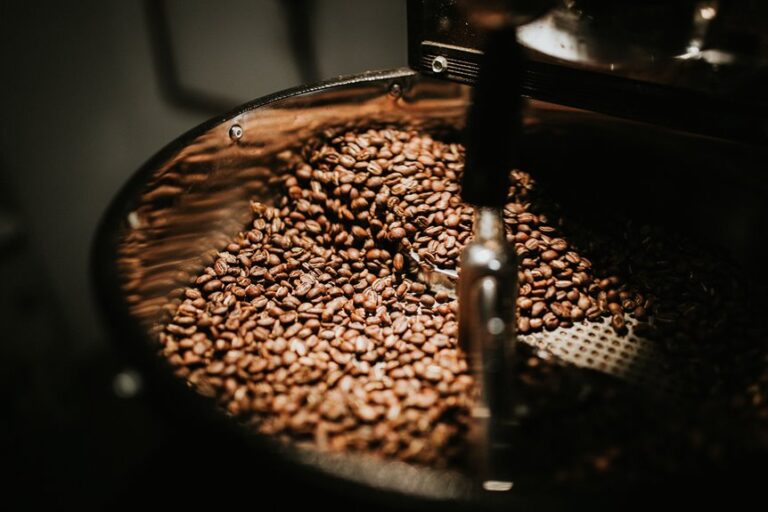
The roast runs dark, so the beans pick up a bold body, low acidity, and a smooth sweetness.
As a result, you get a deep aroma and a rich flavor that feels strong, warm, and a little bit cozy.
Bean Origins
Bean choice shapes the soul of the cup, and that’s where Cuban coffee starts to stand out. You’ll often find bean varieties from Latin America, especially Arabica, chosen for their clean taste and smooth body.
In Cuba, growers and roasters care about regional differences, because climate and soil can shift the flavor in small but significant ways. That means your cup could feel brighter from one area and a little rounder from another.
Many blends also bring in beans from nearby countries, which helps create a familiar, welcoming taste. Whenever you sip Cuban coffee, you’re tasting a tradition built on local skill and shared habits.
It’s not about fancy tricks. It’s about making you feel at home, one strong, honest cup at a time.
Dark Roast Profile
Because of the way Cuban coffee is roasted, the dark roast profile gives the cup its bold, deep character. You get beans taken well past a light stage, so the sugar in them browns fast and the body feels fuller. That style helps you fit right in at a lively café table, where every cup feels familiar and welcoming.
| Roast look | What you notice | What it means |
|---|---|---|
| Very dark | Shiny surface | Oils rise during roasting |
| Deep brown | Thick body | The cup feels rich |
| Fine grind | Dense finish | The flavor profile stays strong |
When you choose this dark roast, you choose a style that speaks clearly and confidently. It gives you the same steady strength other Cuban coffee lovers enjoy.
Flavor And Aroma
That dark roast profile also sets the stage for the flavor and aroma you notice in Cuban coffee right away. You get a bold, smooth sip that feels warm and familiar, like you’ve joined a table where everyone knows your name.
The initial taste experience usually brings dark chocolate, toasted sugar, and a light smoky edge. Then the aroma characteristics rise fast, wrapping you in a sweet, rich scent that can feel almost creamy.
Because the beans are roasted deeply, the bitterness stays in check during brewing well, so you can enjoy a strong cup without losing balance.
As you keep sipping, you’ll notice a lively finish that lingers kindly and invites one more taste.
How Cuban Coffee Is Brewed
At the moment you brew Cuban coffee, you force a strong espresso shot through finely ground beans, which gives the drink its bold, rich base.
Then you whisk the initial drops with sugar to make a sweet, light foam called espuma, and that step gives it its signature taste.
Should you use a stovetop pot instead, you’ll still aim for that same strong brew, just with a slower, steadier method.
Espresso Extraction Method
Cuban coffee starts with a fast, bold espresso-style extraction that gives it its strong taste and thick body. You use a small amount of finely ground coffee, then push hot water through it quickly with steady pressure.
This approach follows classic espresso techniques, but Cuban makers often favor a slightly darker roast and a shorter pull. Because of that, the drink feels rich, sharp, and full of spirit.
You’ll notice that extraction variables matter a lot, like grind size, water temperature, and brew time. Whenever you keep them tight, you get a concentrated cup that welcomes you in with confidence.
Sugar Foam Creation
Next comes the sweet part that gives the drink its signature charm. You whisk a little hot espresso with sugar until it turns pale and glossy, almost like a tiny dessert for your cup.
That initial mix matters because it sets the base for the foam. With the right sugar ratios, you get enough body without making it heavy or grainy. Keep stirring with steady energy, and you’ll see the texture thicken into a smooth crema-like paste.
Good foam techniques help you trap air, so the mixture becomes light and shiny. Should you rush, the foam falls flat, and nobody wants that.
At the moment you do it well, you join a warm coffee tradition that feels welcoming, familiar, and full of care.
Stovetop Brewing Steps
To brew Cuban coffee on the stove, start with filling the lower chamber of your moka pot with fresh water up to the fill line. Then add finely ground espresso to the basket without packing it down too hard.
Set the pot on medium heat, and keep the lid open so you can watch the brew begin. As the stovetop method warms, sugar foam from the earlier step helps turn the initial drops into rich espuma.
Once the top chamber fills, remove the pot right away to avoid a bitter taste. Pour the coffee slowly over the foam, then stir gently so you keep that sweet, bold texture.
With these brewing tips, you’ll feel right at home making a cup that tastes like it belongs in a lively Cuban kitchen.
Why Cuban Coffee Tastes So Sweet
Even before the cup reaches your lips, Cuban coffee hints at sweetness because the brew usually starts with finely ground beans and ends with a whipped sugar foam called espumita. You taste that comfort because sweetness factors work together, and the brewing techniques pull the cup toward a smoother edge.
The strong coffee meets sugar promptly, so the flavor feels warm and familiar, like a shared table.
- You build a bold base.
- You blend sugar into the initial drops.
- You create a silky balance.
- You get a cup that feels welcoming.
That mix can make you feel at home fast. Instead of a sharp bite, you get a rounded taste that invites another sip.
In your kitchen, this style helps you share something joyful and familiar.
The Signature Cuban Coffee Foam
You’ll notice Cuban coffee’s signature foam on top, and it comes from whipping sugar with the initial drops of hot espresso until it turns light and creamy.
That foam matters because it gives each sip a smooth start, a richer body, and that bold, classic finish you expect.
Once you know how it forms, you can see why it’s such a small detail with a big role.
How Foam Is Made
Cuban coffee gets its signature foam from a quick, lively step called espumita, and it starts with sugar and the primary strong drops of brewed coffee. You whisk those drops with the sugar until the mixture turns pale and glossy. That’s where the foam texture begins to form, and the sugar ratio matters because too little won’t lift, while too much can weigh it down.
- Catch the initial drops.
- Add sugar right away.
- Stir fast and steady.
- Watch for a thick, creamy top.
As you keep going, the mix traps tiny air bubbles and grows into that familiar cap you recognize from the café. You’re not just making foam. You’re joining a warm Cuban ritual that feels friendly, shared, and full of satisfaction.
Why Foam Matters
The foam on Cuban coffee does more than sit on top of the cup. It gives your initial sip its warm welcome, and it signals that someone cared enough to whisk the sugar well.
Whenever you see that glossy layer, you can trust the foam texture to be light, sweet, and silky. That small crown also carries cultural significance because it connects you to kitchens where families share cafecito and slow moments together.
So at the time you pour or drink it, you’re not just tasting coffee. You’re joining a ritual that feels close, familiar, and proud.
The foam brings people in, and it turns a simple cup into something that says, “You belong here.”
Cuban Coffee Drinks: Cafecito, Colada, and Cortadito
Warm, sweet, and full of energy, these three drinks sit at the heart of Cuban coffee culture. You’ll fit right in whenever you know cafecito culture and how colada sharing brings people together.
- Cafecito gives you a tiny, strong, sweet shot that feels like a warm hello.
- Colada comes in a bigger cup, so you can pour and pass it around with friends.
- Cortadito softens the coffee with milk, giving you a smoother sip.
- Together, these drinks help you join the moment, share stories, and feel welcomed fast.
Whenever you choose one, you’re not just drinking coffee. You’re stepping into a routine that values connection, kindness, and easy conversation.
That’s why each cup feels like it already knows you.
Cuban Coffee vs. Espresso
Should you have ever contemplated how Cuban coffee compares with espresso, the answer starts with roast, pressure, and taste.
You’ll notice Cuban coffee utilizes a darker roast and a sweet crema, so it feels bolder and smoother than classic espresso. In coffee culture, that difference matters because it shapes the whole mood of the cup.
Cuban espresso, often referred to as cafecito, carries a rich caramel edge from sugar whipped with the initial drops. Espresso, in contrast, maintains a cleaner, sharper profile and lets the bean speak more clearly.
Should you love strong coffee but desire warmth and welcome too, Cuban coffee can feel like your seat at the table. Espresso might wake you up, but Cuban coffee tends to invite you in.
How Cuban Coffee Is Served
Cuban coffee is usually served in a way that feels social, fast, and a little special, even as the cup itself is small. You’ll often get a tiny cafecito in a demitasse, and that fits Cuban traditions perfectly.
The serving styles invite you to pause, smile, and share. In coffee culture, the drink often shows up with strong sweetness and a rich foam, called espuma, which makes each sip feel warm and familiar.
- You might sip it alone, but it’s often shared.
- You can pour it into small cups for everyone.
- You could see it served after a meal.
- You’ll notice social rituals built around offering it initially.
These details help you feel included, because Cuban coffee isn’t just served, it’s passed around with care.
Cuban Coffee in Daily Life
In daily life, Cuban coffee often acts like a small pause button that helps people start the day, reset in the afternoon, or welcome a visitor with care.
You could find it woven into Cuban coffee rituals that feel warm and familiar, even as life gets busy. A tiny cup can bring you closer to family, neighbors, and coworkers because it invites talk, laughter, and a shared moment.
During daily consumption, you might reach for it after lunch or before a long task, and that routine can feel comforting. It’s less about rush and more about connection.
As you join in, you step into a rhythm that says you belong, and that simple feeling can brighten an ordinary day.
How to Make Cuban Coffee at Home
Making Cuban coffee at home is easier than it sounds, and it can turn an ordinary morning into a small treat. You’ll feel right at home once you gather a few Cuban coffee equipment pieces and a strong, dark roast.
Next, follow simple brewing techniques that build that sweet, bold flavor people love.
- Fill the lower chamber with water.
- Add finely ground coffee to the filter basket.
- Brew it on medium heat until the rich stream starts.
- Stir a little sugar into the initial drops, then pour and enjoy.
When you make it this way, you join a warm tradition that feels shared, not distant.
And that little cup can make your kitchen feel like family.
Common Cuban Coffee Mistakes
Even a small slip can throw off your cup, so it helps to know the most common Cuban coffee mistakes before they sneak into your routine.
You may use too much water, which weakens the bold taste, or grind the coffee too coarse, which can dull the crema. Also, rushing the sugar step can leave you without that sweet, thick espuma people love.
In coffee preparation, timing matters, so don’t walk away while the brew heats. Instead, stay close and watch the flow.
Then, whenever you practice brewing techniques, keep your flame gentle and your tools clean. Should you skip these details, the flavor can feel flat and the experience can lose its warmth.
Small fixes help you feel at home with every cup.
Best Foods to Pair With Cuban Coffee
Cuban coffee tastes best whenever you pair it with foods that match its bold, sweet, and lively character, and that gives you plenty of tasty room to play.
- Guava pastelitos bring flaky pastry pairings that feel right at home with your cafecito.
- Croquetas add a salty bite, so your sip stays smooth and satisfying.
- Tostada with butter gives you a simple, warm match that many families love.
- Sweet breads or churros work well at the moment you want traditional snacks with a soft, sugary finish.
As you choose these foods, you join a familiar table and make every cup feel more welcoming.
You don’t need anything fancy. You just need flavors that respect the coffee’s strength and keep you smiling between sips.
Frequently Asked Questions
Is Cuban Coffee Always Made With Dark Roast Beans?
No, you do not always use dark roast beans for Cuban coffee. You can choose lighter roasts, though dark roast is traditional. Your coffee preparation shapes flavor so you still belong to the classic style.
Does Cuban Coffee Contain More Caffeine Than Regular Espresso?
Typically, you will find that Cuban coffee has a caffeine content similar to regular espresso. The comparison between Cuban coffee and espresso depends on the size of the shot and the type of beans used. You will still enjoy a bold experience that creates a sense of belonging.
Can Cuban Coffee Be Made Without a Moka Pot?
Yes, you can make Cuban coffee without a moka pot. You will still achieve that rich flavor profile using other brewing methods, allowing you to join in the tradition and enjoy the experience.
Is Cuban Coffee Traditionally Drunk Only After Meals?
No you are not limited to after meals. In Cuba you will often share coffee anytime. One statistic says 80 percent of adults drink it daily. Cuban traditions favor social moments and meal pairings are flexible welcoming and communal.
What Makes Cuban Coffee Different From Other Latin American Coffees?
Cuban coffee stands out because you brew it with sugar, resulting in a sweet crema and a bold, concentrated taste. This unique flavor feels welcoming and makes you feel part of a warm tradition.