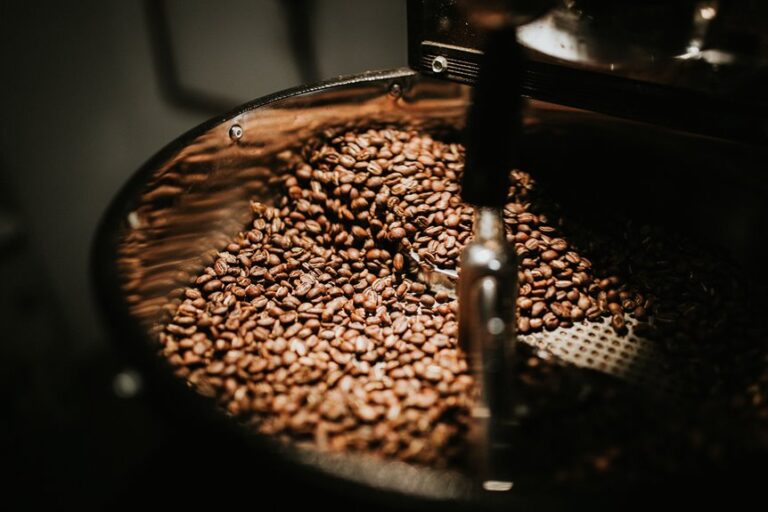


A cappuccino is a delightful espresso drink that combines rich coffee, warm steamed milk, and a velvety layer of foam. This trio creates a harmonious balance, allowing you to enjoy bold flavors with a smooth texture. The contrast between the espresso and the milk foam makes each sip a unique experience. Unlike a latte, which has more milk, a cappuccino emphasizes the espresso, making it taste stronger. It’s this special mix that sets the cappuccino apart and keeps coffee lovers coming back for more.
What Is a Cappuccino?
A cappuccino is a classic espresso drink that feels both simple and special at the same time. You meet a drink with deep espresso history and a warm place in coffee culture.
Whenever you order one, you join a familiar ritual that many people love because it feels inviting, steady, and a little comforting. You can spot its charm in the way it brings people together at cafes, morning tables, and quick breaks during busy days.
It gives you a small moment that feels like yours, even while you share the room with strangers. That sense of belonging matters.
You’re not just getting a beverage. You’re stepping into a tradition that has helped shape how people connect, relax, and start their day with ease.
Cappuccino Ingredients and Ratios
The beauty of cappuccino starts with just a few simple ingredients, but the balance matters more than you might realize. You belong in this coffee circle the moment you know the classic mix.
In cappuccino history, the drink grew from simple café traditions, while espresso origins gave it its bold base.
- Espresso: one shot gives you the strong heart of the drink.
- Steamed milk: it softens the edge and adds comfort.
- Milk foam: it sits on top and gives that light, airy feel.
- The usual ratio: one part espresso, one part milk, one part foam.
That balance keeps each sip smooth, rich, and familiar. At the time you understand these parts, you can order with confidence and feel at home in any café.
How a Cappuccino Is Made
Once the ingredients are ready, making a cappuccino becomes a simple, careful process that feels easier than it looks.
You start with fresh espresso extraction, letting the shot run into your cup with steady pressure and a rich aroma.
Then you move to milk frothing, where you heat and stretch the milk until it feels smooth and light.
You don’t need to rush. Instead, you guide the milk so it blends well with the espresso, creating a balanced drink that feels welcoming and familiar.
Should you be new to it, that’s okay. Every cup teaches you a little more, and your hands get more confident each time.
Soon, you’ll know the rhythm, and your cappuccino will feel like something you made just for you.
What Gives Cappuccino Its Foam?
Cappuccino gets its foam from milk, but not just any milk stirred through chance. You create it through careful milk frothing, which traps tiny air bubbles and builds that soft cap you love. The foam feels light because the milk proteins hold those bubbles in place, giving strong foam stability.
- You start with cold milk.
- You heat it while adding air.
- You stop before it gets too hot.
- You pour it right away.
Each step matters, because the foam should sit on top and stay silky, not collapse into a sad puddle.
Once you join this process, you get a drink that feels warm, friendly, and made for your hand. That gentle layer helps you enjoy every sip with comfort.
Cappuccino Vs. Latte Vs. Flat White
Now that you know how cappuccino gets its airy top, it’s easier to spot what makes it different from a latte or a flat white. Your coffee preferences guide the choice.
A cappuccino usually feels bolder, with stronger espresso strength and a lighter pour. A latte uses more milk types, so it tastes softer and creamier.
A flat white sits close to a latte, but its foam texture stays thinner and silkier, which lets the coffee speak more clearly. As you compare flavor profiles, you’ll notice cappuccinos feel balanced and lively, while lattes lean smooth and flat whites feel rich.
Brewing methods and serving sizes also shape the cup. These drinks carry cultural significance too, so picking one can feel like choosing your spot in a friendly coffee crowd.
Traditional Cappuccino Rules in Italy
In Italy, one will usually find a cappuccino built with equal parts espresso, warm milk, and silky foam, so the drink stays balanced and light.
You’ll also notice that locals often order it in the morning, since many Italians see it as a breakfast drink, not an all-day pick-me-up.
And should you want to keep it traditional, skip the toppings because a true cappuccino keeps things simple and clean.
Equal Coffee-Milk-Foam Ratio
A true Italian cappuccino follows a simple balance: one part espresso, one part steamed milk, and one part milk foam. You can taste that balance in every sip, and it helps you feel like you belong at the counter with the regulars.
- The espresso gives you a bold base.
- The milk brings a smooth, warm center.
- The foam adds lightness and keeps the top neat.
- The equal split supports milk texture and foam stability, so each layer stays clear.
When the ratio stays even, your drink feels complete, not heavy. You don’t need extra tricks to enjoy it. You just need the right mix, the right pour, and a cup that welcomes you in.
Morning-Only Ordering
Because cappuccino culture in Italy follows a strong morning rhythm, you’ll often hear that it belongs at breakfast and not after lunch.
Once you join that rhythm, you fit right into the local coffee culture without trying too hard. A cappuccino feels like part of your morning routine, something warm and familiar before the day gets busy.
In many cafes, you can order it with a pastry, then move on to a stronger coffee later. That pattern helps you blend in and enjoy the moment with confidence.
Should you want to feel at home in Italy, this simple rule helps. It shows respect for local habits, and it lets you share the same easy start many people do each day.
No Toppings Allowed
Upon ordering a cappuccino in Italy, you’ll usually get it plain, with no whipped cream, no syrup, and no extra toppings. That’s part of cappuccino culture, and it helps you fit in without trying too hard. You don’t need to guess what’s proper, because coffee etiquette stays simple here.
- You get milk foam, not dessert.
- You taste the coffee initially, not sugar.
- You respect the barista’s craft.
- You join the local rhythm.
If you want to feel welcome, keep it classic. A plain cappuccino says you understand the moment and the people around you.
It also lets the smooth espresso and warm milk do the talking. Once you follow this rule, you’re not missing out. You’re stepping into a tradition that locals trust and enjoy.
Popular Cappuccino Variations
You can start with the classic Italian style, where a bold espresso base meets a thick layer of milk foam.
From there, you’ll see how flavored twists add vanilla, caramel, or chocolate without losing that cozy cappuccino feel.
Should you desire something cooler, iced cappuccino versions keep the same rich taste and give you a revitalizing sip for warmer days.
Traditional Italian Style
Traditionally, an Italian cappuccino keeps things simple, balanced, and comforting, which is part of why so many people love it. You join a warm Italian coffee habit that grew from espresso culture, traditional rituals, and coffee history. In many cafés, the cup arrives small, with smooth foam and a steady hand from artisan techniques.
- You sip it in the morning.
- You notice the clean flavor profiles.
- You respect serving etiquette and order it before noon.
- You welcome regional variations without losing the classic feel.
Because this style stays faithful to tradition, you feel part of a shared rhythm, not just a drink order. That sense of belonging makes each cup feel familiar, even on a busy day.
Flavored Cappuccino Twists
Should one love the calm, classic feel of a traditional cappuccino, flavored versions let a person keep that comfort while adding a little personality.
You can ask for flavored syrups like vanilla, caramel, or hazelnut, and they blend smoothly with the espresso and milk foam.
Should you want more warmth, seasonal spices such as cinnamon, nutmeg, or pumpkin spice can make each sip feel familiar and cozy.
These twists help one fit in at a café while still choosing a drink that feels like yours.
You don’t have to give up the cappuccino balance you already enjoy. Instead, you can investigate small changes that match your mood, your favorite season, or the friends you’re sharing the moment with.
Iced Cappuccino Versions
Iced cappuccino brings the same bold coffee comfort in a cooler, lighter form, and that change makes it easy to enjoy during the weather feels too warm for a hot cup.
You can still feel part of the café crowd while you sip one at home. The key is balance, so your drink stays creamy, chilled, and rich.
- Try classic iced cappuccino recipes with strong espresso, cold milk, and foam.
- Add vanilla or caramel whenever you want a gentle sweet lift.
- Make a seasonal iced cappuccino with pumpkin spice in fall or mint in winter.
- Top it with cocoa or cinnamon for a cozy finish.
Because you get that familiar coffee bite, you won’t miss the hot version.
You’ll just find a cooler way to belong.
How to Order a Cappuccino
Whenever you order a cappuccino, a little clarity goes a long way, and it can save you from standing at the counter feeling unsure. You can start with a simple request, then add your size, hot or iced, and any milk choice.
Should you want less foam, say so clearly. These ordering tips help you sound relaxed and confident. You also fit in with the café crowd as you follow basic café etiquette, like speaking politely and moving forward when your turn comes.
In case the menu feels busy, take a breath and ask the barista to help you choose. That quick question can turn nerves into ease. Soon, you’ll feel like you belong there, not like you’re guessing your way through a secret coffee club.
Best Coffee Beans for Cappuccino
The beans selected can make your cappuccino taste smooth, bold, or flat, so it helps to know what works best before grinding a single bean.
For the best brewing, choose beans that match your taste and your milk:
- Medium roasts bring sweet balance and calm bitterness.
- Dark roasts add a rich edge that still shines through foam.
- Beans from coffee origins like Brazil or Colombia often taste nutty and chocolatey.
- Freshly roasted beans usually give you a fuller cup and a warmer aroma.
You’ll fit right in whenever you pick a bag that feels inviting, not intimidating.
Should you like a gentler sip, go lighter.
Should you want more punch, lean darker.
Either way, the right beans help your cappuccino feel familiar, comforting, and just right.
How to Make Cappuccino at Home
Making cappuccino at home can feel easier than it sounds, especially once you break it into a few simple steps.
Initially, gather your cappuccino equipment: a coffee maker or espresso machine, a frothing pitcher, and a cup you love.
Then brew one shot of espresso and pour it into your mug.
Next, heat cold milk until it’s warm, not boiling, because that helps with smooth milk frothing.
Should you have a steam wand, swirl the pitcher gently while you froth. Otherwise, a handheld frother works well too.
After that, tap the pitcher lightly to settle the foam, then pour the milk over the espresso and spoon a little foam on top.
You’re not just making coffee. You’re creating your own cozy café moment.
Frequently Asked Questions
Does Cappuccino Contain More Caffeine Than Espresso?
No, cappuccino usually contains less caffeine than espresso. The caffeine content is lower in cappuccino because it adds milk, so you are still enjoying coffee.
Can Cappuccino Be Served Iced?
Yes, you can serve cappuccino iced and it is easier than you might think. Iced variations allow you to enjoy flavor combinations that suit your taste, so you will still feel right at home.
What Cup Size Is Best for Cappuccino?
You will typically enjoy cappuccino best in a 5 to 6 ounce cup with cup dimensions that keep the foam balanced. Follow serving suggestions from your café crew and you will feel right at home.
Is Cappuccino Sweet by Default?
No, you do not get sweetness by default. A cappuccino usually has a balanced trio of flavors, with sweetness levels depending on the milk and espresso. Flavor variations allow you to find your perfect café home.
How Long Should Cappuccino Foam Last?
Your cappuccino foam should last about 2 to 5 minutes, depending on foam stability and texture. You will notice a silky cap that gradually settles, making you feel right at home with each sip.