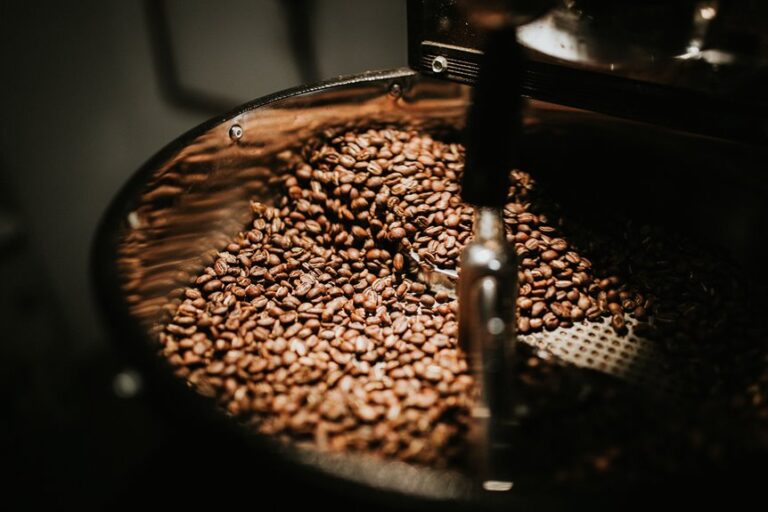

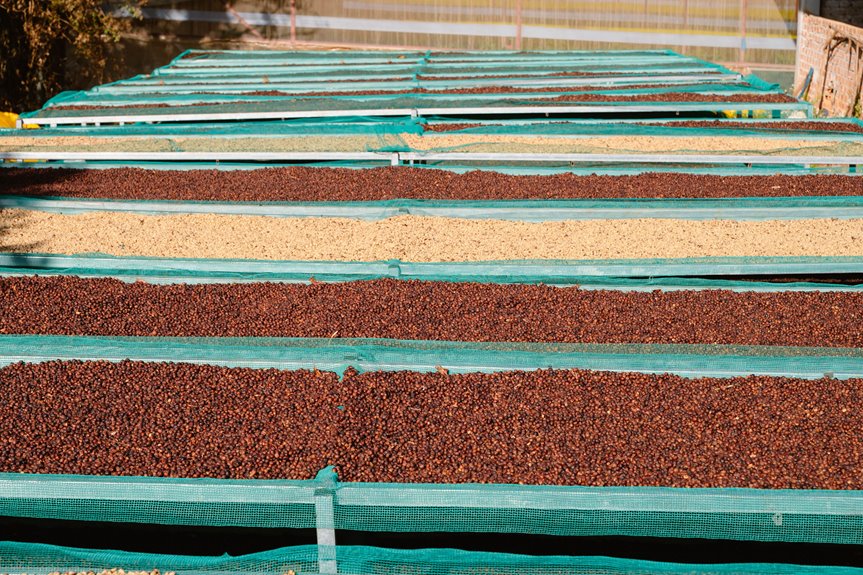
Natural-process and washed coffees produce distinctly different cups. Natural coffee dries with the fruit intact, yielding sweeter, fruit-forward, and fuller-bodied flavors. Washed coffee removes the fruit before drying, producing cleaner, brighter, and more precise acidity. These processing choices shape aroma, sweetness, body, and clarity in the cup. Tasting both side-by-side makes those differences obvious and deepens coffee appreciation.
Natural Process Coffee vs Washed Coffee
At the point you compare natural process coffee vs washed coffee, you’re really looking at two different ways coffee beans are handled after picking, and that choice changes the cup in a big way.
You can consider washed coffee as cleaner and brighter, while natural process coffee often feels fuller and fruitier. Once you taste them side by side, you notice how fermentation control shapes flavor, body, and aroma.
Washed coffee can highlight crisp notes, and natural coffee can bring a softer, sweeter edge. During sensory evaluation, you might find one cup feels familiar and easy, while the other feels bold and a little surprising.
Both styles give you something to enjoy, so you can select the one that fits your mood and makes you feel at home.
What Is Natural Process Coffee?
Natural process coffee starts with whole coffee cherries that dry with the fruit still on them, and that simple choice changes the bean from the outside in.
You get a cup that often feels fruitier, sweeter, and more layered, almost like the coffee is telling you its story.
Because the cherries dry slowly, you might notice more bold aroma and a fuller body in the brew.
Farmers with shade grown origins often use this method, since the slower pace can suit careful drying.
Should you enjoy tasting details, sensory training can help you spot berry notes, cocoa tones, and gentle wine-like edges.
You’re not just drinking coffee here. You’re joining a style that feels warm, expressive, and proudly different.
What Is Washed Coffee?
Washed coffee starts with removing the coffee cherry pulp soon after picking, so you get a cleaner, more controlled process.
You’ll see the beans soaked and scrubbed in water to clear away sticky fruit residue, which helps set up their bright, crisp flavor.
In case you like a cup that tastes clean and lively, this method often gives you that neat little lift.
Washed Coffee Process
The washing method shapes coffee in a very clear way, and it starts via stripping away the fruit from the bean before drying. You get a cup that feels clean, bright, and easy to trust because the process gives you more fermentation control. That control helps the flavors stay crisp instead of heavy.
Next, the beans move through drying mechanics that protect their shape and reduce unwanted taste changes. Should you choose washed coffee, you’re choosing a style that often highlights clarity, balance, and a lively finish. It can feel welcoming assuming you like coffee that lets each tone speak up. And because the method stays steady, you can often spot the same clear profile from one batch to the next.
Pulp Removal Steps
Initially, the coffee cherry moves into a pulping stage, and that’s where washed coffee starts to feel very precise. You help remove the outer fruit, then focus on mucilage removal so the bean can move forward with care. This step depends on skilled depulping techniques, which separate the skin and flesh without hurting the seed.
- You guide the cherries into the pulper.
- You watch the fruit layer lift away.
- You rinse away sticky residue.
- You keep the flow steady and clean.
Because each step connects, you can feel how every worker adds to the same craft. That shared effort gives you a sense of place and esteem. As soon as the pulp leaves, the beans are ready for the next stage, and your role in the process stays clear.
Clean Flavor Profile
A clean cup starts to show its shape once the washed beans leave the pulper, because this method strips away more of the fruit before drying. You taste that careful prep in every sip.
Instead of heavy sweetness, you get a clean mouthfeel and bright notes that feel easy to follow. So, should you like coffee that feels crisp and steady, washed coffee might suit you well.
Its pristine clarity helps each flavor stand apart, from soft citrus to gentle florals. That kind of balance can make you feel at home with the cup, even whenever the taste is new.
And because the process removes more residue, the finish often stays smooth, neat, and invigorating.
How Natural Coffee Changes Flavor
Natural coffee often gives you fruitier flavor notes, so you might taste berries, mango, or even a little wine-like sweetness in the cup.
Because the beans dry with more of the fruit still around them, fermentation can shape the flavor in a big way.
That process can make the coffee feel brighter, richer, and a bit more playful than washed coffee.
Fruitier Flavor Notes
More often than not, natural coffee tastes fruitier because the coffee cherry stays in contact with the bean during drying. That close contact can enhance berry esters and raise sugar concentration, so you notice jammy, grape-like, or ripe peach nuances in your cup. You’re not imagining it; the fruit profile often feels warmer and fuller.
- The bean keeps more fruit character.
- Sweetness can seem deeper and rounder.
- Flavors might feel bright, but not sharp.
- You can enjoy a cup that feels lively and welcoming.
If you love coffee that feels a little more playful, natural lots can fit right in. They often give you a cozy, fruit-forward sip that still feels balanced and easy to enjoy with your people.
Fermentation Effects
That fruity cup you just envisioned starts to make more sense once you look at fermentation, because the coffee cherry keeps working on the bean while it dries.
You taste that change when microbial succession breaks down sugars and nudges the cup toward berry, wine, or tropical notes.
In natural coffee, the fruit stays close longer, so the flavors often feel fuller and bolder.
With controlled fermentation, you and your roaster can steer those changes more carefully, keeping the cup clean while still adding depth.
This is where natural process coffee feels like part of the crowd, since it gives you a lively, shared experience in the cup.
Should things go too far, you might notice funk, but a good roast usually keeps the balance kind and inviting.
How Washed Coffee Shapes the Cup
Because washed coffee goes through a careful cleaning step after harvest, it often tastes brighter, cleaner, and more easy to read in the cup.
You can perceive this whenever you sip a brew that feels crisp and steady, with flavors that stay focused.
That clarity comes from fermentation control and careful washing, which help the bean’s own character show up without extra noise.
With sensory training, you can detect small shifts in sweetness, acidity, and body more quickly.
- You’ll get a tidy, balanced cup.
- You can taste origin cues with less distraction.
- You’ll frequently notice a smoother mouthfeel.
- You can compare lots more easily.
Aroma Differences in Natural vs Washed Coffee
Aroma tells a quiet story before the initial sip, and natural and washed coffees tell it in very different ways.
When you reach for natural coffee, you often notice bold fruit, winey notes, and rich sweetness right away. Those fermentation aromas can feel lively and a little wild, like a friend who always brings the fun.
Washed coffee speaks more clearly and softly. It usually gives you cleaner florals, crisp citrus, and a fresh, orderly scent that feels familiar and calm.
You might also catch subtle drying subtleties in natural coffee, while washed coffee keeps those edges lighter. Should you enjoy aromas that feel warm and expressive, natural could welcome you in. Should you prefer a bright, polished cup, washed can feel like home.
Body and Acidity Differences
If you compare natural and washed coffee, you’ll notice the body changes right away.
Natural coffee often feels fuller and heavier on your tongue, while washed coffee could taste cleaner and lighter.
You’ll also find that natural coffee might show softer acidity, but washed coffee usually brings a brighter, sharper lift.
Body Differences
Natural coffee usually feels fuller and heavier on the tongue, while washed coffee often tastes cleaner and brighter, so you can notice the difference right away provided you pay attention.
That mouthfeel contrast comes from how each bean keeps or loses oils and fruit during processing, and you can feel it in every sip.
Natural lots often give you a round, plush body, almost like velvet.
Washed coffee can feel lighter, crisp, and more streamlined, which many drinkers like for a tidy cup.
Whenever you compare them side by side, focus on tactile weight, not just flavor.
- Natural coffee lingers more
- Washed coffee feels leaner
- Texture shapes your impression
- Your preference can shift depending on roast
Acidity Differences
Because acidity often shapes the initial bright tone you notice, washed coffee usually tastes sharper, cleaner, and more lively on your tongue.
You’ll feel that sparkle as a crisp lemon-like lift, and it can make each sip seem more precise.
Natural process coffee usually softens that edge, since the fruit dries with the bean and adds a rounder, sweeter tang.
That can feel warmer and more relaxed, almost like the coffee is welcoming you in.
Your brew technique changes this too. A hotter brew can highlight sharpness, while a gentler one can smooth it out.
During a cupping protocol, you’ll often notice washed lots show clearer acidity, while natural lots lean juicy and bold.
Either way, you’re tasting style, not a mistake.
Why Coffee Processing Starts on the Farm
Even before coffee reaches a roaster, the farm shapes how the final cup will taste, feel, and smell. You can consider processing as a team effort that commences with farm labor, careful picking, and smart post harvest logistics. Whenever workers choose ripe cherries, they protect sweetness and balance. Then they move the crop quickly, so the fruit doesn’t decompose too soon.
- Clean picking keeps defects low
- Fast sorting supports steady flavor
- Careful drying helps hold quality
- Good transport protects each lot
Because you’re part of this chain, each step matters. Natural and washed methods both depend on how well the farm handles the crop initially. That early care gives you a better chance at a cup that feels clear, alive, and worth sharing with your people.
How Climate Shapes Coffee Processing
Climate shapes coffee processing more than many people expect, and you can feel that difference as soon as the cherries leave the farm. In warm, dry places, natural lots dry with less worry, so you get sweeter, fruitier cups and a smoother flow for the team.
In humid regions, washed coffee often fits better because you can move cherries through water, pulp them, and dry them before mold gets a chance to settle in. Your regional terroir also matters, because local air, rain, and sun change how fast moisture leaves the beans.
Even altitude influences the pace, since cooler mountain air slows drying and asks for more patience. Once you understand your climate, you can choose a process that works with your land, not against it.
Best Coffee for Espresso
The best coffee for espresso usually starts with a bean that can handle pressure and still taste balanced in your cup. Whenever you choose between natural process and washed coffee, you’re really choosing flavor style and body. You might love a fruitier shot with a thicker feel, or you might want a cleaner, brighter cup that still pulls rich crema.
- Natural coffees often give you bold sweetness and a jammy edge.
- Washed coffees can taste crisp and tidy, which helps the shot stay clear.
- A medium to medium-dark roast often supports better extraction.
- Roast profiling matters because it shapes body, acidity, and sweetness.
If you want a single origin crema, pick beans with enough depth and freshness. Then dial in your grind with care. That’s how you fit in with a home espresso crowd.
Best Coffee for Pour-Over
For pour-over, fresh washed coffee often shines because it lets the brew open up cleanly, one layer at a time. You can taste bright fruit, soft florals, and a crisp finish without much fuss.
That clarity feels welcoming whenever you want your cup to speak plainly. In single origin comparisons, washed coffees often show steadier flavor, so you can notice small differences from region to region.
Then, grind size experimentation helps you tune sweetness and body without losing balance. Try a slightly finer grind for more depth, or go a touch coarser for a lighter cup.
Because pour-over rewards patience, you get to shape the taste with calm hands and a little curiosity. That makes each brew feel like your own small coffee circle.
How to Choose the Right Coffee
How do you choose the right coffee whenever every bag seems to promise something different? You can start by trusting your taste and the moment you want to create. Provided you like bright, tea-like cups, lean toward washed coffees. In case you want berry sweetness and fuller body, try natural process lots.
- Check varietal selection for flavor clues.
- Read roast profiling notes for sweetness and balance.
- Match the coffee to your brewing method.
- Choose a trusted roaster who shares clear details.
Then compare aroma, acidity, and finish, because those small cues tell you a lot. Whenever you taste with a friend or a coffee crew, you also learn faster and feel less lost. That’s the fun part: you’re not chasing a perfect bag, you’re finding your bag.
Frequently Asked Questions
Which Processing Method Is More Environmentally Sustainable?
You’ll usually find natural processing more environmentally sustainable because it uses less water and reduces wastewater. Soil impact depends on how you compost pulp and manage drying. You can choose options that fit your community values.
Does Processing Affect Coffee Bean Shelf Life?
Yes, processing can change shelf life. Coffee stored at 60% humidity can stale twice as fast. You will keep beans fresher longer by controlling storage conditions and lowering microbial risks, so you stay in the fresh coffee crowd.
Can Natural and Washed Coffees Be Blended Together?
Yes, you can blend them provided you match varietal compatibility and roast adaptation. You will create a cup that feels familiar, balanced, and inviting, so you and your coffee community can enjoy something together.
Which Process Is Better for Cold Brew?
You’ll usually love washed coffee for cold brew: it’s cleaner and more consistent, and about 70% of drinkers prefer that style. Still, if you crave fruit forward acidity and a richer mouthfeel, try natural beans too.
Do Processing Methods Change Caffeine Content?
Yes, processing methods usually do not change caffeine much; roast interaction and brew extraction matter more. You will taste differences, but caffeine stays similar, so you can choose the style that feels right for your coffee community.