
Light roast coffee delivers bright fruit and floral notes with a crisp, lively acidity. Dark roast offers deep chocolate, smoky flavors, and a fuller, heavier body. Roast level alters acidity, perceived sweetness, and how oils develop on the beans. Brewing method and freshness shape how those roast characteristics appear in the cup. Choose based on flavor preference—brightness and clarity or richness and velvety texture.
Light Roast vs Dark Roast at a Glance
At a quick glance, light roast and dark roast coffee can seem like two very different worlds, but the gap is smaller than many people believe.
You’ll notice that each cup tells a story through its aroma, color, and body, and that story often reflects single origin subtleties and processing impacts.
Light roast usually feels brighter and more lively, while dark roast leans bolder and smoother.
Still, both can fit your taste, your routine, and your mood.
Should you like exploring flavor, light roast might invite you in with a sharper edge.
In case you want comfort, dark roast can feel familiar and calm.
Either way, you’re not choosing sides; you’re choosing a cup that matches you.
What Is Light Roast Coffee?
Light roast coffee starts with beans roasted for a shorter time, so you get a lighter color and a more delicate body in the cup.
You’ll often notice brighter acidity, floral observations, and fruit-like flavors that can feel lively instead of heavy.
Because the roast stays close to the bean’s natural profile, you can taste more of its origin and character.
Light Roast Basics
A bright cup can feel like a small wake-up call, and that’s often what you get with light roast coffee. You join a crowd that likes clarity, not heaviness, and you’ll notice single origin subtleties more easily.
| Quick fact | What it means |
|---|---|
| Roast level | Beans stay pale brown |
| Body | Feels lighter in your mouth |
| Brewing temperature | Slightly hotter water can help |
| Caffeine myths | Lighter doesn’t always mean more |
| Health benefits | You still enjoy antioxidants |
Because the beans roast for less time, you keep a fresher, brighter profile. So, should you care about clean taste and shared coffee habits, light roast can fit right in. You don’t need to overthink it either; you just need a brew that feels like yours.
Flavor And Aroma
So, what does light roast coffee actually smell and taste like? You usually get a bright, lively cup that feels easy to investigate with friends. The aroma often brings out flowers, citrus, and sweet grain impressions, so it can feel inviting instead of heavy.
- You might notice crisp fruit flavors initially.
- Then, single origin subtleties can stand out, like berry, tea, or honey.
- Next, processing impact shapes the cup, adding more sweetness or a cleaner finish.
- Ultimately, the scent stays delicate, so each sip can feel fresh and clear.
Because the roast keeps more of the bean’s character, you can taste what makes your coffee feel personal. That’s why light roast fans often enjoy sharing cups and comparing observations.
Roast Level Profile
At the point you look at roast level, you’re really looking at how far the beans have been taken during roasting, and that choice shapes almost everything in the cup. Light roast coffee stops early on, so you get a pale bean, crisp acidity, and brighter sweetness. That lighter profile often feels familiar and welcoming, especially whenever you want clarity instead of heaviness.
| Roast level | Bean look | Cup feel |
|---|---|---|
| Light | Tan, dry | Bright, lively |
| Medium | Brown, balanced | Smooth, rounded |
| Dark | Deep brown, oily | Bold, smoky |
With light roast, you can notice single origin subtleties more clearly, and bean varietals impact the taste in a bigger way. Should you enjoy tasting what makes your coffee community special, this style gives you more detail without losing comfort.
What Is Dark Roast Coffee?
Dark roast coffee starts with beans that stay in the roaster longer, so you get a deeper color and a bolder cup.
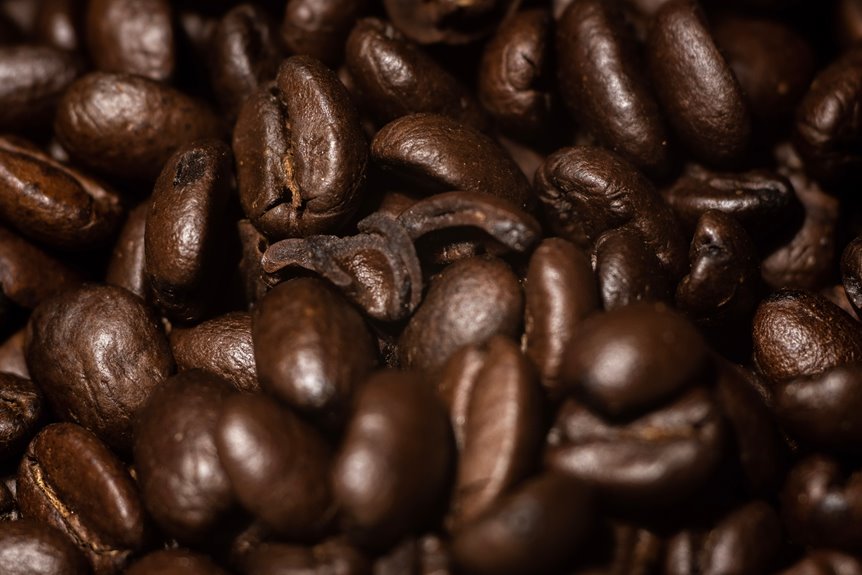
As the heat works on the beans, you’ll notice more oils on the surface and less of the bright, sharp taste you might find in lighter roasts.
Instead, you get rich flavors like smoke, chocolate, and toast, which can feel cozy and strong at the same time.
Dark Roast Basics
Once coffee beans are roasted longer and at higher heat, they turn into dark roast coffee, which has a deep brown color, a shiny surface, and a bold flavor that many people love. You might notice less acidity and more smoky notes, which can help you feel at home with a cup that tastes steady and rich.
Dark roast also shows its roast history through caramelized chemical compounds, and caffeine degradation happens too, though the difference is smaller than many people expect.
- You get a fuller body.
- You taste deeper, toast-like notes.
- You can store it well with simple storage tips.
- You might enjoy it black or with milk.
If you like coffee that feels comforting and familiar, dark roast can fit your routine and your crowd.
Roasting Process
Whenever you want to understand what dark roast coffee really is, start with the roast itself, because the beans spend more time in the drum and face higher heat until they reach a deeper color and a more developed taste.
You’ll often see roasters use small batch methods, so they can watch each lot closely and adjust heat profiles with care.
As the roast continues, bean moisture drops, and the beans change fast, so steady attention matters.
Color development becomes the main guide, and you can trust a skilled roaster to stop the process once the surface looks rich and even.
That careful control helps you feel confident, because your cup comes from choices made with real focus and respect.
Flavor Characteristics
A deep roast changes more than color, because it also shapes how the coffee tastes in your cup. You get a bolder, smokier sip that feels warm and familiar, like joining a table where everyone already knows your name. The sharp acidity tasting you might notice in lighter roasts softens here, so the cup feels smoother.
- You taste cocoa and toasted nuts.
- You notice less brightness.
- You could lose some floral notes.
- You feel a heavier body on your tongue.
Because of that shift, dark roast often seems comforting rather than lively. Were you to like steady flavor and a rich finish, you can relax into it without guessing what the next sip will bring.
Light Roast vs Dark Roast Flavor
Whenever you taste light roast and dark roast side at side, the difference is often bigger than you expect.
Light roast brings a brighter, cleaner cup, so you can notice single origin nuances like berries, citrus, or tea-like notes. It also shows processing impacts more clearly, which helps you taste how the bean was handled before roasting.
Dark roast, by contrast, leans into bold cocoa, toast, and smoky warmth, and it often feels fuller and softer on your tongue.
Should you enjoy a coffee that feels lively and layered, light roast might feel like your crowd.
Should you want a deeper, roast-forward sip that wraps around you, dark roast suits that mood.
Either way, you’re not choosing wrong, you’re choosing your flavor lane.
How Roast Level Changes Acidity
As roast level changes, it also changes how sharp or gentle a coffee tastes on your palate. Whenever you choose a lighter roast, you usually notice brighter acid perception, which can feel lively and crisp.
As the beans roast longer, heat breaks down some acids and shifts volatile compounds, so the cup often feels smoother and less tangy.
- Light roasts keep more sparkling edge.
- Medium roasts soften that edge.
- Dark roasts taste rounder and deeper.
- Your own taste matters most.
Should you like a cup that feels awake and fresh, you might feel at home with lighter roasts. In case you want a calmer sip, darker roasts can fit you better.
Either way, you can trust your palate and enjoy the style that greets you most.
Which Roast Has More Caffeine?
Which roast has more caffeine? You may hear that light roast always wins, but caffeine myths keep the answer fuzzy.
Whenever you measure coffee by scoop, light roast often gives you a little more caffeine because the beans stay denser after roasting. But provided you measure by weight, the difference gets very small.
That means your cup isn’t playing favorites, and you can relax. Extraction timing matters too, because a longer brew can pull out more caffeine from either roast.
Light Roast vs Dark Roast Aroma
Light roast and dark roast can smell very different, and that’s part of what makes coffee feel so personal. Whenever you lift the cup, you might notice bright fruit, flowers, or cocoa in a light roast, while a dark roast often brings smoke, toast, and a deeper sweetness. These scents can help you find the brew that feels like home.
- Light roasts often show single origin aromatics more clearly.
- Dark roasts lean into rich, roasted notes.
- cup temperature changes what you notice initially.
- As the cup cools, new layers can appear.
If you’re sharing coffee with friends, trust your nose and your mood. You don’t have to like one style forever. Your favorite aroma can shift, and that’s part of the fun.
How Roast Changes Body and Texture
As coffee beans roast, you’ll notice the body shift as oils, gases, and solids change inside each bean.
Light roasts often feel thinner and brighter on your tongue, while dark roasts usually bring a fuller, smoother, and sometimes heavier mouthfeel.
That means your cup can feel crisp and lively one day, then rich and velvety the next, depending on how far the roast goes.
Body Changes During Roasting
During roasting, coffee’s body starts to feel different because heat changes the beans’ structure and the oils inside them. You can consider it as cellular chemistry at work, with bean expansion opening new paths for flavor.
- Initially heat makes the bean lose water, so the cup can feel lighter.
- As roasting continues, sugars decompose and add more weight to the mouthfeel.
- Oils move toward the surface, helping the drink feel smoother and fuller.
- Deeper roasts often taste rounder, while lighter roasts stay brighter and leaner.
When you brew, you’re tasting those changes in your own cup. So in case you like a coffee that feels welcoming and easy to enjoy, roast level can guide you toward your kind of crowd.
Texture Differences by Roast
Roasting doesn’t just change flavor, because it also changes how coffee feels on your tongue. When you choose a lighter roast, you usually get a thinner, brighter texture that can feel lively and clean.
As the roast gets darker, the beans lose more moisture and oils move outward, so the cup often feels fuller and smoother. Your grind consistency matters here, because uneven grounds can make the texture feel rough or weak.
You might also notice changes based on serving temperature, since a hotter cup could seem heavier, while a cooler one can feel lighter and sharper. Should you enjoy a coffee that feels easy to sip and familiar, these texture shifts help you pick the roast that fits your routine and your crew.
Mouthfeel in Light Vs Dark
Light and dark roast coffee can feel very different on your tongue, and that change in body often shapes how much you enjoy each cup.
- Light roast usually feels lighter and cleaner, with a sharper edge.
- Dark roast often feels fuller, smoother, and more coating.
- Your acid perception changes how bright or round each sip seems.
- Even your saliva viscosity can make one roast feel silky and another feel thin.
As you sip, the roast level changes how oils, sugars, and fine particles settle on your mouth.
How Roast Changes Origin Flavor
As the beans get darker, they stop tasting like only where they grew and start tasting more like the roast itself. You can still catch single origin subtleties in a light roast, because terroir preservation lets fruit, floral, and spice notes stay clear. Bean varietals also show more of their own voice, and processing impact can shape what you taste next, from clean sweetness to brighter acid.
Whenever you move to medium or dark roast, the heat deepens caramel, smoke, and cocoa, so the origin feels quieter. That doesn’t mean it’s gone. It just sits under the roast profile, like a familiar friend in a new jacket. Should you love detail, lighter roasts usually help you feel closer to the farm and the people behind it.
Best Brewing Methods for Light Roast
The best cup from a light roast often starts with the right brew method, because these beans show every small detail they carry.
You can bring out that bright, lively character whenever you choose tools that keep the brew clean and balanced.
- Use pour over for sharp clarity and a gentle, even flow.
- Try a French press only should you want fuller texture, but keep the steep short.
- Pay close attention to water temperature control, since hotter water can pull out more sweetness and sparkle.
- For single origin extraction, grind a bit finer and brew with care so the coffee speaks clearly.
Once you adopt these habits, you make room for the flavor notes you came for.
That’s how your cup feels personal, warm, and ready to share.
Best Brewing Methods for Dark Roast
Reach for a dark roast whenever you desire a brewing method that softens bitterness and brings out its bold, cozy depth. You’ll feel right at home with methods that give the grounds room to breathe.
| Method | Flavor | Feel |
|---|---|---|
| French press | Rich, full | Smooth |
| Drip | Balanced | Easy |
| Pour over | Clean | Bright |
| cold brew | Low acid | Silky |
| Percolator | Strong | Classic |
The French press gives you a sturdy cup with more body, while cold brew turns dark roast into something gentle and sweet. Should you want comfort on busy mornings, drip coffee keeps things simple and familiar. For a cleaner sip, pour over helps you taste the roast’s deep cocoa notes. You don’t have to chase perfect flavor alone; these methods help you find your own favorite cup.
Which Roast Works Best for Espresso?
Should you loved the rich, cozy feel of dark roast in a French press or drip pot, you might consider whether that same roast also shines in espresso. You can, but you don’t have to stay there. Espresso rewards balance, so your choice depends on taste and comfort.
- Dark roast gives you bold body and a bitter-sweet edge.
- Light roast can brighten your shot and show off single origin espresso character.
- Medium roast often lands in the sweet spot for crema optimization.
- Freshly dialed beans help you pull a shot that feels smooth and shared.
In case you want a familiar, warm cup, dark roast fits nicely. Should you seek clarity and a lively finish, lighter roast can feel like your coffee crew cheering you on.
How Roast Affects Freshness and Storage
Roast level changes how coffee ages, so your storage habits matter just as much as the beans you buy. You’ll notice light roast and dark roast don’t stay fresh the same way, because darker beans release gases faster.
That’s why bean degassing can make the initial days after roasting feel lively, but it also means flavor fades sooner should you leave the bag open. Keep your coffee in air tight packaging, and store it in a cool, dark spot so your daily cup stays steady.
You don’t need fancy gear to fit in with the fresh-coffee crowd. Just seal the bag well, keep out heat and moisture, and buy smaller amounts more often. That simple routine helps your coffee feel welcoming, rich, and ready whenever you are.
Which Roast Matches Your Taste?
Your taste in coffee starts with what you enjoy most, whether that’s bright, fruity notes or rich, bold depth.
Should you like a softer cup with clear flavors, a light roast might feel just right.
In case you want a stronger hit with a fuller roast intensity, a dark roast can match that craving and make your morning feel a little more awake.
Flavor Preferences
Most people know their coffee preference the moment that initial sip hits, because flavor speaks fast and honestly.
Should you like a bright, lively cup, light roast could feel like your coffee club. In case you want a deeper, smoother sip, dark roast might fit you better.
Your choice often comes from regional preferences, family habits, and even sensory training that shapes what your tongue trusts.
- Light roast can taste fruity, floral, or crisp.
- Dark roast can feel smooth, bold, and cocoa-like.
- You might enjoy one roast alone and the other with milk.
- Your taste can change as you try more cups.
Roast Intensity
Some cups hit you like a gentle nudge, while others feel like a full-on wake-up call, and that’s where roast intensity matters. You are able to choose a roast that fits your mood, your routine, and your crowd. At the time you look at bean color, you get a quick clue, but roast chemistry tells the deeper story.
| Roast level | What you feel |
|---|---|
| Light | Bright, lively, and crisp |
| Medium | Balanced, smooth, and friendly |
| Dark | Bold, smoky, and deep |
Should you want a coffee that feels welcoming, start with medium. Were you to love sharper notes, light roast could suit you. Supposing you want richer comfort, dark roast can feel like your favorite chair. You’re not choosing wrong here, just choosing your kind of cup.
Frequently Asked Questions
How Does Roast Level Affect Coffee Bean Density?
You’ll notice roast level changes bean density: darker roasting breaks down cellular structure, increases porosity changes, and makes beans less dense. Like a tiny steam engine, you’re joining a shared ritual of metamorphosis.
Can Light and Dark Roasts Be Blended Together?
Yes, you can blend them together, and you’ll create flavor layering that feels welcoming and balanced. Keep roast compatibility in mind so each bean complements the other and contributes to every cup.
Do Darker Roasts Grind Differently Than Lighter Roasts?
Yes. Darker roasts usually grind easier, and you’ll notice about 12% less force is needed in many burr grinders. You’ll get more grind retention and a different particle distribution, so you can dial in your shared brew confidently.
How Should Roast Level Influence Coffee Purchase Decisions?
You should choose roast level based on your brewing preference and flavor expectations so you feel confident and included in every cup. Try different roasts, trust your taste, and buy what fits your routine best.
Are Roast Dates or Use-By Dates More Important?
Roast dates matter more because you can judge roast freshness; use by dates often mislead. You’ll get better coffee provided you track storage methods, buy fresher beans, and join a community that values shared standards.