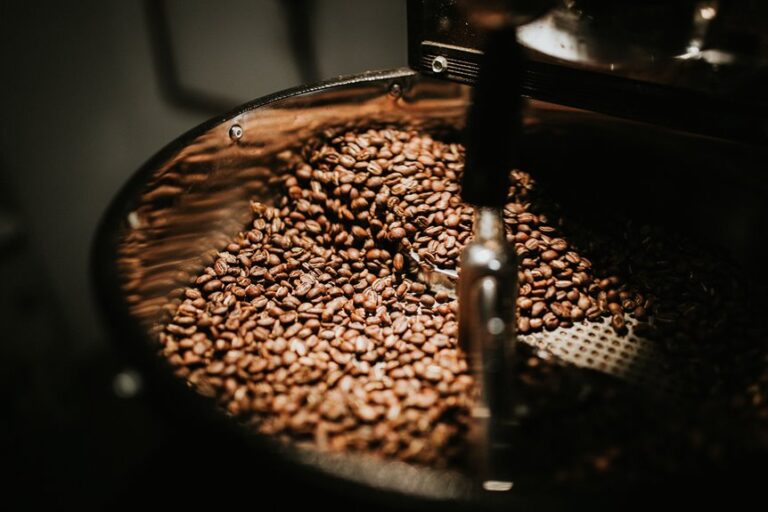

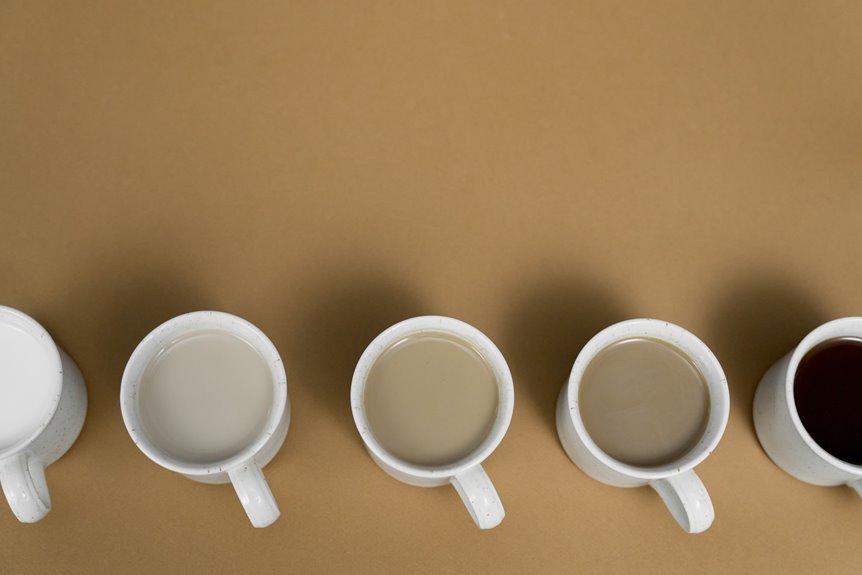
Coffee gives a modest boost to metabolism through caffeine’s stimulation of norepinephrine, which increases fuel use and heat production. This effect can raise calorie burn slightly and shift appetite and fat utilization, especially before exercise. Individual sensitivity, timing, and additions like sugar or cream change the magnitude and direction of effects. Habitual consumption can blunt some responses as tolerance develops. Overall, coffee is a useful, low-effort stimulant for modest metabolic changes rather than a dramatic solution.
Does Coffee Really Boost Metabolism?
Yes, coffee can give your metabolism a short-term nudge, and that’s mostly because of caffeine. Still, you don’t need to fall for metabolic myths that promise a huge lift from every cup.
Your body reacts differently from someone else’s, and genetic variability plays a real role here. So, assuming you feel a small lift, that’s normal, but it won’t look the same for everyone.
Coffee isn’t magic, and you don’t have to chase extreme claims to fit in or feel healthy. Instead, consider it as one piece of your routine. Whenever you understand your own response, you can make choices that feel steady, confident, and yours. That’s the part that really matters.
How Caffeine Increases Energy Burn
Caffeine can nudge your body to burn more energy by turning up thermogenesis, which means you make a little more heat and use a little more fuel.
It can also help your body tap into fat oxidation, so you might use fat for energy more easily during the day.
That’s why your morning cup can feel like a small spark that helps your metabolism work a bit harder.
Thermogenesis Boost
Often, a cup of coffee does more than wake you up, because it can nudge your body to burn a little more energy through a process called thermogenesis. Once caffeine enters your system, it might prompt norepinephrine release, which helps raise your metabolic rate. You could notice a gentle lift in heat production, and that small spark can make your body feel a bit more alert and active.
Brown adipose tissue also plays a role, since it helps create warmth instead of storing it. Together, these changes give your daily cup a quiet edge. So whenever you sip coffee, you’re not just joining a familiar routine. You’re giving your body a friendly push that supports energy use in a simple, steady way.
Fat Oxidation
As caffeine gets to work, it can help your body tap into fat stores a little more easily, which means you could burn more fat for fuel during the day. You’re not forcing results alone; your system gets a small nudge, and that can feel encouraging.
Caffeine might raise fat oxidation during movement, so your muscles can use stored fat more often. This effect can shift with genetic variability, which is why your friend could feel a bigger lift than you do. Also, cafestol effects in some coffee drinks can change how your body responds overall.
Coffee and Fat Oxidation
Coffee can help you burn more fat because caffeine could nudge your body to use fat for fuel. In case you drink it before exercise, you might also tap into more lipid use and feel a steady lift during your workout.
The timing matters too, since a well-timed cup can support fat oxidation without making you feel jittery or off your game.
Caffeine And Fat Burning
Caffeine can give your body a small but real nudge toward using fat for fuel, especially while you’re active. It does this through metabolic signaling and hormonal modulation, which can help release fatty acids from storage.
You might notice this as a steadier energy feel, not a dramatic spark. That’s normal. Coffee won’t melt fat on its own, but it can support the process provided your routine already includes movement and balanced meals.
Should you’ve ever wanted a little extra backup, this is where coffee can fit in nicely. You still need sleep, hydration, and consistency, but caffeine can play a quiet helper role.
Exercise And Lipid Use
As you move from resting to moving, your body starts choosing fuel in a different way, and coffee can make that shift a little smoother. Whenever you exercise, caffeine can support lipid mobilization, so more fat reaches your muscles for use. That can help spare muscle glycogen, which matters when you want steady energy and less premature fatigue.
You don’t need to chase a perfect workout or feel left out should your pace be moderate; your body can still respond well.
- Coffee could help you tap fat sooner.
- Your muscles might save glycogen for harder efforts.
- A calm, steady workout can still support fat use.
Timing Of Coffee Intake
Usually, the clock matters almost as much as the cup. You might get more fat oxidation when you drink coffee 30 to 60 minutes before activity, because caffeine can help your body release stored fat for fuel. Should you sip it then, you often feel sharper and more ready to move.
In the morning, though, your morning cortisol is already high, so waiting a bit after waking can feel kinder to your system and could help you avoid the shaky, rushed feeling.
Later in the day, coffee can still support focus, but it might also cut into bedtime sleepiness. That tradeoff matters, because good sleep helps metabolism too. So choose the moment that fits your workout, your energy, and your rest.
How Coffee Affects Appetite
Whenever you sip coffee, your appetite can shift in a few different ways, and that change is often more noticeable than people expect.
You might feel appetite suppression soon after your cup, which can make snacks seem less urgent.
Coffee can also influence hunger hormones, so your body could send quieter food signals for a while.
That said, everyone reacts a little differently, and that’s normal.
- You may feel full longer after drinking it.
- You might notice fewer cravings in the morning.
- You could still need food should your body ask for it.
Why Timing Changes Coffee’s Effects
Coffee’s effects don’t stay the same all day, and the clock can change the way your body reacts. In the morning, your metabolism often meets caffeine with less resistance, so you might feel alert and steady. Later, your circadian interaction shifts, and the same cup can feel stronger or last longer.
That’s because your body follows daily rhythms that guide energy, hunger, and stress. Should you drink coffee close to bedtime, you could invite sleep disruption, and that can slow how well you feel the next day. So timing matters as much as amount. You don’t need to give up coffee to fit in with your routine. Instead, notice at what times it helps you feel focused, and protect the hours that help you rest.
Black Coffee vs. Coffee Add-Ins
Black coffee can give your metabolism a clean, simple lift because it brings caffeine without extra calories, sugar, or fat. You keep the benefit whenever you sip it plain, and you avoid the slow-down that can come from sweet creamers and heavy syrups.
That said, your cup still depends on bean origin and brew method, which shape strength and flavor.
- A darker roast might taste bolder, but it doesn’t always mean more caffeine.
- A drip brew can feel lighter, while espresso packs a tighter hit.
- Milk, sugar, and flavored add-ins can turn a simple cup into a richer drink.
Who Gets the Biggest Metabolism Boost?
Some people feel coffee’s metabolism lift more strongly than others, and that usually comes down to how their body handles caffeine. You might notice a bigger surge provided you’re a young adult, since caffeine often feels sharper once your system clears it faster.
Genetic variants also matter, because they can change how quickly you break caffeine down and how strongly you respond. Should you be naturally sensitive, you could feel more alert, warmer, or a bit more energized after a cup.
Should you belong to the group that gets a mild nudge, that’s normal too. Your routine, sleep, and usual coffee habits can shape the effect as well. So, your uplift isn’t random. It’s personal, and it can fit your body’s style.
How Much Coffee Is Safe?
Most healthy adults can safely have up to 400 milligrams of caffeine a day, which usually equals about four 8-ounce cups of brewed coffee.
That said, your daily limits could be lower should you’re smaller, sensitive, or mixing coffee with energy drinks.
In case you notice jitters, a racing heart, or poor sleep, ease back a little.
You’re not alone in figuring this out, and it’s okay to adjust until coffee feels good for your body.
- Keep track of cups, not just refills.
- Choose smaller servings when you want extra flavor.
- Check labels on lattes, cold brew, and pills.
During pregnancy, use pregnancy caution and consult your clinician about your safest amount.
That simple step helps you stay steady, calm, and confident with your coffee routine.
Frequently Asked Questions
Can Decaf Coffee Affect Metabolism at All?
Yes, decaf can slightly affect your metabolism, but not much. You are mostly experiencing decaf misconceptions and flavor chemistry at work, not a big metabolic increase. You can still enjoy it and feel included.
Does Cold Brew Change Metabolism Differently Than Hot Coffee?
Cold brew won’t dramatically change your metabolism; it’s the same coffee engine. You can enjoy cold brew or iced coffee, and your gut microbiome, insulin sensitivity, and belonging with your routine matter more than temperature.
How Long After Drinking Coffee Does Metabolism Increase?
You’ll usually feel your metabolism rise within 15 to 45 minutes after coffee, with peak timing around 30 to 60 minutes. The effect can last three to six hours, depending on your tolerance and dose.
Can Coffee Improve Workout Performance and Calorie Burn?
Yes, coffee can improve your workout performance and calorie burn; you will often feel an endurance lift and better strength output, helping you push harder with the crew, train longer, and burn a few extra calories.
Do Genetics Influence Caffeine’s Metabolic Effects?
Yes, they do: your genes can turn coffee into a tiny drama, making genetic variability shape caffeine sensitivity. You could buzz faster, burn differently, or feel jittery while others fit right in with ease.