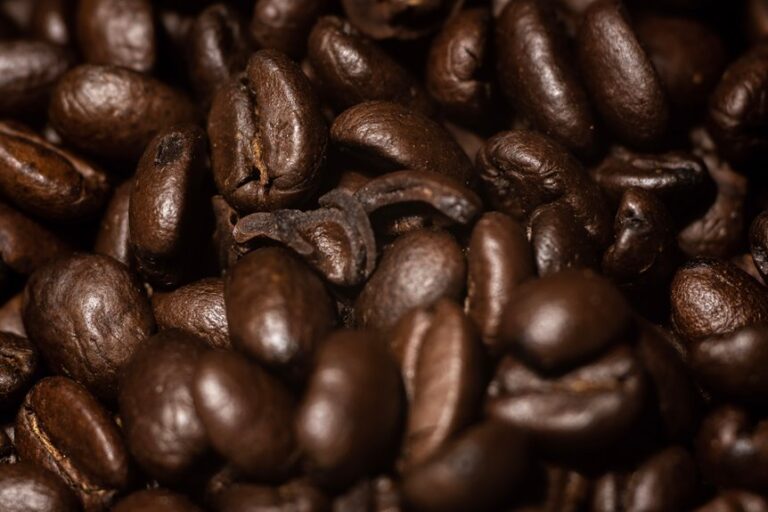


Coffee roasting is all about transformation. It starts with the Initial Crack, where beans pop and release their bright, sweet flavors. Then, the sound shifts to the Second Crack, signaling a darker, smokier roast. Each crack reveals vital information about taste, body, and acidity. Timing these moments can make all the difference in your cup.
What Is First Crack in Coffee Roasting?
The initial crack is the moment coffee starts to come alive under heat. During coffee roasting, you hear a sharp pop as beans expand and release steam. This sound indicates to you that water inside the bean has turned to vapor and pushed the structure open.
You’re no longer guessing; you’re tracking flavor development with real cues. The beans also change from dry to lively, and their smell shifts toward sweet, toasted aromas.
At this stage, you can feel part of the roast instead of watching from the outside. The first crack gives you a clear signal that the roast is moving into a new phase.
Should you stay attentive, you’ll notice how the pace, color, and aroma help you shape the cup you want.
What Is Second Crack in Coffee Roasting?
Second crack is the later stage in coffee roasting as the beans make a sharper, lighter crackle as their structure starts to decompose again.
At this point, you’ll see more change in roast color and texture, and the beans move closer to a darker roast.
You’ll also observe the flavor and aroma shift fast, with bolder, smokier hints replacing the brighter tastes you’d previously.
Second Crack Definition
Second crack is the quieter, later stage of coffee roasting, and it tells you the beans are moving into a deeper, darker roast. You could hear short, crisp snaps as the beans release more pressure, and that sound helps you read the roast with confidence. These second crack characteristics show up after initial crack, so you can stay calm and trust your ears.
| Sign | Meaning |
|---|---|
| Softer snaps | Beans are nearing a darker profile |
| Faster pace | The roast is advancing quickly |
| Thin smoke | Heat is pushing the beans further |
With the right roasting techniques, you can guide the roast without feeling lost. You’re not alone in this stage, and each sound gives you a clear signal to keep moving with purpose.
Roast Stage Changes
As the roast moves past the initial snaps, the bean starts to change in a bigger way, and you can feel the shift in both sound and smell.
Throughout roast development, stronger heat application drives moisture loss and pushes bean expansion. Your roasting equipment helps you hold a steady roast profile, so the beans move through this stage with care.
As pressure builds, you’ll notice more aroma release, and that’s normal. This is where flavor complexity starts to grow, while the surface gets more fragile.
Good cooling methods matter here, because they help stop extra change fast. At the time you use sensory evaluation, you can track how the roast moves and stay confident. You’re not guessing, you’re reading the beans like a pro.
Flavor And Aroma Shift
As your roast reaches the point where the initial pops have already passed, the coffee starts to tell a deeper story through smell and taste.
You’ll notice flavor complexity growing as sugars decompose and oils move outward. Aroma intensity rises, so the room fills with richer hints that feel warmer and fuller.
Your tasting notes could shift from bright fruit to cocoa, spice, or toasted nuts, and different coffee varieties will show their own character.
Roast profiles guide this change, while brew methods can highlight or soften it.
Because palate differences matter, your sensory experience might feel bold, smooth, or slightly smoky.
When you share that cup with friends, you’ll likely hear a few happy “wow”s, and that’s part of the fun.
First Crack vs Second Crack
As you compare initial crack vs second crack, you start to hear the roast come alive in a very real way.
Initial crack feels like a bright opening, while second crack sounds tighter and more urgent. You can use each sound to guide your timing and protect the cup you want.
- Initial crack shows moisture leaving the bean.
- Second crack points to deeper structural change.
- Lighter roasts often stop after the initial sound.
- Darker roasts move closer to the second.
- Your brewing techniques and coffee varieties shape what works best.
As you listen closely, you join a community of roasters who trust their ears and care about flavor.
That shared rhythm makes the process feel less lonely and more rewarding, even as the beans keep you guessing.
When First Crack Happens
You’ll know initially crack is near once the beans start to expand, make sharp popping sounds, and release more steam and aroma.
It usually begins around 385°F to 405°F, though your roast can shift that timing a bit.
As you notice those signs, stay alert, because the roast is moving into a key stage quickly.
Signs Of First Crack
As soon as crack starts, the beans give you clear clues that the roast is moving into a new stage. You’ll observe initial crack signs right away, and that crack sound feels like tiny popcorn in the drum.
- The beans look a little fuller
- Steam might rise from the roaster
- The smell shifts to sweeter tones
- The crack sound comes in bursts
- The bean surface can look less dry
These signals help you stay calm and confident, because you’re not guessing anymore. You’re reading the roast with the rest of us who love this moment.
As the sound grows more active, keep watching closely and trust what you hear, see, and smell.
Typical First Crack Timing
Initial crack usually shows up at the point the roast reaches about 385 to 400°F, or around 196 to 204°C, though the exact moment can shift with the bean, the roast level, and the machine you use. You’ll notice it best once your room gets quiet and your coffee crew starts listening for those small pops.
| Timing clue | What you might hear |
|---|---|
| Early heat | No crack yet |
| Near 385°F | Initial pops begin |
| Mid-crack | Steady snapping |
| Roast changes | Aroma lifts fast |
| Cooling delay | Sound fades out |
With practice, you can match roasting techniques to the bean and guide flavor profiles with more confidence. Should initial crack come soon, your batch could stay bright. Should it arrive later, you’ll likely build more body.
When Second Crack Happens
Second crack usually shows up after the initial crack has ended, once the beans have moved deeper into the roast and lost more moisture. You’ll notice it once crack timing lines up with darker color and a drier surface, so you can trust your senses more.
Should you be learning roasting techniques, this stage helps you move with the roast instead of chasing it.
- It often begins a few minutes after the initial crack
- Heat keeps working inside the bean
- Oils might start to appear
- The roast becomes less forgiving
- Small changes can shift the pace
Stay calm here. You’re not behind; you’re reading the bean’s next step.
Many roasters feel this moment as the point where careful attention really matters, and that shared focus can make you feel right at home.
What First Crack Sounds Like
Preliminary crack sounds like a tiny burst of energy inside the roaster, and it can catch you off guard the preliminary time you hear it. You’ll notice a sharp pop, then a short chain of similar pops as the beans expand. The sound feels lively, almost playful, and it gives you a clear sign that roast progress is moving forward.
Whenever you listen closely, the crack intensity rises and falls with the bean load, while sound frequency can shift from a few spaced snaps to a busy little chorus. You’re not alone whenever it feels surprising at the outset.
Many roasters learn to trust this moment because it helps you stay connected to the beans and read their changes with confidence and calm.
What Second Crack Sounds Like
At the point you reach second crack, you’ll hear distinct popping sounds that feel tighter and sharper than initial crack.
The beans often make a rapid crackling sequence, almost like tiny snaps happening in quick bursts.
Should you listen closely, it can sound a little like Rice Krispies in a hot pan, only with a much louder promise that roast is getting serious.
Distinct Popping Sounds
The sound of second crack is sharper and more urgent than the softer snap of initial crack, and you’ll notice it right away as you’re listening closely. It feels like tiny taps that carry real edge, so you can trust your ears as you roast with the crowd of home coffee lovers.
- You hear quick, dry pops.
- The popping intensity feels stronger.
- The sound frequency climbs.
- Each crack sounds lighter but tighter.
- The rhythm tells you the beans are changing fast.
As you stay attentive, these distinct pops help you read the roast with confidence. They don’t blur together; they stand out, almost like a private signal between you and the beans.
That clear pattern gives you a steadier sense of where you are, so you can follow the roast without second-guessing yourself.
Rapid Crackling Sequence
That sharper crackling you just heard can quickly turn into a fast little burst of sound, and that’s where second crack starts to feel alive.
You’ll hear a tight crackling sequence, almost like tiny twigs snapping in a dry fire. It comes fast, then faster, and it can sound a bit like Rice Krispies when you’ve ever smiled at your mug that morning.
This sound tells you the beans are changing quickly, so stay close and trust your ears.
As you listen, your roasting techniques matter more, because heat can push the roast past this point before you know it.
How Temperature Affects Coffee Cracks
As the roast heats up, temperature starts steering the whole show, and you can usually hear it in the beans before you can see it. You’re listening for temperature effects, because they drive the crack points and shape the roasting flow you share with every batch.
- Lower heat keeps the beans quiet longer.
- Steady heat builds pressure inside each bean.
- A faster rise can trigger earlier cracks.
- Too much heat can crowd the sound together.
- Even heat helps you read each pop clearly.
When you watch the curve, you feel less guesswork and more control. That calm matters, because you’re part of a roasting crew that wants clear signals, not chaos.
How First Crack Changes Flavor
Initial crack changes flavor in a significant way, and you can taste that shift almost right away.
At this point, your beans open up, so brighter characteristics come forward. You’ll observe more fruit, citrus, or floral essence, and the cup often feels cleaner. That lift adds flavor complexity without hiding the bean’s natural voice.
As you keep roasting, sugars start to deepen, so sweetness can feel rounder and smoother. Your roast profile now matters a lot, because a short stay after the initial crack keeps those lively traits clear. Should you go too far, they fade fast.
How Second Crack Changes Flavor
As you move into second crack, the coffee starts to taste deeper and more layered, with richer roast hints coming forward.
You’ll also notice more body, which can make each sip feel fuller and heavier on your tongue.
At the same time, bitterness grows stronger, so the flavor can shift from smooth and sweet to bold and intense.
Flavor Deepening
Second crack is where coffee starts to deepen in a big way, and you can taste that shift right away. You move from bright flavors toward richer flavor complexity and a warmer finish.
The beans give you more toasted sweetness, and the cup feels fuller without losing its identity. That’s why many roasters watch this stage closely for aroma improvement and balance.
- You observe softer fruit flavors.
- You get more caramel and nut tones.
- You sense a deeper roast character.
- You keep some origin flavor alive.
- You feel the cup grow more rounded.
If you like coffee with more depth, second crack can help you find that cozy middle ground. It feels familiar, yet it still keeps room for surprise.
Body And Bitterness
As coffee reaches second crack, the body usually feels heavier, smoother, and more layered, while bitterness starts to move closer to the front. You’ll notice a rounder body texture that can feel syrupy in your cup, almost like the roast is giving you a firmer handshake. That shift can make the coffee feel comforting and bold, especially at the time you enjoy dark flavors with a sense of depth.
| Roast stage | Body feel | Bitterness levels |
|---|---|---|
| Just after initial crack | Light | Low |
| Mid development | Balanced | Gentle |
| Near second crack | Fuller | Rising |
| At second crack | Dense | Clear |
| Past second crack | Heavy | Strong |
As you move deeper, your choices shape the cup you share with others, and that’s part of the fun.
How Acidity and Body Shift
As the roast moves past initial crack, the coffee’s bright acidity starts to soften, and that change can feel surprisingly personal should you love lively cups. You’ll notice the shift in acidity levels as the roasting profile deepens. Your taste perception moves from sharp citrus to rounder sweetness, and that keeps flavor balance steady.
- A shorter roast duration usually keeps more sparkle.
- A longer roast duration gives you a fuller body texture.
- Your brew method can lift or mute the bright edge.
- The sensory experience turns smoother as body grows.
- You might feel less snap, but more comfort in the cup.
When you track these changes, you can match the cup to your mood with confidence and ease.
How Coffee Origin Changes Crack Timing
Coffee origin can change crack timing more than many new roasters expect, because where the beans grow shapes their density, moisture, and sugar structure.
At the point you roast, you’ll notice that origin impact shows up in the way beans respond to heat. High-grown coffees often need more time before initial crack because altitude influence makes them denser and harder to heat through.
Lower-grown coffees usually crack sooner, since they’re less compact and warm faster. You can also see shifts within the same country, because soil, climate, and processing all leave their mark.
So in case a roast seems “late” or “early,” it’s not being difficult, it’s just telling you its story.
Once you learn each origin’s rhythm, you’ll feel more at home with the roast and trust the beans more.
How To Stop At First Crack
To stop at initial crack, you need to catch the roast at the right moment and act fast but calmly. You belong to the roasters who trust timing precision, not luck.
Watch your roasting equipment, and use temperature control to steady the rise as the pops begin. Then choose roast techniques that fit your bean types and your goal.
- Listen for the primary snaps
- Check aroma development closely
- Use sensory evaluation with care
- Drop heat before the roast races
- Start cooling methods right away
This rhythm helps you protect flavor profiling and keep roast consistency from batch to batch.
At the time you stay patient, you’ll feel more confident, and your coffee will show the bright, clear tones you wanted.
How To Roast Into Second Crack
Second crack happens fast, so you need a calm hand and sharp ears as you roast into it. Keep your heat steady, then trim it a little as the beans darken. Listen for the sharper pops that follow initial crack, and watch for a thin wisp of oil on the surface. These roasting techniques help you guide flavor profiles toward deeper chocolate, smoke, and spice.
| Roaster cue | What you do | Result |
|---|---|---|
| Initial soft snaps | Hold steady heat | Even development |
| Popping speeds up | Ease back airflow | Cleaner finish |
| Bean color turns deep brown | Watch closely | Oils might appear |
| Crack sounds fade | Drop the batch | Richer body |
If you belong to the dark-roast crowd, trust your senses and stay patient.
Frequently Asked Questions
How Can I Tell First Crack From Popping Moisture?
You will hear crack sounds change from scattered pops to sharper and more even snaps. Moisture release feels like gentle fizzing at the outset. Trust your ears, stay with your roast, and you will spot the shift.
Do All Coffee Beans Crack at the Same Rate?
No, you will not hear every bean crack at the same rate. Your roast profiles, moisture content, bean density, heat application, roasting duration, and flavor development all shift together, so you are never alone in that surprise.
Can a Roast Skip First Crack Entirely?
Yes, a roast can skip the obvious initial crack, particularly in dense or small batches. You will still guide roast progression and flavor development, so trust your senses and the bean’s rhythm together.
Does Roasting Equipment Change Crack Intensity?
Yes, your equipment type can change crack intensity. Roasting temperature, bean variety, and roasting time all matter. You will hear louder cracks in some setups, but you are still in the roasting community learning together.
Is Second Crack Always a Sign of Overroasting?
No, you should not assume that second crack means overroasting. You can use it within certain roast profiles for intentional flavor development. You will choose your own path and your coffee community understands that shared craft.