
Coffee does not typically dehydrate the body. It contains caffeine, which can increase urine production briefly, but the beverage is mostly water. Moderate coffee consumption contributes to daily fluid intake rather than subtracting from it. Sensitivity to caffeine and amount consumed influence how a person feels afterward. Overall hydration depends on total fluids and individual responses to caffeine.
Does Coffee Make You Dehydrated?
Although coffee can act like a mild diuretic, it usually does not make you dehydrated whenever you drink it in normal amounts. Whenever you enjoy a morning cup, you can relax. Your body counts the fluid in coffee, so one cup rarely throws off your balance.
Many beverage myths make coffee sound risky, but that idea is stronger than the facts. Your caffeine tolerance also matters, because regular drinkers often feel fewer effects than newcomers.
How Caffeine Affects Hydration
Caffeine can make you pee a little more because it has a mild diuretic effect, but that doesn’t mean every cup of coffee dries you out.
You still take in a lot of fluid with coffee, so your hydration balance usually stays steady unless you drink huge amounts.
In other words, your morning coffee can count toward your daily fluids, and your body’s usually smarter about it than the rumors are.
Caffeine’s Diuretic Effect
Starting with a morning cup or an afternoon refill, many people worry that coffee will dry them out. You’re not alone, and that concern makes sense. Caffeine can make you pee more initially because it nudges your kidneys to send out extra sodium and water.
Still, your body learns fast. With regular use, caffeine tolerance builds, and renal adaptation lowers that early diuretic push. So should you drink coffee often, the effect usually feels mild instead of dramatic. You might notice a little extra bathroom trip, but not the sudden loss people fear.
In everyday life, coffee can fit into your routine without making hydration feel like a battle. That’s good news for you, especially whenever coffee feels like part of your crew.
Hydration Balance And Coffee
Even with a cup in your hand, your body is usually doing a pretty good job of keeping hydration in balance. Coffee can still fit into your day without wrecking that balance. The caffeine could nudge you to pee a little more, but the fluid in coffee also counts toward your intake. So, you’re not starting from zero with every sip.
What matters most is how your body handles electrolyte modulation and cellular hydration together. Should you drink coffee with meals, water, and other fluids, your system usually adjusts well. You might feel a bit dry should you chug several strong cups fast, especially on an empty stomach. Still, for most people, moderate coffee doesn’t drain you. It joins your daily routine and supports your rhythm.
Why Coffee Still Hydrates You
Coffee still gives you plenty of water, so every cup adds to your daily fluid intake.
Even though caffeine can make you pee a little more, its effect is usually mild, and the water in coffee still does most of the work.
Hydration From Coffee
Sip per sip, your morning cup still does more than wake you up, because it also helps your body hold on to fluid. Coffee is mostly water, so it supports daily hydration while you enjoy your routine. Your coffee metabolism shapes how your body handles each cup, and its electrolyte interaction can help fluids stay useful inside your system. That means your mug can fit into a healthy day, not fight it.
| Part | What it Does | Why You Feel It |
|---|---|---|
| Water | Adds fluid | Supports hydration |
| Natural compounds | Work with coffee metabolism | Helps your body process it |
| Minerals | Support electrolyte interaction | Keeps balance steady |
When you share coffee with friends or enjoy it alone, you’re still giving your body a familiar, comforting drink that counts toward your fluid needs.
Caffeine’s Mild Diuretic Effect
That calming mug still has a little kick, and that’s where caffeine comes in. You might notice a mild diuretic effect, which means you could pee a bit more after drinking coffee. Still, this usually isn’t enough to cancel out the water in your cup.
Your body quickly gets used to caffeine, so the effect stays small for most regular coffee drinkers. Should you sip coffee with meals or throughout the morning, you keep adding fluid while enjoying the lift. Even then, pay attention provided caffeine affects your sleep disruption, because poor rest can leave you feeling off.
Also, suppose you already sweat a lot or eat very salty foods, balance matters. Coffee rarely causes electrolyte imbalance on its own, so you can generally keep your routine with confidence.
How Much Coffee Causes Problems?
Usually, problems show up once you drink more coffee than your body can comfortably handle, but the exact amount depends on your size, habits, and how sensitive you’re to caffeine.
Your caffeine tolerance grows with regular use, yet genetic variation can make one cup feel strong for you and mild for someone else.
For many people, two to four cups a day feels fine, but more than that could bring jitters, a racing heart, or trouble sleeping.
In case you already feel shaky or wired, your body is asking for a break. So, listen closely to your own limits. You’re not overreacting whether coffee hits you harder than it hits your friends. That’s just how some bodies work, and you’re still normal.
Does Coffee Cause Water Loss?
Coffee can make you pee a bit more because caffeine acts as a mild diuretic. That doesn’t always mean you’re losing more water than you take in, since the fluid in your coffee still counts toward your daily intake.
Caffeine And Urination
Whenever you drink coffee, caffeine can nudge your kidneys to make you pee a little more, especially provided you’re not used to it. That’s normal, and it doesn’t mean your coffee is stealing your body’s water.
You might notice it more should you have bladder sensitivity or track urinary biomarkers during the day.
- You could feel the urge sooner
- You may visit the bathroom more often
- Your body can get used to caffeine
- Smaller cups might feel gentler
- Water with coffee can help you feel steady
Fluid Balance Effects
Considering water balance, it helps to know that coffee doesn’t automatically drain your body dry. You still count the fluid in your cup, and your body uses it for everyday hydration. Should you sip coffee with meals or during your day, you usually stay in a normal fluid range. Your kidneys also adjust over time through renal adaptation, so the urge to pee often feels less dramatic after regular use.
Coffee can nudge urination a bit, but it usually doesn’t cause major water loss for most people. You also keep electrolyte balance in check when you eat and drink well. So suppose you’re part of the coffee crowd, you can relax a little. Your mug isn’t secretly plotting against you.
Who Is Most Sensitive to Caffeine?
Some people can drink a large mug of coffee and feel fine, but others feel shaky after just a few sips. In case that sounds like you, you might’ve genetic sensitivity to caffeine or medication interactions that slow how your body handles it. You’re not being dramatic; your body just reacts faster.
- You might feel jittery.
- Your heart might race.
- You might get anxious.
- You might lose sleep.
- You might notice upset stomach.
You’re also more likely to feel caffeine when you’re smaller, older, pregnant, or not used to coffee. Even one cup can feel loud in your system.
Does Coffee Affect Hydration During Exercise?
If you’re already sensitive to caffeine, you could also contemplate how coffee plays out while you’re sweating, breathing hard, and trying to stay hydrated during exercise.
For most people, one cup won’t wreck hydration, but it can nudge your body a bit when your sweat rate climbs. Coffee can make you feel more alert, yet you still need water and smart electrolyte timing, especially on longer workouts.
Should you drink coffee before training, keep an eye on how your body feels, then match fluids to your pace, heat, and workout length. You’re not alone should this feel tricky; plenty of active people fine-tune it through trial and error.
A simple plan helps you stay steady, comfortable, and ready to move.
Does Decaf Coffee Hydrate You Too?
Yes, decaf coffee can hydrate you too, because it still counts as a fluid you drink. You can enjoy it as part of your daily hydration, especially whenever you want comfort without the full caffeine kick. Decaf chemistry keeps a small amount of caffeine, but not enough to change the basic fact that the drink adds water to your day.
- It gives you liquid your body can use.
- It fits well with breakfast or an afternoon break.
- Its flavor perception feels rich and familiar.
- It could help you stay included in coffee moments.
- It works nicely whenever you want something warm and familiar.
Why Coffee Makes You Pee More
Coffee can hydrate you, but it can also send you to the bathroom more often, and that’s where the confusion starts.
Caffeine acts like a mild stimulant for your body, and it can nudge your kidneys to release extra fluid.
It might also make your bladder more active, so you feel that urge sooner.
In case you have a low caffeine tolerance, you might notice this effect more strongly, even after one cup.
Your bladder sensitivity matters too, because some people react quickly while others barely notice it.
So in case coffee has you heading back and forth, you’re not imagining it.
You’re just feeling how your body responds.
Fortunately, this doesn’t automatically mean coffee is draining you out.
Signs You May Actually Be Dehydrated
Dry lips, a dry mouth, and dark urine can be some of the clearest signs that you could actually be dehydrated. You might also feel tired, headachy, or a little dizzy, especially after sun exposure.
- Your mouth feels sticky or parched.
- Your urine looks darker than usual.
- You feel thirsty more often.
- Your skin could seem less springy.
- You notice lightheadedness whenever you stand.
These signs can show up together, so pay attention to patterns, not just one moment.
In case you’ve been busy, sweating, or forgetting water, your body could be asking for help. You’re not alone in missing these cues. Catching them sooner can help you feel more like yourself again and keep you moving through the day with ease.
How to Drink Coffee Without Dehydration
Sipping coffee without worry starts with a few simple habits that keep your body steady. You can enjoy your cup best whenever you sip slowly, not all at once, because this gives your body time to handle the caffeine. Pair each mug with regular water during the day, and notice how your mouth feels.
Should you taste altered taste or feel skin dryness, your body might need more care, so don’t brush those clues off. Also, choose smaller servings whenever you know you’ll drink several cups. Eat balanced meals, too, because food helps you hold onto fluids.
And should coffee bother you, try it after breakfast instead of on an empty stomach. These steps help you stay comfortable and part of your daily coffee crowd.
Best Hydrating Drinks With Coffee
The best hydrating drinks to pair with coffee can make your day feel much steadier, especially should you love more than one cup.
You don’t need to choose between your favorite mug and staying refreshed; you can do both. You can do both. Try these simple options:
- Water, sipped before or after coffee
- Sparkling water for a crisp reset
- Herbal tea, warm and gentle
- Milk or milk alternatives in lattes
- Coconut water after a strong cold brew
Each drink supports your routine in a different way, so you can match it to your mood.
In case coffee feels bold, follow it with something light and soothing. That small habit helps you feel cared for, not drained, and it keeps your day moving with less crash and more ease.
Frequently Asked Questions
Can Coffee Replace Water Entirely?
No, you can’t replace water entirely with coffee. You still need plain water for healthy water balance, though caffeinated alternatives can fit your routine. Choose both, and you will belong in a balanced, energized crowd.
Does Adding Milk Change Coffee’s Hydrating Effect?
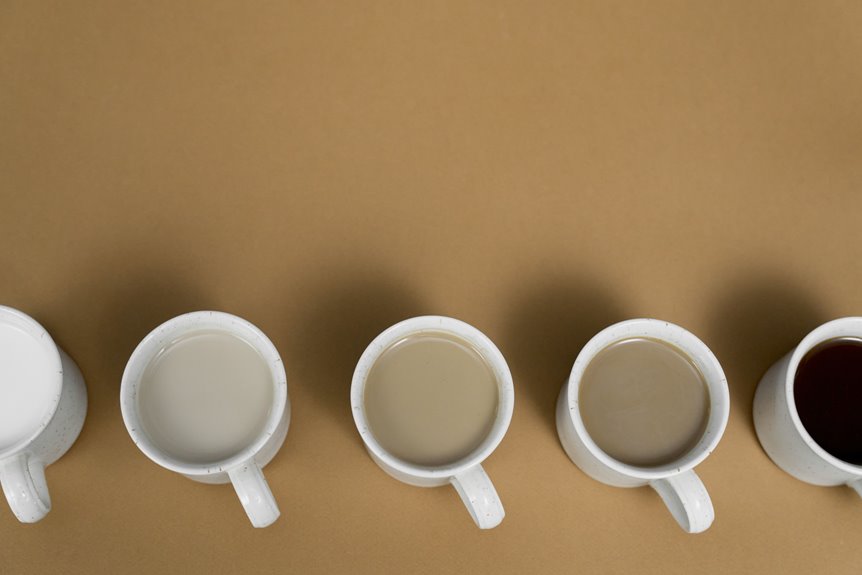
Yes, adding milk barely changes your coffee’s hydrating effect; it’s like a tiny raindrop in a sea. Warm milk temperature and dairy alternatives both keep you included, while your cup still mostly hydrates.
Is Cold Brew Less Dehydrating Than Hot Coffee?
Yes. Cold brew can feel less dehydrating because you usually sip a larger serving size with lower caffeine concentration. You’re still part of the coffee crowd, and brewing temperature changes flavor extraction more than hydration.
Does Coffee Dehydrate You More at Night?
Not really. At night, you’re more likely to feel the effects of caffeine timing and sleep disruption than dehydration. If you drink coffee late, you might wake up thirsty, but it doesn’t suddenly dehydrate you more.
Can Children Drink Coffee Without Getting Dehydrated?
No, you should not let kids drink coffee freely; children’s caffeine intake needs parental guidance. Coffee might not seriously dehydrate them, but it can upset sleep, nerves, and comfort, so you should use moderation and provide support.