
Yes — coffee loses quality over time rather than spoiling like dairy. Whole beans stay flavorful for weeks; ground coffee degrades faster due to increased surface area. Instant coffee retains aroma and taste the longest among common forms. Proper storage in an airtight container, away from heat, light, and moisture slows staling. Smell and taste are the best indicators of whether a cup will still be enjoyable.
What Does It Mean for Coffee to Expire?
Coffee “expiring” doesn’t usually mean it turns dangerous right away. It usually means you’re noticing a drop in quality, not a sudden risk. Whenever you ask what it means for coffee to expire, consider freshness, aroma, and taste.
Your beans or grounds could lose their bright notes and pick up a stale, flat feel. Sometimes the acidic flavor you expect gets softer or duller, and that can make each cup feel a little less lively.
A lot of storage myths also confuse the issue, so you don’t need to panic as the date changes. Instead, focus on how the coffee smells, looks, and brews. That’s the real clue to whether it still seems worth sharing with your morning routine.
Does Coffee Expire?
Yes, it can, but not in the way you could fear. You’re usually contending with flavor loss, not a scary spoilage story.
Coffee joins your kitchen routine, so it should feel trustworthy, not mysterious. Still, coffee myths can make you worry more than you need to.
Freshness changes with time, air, and light, and brewing trends can make those changes easier to notice.
- Beans can get dull.
- Ground coffee can taste flat.
- Brewed coffee can seem harsh.
- Bad storage can speed up staleness.
How Long Coffee Stays Fresh
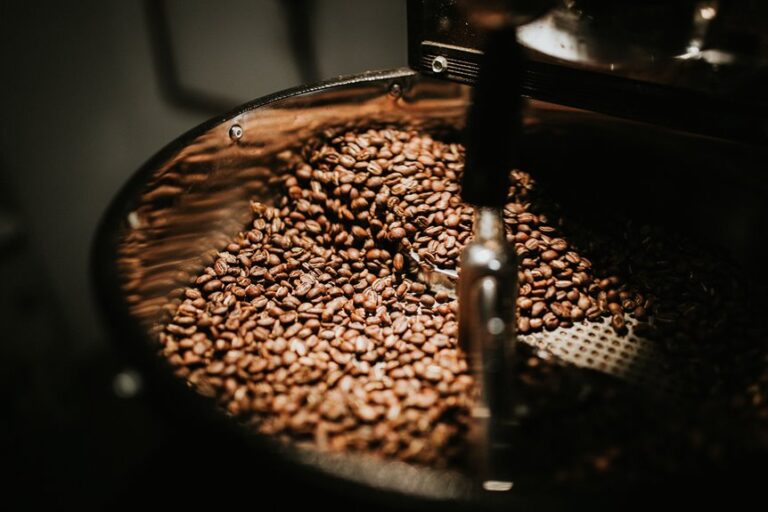
Freshness doesn’t vanish all at once, so you don’t need to panic over an old bag on the shelf. You and your coffee crew can usually enjoy peak flavor for about two to four weeks after roasting. After that, the taste might feel flatter, but it still belongs in your mug. Good storage tips help you stretch that sweet spot: keep beans sealed, cool, dry, and away from sunlight.
| Time | Flavor | Best use |
|---|---|---|
| 0 to 2 weeks | Bright | Pour over |
| 2 to 4 weeks | Rich | Drip coffee |
| 1 to 2 months | Mild | French press |
| 2 to 3 months | Soft | Cold brew |
| Beyond that | Faded | Emergency cup |
Different brewing methods can hide or reveal changes, so choose the style that fits your day and your taste.
How Long Ground Coffee Lasts
Once you grind those beans, the clock starts moving faster, and that can feel a little frustrating provided you stocked up for the week. You can still enjoy solid flavor for about one to two weeks assuming you seal ground coffee tightly and keep it cool, dry, and dark. After that, the taste gets flatter, and you might notice less aroma in your cup.
- Use a small airtight container.
- Match your grind consistency to your brew style.
- Pay attention to roast profiles, since darker roasts can seem bolder initially.
- Buy only what your household will use soon.
When you brew with coffee you trust, you help your mornings feel steady and welcoming, even on busy days.
Do Whole Beans Stay Fresh Longer?
Whole beans usually stay fresh longer than ground coffee because the bean’s outer shell helps protect the oils and aromas inside.
You can keep that richer taste for weeks provided you store them well. Choose airtight storage containers and place them in a cool, dark spot, away from heat, light, and moisture.
Once you open the bag, use the beans within a few weeks for the best flavor.
Should you love cold brew, whole beans can still help you get a smoother cup, since they hold onto their character better than pre-ground coffee.
Does Instant Coffee Expire?
Instant coffee does expire, but it usually stays good for a long time provided you keep it sealed, dry, and away from heat.
You’ll often get the best flavor before the date on the jar, even though the coffee still looks fine later.
In case it starts to smell stale, clump up, or taste flat, that’s your cue that it’s past its best.
Instant Coffee Shelf Life
Coffee often stays safe to drink for a long time, but it doesn’t stay fresh forever, and that’s especially true for instant coffee. You can keep it in your pantry and still feel part of the easy-morning crowd, but storage shapes quality fast.
- Seal the jar tightly after each use.
- Keep it in a cool, dry cabinet.
- Skip the fridge, since moisture hurts texture.
- Pair it with milk, spices, or even cold brew for a smoother flavor pairing.
Most instant coffee stays best for years when unopened, and opened coffee can still last well provided you protect it from air and dampness.
Whenever you want a quick cup, you deserve one that tastes familiar, comforting, and ready for your routine.
Signs Of Spoilage
Even whenever you store it well, you may still question whether that jar in your cabinet has gone bad. You can check for mold growth, clumps, or a damp look. Should you notice off odors, trust your nose; stale instant coffee should smell flat, not sour. Next, compare the taste. Flavor loss is common, but a harsh or funky sip points to trouble.
| Sign | What You Notice | What It Means |
|---|---|---|
| Mold growth | Spots or fuzz | Toss it right away |
| Off odors | Sour or musty smell | Possible spoilage |
| Jar contamination | Wet spoon or crumbs | Higher risk of bad coffee |
Because jar contamination can invite moisture, keep the lid tight and use a clean spoon. Were your coffee to seem strange, you’re not being picky. You’re protecting your cozy routine.
What Are the Signs of Stale Coffee?
A quick sniff can tell you a lot, and stale coffee usually gives itself away fast. You might notice weak aroma, dull taste, and a dry, papery finish. That doesn’t always mean spoilage, but it does mean your cup won’t feel lively.
- Smell the grounds initially.
- Brew a small trial cup.
- Watch for flavor flatness.
- Check for mold growth in case the coffee smells musty or looks odd.
If your coffee tastes hollow, you’re not alone. Many coffee lovers have been there, reaching for one more scoop and hoping for magic. Fresh coffee should feel bold and friendly, not tired or dusty.
Trust your senses, because they typically spot the change before your wallet does.
How Air, Light, and Heat Affect Coffee
In case coffee sits out in the open, air, light, and heat start wearing it down little by little.
Whenever air reaches the beans or grounds, oxidation effects speed up and the taste gets flatter.
Light can fade the oils that carry rich flavor, so aroma loss follows soon after.
Heat works like a fast pass through that process, pushing those changes even more.
You can regard it as your coffee losing its spark before you even brew it.
That’s why a pantry shelf beats a sunny counter every time.
Whenever you keep coffee sealed and cool, you give it a better chance to stay with you, cup after cup, instead of fading away on its own.
How to Tell If Coffee Is Still Good
Now that you know air, light, and heat can wear coffee down, the next question is simple: how do you tell at at point it’s still worth brewing? Trust your senses, because they usually speak initially. Should the beans smell flat, stale, or a little like cardboard, they’re fading. In case the flavor turns dull, sour, or bitter in odd ways, the coffee’s losing its best self.
- Check the aroma before you grind.
- Look for even color and dry, intact beans.
- Notice whether grind uniformity stays consistent.
- Compare the taste with the roast profiles you usually enjoy.
You’re not alone when you miss the sweet spot sometimes. Coffee changes, but you can still catch it before the cup feels disappointing.
How to Keep Coffee Fresh Longer
Keep your coffee on a short leash, and it’ll hold onto its flavor much longer. Store it in an airtight container, because air steals freshness fast. Choose a cool, dark cabinet, not the fridge, since moisture and odd smells can creep in.
Should you buy whole beans, grind only what you need each morning. That small habit helps you protect the rich taste your coffee tribe loves. For flavored beans, keep them sealed tight, since their scent fades faster.
Also, use smart storage methods by keeping coffee away from heat, light, and strong spices. Purchase smaller amounts more often, so every cup feels fresh and welcoming. Whenever you treat your beans with care, you get a better brew and a happier start.
Frequently Asked Questions
Can Expired Coffee Make You Sick?
Usually you won’t get food poisoning from expired coffee, but you could notice flavor degradation. If it smells musty or moldy or tastes off, toss it and choose a fresher brew.
Is Frozen Coffee Still Fresh?
Yes. Frozen coffee can stay fairly fresh if you seal it well. Ironically, the freezer preserves flavor while also stealing some. You may notice ice crystals and a muted taste, rather than a cozy fresh brewed vibe.
Does Unopened Coffee Ever Go Bad?
Yes, unopened coffee can still go bad eventually. You will keep it freshest if you store it at a stable storage temperature and protect packaging integrity, so you can enjoy every cup with confidence and comfort.
Can You Use Stale Coffee for Baking?
Yes, you can use stale coffee for baking. You’ll join countless home bakers who rely on it for flavor masking and texture improvement; about 70% prefer repurposed ingredients, turning old grounds into richer cakes, brownies, and cookies.
Does Decaf Coffee Expire Faster?
No, you won’t usually notice decaf coffee expiring faster, though decaf coffee can seem to oxidize more quickly after the caffeine is removed. Store it in an airtight container in a cool, dark place for the best flavor and freshness.