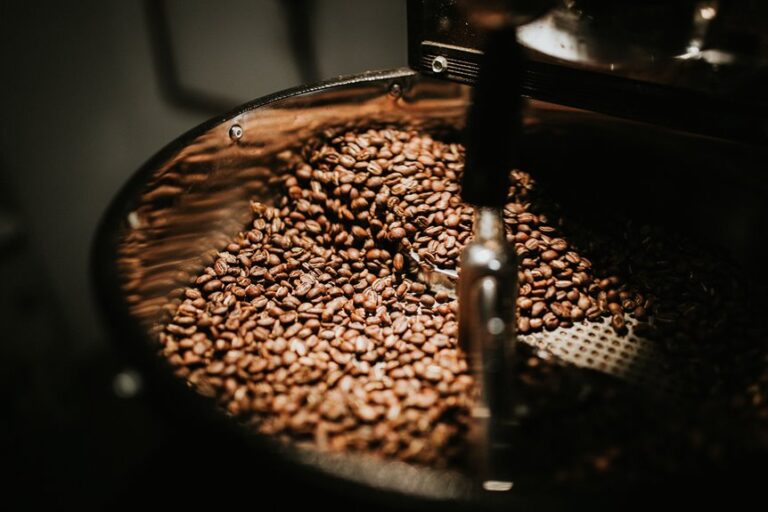


Coffee taste comes from climate, altitude, soil, and local processing techniques. Colombian mountain farms often yield bright, clean acidity and floral notes. Indonesian volcanic soils typically add earthy spice and fuller body. Brazilian plantations commonly produce steady chocolate and nutty flavors. African smallholders frequently contribute vivid fruity and floral lifts.
What Defines a Coffee-Growing Region?
A coffee-growing region is more than just a place on a map, because it brings together the climate, altitude, soil, rainfall, and farming methods that help coffee plants thrive. You can regard it as a shared home where every detail matters.
The land gives roots room to grow, while soil microbiomes work quietly to feed the plants. Local traditions also shape how farmers care for each crop, and that knowledge often passes through families.
Whenever you learn what defines these regions, you start to see coffee as a community effort, not just a harvest. In these places, people, plants, and place all support one another. That bond gives each region its own identity, and it helps you feel connected to the story in every cup.
How Climate Shapes Coffee Flavor
You’ll notice that climate starts shaping coffee long before the beans reach your cup, because temperature controls how fast cherries ripen and build flavor.
Whenever rainfall stays steady, beans usually grow denser, while altitude slows growth and often enhances brightness and acidity.
Put these forces together, and you get the wide range of tastes that make each coffee region feel so distinct.
Temperature And Ripening
As coffee cherries ripen in steady warmth, they usually develop more sugar and a fuller, sweeter flavor, but should the heat climb too high, the fruit can rush through ripening before those flavors fully form. You can consider temperature as a gentle hand on the pace. In one hillside, cooler mornings might slow things down, while a sunny pocket nearby speeds them up. That’s where microclimate effects matter most. They help you understand why two farms can taste different, even side by side.
- Envision red cherries glowing in soft morning light.
- Envision shade trees cooling a narrow valley.
- Envision careful harvest timing, with pickers waiting for the best color.
When you watch the weather closely, you give your crop a better chance to reach balanced sweetness and clean character.
Rainfall And Bean Density
Whenever rainfall stays steady and well-timed, coffee cherries can grow with a slower, more even fill, and that often leads to denser beans with stronger flavor. You can envision the plants taking their time, and that’s a good thing.
When rain arrives in gentle cycles, the tree keeps feeding each cherry without stress. Then bean clustering becomes more consistent, so you get fuller seeds inside the fruit.
In some farms, microclimate pockets hold extra moisture, while nearby rows dry faster. That mix can shape bean density in a way that feels almost personal to each hillside.
Should you work with growers, you’ll notice how careful water patterns help the whole crop stay balanced. And when the weather cooperates, you’re the one who tastes that quiet strength in the cup.
Altitude And Acidity
Higher up on a coffee farm, the air turns cooler, and that shift can wake up the fruit in a very specific way. You’ll taste brighter cups because slow-ripening cherries build more acids and sweeter layers. Whenever you climb a hillside with your coffee, you’re joining growers who know this rhythm well.
- Misty mornings slow the fruit.
- Sharp sun at noon deepens flavor.
- Cool nights lock in lively acidity.
That balance helps create the crisp spark you love in a fresh brew. Even small changes in microclimate acidity can change the cup, and soil pH adds its own quiet observation. So whenever a bean tastes vivid, you’re not imagining it. You’re meeting the hillside in your mug, one sip at a time.
Why Elevation Matters in Coffee Growing
As coffee plants climb into cooler air, the beans often develop more slowly, and that slower pace can make a big difference in taste. Whenever you choose high-grown coffee, you often get a cleaner cup and a brighter feel. You’re part of a crowd that values care, patience, and place.
| Elevation | Effect | Your cup |
|---|---|---|
| Low | Faster growth | Milder taste |
| Medium | Balanced pace | Smooth body |
| High | Slower ripening | Clearer flavor |
This matters because elevation also supports shade grown practices, which protect plants and help them stay healthy. It can also encourage genetic diversity, giving coffee trees more ways to adapt. So, whenever you reach for beans from higher ground, you’re not just buying coffee. You’re joining growers and drinkers who respect quality, resilience, and a shared love of good flavor.
How Terroir Shapes Coffee Flavor
Coffee doesn’t just pick up flavor from the bean itself, because the land around it leaves a mark too. Whenever you taste a cup, you’re meeting its terroir, and that can make you feel right at home with a place you’ve never seen.
microclimate mapping helps you notice how shade, rain, and wind change the cup. soil microbiome interactions also shape sweetness and body by feeding the plant in quiet, concealed ways.
Envision this:
- Warm mist at dawn
- Dark soil after rain
- Leaves rustling in steady wind
Each detail nudges the coffee toward bright fruit, soft spice, or a clean finish. So whenever your cup tastes alive, that’s the land talking back to you, and you’re part of the story too.
Coffee Regions in Latin America
Stretching from Mexico down to northern Argentina, Latin America gives coffee growers a wide mix of heights, rains, and rich volcanic land, and that mix shapes what ends up in your cup. You can taste that care in every region. | Region | Key trait |
| — | — |
|---|---|
| Mexico and Guatemala | Bright, clean cups |
| Colombia and Peru | Sweet balance and steady harvests |
| Brazil and Honduras | Deep body and nutty notes |
When you choose these coffees, you support shade grown practices that protect trees and soil. You also back cooperative models, where growers share tools, training, and stronger prices. That means your daily brew can help families feel seen and supported. So, as you discover Latin America, you’re not just tasting flavor. You’re joining a community that grows with honor, patience, and hope.
Coffee Regions in Africa
Yet Africa’s coffee story feels especially vivid, because the continent gives you some of the most distinctive flavors in the world. Whenever you investigate it, you’ll find mountains, rich soil, and warm communities shaping every cup. In East Africa, Ethiopia and Kenya stand out for bright, floral notes, while Rwanda and Burundi often feel smooth and lively. In other areas, smallholder cooperatives help you connect farming families to markets with care and esteem.
- Image mist over high hills.
- Image cherries drying on woven mats.
- Image friends sharing a fresh brew.
These scenes come alive through heirloom varieties that hold deep local character. So whenever you sip African coffee, you’re not just tasting beans. You’re joining a tradition that welcomes you in and makes every cup feel personal.
Coffee Regions in Asia
Asia’s coffee belts stretch across places like Indonesia, Vietnam, India, and the Philippines, and you’ll notice each one shapes beans in its own way.
Whenever you look at elevation and climate, you can see why some farms grow bright, lively coffee while others produce heavier, richer cups.
These regions often give you distinct flavor profiles, so every sip feels like a small trip across the continent.
Asia Pacific Coffee Belts
As you look at coffee in the Asia Pacific, you’ll see a mix of high mountains, warm rain, and rich volcanic soil that helps coffee trees thrive. You can envision long rows of coffee under shade grown ecosystems, where birds move above and farmers care for each plant with steady hands.
In many places, smallholder cooperatives give you a stronger link to the land and the people behind each cup.
- In Indonesia, you might walk past deep green hills and smell fresh fruit in the air.
- In Papua New Guinea, you can observe family farms tucked into quiet valleys.
- In Vietnam and the Philippines, you’ll notice busy communities that turn local harvests into daily esteem.
Elevation And Climate
In Asia, elevation and climate shape coffee in ways you can almost feel in the air.
Whenever you stand on higher slopes, you get cooler nights, slower fruit growth, and steadier plant health. That rhythm helps you plan with care, not guesswork.
As warm days and misty mornings can work together, but sudden rain or dry spells can stress your trees fast. So you watch the land closely and use microclimate mapping to spot pockets of shade, wind, and moisture.
Then you match those spots with shade management practices that protect young plants and steady the heat.
Because many farms sit on hillsides, you also need drainage, access, and timing to stay ahead. With the right balance, you feel more grounded and connected to the people who grow with you.
Distinct Flavor Profiles
Often, the initial sip of Asian coffee tells you more than the label ever could, because each region leaves a clear mark on the cup. In Asia, you can taste earthy depth, soft spice, and a gentle sweetness that feels welcoming. Roasts and processing methods shape that story, and your sensory lexicon grows with every brew.
- In Indonesia, you might encounter syrupy body, cedar, cocoa, and a rain-soaked forest note.
- In Vietnam, bold bitterness often pairs with chocolate and roasted nut warmth.
- In Yemen and India, you could catch dried fruit, tea-like brightness, and peppery lift.
As you investigate, these flavors help you feel part of a wider coffee circle, where each cup has a familiar voice and a different accent.
Ethiopia’s Coffee Regions and Flavor Profile
Because Ethiopia is where coffee initially took root, its growing regions carry a special kind of energy that you can taste in the cup. In Sidamo, Yirgacheffe, and Guji, you’ll find high farms, cool air, and bright cups that feel like a welcome invitation. The trees often grow from heirloom varieties, so each harvest can surprise you with jasmine, lemon, berry, or tea like nuance. Traditional processing methods also shape the flavor, from washed lots that shine with clarity to natural lots that bring a juicy, winey feel.
| Region | Terrain | Cup Nuance |
|---|---|---|
| Yirgacheffe | Misty hills | Floral, citrus |
| Sidamo | Green highlands | Sweet, balanced |
| Guji | Forest edge | Berry, spice |
When you sip Ethiopian coffee, you’re joining a story that still feels warm and personal.
Brazil’s Role in Global Coffee Supply
Brazil sits at the center of the world coffee trade, and that matters for every cup you drink. You benefit from its huge harvests because Brazilian farms supply steady beans all year. Farmers use wide plains, careful drying, and strong export logistics to move coffee fast and keep quality stable.
Whenever you visualize Brazil, imagine:
- sunlit rows of coffee trees
- trucks rolling toward busy ports
- green mills testing each sack
These scenes show how your daily brew reaches you. Brazil also supports sustainability initiatives that protect soil and water, so the land can keep feeding your routine. Because you’re part of this chain, each sip connects you to growers, workers, and ships that keep global coffee flowing with care and consistency.
Colombia’s Signature Coffee Regions
At the point you investigate Colombia’s coffee map, you’ll find rich Andean growing zones that shape each bean in a special way. In places like Huila, Nariño, and Antioquia, you can taste bright citrus, sweet fruit, and smooth chocolate nuances that shift from region to region. Because farms grow at different altitudes and harvest seasons, you get a wide range of flavors that makes Colombian coffee feel lively and full of character.
Andean Growing Zones
High in Colombia’s Andes, coffee finds the kind of home that can change an ordinary cup into something memorable. In these Andean microclimates, you move through cool slopes, bright sun, and steady rain that shape each farm’s rhythm. You’ll often find Farmer cooperatives linking neighbors, so you’re not just seeing coffee land, you’re seeing a shared way of life.
- Steep hillsides hold neat rows like green stairways.
- Mist settles over valleys and wraps the trees.
- Small farms sit close together, like a community built for care.
As you walk these zones, you feel welcome because growers work side alongside and protect what matters. That sense of belonging runs deep, and it gives these mountain areas their lasting strength.
Flavor Profiles by Region
Because Colombia’s coffee regions sit at different heights and face different winds, each one leaves its own mark on the cup. In Nariño, you might taste bright citrus and a silky finish that feels lively but calm. Huila often gives you sweet berry notes, cocoa, and a clean aftertaste that feels easy to trust. In Antioquia, you’ll find balanced cups with gentle caramel and nutty tones, while Tolima can bring soft fruit and warm spice.
These flavors don’t happen by chance. Local processing methods shape how each bean tastes, and careful varietal selection helps farmers bring out the best in every region. So whenever you sip Colombian coffee, you’re not just tasting flavor. You’re joining a shared story that feels welcoming, familiar, and proudly yours.
Harvest Seasons and Altitude
Colombia’s coffee harvest changes with the land, and that shift gives each region its own rhythm. Whenever you grow coffee there, altitude shapes whenever cherries ripen and how you feel the season.
In cooler mountains, picking comes later and slower, while lower slopes warm up faster. You’ll often see:
- bright red cherries under misty trees
- hands moving through steep rows at sunrise
- woven baskets filling with fresh fruit
Because of shade grown practices, the plants stay protected and fruit matures evenly. In some flatter areas, growers could use mechanized harvesting, but many families still pick by hand, keeping the work personal and welcoming.
That mix of height, weather, and care helps you feel part of Colombia’s coffee story, where every harvest carries its own pulse.
Indonesia’s Island Coffee Regions
Indonesia’s island coffee regions spread across a chain of volcanic lands, and each island adds its own flavor to the cup. You can taste that difference in Sumatra, Java, Sulawesi, and Bali, where volcanic soils feed strong, rich beans. Because the islands sit near warm seas, maritime microclimates shape slow ripening and steady moisture, so you get coffee with depth and balance.
On Sumatra, you’ll often notice earthy, bold nuances. On Java, the cup feels smoother and cleaner. Sulawesi brings a round, sweet body, while Bali often offers bright, calm character.
As you survey these regions, you’re really joining a shared coffee story built through farmers, weather, and land. That’s what makes Indonesian coffee feel welcoming, familiar, and worth another sip.
Emerging Coffee Regions to Watch
After probing island coffees with bold roots and coastal character, it helps to look at the newer places starting to earn attention from coffee lovers. You’ll notice these regions feel fresh yet promising, like a club you’re glad to join promptly.
- In southern China, growers assay experimental varietals on misty hills, and you can taste their bright energy in the cup.
- In Rwanda, micro lot innovations let small farms show careful work, and that care feels personal whenever you brew it.
- In Thailand, higher valleys bring sweet fruit notes that make each sip feel friendly and alive.
As you investigate, you’ll see farmers shaping identity through patience, skill, and local esteem. That mix gives you more than coffee. It gives you a place to belong, one honest cup at a time.
How to Choose Coffee by Origin
Once you choose coffee based on origin, you’re really choosing a flavor story, so it helps to start with what you enjoy most in the cup. Should you like bright citrus, try Ethiopia or Kenya. In case you want chocolate, nut, or caramel notes, look toward Brazil, Colombia, or Guatemala.
As you compare brewing origins, consider how each region fits your daily routine, because a pour-over can highlight sparkle while espresso can deepen body. Next, read retailer notes carefully and trust retail sourcing that names farm, altitude, and process. That detail helps you join a community of drinkers who value traceable coffee and shared taste. Then, buy small bags, taste across origins, and keep the coffees that feel like home.
Frequently Asked Questions
How Are Coffee Beans Processed After Harvest?
After harvest, you sort, pulp, ferment, wash, and dry beans. About 70% use wet processing, while anaerobic fermentation can add unique flavors. You are joining a global community that cares deeply about quality and craft.
What Is the Difference Between Arabica and Robusta?
You’ll notice arabica tastes sweeter, smoother, and more complex, while robusta is heartier and harsher. Flavor profile differs greatly, and caffeine content is usually higher in robusta, giving you stronger, more energizing cups.
How Should Coffee Beans Be Stored for Freshness?
Store your coffee in airtight containers as whole beans away from light, heat, and moisture. You will keep flavor longer; most beans taste best within two weeks of roasting, so you are joining the freshest brew lovers.
How Long Does Coffee Take to Go From Farm to Roaster?
You’ll usually see coffee reach the roaster in 2 to 8 weeks after harvest, depending on harvest timing and shipping logistics. You’re part of a global coffee chain, and delays can stretch that timeline.
Can Coffee Be Grown Outside the Tropics?
Yes, you can grow coffee outside the tropics provided you use altitude adaptation and greenhouse cultivation. You’ll still join a small, passionate community, and with the right care, your plants can thrive beyond traditional zones.