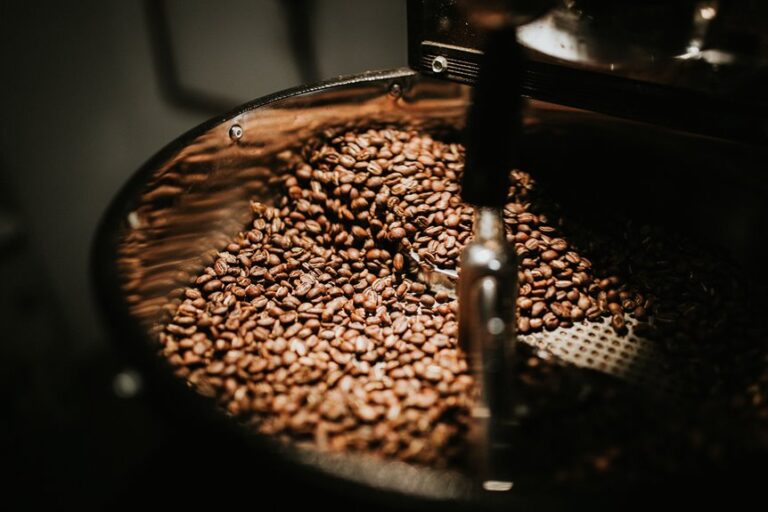


Coffee can boost alertness and speed up digestion. It stimulates stomach acid and intestinal contractions, and certain compounds support beneficial gut bacteria. Different roast levels, brewing methods, and caffeine amounts change how the gut responds. Personal sensitivity, recent meals, and existing digestive conditions shape whether coffee soothes or irritates. Small adjustments in timing, strength, or type of coffee often shift its effects on the digestive system.
How Coffee Affects Your Gut
Whenever you drink coffee, it can wake up more than your brain, because it also gets your digestive system moving. For many people, that feels normal, not alarming.
Your gut might respond in different ways, though, and that’s okay. Coffee can support microbiome diversity by helping certain helpful bacteria thrive, which could matter for your comfort and long-term balance.
At the same time, should you already have a sensitive stomach, coffee might make you notice changes faster. Some people also feel effects linked to intestinal permeability, especially whenever their gut is already irritated.
How Coffee Stimulates Digestion
At the time you drink coffee, it can signal your stomach to release more gastric acid, which helps start the digestion process.
It can also wake up your bowel muscles, so food moves along more quickly. For many people, that’s why a morning cup can feel like a gentle nudge that gets the whole system going.
Gastric Acid Release
Because coffee wakes up your senses so quickly, it also nudges your stomach to get moving through telling it to release more gastric acid. That extra acid secretion helps you decompose food a little faster, so your body can start the digestive job with confidence.
Coffee can also encourage gastrin release, a hormone that signals your stomach to make even more acid. For you, that might feel like a warm, active start after a cup, not a harsh one every time.
Still, your response depends on your own body, so some people notice a gentle lift while others feel more sensitivity. Should coffee suit you well, this premature stomach signal can help you feel settled and ready for the meal ahead, without making digestion feel like a chore.
Bowel Motility Boost
Just as it perks up your mind, coffee can also give your intestines a gentle nudge to start moving. You might feel that familiar urge soon after your initial cup, and that’s no accident. Coffee can wake up colon transit by helping the muscles in your gut contract in a steady rhythm. It could also support the pelvic floor response that helps you pass stool more easily.
For many people, this creates a natural bathroom routine that feels simple and reliable. Still, your body sets the pace, so the effect can feel stronger on some days than others. Should coffee fit your morning rhythm, it can help you and your gut get on the same page without much drama.
How Coffee Changes Gut Bacteria
In your gut, tiny microbes are always busy, and coffee can nudge that activity in real ways. Whenever you drink it often, your microbiome shifts, and some helpful species seem to get a lift. That can support bacterial diversity, which matters because a varied gut community often works better as a team.
Coffee also brings plant compounds that gut bacteria can use for fuel, so your microbes might respond by changing how they grow and interact. You don’t need a perfect routine to see this effect, either. Even a simple daily cup can shape the mix inside you.
In that way, coffee can help your gut crowd feel more balanced, and that could support the steady rhythm you want each day.
Why Coffee Can Upset Sensitive Stomachs
Should coffee leave your stomach feeling uneasy, its natural acidity could be irritating your stomach lining and making you feel off.
It can also push your stomach to make more acid, which might bring on burning, bloating, or nausea.
And should you be sensitive to caffeine, even one cup can make those symptoms feel stronger than you’d expect.
Acidity And Irritation
Coffee can feel harsh on a sensitive stomach because it wakes up more than just your brain. Its natural acids can scratch at an already tender gut, so you might notice burning, bloating, or a sour feeling after a cup.
Should you deal with acid reflux, that burn can climb higher and feel extra annoying. For some people, the same sharp edge can also stir intestinal inflammation, which makes your belly feel unsettled and fussy.
You’re not being dramatic, and you’re definitely not alone. Your stomach is just asking for a little care. Even a small sip can matter whenever your system is touchy, so paying attention to how you feel helps you stay in the coffee club without the stomach drama.
Stomach Acid Stimulation
At the same time, your stomach can react to coffee before you even finish the cup, because it pushes your body to make more gastric acid.
- Your gastric hormone can signal extra acid fast.
- That extra acid might feel sharp if your stomach feels tender.
- Warm coffee can wake up digestion, but it can also nudge acid up.
- Should you’re already hungry, acid rebound can hit harder.
- You’re not alone should that initial sip feels like a small jolt.
Because of this, your stomach could feel uneasy even whenever you like coffee’s taste and smell.
The positive part is that you can notice your own pattern and make choices that fit your body.
Whenever you understand the acid response, you give yourself room to feel calmer, safer, and more in control at breakfast.
Caffeine Sensitivity Effects
For some people, caffeine can make a sensitive stomach feel jumpy fast, because it does more than just wake up your mind. You might feel cramping, nausea, or a sudden need to rush to the bathroom.
Should your body have low genetic tolerance, even a small cup can feel like too much. Also, medication interactions can make caffeine hit harder, especially when you take drugs that slow its breakdown.
Why Coffee Makes You Poop?
That quick morning cup can really get things moving, and you’re not imagining it. Coffee can wake up your gut through enhancing colon transit and sparking serotonin release, which tells your intestines to contract.
It also warms and stimulates your stomach, so your body might feel ready to go.
- Your bowel muscles react fast.
- Your gut receives a gentle nudge.
- Serotonin helps signal movement.
- The warmth can feel soothing.
- You’re not the only one.
Coffee Habits That Are Easier on Your Stomach
When coffee tends to bother your stomach, small changes can make a big difference. You don’t have to give up your morning cup to feel better. Try timed consumption, so you drink coffee after you’ve eaten, not on an empty stomach. That one shift often calms the squeeze in your belly.
You can also trial low acid choices and watch how your body responds. Should your usual brew feels harsh, a cold brew style might feel smoother and kinder. During a decaf shift, switch gradually instead of all at once, so your routine still feels familiar.
Most of all, listen to your own signals. Your stomach will tell you what works, and you deserve coffee habits that fit your life.
Coffee Types That Are Gentler on Digestion
Provided that your stomach is sensitive, the type of coffee you choose can matter just as much as how you drink it. You don’t have to give up your coffee circle to feel better. Try these gentler picks:
- Low acid roasts can feel smoother on your gut.
- Cold brew often tastes softer because it extracts less bite.
- Decaf blends might sit easier whenever caffeine stirs you up.
- Chicory mixes add a toasted flavor with less coffee punch.
- Darker roasts can feel kinder than sharp, bright blends.
Whenever you choose one of these, you’re giving your digestive system a calmer start. That small switch could help you keep your cup, your comfort, and your place in the morning crowd.
When to Cut Back on Coffee
Should coffee continues to unsettle your stomach, it could be time to scale back a little. You don’t have to quit your favorite mug to feel better. Start by noticing when symptoms flare, like bloating, cramps, or urgent bathroom trips.
Then try smaller servings and see how your gut responds. In case mornings feel rough, choose a milder brew and skip the second cup. Also watch decaffeination timing, since switching earlier can ease stress on your stomach.
For many people, evening tapering helps too, because less caffeine later can calm reflux and protect sleep. Should you still crave the ritual, keep the cup warm and the pace slow. You belong in a coffee routine that feels kind to your body.
Frequently Asked Questions
Can Coffee Affect Gut Health Differently Depending on Age?
Yes, coffee can affect your gut differently at different ages. About 30% of people report sensitivity, and age differences matter because developmental stages shape digestion, so you will want to notice how your body responds.
Does Coffee Interact With Probiotics or Prebiotic Supplements?
Yes, coffee can interact with probiotics or prebiotic supplements by changing your gut microbiome. You’ll usually do best spacing supplement timing apart from coffee, and you’re not alone in noticing less stomach upset that way.
Is Decaf Coffee Easier on the Gut Than Regular Coffee?
Yes, you’ll often find decaf easier on your gut because it is lower in acid and more stomach friendly. You might notice decaf benefits, with less jittery irritation and a gentler impact on the microbiome altogether.
Can Cold Brew Be Less Irritating Than Hot Coffee?
Yes, cold brew can be gentler than hot coffee. You might find its low acidity brew suits your stomach sensitivity better, offering gastric comfort and a calmer sip, helping you feel included without the burn.
How Long After Drinking Coffee Does Digestion Usually Change?
Usually within 15 to 30 minutes, you’ll notice changes in gut motility and acid secretion after coffee. You are not alone provided it feels quick; your body often responds fast and noticeably.