
Colombia’s coffee regions each bring something different to the cup. Nariño, Huila, Quindío, Tolima, Cauca, Risaralda, and Santander all offer distinct flavors. Some taste bright and floral, while others lean toward chocolate, spice, or a richer body.
Here’s a quick look at what sets each region apart in 2026.
| New England Coffee Colombian Medium Roast Ground Coffee |  | Best Classic Colombian | Roast Level: Medium roast | Coffee Type: Ground coffee | Bean Origin: Colombian | VIEW LATEST PRICE | Read Our Analysis |
| Colombia Jo Organic Ground Gourmet Coffee Medium Roast |  | Best Organic Pick | Roast Level: Medium roast | Coffee Type: Ground coffee | Bean Origin: Colombian | VIEW LATEST PRICE | Read Our Analysis |
| Cielito Paradise Castillo Coffee Medium Roast Whole Bean | 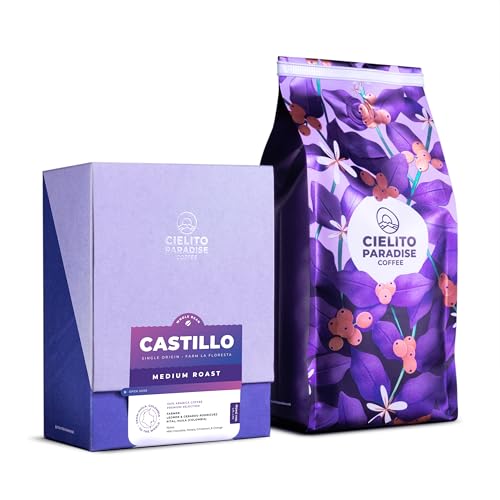 | Best Single-Origin | Roast Level: Medium roast | Coffee Type: Whole bean | Bean Origin: Colombian | VIEW LATEST PRICE | Read Our Analysis |
| Colombian Supremo Coffee Whole Bean Fair Trade Fresh Roasted 16-ounce |  | Best Supremo Bean | Roast Level: Medium roast | Coffee Type: Whole bean | Bean Origin: Colombian | VIEW LATEST PRICE | Read Our Analysis |
| Conecto Cardamom Ground Coffee Guatemalan Arabica 12oz |  | Best Spiced Coffee | Roast Level: Medium roast | Coffee Type: Ground coffee | Bean Origin: Guatemalan | VIEW LATEST PRICE | Read Our Analysis |
| San Alberto Colombian Ground Coffee Medium Roast |  | Most Awarded | Roast Level: Medium roast | Coffee Type: Ground coffee | Bean Origin: Colombian | VIEW LATEST PRICE | Read Our Analysis |
| San Alberto Colombian Whole Bean Medium Roast Coffee | | Best Whole Bean | Roast Level: Medium roast | Coffee Type: Whole bean | Bean Origin: Colombian | VIEW LATEST PRICE | Read Our Analysis |
More Details on Our Top Picks
New England Coffee Colombian Medium Roast Ground Coffee
Should you want a smooth, balanced Colombian cup with a rich aroma and bold flavor, New England Coffee Colombian Medium Roast Ground Coffee is a strong fit. You get 11 ounces of ground, 100% Arabica coffee made from top-grade, extra-large beans grown in Colombia’s finest regions. Its medium roast brings out an intense yet balanced flavor, and small-batch roasting helps keep every bag consistent. You can also trust its gluten-free, certified Kosher profile. With more than 100 years of family roasting tradition and Sustainable Cup Project support, it delivers quality with purpose.
- Roast Level:Medium roast
- Coffee Type:Ground coffee
- Bean Origin:Colombian
- Arabica Beans:100% Arabica
- Pack Size:11 oz
- Packaging:Bag
- Additional Feature:Small-batch roasted
- Additional Feature:Gluten free
- Additional Feature:Sustainable Cup Project
Colombia Jo Organic Ground Gourmet Coffee Medium Roast
Colombia Jo Organic Ground Gourmet Coffee, Medium Roast is a strong pick should you want a smooth, easy-drinking Colombian cup with natural sweetness and balanced depth. You’ll get 12 ounces of 100% Arabica, organic, non-GMO, gluten-free coffee, roasted in small batches for freshness. Expect caramel, toasted almond, and cane sugar notes, plus a silky, creamy body without added flavoring. It’s USDA Organic, Fair Trade, and Kosher certified. Brew 2 tablespoons per 6 ounces of water for best results. Should you desire more, you can also buy the resealable 2-pound tin-tie package.
- Roast Level:Medium roast
- Coffee Type:Ground coffee
- Bean Origin:Colombian
- Arabica Beans:100% Arabica
- Pack Size:12 oz
- Packaging:Resealable tin-tie
- Additional Feature:USDA certified organic
- Additional Feature:Fair Trade certified
- Additional Feature:Caramel, almond notes
Cielito Paradise Castillo Coffee Medium Roast Whole Bean
Should you love a smooth, well-balanced cup with layered sweetness, Cielito Paradise Castillo Coffee Medium Roast Whole Bean is a standout choice. You’ll taste milk chocolate, panela, cinnamon, and orange in every freshly ground sip. This 100% Premium Arabica Castillo comes from single-origin Pital, Huila, where 1,720 MASL altitude, volcanic soil, and a lush climate shape its character. A 24-hour fermentation process helps soften the cup and lift the aroma. Small Páez farmers and collectors carefully select each bean, so you get quality, balance, and Huila’s distinctive terroir in a 12-ounce bag.
- Roast Level:Medium roast
- Coffee Type:Whole bean
- Bean Origin:Colombian
- Arabica Beans:100% Premium Arabica
- Pack Size:12 oz
- Packaging:Bag
- Additional Feature:24-hour fermentation
- Additional Feature:Castillo variety
- Additional Feature:Volcanic soil grown
Colombian Supremo Coffee Whole Bean Fair Trade Fresh Roasted 16-ounce
Provided you want a smooth, gourmet cup with true whole-bean flavor, Colombian Supremo Coffee, Whole Bean, Fair Trade, Fresh Roasted, 16-ounce is a strong pick. You get shade-grown Colombian Supremo estate beans, medium roasted, then immediately packed and sealed to lock in freshness. Expect bittersweet indications of chocolate and caramel, plus hints of orange, a nutty aroma, and balanced sweetness and acidity. It’s not overpowering, so you can enjoy every sip. The beans undergo phytosanitary testing, lab checks for mold and mycotoxins, and roast above 400°F, giving you a clean, safe cup for brewing.
- Roast Level:Medium roast
- Coffee Type:Whole bean
- Bean Origin:Colombian
- Arabica Beans:Arabica
- Pack Size:16 oz
- Packaging:Sealed pack
- Additional Feature:Shade-grown
- Additional Feature:Phytosanitary tested
- Additional Feature:Lab-analyzed for mold
Conecto Cardamom Ground Coffee Guatemalan Arabica 12oz
Should you like a smooth, medium-roast coffee with a warm cardamom twist, Conecto Cardamom Ground Coffee is an easy pick. You’ll get 12 ounces of ground Guatemalan Arabica from Alta Verapaz, made with 100% natural ingredients and sun-dried beans. The cardamom gets roasted in clay pots, giving you a gentle spice that doesn’t overpower the cup. Its mild acidity and balanced body work well in standard drip coffee makers. You’re also supporting a family-owned company that hand packages each batch and shares profits with Puente to help fight child malnutrition in Guatemala.
- Roast Level:Medium roast
- Coffee Type:Ground coffee
- Bean Origin:Guatemalan
- Arabica Beans:Guatemalan Arabica
- Pack Size:12 oz
- Packaging:Packaged
- Additional Feature:Cardamom roasted
- Additional Feature:Clay pot artisanal
- Additional Feature:Child malnutrition support
San Alberto Colombian Ground Coffee Medium Roast
Provided you want a single-origin Colombian ground coffee that’s traceable to estate, San Alberto Colombian Ground Coffee Medium Roast stands out with its 100% Arabica Caturra and Castillo beans, grown at high altitude for a smooth body, gentle acidity, and layered aroma. You’ll taste vanilla, caramel, and dark chocolate in a soft, rounded cup that needs no sweetener. The even grind helps you brew espresso, V60, drip, French press, or cold brew with ease. Its resealable bag keeps aromas fresh, while San Alberto’s award-winning, stewardship-driven farming makes each serving feel refined and dependable.
- Roast Level:Medium roast
- Coffee Type:Ground coffee
- Bean Origin:Colombian
- Arabica Beans:100% Arabica
- Pack Size:Unspecified
- Packaging:Resealable bag
- Additional Feature:More than 30 awards
- Additional Feature:Espresso versatile
- Additional Feature:Resealable aroma lock
San Alberto Colombian Whole Bean Medium Roast Coffee
Should you want a Colombian coffee that blends award-winning pedigree with everyday drinkability, San Alberto Colombian Whole Bean Medium Roast Coffee is an easy standout. You get single-origin Arabica beans from Quindío’s San Alberto estate, grown at 1,500 to 1,800 meters and recognized with more than 30 international awards. Once you grind it fresh, you’ll notice vanilla sweetness, caramel smoothness, and soft chocolate depth. Its resealable bag helps preserve aroma, while its balanced, even extraction suits espresso, drip, V60, French press, or cold brew.
- Roast Level:Medium roast
- Coffee Type:Whole bean
- Bean Origin:Colombian
- Arabica Beans:100% Arabica
- Pack Size:Unspecified
- Packaging:Resealable bag
- Additional Feature:More than 30 awards
- Additional Feature:Bloom release aromas
- Additional Feature:Community stewardship farming
Factors to Consider When Choosing the Coffee Region of Colombia
Upon choosing a coffee region in Colombia, look at the flavor profile you want, since each area brings its own balance of brightness, sweetness, and body. You’ll also want to check roast level, bean variety, origin traceability, and processing method, because they all shape what ends up in your cup. After you compare these factors, you can match the region to the taste and style you enjoy most.
Flavor Profile
Flavor in Colombian coffee starts with where it’s grown: higher-altitude beans, especially above about 1,500 meters, usually taste brighter and more floral or citrusy, while lower-elevation coffees tend to be fuller-bodied with chocolatey or nutty subtleties. You’ll also observe that volcanic or mineral-rich soils can add layered sweetness and fruit, cocoa, or caramel notes through feeding the plants well. Regional microclimates matter too: cool nights, warm days, rainfall, and humidity all shape how slowly the cherries mature and how vivid the cup tastes. Varietals like Caturra, Castillo, and Typica each bring their own leanings, from delicate acidity to richer spice. After harvest, washed lots usually taste cleaner, while natural, honey, and extended-fermentation lots push fruitier, wine-like complexity.
Roast Level
Roast level can completely change how a Colombian coffee region tastes in your cup. Should you want bright acidity and delicate florals or citrus, choose a light roast, since it keeps more volatile aromatics intact and lets origin character shine. A medium roast, especially one stopped between initial crack and the end of initial crack, gives you a balanced cup with clearer sweetness, caramel, and chocolate notes from Maillard reactions and caramelization. Darker roasts push acidity down, build body, and add smoky or bittersweet tones, but they can blur regional differences. You’ll also need to adjust your brew: lighter roasts often need a finer grind, hotter water, or more contact time, while darker roasts extract faster and can turn harsh should you use the same settings.
Bean Variety
Bean variety is the quiet signature in a Colombian coffee region, shaping everything from acidity and body to cup clarity. Whenever you choose a region, you’re also choosing which Arabica cultivars thrive there. Caturra gives you bright acidity and clean sweetness, but it needs attentive pruning and can be more disease-prone. Castillo can suit you provided you want resilience and steady yields; it usually cups balanced, with moderate acidity and chocolatey notes. Should you love delicate complexity, look for Bourbon or Typica lineages, which can deliver exceptional cup quality, though they often yield less and react more sharply to pests and altitude shifts. Hybrid and disease-resistant cultivars can enhance farm stability and nudge flavor toward fuller body and milder acidity.
Origin Traceability
Along with varietal choice, origin traceability helps you judge whether a Colombian coffee region can deliver the cup you want. You can look for farm, cooperative, or micro-lot records that show where the beans were grown and how they were handled. Good traceability often lists altitude, varietal, and other details that tie flavor to origin. Chain-of-custody documents and lot numbers let you follow beans from harvest to milling, export, roasting, and packaging, so you’re less likely to buy anonymous blends or adulterated coffee. Certifications and audit reports can support claims about fairness, organic production, and quality. Digital tools like QR codes, blockchain entries, and farm databases give you harvest dates, farmer IDs, and handling annotations, helping you assess transparency and freshness before you buy.
Processing Method
Processing method can make or break the cup, so it’s worth tracing how a Colombian region handles its coffee after harvest. Should you want a cleaner, brighter profile, look for washed lots; they remove mucilage before drying and usually highlight acidity, origin, and varietal character. In case you prefer a fuller cup with fruit-forward depth, natural processing dries whole cherries and can bring fermented, berry-like notes. Honey lots sit between those styles, offering syrupy body and layered sweetness with more balanced acidity. You should also consider how tightly the farm controls fermentation, because time, temperature, and microbes can shift flavor fast. Finally, bear in mind how they dry the coffee and what moisture level they target, since even drying helps prevent defects and keeps quality stable.
Freshness And Packaging
Even the best processing method won’t matter much provided the coffee is stale until the time you brew it, so freshness and packaging should be high on your checklist. Check the roast date initially; that “roasted on” label tells you far more than a marketing claim. For peak flavor, choose beans roasted within the past 2–6 weeks. Buy whole beans whenever you can, because they keep their aromatics longer than pre-ground coffee. Look for bags with one-way valves and sturdy, airtight seals that let CO2 escape without letting oxygen in. Opaque, foil-lined, resealable packaging also blocks light, moisture, and odors. Once you open the bag, use it within 2–4 weeks, and portion only a week’s worth for daily brewing.
Ethical Sourcing
As you’re choosing a Colombian coffee region, ethical sourcing should be part of the decision, not an afterthought. Look for coffees with credible third-party certifications like Fair Trade, Rainforest Alliance, or organic labels, since they help verify fair wages, safer working conditions, and better environmental practices. You should also favor direct-trade or fully traceable supply chains that reveal origin, farmer groups, and lot-level pricing; that transparency often means more money reaches producers. Check whether the coffee includes price premiums or benefit-sharing beyond commodity rates, because those supports improve farmer resilience. You can also look for social investments in cooperatives, healthcare, education, training, or infrastructure. Finally, confirm labor safeguards, including no child or forced labor, safe workplaces, and gender equity, through audits or compliance reports.
Frequently Asked Questions
Which Colombian Coffee Region Has the Highest Elevation?
Nariño’s coffee region rises higher than any other in Colombia, with farms perched in the mountains at striking altitudes. The cooler nights slow cherry development and help produce vivid, intricate flavors.
How Does Climate Affect Colombian Coffee Flavor Profiles?
Climate shapes Colombian coffee flavor in distinct ways. Cooler nights tend to increase acidity, while steady rainfall can enhance sweetness and aroma. Depending on weather, altitude, and harvest timing, you may taste lively citrus, floral notes, or deeper chocolate tones.
What Harvest Seasons Do Colombian Regions Follow in 2026?
Colombia’s main harvests usually peak from March to May and again from September to December, with regional differences: Huila, Antioquia, and Caldas often harvest across most of the year, while northern areas tend to concentrate picking between September and December.
Which Regions Are Best for Sustainable Coffee Farming?
Huila, Nariño, Tolima, and Cauca stand out for sustainable coffee farming, with strong opportunities to support shade grown, organic, and smallholder production. Their high altitudes, rich biodiversity, and community led conservation efforts make them especially well suited for coffee grown with lower environmental impact.
How Do Regional Processing Methods Change Cup Quality?
About 70% of flavor differences come from processing. Washed methods usually give a cleaner, brighter cup. Natural processing often brings berry like fruit notes and heavier sweetness. Honey processing sits between them, with more body and a rounder finish. Regional climate and drying speed can also shift acidity, texture, and clarity.