
Choosing between paper and metal filters can significantly change your coffee experience. Paper filters give a clean cup with bright, distinct flavors, while metal filters allow oils and fine particles to come through, resulting in a richer body. This difference is why one brew can taste light and vibrant, while another feels heavy and indulgent. The type of filter you use can really shape your morning ritual. Let’s dive into how these options affect your daily brew!
How Paper and Metal Coffee Filters Work
Whenever you brew coffee, the filter does more than just hold the grounds in place. You can consider it as part of your daily coffee team.
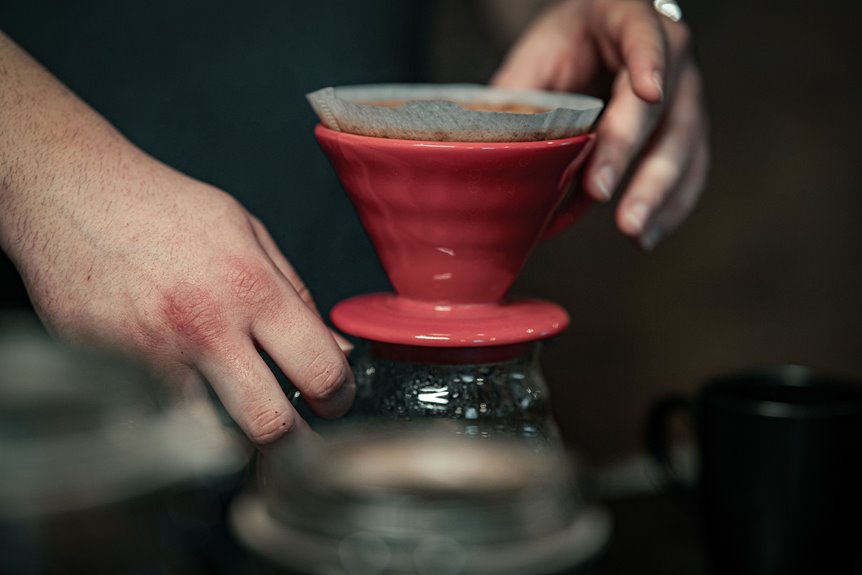
Paper and metal filters both shape how water moves through the bed of coffee, and that changes the way your brew develops. Paper filters use tightly packed fibers, so they slow water and catch fine particles. Metal filters use small holes and a sturdy mesh, so they let more liquid and oils pass through.
Because of those filter materials, your brewing techniques matter even more. Should you pour too fast, water might rush through unevenly. Should you pour steadily, you help the coffee bloom and extract in a balanced way.
How Paper Filters Change Coffee Flavor
Because paper filters trap tiny coffee particles and some of the natural oils, they usually provide a cleaner, lighter-tasting cup. That means your brew lets bright highlights shine initially, while deeper, heavier flavors stay in the background.
Should you love a crisp sip, this style can feel easy to enjoy and familiar right away. You’ll often observe a smoother flavor profile, with less grit and fewer muddy edges.
Paper also supports aroma improvement, so your cup can smell vivid and inviting before you even take a sip. As a result, each brew can feel more balanced and clear.
When you’re sharing coffee with friends, this clean style helps everyone taste the same core flavors without distraction.
How Metal Filters Affect Body and Texture
With a metal filter, one keeps more of the coffee’s natural oils, so the cup often feels fuller and richer on your tongue.
You’ll also notice a heavier body that can make each sip seem more rounded and satisfying.
Should you like a coffee that feels bold and a little silky, this style can provide that extra depth.
Fuller Coffee Body
A metal filter changes the feel of your cup in a very noticeable way, and that’s where the real charm starts. You get a fuller coffee body because more fine particles and dissolved compounds stay in the brew. That extra weight can make your cup feel richer, warmer, and more satisfying, especially whenever you enjoy coffee richness from different brewing methods.
Your flavor extraction also shifts, so small changes in brewing temperature, steeping time, grind size, coffee origin, and brew techniques can change the balance quickly. With better extraction efficiency, you might notice more flavor subtleties and a rounder mouthfeel.
Should you like coffee that feels friendly and complete, a metal filter can help your daily cup feel a little more like home.
Oily Texture Retention
Metal filters also keep more of the coffee’s natural oils in your cup, and that changes the texture right away. You get a richer oily mouthfeel that can feel smooth, warm, and a little more alive.
Because the filter lets those oils pass through, your cup keeps more weight and less of that dry edge paper can add. That helps you notice the beans more clearly, especially whenever you want a fuller sip that still feels balanced.
Still, the texture balance matters, so you might like metal most whenever you want flavor and body to work together. Should you’ve ever wanted coffee that feels welcoming and bold at the same time, this style gives you that cozy middle ground without losing the cup’s natural character.
Paper Filters Vs Metal Filters in Brew Clarity
At the time you use a paper filter, you usually get a cleaner cup with brighter flavor clarity because it catches more fine particles.
A metal filter lets more oils and tiny sediment pass through, so your brew can taste fuller but look a bit cloudier.
Should you care about a crisp, polished cup, you’ll notice the difference right away, and your choice starts to shape both the taste and the look.
Flavor Clarity
For flavor clarity, paper filters typically provide a cleaner cup because they capture more of the fine coffee oils and tiny grounds that can cloud the taste.
You’ll observe brighter flavors, and that can improve flavor enhancement when you want each bean to feel distinct. They also assist aroma retention in a softer, more focused way, so the smell remains lively without feeling heavy.
Metal filters, on the other hand, allow more oils to pass through, which can make your coffee taste fuller and more rounded.
That richer body can feel welcoming, particularly should you enjoy a bolder cup.
Sediment Retention
Sediment retention is where paper and metal filters start to feel very different in your cup.
With paper, you get stronger sediment absorption, so tiny coffee bits stay trapped before they reach you. That can make your brew look clean and feel smooth, which helps when you like a cup that feels calm and easy to trust.
Metal filters let more fine particles slip through, so you might notice a little more texture at the bottom of the mug. Should you enjoy that gentle body, it can feel familiar and welcoming.
Paper also supports filter longevity in a different way, since you replace it often and keep each brew fresh. Metal lasts longer, but it needs care.
Either way, you can choose the style that fits your coffee home.
Oil Passage
Because oil shapes how coffee tastes and feels, paper and metal filters handle it in very different ways.
With paper, you keep more oil extraction under control, so your cup tastes cleaner and brighter. That can feel welcoming whenever you want a crisp brew that lets each nuance stand out.
Metal filters, though, let more oils pass through, and that gives you a fuller body and a richer mouthfeel. Should you enjoy a rounder cup, this can feel like a warm seat at the table.
Still, more oil can add a slight haze, while paper stays clearer. So you choose based on your taste and filter durability needs.
Paper works well for consistency, and metal lasts longer whenever you want a sturdy daily companion.
Paper Filters Vs Metal Filters for Coffee Oils
Upon comparing paper filters and metal filters for coffee oils, the biggest difference shows up in the cup right away.
Paper filters trap most oils, so your coffee taste feels cleaner, brighter, and a little lighter. Metal filters let more oil through, which gives you a richer body and a rounder feel.
Should you like a crisp sip, paper fits many brewing methods and keeps flavors neat. Should you want more depth and a silky edge, metal can feel more inviting.
You’re not choosing wrong either way; you’re choosing the style that matches your mood. Some mornings call for a tidy cup, while others ask for something fuller and more comforting.
At the moment you know that, you can pick with confidence and enjoy every pour.
Paper Filters Vs Metal Filters for Brew Strength
Upon switching from paper to metal, the brew can feel stronger in a way that one notices fast.
In a brew strength comparison, metal lets more fine particles and oils reach your cup, so the drink often tastes fuller and bolder. Paper traps more of that material, which can make the cup seem lighter and cleaner.
Those flavor profile differences matter because strength isn’t just about caffeine; it’s also about body, texture, and how much punch one feels.
Should you like a coffee that feels rich and close-knit, metal can fit right in with your routine. Should you want a softer sip, paper keeps things calm and tidy.
Either way, you’re not missing out; you’re choosing the style that feels like your crowd.
Paper Filters Vs Metal Filters for Cleanup
Whenever you clean up after brewing, paper filters usually make the job faster because you can just toss them out with less mess to scrub.
Metal filters ask for a little more effort, but they give you better control over residue since you can rinse away the grounds and see what’s left.
Should you use a metal filter, you’ll also weigh the tradeoff of reusability, since the extra cleanup can pay off over time.
Cleanup Speed
Cleanup speed is one of the biggest reasons people notice the difference between paper filters and metal filters right away. With paper, you usually finish faster because you can lift out the used filter and toss it. That simple step enhances cleanup efficiency and keeps your routine moving.
With metal, you spend a little more time rinsing, wiping, and checking tiny parts, so filter maintenance feels more hands-on. Still, that extra minute can fit nicely when you appreciate a steady, familiar process.
You’re not stuck choosing speed over comfort, either. Paper saves time after each use, while metal asks for a bit more care but gives you a repeatable cleanup habit. When you value easy mornings, paper feels quick. When you like a neat ritual, metal works well.
Residue Control
Paper filters usually win on residue control because they trap fine coffee oils and tiny grounds before they reach your cup. You get a cleaner pour, so less residue buildup clings to your mug, carafe, or sink.
That matters at the time you want your coffee corner to feel calm and easy, not sticky and messy. Metal filters let more sediment pass through, which can leave a gritty layer and a stronger aftertaste. You might like that bold feel, but you’ll also notice more cleanup on your cups.
Paper also helps protect your filter lifespan, since you replace it after each use and avoid scrubbing. So, in case you value a neat routine and a shared coffee space that feels welcoming, paper gives you a simpler, tidier result.
Reusability Tradeoffs
That cleaner cup you get from paper also points straight to the tradeoff that matters here: you’re trading time and waste for convenience.
With paper, you toss the filter after each brew, so cleanup feels easy and familiar. But that habit adds more trash, and the sustainability impact can stack up fast whenever you brew every day.
Metal filters change that pattern. You rinse them, reuse them, and keep moving, which lowers waste and fits stronger environmental considerations.
Still, they ask more from you. You’ll need to scrub oils and fines from the mesh, and that extra step can feel like a small morning chore.
Paper Filters Vs Metal Filters: Cost And Reuse
Upon comparing cost and reuse, the gap between paper and metal filters gets pretty clear.
In a cost comparison, paper filters feel cheaper initially, since you buy them in small packs and replace them often. That adds up over time, though.
Metal filters ask for more money upfront, but you keep using the same one again and again. So your wallet could breathe easier later.
For the environmental impact, metal usually creates less waste because you skip tossing filters after each brew.
Paper, in contrast, becomes a steady stream of trash.
Should you like saving money and cutting waste, metal can feel like a smart club choice.
Should you prefer simple swaps, paper still keeps your routine easy.
Which Filter Fits Your Brewer Best
Which filter fits your brewer best often comes down to shape, fit, and how your machine handles water flow. You want a filter that matches your brewing methods and coffee types, so your cup feels right every morning.
- Check brewer size and basket style for a snug fit.
- Match brewing temperatures and flow with the flavor profiles you enjoy.
- Compare filter longevity, maintenance needs, preparation time, eco impact, and cost comparison.
When you brew often, user preferences matter because they shape your routine and your mood. A metal filter could suit bold cups, while a paper option might feel cleaner in some machines.
Either way, you belong with gear that works for your hands, your taste, and your pace.
When To Choose Paper Filters
Choose paper filters whenever you desire a cleaner cup with less grit and fewer oils, especially in case you appreciate your coffee bright, crisp, and easy to sip.
You’ll also appreciate them during your brewing method that needs a stable, forgiving filter that helps keep the process simple and steady.
Should you enjoy a lighter flavor profile, paper can highlight the sweet, floral, or fruity nuances that make a cup feel lively and welcoming.
That makes it a great pick for busy mornings, shared pots, or occasions in which you want coffee that feels neat and familiar.
You don’t have to chase boldness to feel satisfied; sometimes a tidy cup just fits your day.
Should you be still exploring, paper gives you a gentle, reliable place to start.
When To Choose Metal Filters
Metal filters make sense at the time one desires a fuller cup that keeps more of the coffee’s natural body and flavor oils.
You’ll often feel at home with them should you enjoy richer flavor profiles and a cup that feels rounder on your tongue. They work well with many brewing methods, especially pour-over, French press, and reusable filter setups.
- Choose metal when you like a heavier mouthfeel.
- Choose metal when you want less paper taste and more aroma.
- Choose metal when you brew often and want a long-lasting tool.
Should you have been searching for a coffee routine that feels more personal, metal can fit right in.
It lets your beans show more character, and that can make each mug feel like yours.
Frequently Asked Questions
Can I Use Paper and Metal Filters Together?
Yes, you can use them together as long as your brewer supports that filter compatibility. This may slightly change brewing efficiency, but you can enjoy a smoother and cleaner cup while feeling confident trying it.
Do Metal Filters Affect Espresso Shots Too?
Yes, metal filters can reshape your espresso shots by acting like a tiny gate that allows more oils to pass through. You will taste a fuller espresso flavor and appreciate the durability of the filter, joining those who value richer and bolder cups.
Which Filter Is Better for Cold Brew?
You will usually prefer paper for cold brew because it enhances brewing flavor clarity and provides better extraction efficiency. If you prefer a fuller and richer cup, metal is your friend, and you will fit into that bold coffee crowd.
Are Coffee Filter Materials Recyclable?
Yes, you can recycle some coffee filter materials, but it depends on the type. You will reduce coffee waste and environmental impact more by composting paper filters and reusing metal filters whenever feasible.
Do Reusable Filters Change Brewing Temperature?
Yes, reusable filters can slightly change your brewing temperature but you will still brew confidently. They often retain less heat which affects brewing efficiency and flavor extraction. However, you will belong to the community of mindful coffee lovers.