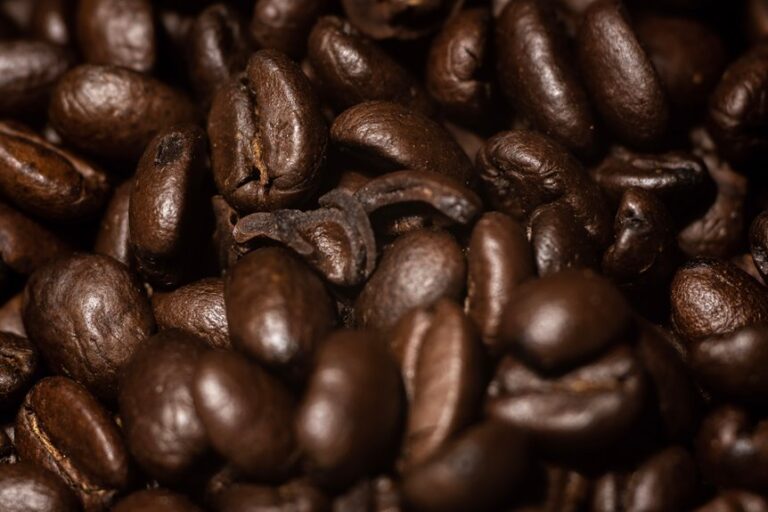

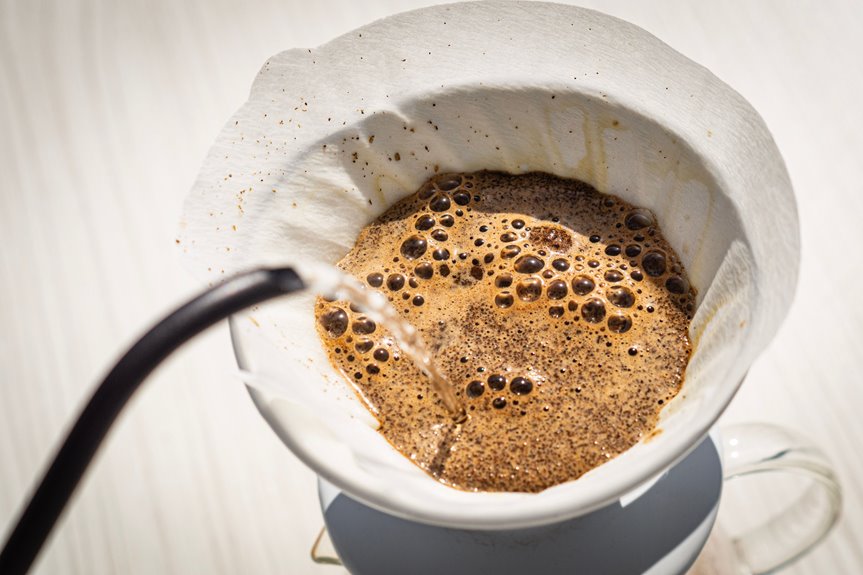
Getting the perfect cup of coffee doesn’t require fancy equipment; it all comes down to the coffee-to-water ratio. A good starting point is around 1:16, which allows the flavors of the beans to stand out. From there, minor adjustments can lead to bolder or softer flavors. If your coffee tastes flat or too strong, tweaking this ratio can make a big difference. The next time you brew, pay attention to your measurements for a better experience.
What Is the Standard Coffee-to-Water Ratio?
So, what’s the standard coffee-to-water ratio? You’ll often hear 1:16, which means 1 gram of coffee for 16 grams of water. That’s a trusted starting point for many brewing techniques, and it helps you feel more at home with each cup you make.
Should you want a slightly bolder cup, you can move closer to 1:15. Should you prefer a lighter cup, 1:17 works well. This range gives you room to match your coffee strength to your taste without guessing.
Consider it like a shared recipe in a welcoming kitchen. You don’t need perfection on day one. You just need a steady base, a good scale, and the confidence to adjust from there.
How Coffee-to-Water Ratio Affects Flavor
As you adjust the coffee-to-water ratio, you change how strong or light your cup tastes, so you can steer the flavor balance toward bold or mellow.
A tighter ratio can pull out more sweetness and fuller body, while a looser one might taste cleaner but thinner.
Once you notice how small changes shift the brew, you can shape each cup to fit your mood a little better, and that’s a nice win prior to breakfast.
Flavor Strength Balance
The coffee-to-water ratio shapes flavor strength in a very direct way, and that balance can make your cup feel too sharp, too thin, or just right. Whenever you adjust it, you change how much flavor shows up, and you can better notice flavor complexity without losing your sense of comfort.
| Ratio | Effect |
|---|---|
| Low coffee | Light, quiet taste |
| Balanced mix | Clear, steady body |
| High coffee | Bold, packed flavor |
These balance interactions help you brew with confidence, because you’re not guessing alone. Instead, you’re tuning the cup to match your mood and your people. Should you like a friendly, fuller taste, a stronger ratio can help. Should you want something softer, use less coffee. Small changes matter, and that’s part of the fun.
Extraction Sweetness Control
A better ratio doesn’t just change how strong your coffee tastes, it also changes how sweet it feels on your tongue.
Whenever you use more water, you can pull flavors more gently, and that often supports sweetness improvement. Whenever you use less water, you might crowd the brew and miss that soft, rounded taste you want.
You’re not chasing perfection alone here; you’re tuning extraction balance so the cup feels welcoming and easy to enjoy. Start with a steady ratio, then adjust in small steps.
Should your coffee taste sharp, add a little more water next time. Should it taste flat, reduce it slightly. Those small changes help you find the sweet spot, and that makes each cup feel a little more like yours.
Brew Body Changes
More water can make your coffee feel lighter and smoother, while less water often gives it a thicker, heavier body.
As you adjust your coffee-to-water ratio, you change the brew texture, and that alters how each sip lands with you. A stronger mix can feel dense and plush, while a weaker one can feel clean and airy.
- More water can thin the body.
- Less water can enhance richness.
- A balanced ratio can feel round and easy.
- Your mouthfeel variations shift with every small change.
How Brew Method Changes the Ratio
Your brew method changes the ratio because different tools move water through coffee in different ways, and you’ll notice that right away in the cup.
With immersion brewing, like a French press, you usually use a slightly stronger ratio since the grounds stay soaked the whole time.
With percolation brewing, like drip or pour-over, you often adjust the ratio to match how fast water passes through and how much extraction you want.
Immersion Brew Ratios
Upon switching from a drip brewer to an immersion method, the coffee-to-water ratio can shift in a way that feels a little confusing at the outset, but it’s actually pretty simple once you know why.
With immersion techniques, you steep grounds in all the water, so your usual ratio often needs a touch more coffee to keep the cup lively. You’re not alone when that sounds fiddly at the beginning.
- Use a slightly stronger ratio for fuller flavor.
- Match grind size to your brew duration.
- Stir gently so every ground feels included.
- Taste, then adjust next time with confidence.
When you brew this way, you join a patient, cozy camp of coffee lovers who value balance over speed.
A small tweak can make your mug feel just right.
Percolation Brew Ratios
Should immersion brewing feel forgiving, percolation asks for a little more precision, and that’s where the coffee-to-water ratio starts to change.
Whenever you use a percolation technique, water moves through the grounds instead of resting with them, so you usually need a slightly finer balance.
Should you add too much water, your coffee can taste thin. Should you use too little, coffee extraction can turn sharp or weak.
You’re not alone in figuring this out; many home brewers adjust slowly and find their sweet spot.
Start close to the recipe, then watch the brew time, flow, and taste. Small changes matter here, and that’s okay.
With practice, you’ll feel more confident dialing in a ratio that matches your dripper and your coffee.
Coffee Ratios for Stronger Brews
Should one want a stronger cup, begin with adjusting the coffee-to-water ratio before altering anything else, because this one move can make a big difference. You’re not alone in chasing more coffee intensity; many coffee lovers do. Start with a 1:15 ratio, then move to 1:14 or 1:13 for bolder flavor.
- Measure beans carefully for steady results.
- Use fresh grounds to keep taste lively.
- Keep water hot, not boiling hard.
- Pair ratio changes with simple brewing techniques.
When you tweak both together, you’ll feel more in control and more at home with your brew. Small changes help you join the strong-coffee crowd without guessing, and your cup can feel richer, fuller, and more satisfying.
Coffee Ratios for Lighter Brews
Should you desire a lighter cup, you can ease back on the coffee before making any other changes, because a small shift can soften the whole brew.
You’ll feel more in control as you start with a gentler ratio, like one part coffee to a larger share of water. That simple move often brings out light roast benefits, such as brighter flavors and a cleaner finish.
Then, you can stay within the same brewing techniques you already trust, while letting the cup feel easier and less heavy.
In case your mornings need a softer welcome, this approach helps you join the lighter side without losing comfort.
And should the initial sip still feel bold, you can nudge the ratio again until it fits your taste.
How Grind Size Changes Extraction
Upon altering your grind size, you change how much coffee surface touches the water, and that shifts extraction fast.
A finer grind gives water more area to work with, so it usually pulls flavors stronger and quicker.
A coarser grind slows that process down, which can help you avoid a bitter cup as your brew already runs long.
Grind Surface Area
Because grind size changes how much coffee water can reach, it plays a huge role in extraction. You’re not just choosing grind types; you’re shaping surface area, and that changes how your brew feels in the cup.
Whenever you want better balance, pay attention to grind consistency and grind uniformity, because stray chunks can throw off the whole batch.
Try these simple grind techniques and grind adjustments:
- Use the same grind settings each time.
- Match grind types to your brew style.
- Check grind impact through tasting often.
- Keep your grinder clean for steadier results.
With small changes, you join a group of brewers who trust the process and enjoy more reliable flavor. That steady control helps your coffee taste clearer, warmer, and more like you hoped it would.
Finer Grind Extraction
A finer grind can change your brew fast, so it helps to treat it with care and attention. As you choose it, water touches more coffee edges, and you can pull flavor more quickly. That’s one of the finer grind benefits, especially at the time you want a brighter cup with more aroma. Still, you need grind consistency, because uneven pieces make your brew feel scattered and hard to trust.
| Grind | Water Contact | Taste |
|---|---|---|
| Fine | High | Bright |
| Medium | Balanced | Even |
| Mixed | Uneven | Rushed |
You belong in the group that pays attention to small changes, because those small changes often shape the cup you love. So, watch your grind closely, and let each brew feel more like your own.
Coarser Grind Extraction
Should a finer grind has been giving you quick, bright results, a coarser grind asks for a slower hand and a little more patience.
You’re not behind; you’re just brewing with a different rhythm, and that’s part of the fun. A larger particle size slows water flow, so your extraction duration stretches and the cup can taste smoother, gentler, and less sharp.
- You get more coarse grind benefits in French press and cold brew.
- You reduce bitterness when you keep water moving evenly.
- You gain control by watching the clock, not chasing speed.
- You join a crowd of brewers who like calm, balanced cups.
Because the grind opens less surface area, water pulls flavors more slowly.
How Water Temperature Affects Taste
Once the water lands in the right temperature range, it can bring out the coffee’s best side and keep the cup from tasting harsh or flat.
You’ll notice warmer water pulls flavors faster, while cooler water slows things down and can leave the cup thin. That’s why water chemistry matters too, since minerals change how heat moves through the grounds.
Should your brew taste bitter, the water could be too hot. Should it taste sour or weak, it might be too cool.
You can also adjust brew time a little, because temperature and time work together like a good team.
Once you get both right, you’ll feel that easy, familiar comfort in every sip, like your coffee finally gets you.
How to Measure Coffee and Water Accurately
Because coffee can swing from too strong to too weak fast, measuring it the right way gives you steady results and a lot less guesswork. You’ll fit in quickly as you use the same measuring tools every time, especially coffee scales.
To begin, place your cup or dripper on the scale, then zero it. Next, weigh your beans, so your starting point stays clear. After that, add water slowly and watch the numbers for precise water measurement.
- Use coffee scales, not spoons.
- Measure beans before grinding.
- Track water as you pour.
- Keep your records nearby.
This simple habit supports brewing consistency and helps you feel at home with each brew. As you repeat the process, you build trust in your setup and enjoy coffee that feels made for you.
Signs Your Ratio Is Off
Even with careful measuring, your brew can still taste off whenever the ratio slips, and those clues usually show up fast in the cup.
You could notice a thin body, a sharp edge, or a flat finish that leaves you unsatisfied. Should the aroma feel muted, your coffee mightn’t be giving enough to the water.
On the other hand, should every sip feel heavy or muddy, your ratio could crowd the brew instead of balancing it.
These signs matter because they affect brewing consistency and help you trust your routine. Whenever you pay attention to taste, scent, and texture together, you can spot a mismatch sooner.
Strong measurement techniques support better results, but your senses remain useful too. That mix helps you feel at home with each brew.
How to Fix Bitter or Weak Coffee
Should your coffee taste bitter or weak, begin with checking the ratio initially, since that small shift can change the whole cup.
Should the brew feel harsh, you could have extra bitterness sources like too much coffee, a long steep, or water that’s too hot.
Should it taste thin, you likely need a little more coffee or less water.
- Taste the cup and observe what stands out.
- Trim harshness by easing back on grind contact time.
- Add a bit more grounds when the flavor feels empty.
- Aim for flavor balancing, so each sip feels smooth and welcoming.
You’re not alone in this; many home brewers need a quick nudge before the cup feels right.
Small tweaks help you bring your mug back to friendly, balanced comfort.
Coffee Ratio Tips for Consistent Results
Once you’ve found a cup that’s less bitter or weak, the next step is keeping that result steady from brew to brew. You can do that through measuring the same coffee and water every time, so your brewing consistency doesn’t drift.
Use one scoop or scale, and write down your ratio in a simple memo on your phone. Then keep your grind, water, and brew time close to the same too, because small changes can nudge the taste.
Should your coffee still feels off, make one tiny ratio experimentation change at a time. That way, you’ll know what helped. This process might sound picky, but it’s really just your coffee routine learning your style.
With a few steady habits, you’ll feel more at home with each cup.
Make Better Coffee Every Time
Upon locking in a solid coffee-to-water ratio, you give every cup a better shot at tasting the way you want.
Whenever you measure with care, you build brew consistency that helps you feel in control, even on busy mornings. Your flavor profile stays clearer, so bright flavors, sweetness, and body can show up together.
- Start with the same scoop size each time.
- Weigh water and coffee whenever you can.
- Taste, then adjust one small step.
- Record what worked for you.
That simple routine helps you join the small group of people who make good coffee on purpose.
Then each brew feels less random and more like yours, which makes the whole ritual warmer and a lot more satisfying.
Frequently Asked Questions
Can I Use Tablespoons Instead of a Scale?
Yes, you can use tablespoons, but you will achieve better accuracy with a scale. For stronger brewing consistency, measure carefully, and you will fit right in with those who seek reliably great cups.
Does Water Quality Change the Ideal Coffee Ratio?
Yes, your water can change everything. If you are using hard water or water with low mineral content, you will need to adjust the coffee ratio slightly to suit your taste. You will still be part of a community that is pursuing better cups.
Should I Adjust Ratios for Decaf Coffee?
Yes, you should adjust ratios for decaf coffee a bit because decaf flavor can taste flatter. You will often use slightly more coffee or finer brewing techniques so your cup feels fuller and more enjoyable.
How Do Ratios Change for Iced Coffee?
You will usually use a stronger ratio for iced coffee. Why let ice water you down? Brew concentrated coffee or cold brew and then account for dilution effects. You are not alone. Your perfect cup fits your taste and crew.
Can Coffee Freshness Affect the Needed Ratio?
Yes, you will often adjust it a bit. Fresher coffee can taste brighter and may require slightly more water, while stale beans need less. Your grind size also affects extraction, so you are involved in the brewing decisions.