
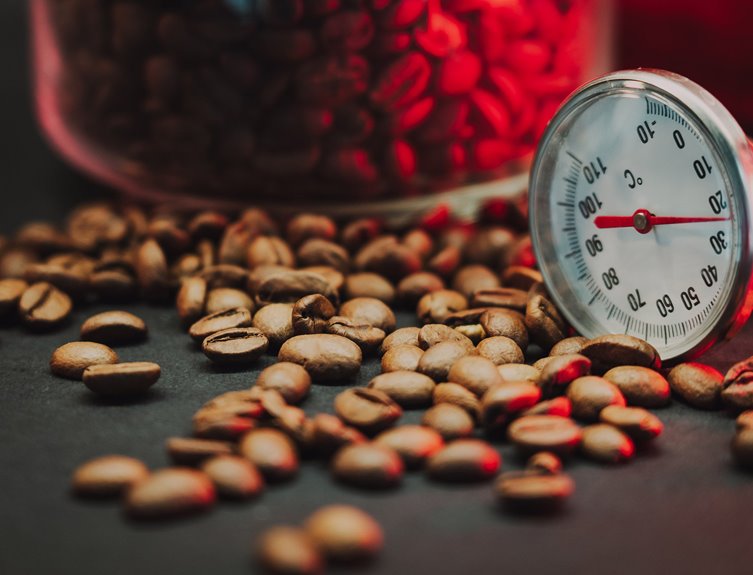
Brewing coffee at the right temperature can elevate your daily cup from dull to delightful. A temperature range of 195°F to 205°F helps extract the sweet and rich flavors while minimizing bitterness. However, the ideal temperature varies based on grind size, bean freshness, and brewing method. Pay attention to how heat impacts your brew, and you’ll start to appreciate the nuances in flavor. Finding that perfect balance can transform your morning ritual into a flavorful experience.
Best Coffee Brewing Temperature Range
The sweet spot for brewing coffee usually sits between 195°F and 205°F, and that narrow range can make a big difference in how your cup tastes.
Whenever you keep your coffee temperature in this zone, you give yourself a better shot at steady brew consistency every morning. You don’t need fancy gear to get there, either. A simple thermometer or a brewer with heat control can help you stay on track.
In case your water runs too cool or too hot, your routine can feel off, and that’s frustrating. So, aim for a stable setting, heat your water the same way each time, and trust the process.
That way, you join the many coffee lovers who enjoy a dependable, comforting cup without the guesswork.
What Brewing Temperature Changes In Coffee
Brewing temperature changes how much flavor your coffee pulls from the grounds, so you can shape the cup before you even take a sip.
As you brew hotter, you usually get more acidity and stronger extraction, while cooler water can make the coffee taste softer and less bitter.
That means a small temperature shift can turn the same beans into a brighter, sharper cup or a smoother, gentler one.
Flavor Extraction
Upon altering the brew temperature, you change how fast coffee gives up its flavors, oils, and acids to the water.
As you brew hotter, you typically pull out more of the coffee’s concealed notes, so your cup can taste fuller and more layered.
As you brew cooler, the process slows, and you might notice a gentler, softer result. That’s why cold brew feels so smooth; its temperature impact keeps extraction slow and steady.
Should you want a richer mug, a warmer brew can assist you in achieving that with less fuss.
Should you prefer a lighter feel, cooler water can fit your style.
In the end, you’re not just making coffee. You’re guiding what your beans are prepared to share with you.
Acidity And Bitterness
Temperature doesn’t just change how strong your coffee tastes, it also shifts the balance between brightness and bite.
Whenever you brew hotter, you pull more coffee acidity, which can make the cup taste lively, crisp, and fresh. Should you go too hot, though, that brightness can turn sharp and the bitterness can jump in fast, leaving you with a rough edge.
Brew cooler, and you usually soften that bite. Your cup might feel smoother, but it can also lose some sparkle and flavor balance.
Why Hotter Water Tastes Different
As water gets hotter, it changes how your coffee tastes because it pulls different things out of the grounds at various speeds. You might notice brighter notes initially, then deeper, heavier tones as heat rises.
That shift comes from water chemistry, which affects how fast flavor compounds dissolve and move into your cup. With warmer water, you can get more sweetness, but you can also bring out sharper edges should the brew run too hot.
This is why one small change can make your mug feel friendlier or harsher. Should you’ve ever shared coffee with friends and felt one sip sing while another felt flat, you’ve encountered this effect.
Hot water isn’t better inherently; it just tells a different story in each pour.
Brewing Temperature By Method
Upon brewing coffee, the right temperature depends on the method you use, and that can change the taste in a big way.
For drip brew, you’ll usually want water in a steady range that helps pull out a balanced, clean flavor.
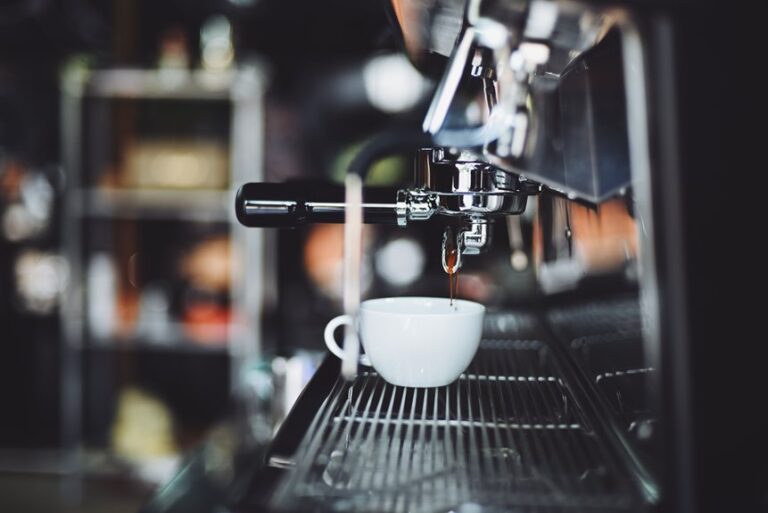
For espresso, you’ll use a hotter, tighter heat range, since pressure and speed make those few seconds count.
Drip Brew Range
For drip brew, the sweet spot usually sits between 195°F and 205°F, and that narrow range can make your coffee feel much smoother and more balanced.
You get a cleaner cup as you keep the heat steady, because cooler water can leave it flat, while hotter water could pull out harsh characteristics.
To stay in that sweet zone, watch your drip time and match it to your grind so the water moves evenly through the grounds.
Also, pay attention to water quality, since fresh, clean water helps the flavor shine and makes every sip feel more welcoming.
As you brew this way, you can trust your routine more, and your mug starts to taste like it fits right into your day.
Espresso Heat Range
Espresso asks for tighter heat control than drip brew, and that’s why the water temperature matters so much here. You’ll usually do best around 195°F to 205°F, with many home shots landing near 200°F.
At this range, you help the coffee open up without burning the grounds or making the cup taste thin. Because espresso pressure pushes water through fast, even a small shift can change the flavor you get.
Should your espresso time runs short, hotter water can lift sweetness and body. Should it run long, a slightly cooler setting might keep bitterness in check.
You’re not chasing perfection alone, either. You’re building a shot that feels balanced, warm, and welcoming, like it belongs in your favorite café.
How Grind Size Changes Temperature Needs
Grind size alters how quickly water extracts flavor from coffee, so it also modifies the temperature required to achieve the best cup.
Whenever you use a finer grind, water encounters more surface area, so a slightly cooler brew can assist you in maintaining balance. With a coarser grind, you might need warmer water to prevent the cup from tasting thin.
Should your grind consistency be uneven, temperature adjustments can’t resolve every problem, but they can make your brewing process feel more stable.
You’re not pursuing a flawless rule here. You’re understanding how your setup operates and adapting with assurance. That’s what helps you feel at home with your brewer, your beans, and your personal taste.
Small adjustments are significant, and you can implement them calmly, one cup at a time.
How Temperature Affects Extraction
Temperature changes how fast water pulls flavor, and that pace shapes every sip you taste. Whenever you brew hotter, you speed up extraction efficiency, so sugars, acids, and oils leave the grounds more quickly. That can help your cup feel fuller and brighter, but too much heat might push harsh notes forward. Whenever you brew cooler, water works more gently, and you could keep a softer flavor balance that feels smooth and calm.
| Temp range | Extraction pace | Cup effect |
|---|---|---|
| Lower | Slow | Soft, light |
| Mid | Even | Balanced, clear |
| Higher | Fast | Bold, vivid |
You and your coffee team can consider heat as a dial, not a rule. Small changes shift what lands in your mug, and that’s where your style starts to feel personal.
Signs Your Brew Is Too Cool
Once your brew runs too cool, the initial clue often shows up in the cup itself: the flavor feels thin, flat, or a little shy. You might notice a cool brew that tastes polite but never lively, and that’s where flavor dullness sneaks in.
- Your initial sip lacks sparkle and seems muted.
- The aroma fades fast, so the cup feels less inviting.
- The finish ends quickly, without the depth you expect.
When you share coffee with friends, this can feel disappointing, but you’re not alone. A cooler brew often leaves sweetness and body underdeveloped, so the drink feels incomplete.
Should you catch these signs early, you can trust your senses and adjust your method with more confidence next time.
Signs Your Brew Is Too Hot
Should your coffee taste bitter, burnt, or sharp, your water could be too hot.
You could notice a harsh cup that feels rough on your tongue and leaves a dry, astringent finish. At such times, your brew isn’t just strong; it’s probably extracting too much from the grounds and masking the coffee’s better flavors.
Bitter, Burnt Notes
Should your coffee tastes sharp, smoky, or oddly ashy, your brew could be running too hot. You’re not alone, and this happens to plenty of careful brewers. High heat pulls out bitter compounds fast, and it can push roasted beans into burnt flavors before the sweet tones have time to shine.
That’s why the cup can feel like it missed the coffee shop and went straight to the campfire.
- Let your kettle rest for a minute
- Aim for a gentler brew range
- Taste promptly, then adjust next time
When you notice these clues, small changes help you get back to a smoother, friendlier cup. You deserve coffee that feels warm and welcoming, not harsh and scorched.
Harsh, Astringent Cup
A harsh, astringent cup often feels dry and puckery on your tongue, and that’s a strong clue your brew ran too hot. You may notice a bitter aftertaste that hangs around and makes every sip feel sharp.
Whenever this occurs, check your brewing variables like water temperature, grind size, and brew time, because heat can pull too much from the grounds. You don’t need to guess alone. Start a little cooler next time, then taste with your own senses.
In the event the cup still feels rough, adjust one step at a time so you can see what changed. That steady approach helps you find a smoother mug that feels more like your kind of coffee crew.
How To Control Temperature At Home
Keeping your brew temperature steady at home doesn’t have to feel like a science project, because a few simple habits can make a big difference in taste.
With solid temperature control, you can turn home brewing into a calmer routine that feels made for you.
- Heat your water, then let it rest 30 seconds.
- Preheat your mug or kettle to cut heat loss.
- Use a thermometer whenever you want more confidence.
Next, pay attention to your tools. A kettle with a built-in gauge helps, but you can also use a simple timer and steady pouring.
Small steps like these keep the water in range without stress. As you brew with care, you join a crowd that knows good coffee starts with comfort and consistency.
How Fresh Coffee Changes Temperature Needs
Fresh coffee can alter how your brew behaves, and that means your temperature requirements could shift too.
Whenever beans are very fresh, they release more gas, so water moves through the grounds a little differently. You might observe that a small freshness impact shows up in flavor and body, and that’s where careful temperature adjustments assist.
Should your coffee taste sharp, try a slightly lower brew temperature. Should it feel thin or quiet, a small rise can bring more balance.
You don’t need to guess alone. Trust your taste, make one change at a time, and keep records so you can feel part of the process.
Over time, you’ll learn how your beans respond, and your cup will start to feel more like yours.
Fix Bitter Coffee With Temperature
Should your coffee taste bitter, the water could be too hot for the beans you’re using. You’re not alone, and this fix is simple. Lower the water a few degrees, and let your brewing methods work with the bean, not against it. That small change can soften harsh edges and bring out sweeter flavors.
- Start with slightly cooler water for darker roasts.
- Watch coffee freshness, because older beans can taste sharper.
- Adjust one thing at a time so you can spot the change.
When you brew, keep your routine steady and make tiny tweaks. Should the cup still feel rough, your group of coffee lovers can remind you that balance matters more than force.
With a gentler temperature, you give your coffee a fair chance to taste calm, rich, and welcoming.
Find Your Ideal Brew Temperature
How do you find the brew temperature that fits your coffee best? You start by tasting, then you adjust in small steps. Most people feel at home near 195°F to 205°F, but your beans could ask for less or more. Use this quick guide:
| Temp | Feel |
|---|---|
| 195°F | softer, calmer cup |
| 198°F | sweet and balanced |
| 200°F | clear and lively |
| 203°F | bold and deep |
| 205°F | sharp should pushed too far |
For brewing consistency, keep your kettle and brewer warm. That temperature stability helps you trust each cup, and that feels good while you’re sharing coffee with your people. Should one brew sings, repeat it. Should it falls flat, shift a degree and try again. Small changes can make your cup feel like it finally belongs.
Frequently Asked Questions
What Brewing Temperature Works Best for Decaf Coffee?
You will usually get the best decaf at 195 to 205 degrees Fahrenheit. Evaluate that theory and adjust a bit. This range often enhances decaf flavor, and your brewing techniques can help you feel right at home with every cup.
Does Altitude Affect Ideal Coffee Brewing Temperature?
Yes, higher brewing altitude can lower boiling points. As a result, you might need a slightly hotter brew to extract well. You will tune your flavor profile by adjusting grind, dose, and time until it feels right.
Can I Brew Coffee With Cold Water Intentionally?
Yes, you can brew coffee with cold water intentionally and you will get cold brew with smoother flavor extraction. You are joining a crowd that loves mellow and low acid coffee and your brew can feel uniquely yours.
How Does Water Hardness Influence Brewing Temperature?
Hard water can influence brewing temperature and duration because the minerals in the water affect flavor extraction. This can lead to variations in brewing consistency and taste profile. You can adjust the temperature to better align with your coffee community’s preferences.
Should Espresso Machines Use the Same Temperature as Drip Coffee?
No you should not use the same temperature. You will scorch espresso’s tiny intense shot if you treat it like drip. Aim lower for espresso extraction and better brewing consistency and you will feel right at home with the pros.