
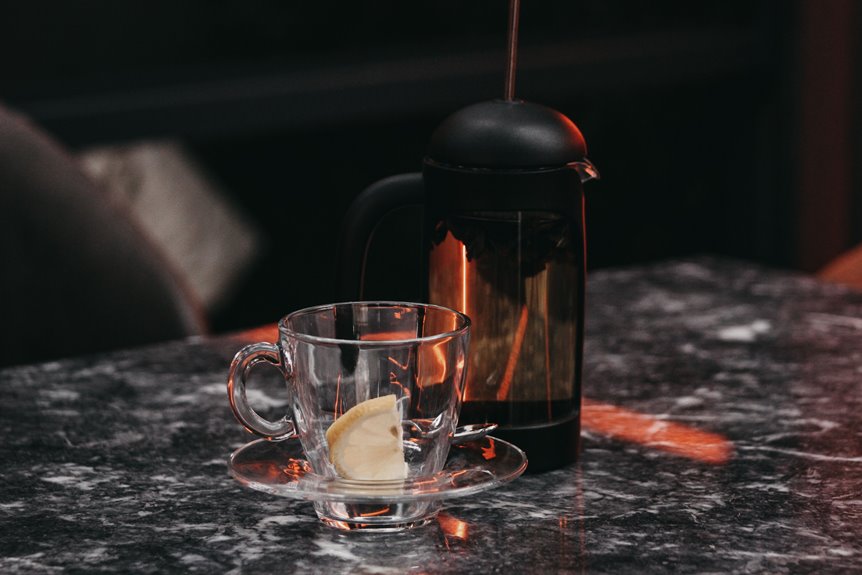
French press coffee offers a bold and warm brew with a touch of rustic charm. By using coarse grounds, hot water, and a metal filter, it captures more oils, resulting in a rich taste and full body. This method creates a smooth, heavy sip that can surprise your palate. Adjusting grind size, coffee-to-water ratio, and steep time can greatly influence your cup. Each brew presents a new opportunity to refine your technique and enjoy the unique flavors.
What Defines French Press Coffee
French press coffee starts with a simple idea, but it delivers a rich, full-bodied cup that coffee lovers often recall right away. You steep coarse grounds in hot water, then press them with a metal filter.
That setup defines the drink and gives one more control over brewing techniques. You can choose from many coffee varieties, and each one shows its own character in the cup.
Because the filter lets fine oils and small particles stay in, you get a brew that feels direct and honest. Should you enjoy coffee that invites you in, this method fits well.
It keeps the process simple, yet it still feels like a small ritual one can claim as their own every morning.
French Press Taste and Body
French press coffee greets you with a bold flavor that feels strong, warm, and a little rustic.
You’ll notice a rich, full body that coats your mouth and makes each sip feel satisfying.
You might also find a light natural sediment texture, which adds a grounded, handmade feel to the cup.
Bold Flavor Profile
A bold cup starts with how the grounds meet the water, and that’s where this brew really comes alive. You’ll notice a bold aroma right away, and it pulls you in like you already belong at the table.
As the plunger drops, flavor complexity opens up, so each sip feels clear, lively, and full of character. You get coffee that tastes direct, with a clean edge that still feels warm and welcoming.
- You can smell the roast before you drink it.
- You taste bright flavors that stand out.
- You notice deeper cocoa or spice hints.
- You feel each sip stay steady and confident.
- You enjoy a cup that invites slow, happy drinking.
This style gives you a bold profile without hiding the bean’s true voice.
Rich Full Body
Because the grounds steep in hot water for a full, even pull, the cup feels rich and heavy in your mouth from the initial sip. You notice a plush texture that makes each swallow feel calm and satisfying, almost like the drink is settling in with you.
This body comes from brewing techniques that keep oils and fine flavors in the cup, so your mug tastes fuller than many other methods. As you breathe in, the aroma profile seems round and warm, which adds to that cozy feel.
Because the press shares so much of the bean’s character, you get a cup that feels personal and welcoming. Should you enjoy coffee that feels sturdy and smooth, this style gives you that easy, familiar comfort.
Natural Sediment Texture
That same full body also brings a little texture, and that’s where French press coffee can surprise you. You might notice fine grounds in your cup, and that natural sediment adds a soft grit that changes texture perception in a gentle, familiar way.
For many coffee lovers, that sediment impact feels cozy, not messy, because it gives each sip a richer, more grounded feel.
- You taste more of the bean’s natural oils.
- You feel a light, earthy finish on your tongue.
- You get a heavier mouthfeel than filtered coffee.
- You notice small particles that add character.
- You enjoy a brew that feels warm and welcoming.
If you like coffee with personality, this texture can make you feel right at home.
Why French Press Feels Fuller
Whenever you consume French press coffee, it often feels fuller because the metal filter allows more of the coffee’s natural oils and tiny fine particles to remain in your cup. That fuller body can make your mug feel warm, rich, and easy to settle into.
When you utilize this method, your brewing techniques shape more than strength. They also reveal flavor subtleties that feel deeper and closer to the bean’s true taste. Because the grounds stay in contact with water longer, the brew gathers more texture, and you notice that soft weight on your tongue.
Should you enjoy coffee that feels comforting and a little bold, French press can fit right in with your routine. It gives you a cup that feels welcoming, not thin or distant.
The Oils Behind Its Rich Texture
Whenever you brew French press coffee, hot water pulls out more of the coffee’s natural oils, and that gives your cup a richer texture.
Those oils help build the body you feel on your tongue, so the drink seems heavier and smoother than many filtered brews.
You can taste that change right away, and it’s a big part of why French press coffee feels so comforting.
Coffee Oil Extraction
French press coffee gets much of its cozy, full body from the oils that slip out of the grounds and stay in the cup. You can thank your brew method for that.
Whenever you use gentle extraction techniques, hot water pulls coffee oil benefits from the beans without trapping them in a paper filter. This gives you a warmer, more rounded sip that feels familiar and welcoming.
- You keep more natural flavor in every pour.
- You notice a richer aroma right away.
- You get a smooth, homey taste that invites another sip.
- You avoid losing those delicate oils to a filter.
- You make each cup feel like it belongs at your table.
If you want that classic French press comfort, let those oils stay put and do their quiet work.
Body And Mouthfeel
The initial thing you notice is the weight of the cup. That fuller body comes from the oils that slip past the mesh and stay in your brew. They give you a creamy texture and a gentle tactile sensation that feels comforting, not heavy. As you sip, the coffee coats your tongue, so every flavor lingers a little longer. You belong in that moment, because French press coffee invites you to slow down and enjoy the richness.
| Trait | What You Feel | Why It Happens |
|---|---|---|
| Dense body | Round sip | Fine oils remain |
| Soft mouthfeel | Smooth finish | Less filtration |
| Rich taste | Longer flavor | More compounds stay |
| Creamy texture | Velvety flow | Coffee oils blend |
| Tactile sensation | Full tongue feel | Natural brew body |
That’s the charm you can trust.
Grind Size and French Press Flavor
A finer grind can make your French press cup taste bold, rich, and a little heavier on the tongue, while a coarser grind usually gives you a cleaner, smoother sip.
As you choose the right size, you guide flavor instead of guessing. With steady grind consistency, you help each scoop behave the same, so your cup feels more dependable and easy to love.
Your brewing technique matters too, because even small changes in texture can shift how the coffee shows up in the mug.
- Fine grounds bring stronger body
- Coarse grounds brighten the finish
- Even particles support balanced flavor
- Uneven grinds can muddy the cup
- Your setup helps you match taste to mood
How Steeping Time Shapes the Cup
Steeping time can change your French press cup just as much as grind size does, and sometimes even more. You shape steeping variables with every extra minute, so your brew can feel bright, balanced, or heavy. A shorter steep often tastes lively and clean, while a longer one pulls out deeper body and stronger extraction subtleties.
| Time | Cup feel |
|---|---|
| 3 min | Light |
| 4 min | Smooth |
| 5 min | Rich |
| 6 min | Bold |
| 7 min | Heavy |
When you taste closely, you’ll notice where your sweet spot lives, and that’s part of the fun. Small changes matter, so you don’t need to chase perfection. You just need a steady routine that lets your cup feel like yours, every single morning.
Water Temperature and Extraction
Just as steep time sets the pace, water temperature decides how much flavor your French press can actually release. Whenever you use the right heat, your brewing method feels steady, and you get smooth flavor extraction without harsh flavors.
Aim for water that’s hot, but not boiling, so you don’t scorch the grounds. That sweet spot helps you join the brew with confidence, like you know what you’re doing even on sleepy mornings.
- Warm water opens the coffee grounds well.
- Cooler water leaves flavor behind.
- Boiling water can mute sweetness.
- Consistent heat supports balanced flavor extraction.
- A simple thermometer can enhance your brewing method.
With the right temperature, you’ll taste a cup that feels welcoming, rich, and made for your routine.
Sediment in French Press Coffee
Sediment shows up in your French press because fine coffee grounds slip through the filter and stay in the cup.
You can also get more grit when you grind too fine or pour too fast, so the brew feels a little less clean.
Should you want a smoother sip, you can use a coarser grind and press slowly, and that small change can make a big difference.
Why Sediment Forms
French press coffee gets its rich body from a simple brewing method, but that same method also leaves tiny coffee particles in your cup.
You notice sediment formation because the metal filter traps oils better than fines. Those fine grounds slip through during immersion, then settle as the coffee cools.
Your brewing techniques matter too, since a coarse grind still breaks into small bits, and a long steep gives them more time to drift around.
- Fine particles pass the mesh
- Coffee oils stay in the brew
- Ground size affects cloudiness
- Stirring lifts more particles
- Cooling lets sediment settle
How To Reduce Sediment
A few smart tweaks can make your cup much cleaner, and you don’t have to give up the rich feel that makes French press coffee so good.
Try these brewing techniques for real sediment reduction:
| Step | What you do | Why it helps |
|---|---|---|
| Grind | Use a coarse, even grind | Fine bits slip through less often |
| Pour | Add water gently | You keep grounds from breaking apart |
| Brew | Stir once, then wait | Less swirl means less sludge |
| Press | Push the plunger slowly | You trap more particles below |
Also, let the coffee sit for 30 seconds before pouring. Then pour slowly and stop before the last sip, where the grit hides. With these small habits, you’ll fit right in with people who love a smooth, cozy cup and still want that bold French press character.
Coffee Bean Choices for French Press
Because your bean choice shapes everything in the cup, it helps to start with the roast and origin that fit French press best.
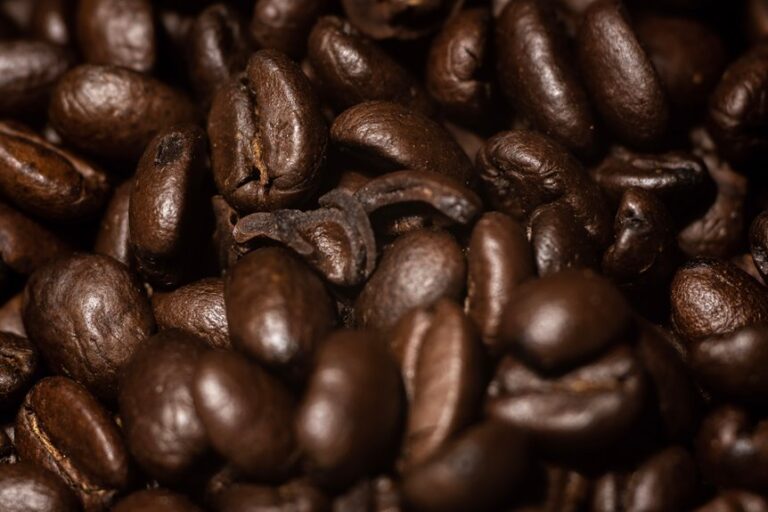
You’ll usually feel most at home with medium to dark beans, because they bring body and warmth without tasting thin. Bean origin matters too, since Brazilian and Colombian coffees often provide chocolate, nut, and gentle fruit flavors that feel rich and welcoming.
Should you prefer a bolder mug, try Sumatran beans for a deeper, earthy cup.
- Choose medium roast for balance
- Try dark roast for heavier body
- Pick fresh beans for brighter aroma
- Match bean origin to your taste
- Skip very light roasts should you want comfort
When you investigate together, you’ll find a blend that feels like yours.
French Press Brewing Ratio Basics
The right brewing ratio can turn your French press from just okay into deeply satisfying, and it starts with a simple balance between coffee and water. You fit in fast when you know this rule. Use about 1 part coffee to 15 parts water, then adjust with your own brewing techniques and coffee freshness in mind.
| Coffee | Water |
|---|---|
| 1 tbsp | 4 oz |
| 2 tbsp | 8 oz |
| 1/4 cup | 16 oz |
| 1/2 cup | 32 oz |
| 1 cup | 64 oz |
Should your cup tastes thin, add a little more coffee next time. Should it feel too heavy, ease back. That small shift helps you brew with confidence, and it keeps your press coffee tasting like it belongs in your routine.
Why French Press Smells So Rich
One whiff of French press coffee can feel almost unfairly rich, and that bold smell starts during brewing, not after the cup is poured.
- You release aroma compounds fast as water meets fresh grounds.
- Coarse grounds let scent rise in a steady wave.
- The brewing temperature helps oils bloom without feeling sharp.
- A short stir shares the smell through the whole jar.
- The plunger traps more fragrance until you pour.
Because the grounds stay in full contact with water, you get a fuller, warmer aroma that feels cozy and familiar.
That’s why your kitchen can smell like a small coffee shop, and you might feel right at home.
As you slow down and breathe it in, the scent invites you to join the moment before the initial sip.
Common French Press Brewing Mistakes
Even a simple French press can go off track when a few small mistakes creep in, and that’s frustrating as you just want a smooth, cozy cup. You’re not alone, though, and most slips are easy to spot. | Mistake | What happens |
| — | — |
|---|---|
| Water too hot | It can scorch grounds and bring harsh flavors. |
| Wrong brewing temperature | Too cool, and your cup tastes flat. |
| Poor water quality | Tap flavors can crowd out the coffee. |
| Uneven grind | Some bits oversteep while others stay weak. |
You can keep things calm using clean gear, fresh water, and steady timing. Then your press feels less fussy and more like part of your daily crew. Small fixes build better mornings, and you deserve that easy, welcoming cup.
How to Adjust French Press Strength and Taste
A few small tweaks can change your French press from bold and heavy to smooth and balanced, so you don’t have to settle for a cup that feels too strong or too thin.
Start with a simple strength adjustment: use a little more coffee for a richer cup, or a little less for a lighter one. Then shift the water ratio slowly so you can feel each change.
For taste improvement, grind a bit coarser, pour water that’s hot but not boiling, and steep for about four minutes.
- Use fresh beans for fuller flavor
- Stir gently for even extraction
- Press slowly to keep grit down
- Taste one change at a time
- Keep records so you can repeat your favorite cup
Frequently Asked Questions
Can French Press Coffee Be Made Without a Metal Filter?
Yes, you can, though it is a tightrope walk. You will need paper filters or other brewing alternatives to catch the grounds. You can still belong at the table and enjoy coffee without a metal filter.
Does French Press Coffee Contain More Caffeine Than Espresso?
Not usually. You will often get more caffeine content in a larger French press cup than a shot of espresso, depending on the brewing method. You are in good company choosing either because both can energize you.
How Do I Clean a French Press Properly?
You rinse, disassemble, and scrub every part with warm soapy water. Then you dry it well. These cleaning techniques keep your press shining like a trusted friend and maintenance tips help you enjoy fresher brews.
Can I Use Flavored Coffee Beans in a French Press?
Yes, you can use flavored beans in your French press and you will still enjoy rich coffee with your favorite taste. Try different brewing techniques and you will find a blend that feels just right for you.
Is French Press Coffee Suitable for Cold Brew?
Yes, you can use a French press for the cold brew method and you will achieve smooth flavor extraction. You will enjoy experimenting with it because your brew can taste rich, mellow, and inviting.