
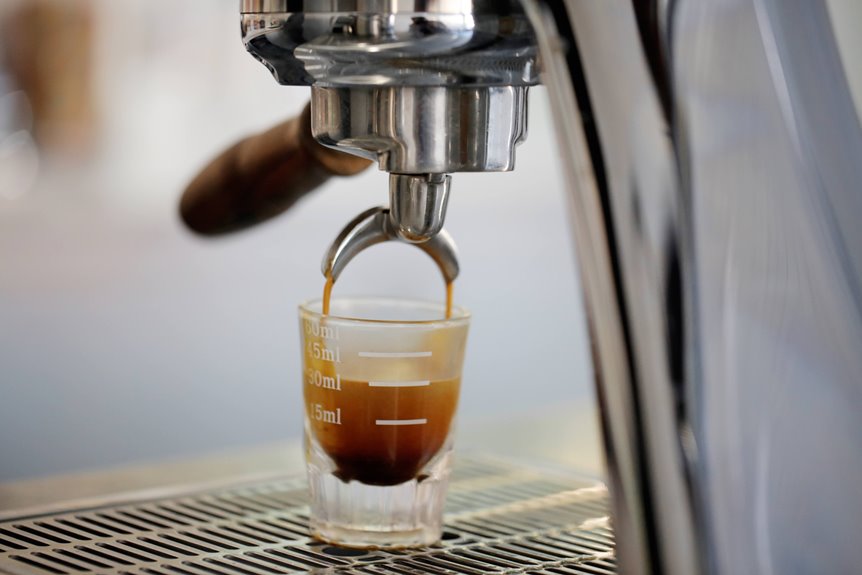
Ever sipped coffee that tastes bitter, like burnt toast? That’s a sign of over-extracted coffee. This occurs when water extracts too much from the coffee grounds, resulting in a dry, woody finish and a harsh aftertaste. Factors like fine grinds, slow brewing, too much coffee, or tightly packed grounds can push flavors over the edge. Spotting these signs is especially key in pour-over and drip coffee, so let’s get into how to identify and fix it!
What Over-Extracted Coffee Tastes Like
Should you have ever taken a sip of coffee and felt your mouth tighten, you could have tasted over-extracted coffee. You might observe sharp sour flavors initially, then a dry, rough feel that makes the cup seem thin and weary.
The flavor can also linger with a persistent aftertaste that stays longer than you’d prefer. Instead of feeling smooth and inviting, the coffee could seem strained, as though the water extracted too much from the grounds. Because of that, each sip can feel less welcoming and more uncomfortable.
Still, you’re not alone in case that cup threw you off. Many coffee drinkers encounter this when brewing at home, and once you recognize the taste, you can identify it quicker and feel more assured next time.
Bitterness vs. Over-Extraction
At the moment your coffee tastes bitter, it doesn’t always mean it’s over-extracted, because bitterness can also come from dark roasts, old beans, or too-hot water.
You can spot over-extraction at the time the cup feels harsh, dry, and a little empty after the initial sip.
Bitterness Sources
Bitterness in coffee can come from a few places, and over-extraction is only one of them. You could also taste bitter compounds that naturally reside in the bean, especially whenever the roast runs dark. Those flavors can feel sharp, but they’re not always a mistake.
Water quality matters too, because hard water can push your brew out of flavor balance. Then there’s the grind, which can release harsher notes provided it’s too fine for your method.
Even stale beans can seem more bitter, since freshness keeps the cup bright and lively. So, whenever your mug tastes rough, you’re not alone. You’re just encountering a mix of chemistry, roasting, and brew choices that shape bitterness in different ways.
Over-Extraction Signs
A bitter cup can fool you, because not every sharp taste means you over-extracted the coffee. You might simply need better extraction balance, and that’s okay. Whenever you know the signs, you can trust your coffee flavor more.
- Dry finish: Your mouth feels rough, like you chewed on tea bags.
- Harsh aftertaste: The sip starts fine, then turns sharp and stays there.
- Flat sweetness: You lose the warm, rounded notes that should feel welcoming.
If your cup tastes bitter and also feels hollow, you’re likely past the sweet spot. That shift indicates the brew pulled too much from the grounds.
You can fix it with a shorter brew or a coarser grind, and your next cup can feel more like home.
Why Coffee Becomes Over-Extracted
Coffee becomes over-extracted when water stays in contact with the grounds for too long or pulls too much from them too fast, and that usually occurs because one part of the brewing setup is off.
Whenever your grind is too fine, the water slows down and keeps working on the coffee longer than it should, which can upset flavor balance.
Should you use too much coffee, pack the grounds tightly, or brew with water that’s too hot, you can stretch extraction time and draw out harsh compounds.
A slow pour, a clogged filter, or a brew method that sits too long can add the same problem.
Once you notice these causes, you can adjust each step with confidence and feel more in control of your cup.
Signs of Over-Extracted Coffee
As coffee turns over-extracted, it usually sends a few clear warning signs your way, and the taste is the initial one you’ll notice. You might feel a sharp, bitter edge that pushes out the sweet tones you expected, and that can make your cup seem harsh instead of inviting.
Whenever you pay attention, you can spot the shift fast and adjust your brewing techniques with confidence.
- The flavor profiles feel dry, woody, or overly tannic.
- The aftertaste lingers in a rough, unpleasant way.
- The cup loses balance, so one strong tone takes over.
These clues often appear together, and they help you catch the problem before it ruins your whole mug.
With a little practice, you’ll read the signs and feel right at home with your brew.
How Grind Size Causes Over-Extraction
As you grind coffee finer, you create more surface area, so water pulls flavor out faster.
That can push your cup past balanced and into bitter, harsh territory before you know it.
With a coarser grind, extraction slows down, which gives you a little more control and can help keep the brew smoother.
Finer Grounds Extract Faster
Finer grounds pull flavor out faster, and that speed is exactly why they can push your coffee into over-extracted territory so easily.
Whenever you grind too fine, more surface area meets water, so the brew grabs bitter compounds before you expect it. You’re not doing anything wrong; you just need the right grind consistency for better extraction balance.
- Tiny particles let water move through them quickly and work hard.
- That fast contact can pull harsh flavors into your cup.
- A more even grind helps you stay in the sweet spot.
Coarser Grind Slows Extraction
A coarser grind can slow the brew down in a different way, and that can also leave you with coffee that tastes over-extracted and a little sad. At the moment the pieces are too large, water moves unevenly, so some spots stay underdone while others get too much contact. That breaks your extraction balance and can make your cup taste harsh, woody, or hollow.
| Clue | What you notice |
|---|---|
| Slow drip | Brew feels stuck |
| Uneven grounds | Cup tastes mixed |
| Bitter finish | Aftertaste lingers |
| Weak body | Coffee feels thin |
| Poor grind consistency | Flavor swings fast |
You can help your coffee crew by checking grind consistency each time. Subsequently, you give water a fair path, keep extraction balance closer, and make your cup taste smoother, warmer, and more like home.
How Brew Time Changes Extraction
The longer your coffee stays in contact with water, the more flavor it pulls out, and that can be a good thing or a mess, depending on the clock. You can consider brew time as the quiet driver behind balance, and you’re not alone should it feel tricky initially. Different brew methods provide you different windows, so your cup could change fast or slowly.
- Short brew times can taste sharp and thin.
- Longer brew times can push out bitter notes.
- Small grind adjustments help you match time to taste.
Should your coffee feel harsh, try shortening the brew a little. Should it taste weak, give it a bit more time. With a few tweaks, you’ll find the rhythm that fits your kitchen and your daily cup.
How Water Temperature Affects Over-Extraction?
As you utilize hotter water, it extracts flavor from the grounds quicker, which can push your coffee into over-extracted territory.
Cooler water functions more slowly, so it provides you a bit more control and can assist in preventing harsh elements from dominating.
Should your cup taste bitter or rough, the water temperature could be the sneaky culprit.
Hotter Water Speeds Extraction
Crank up the heat, and coffee starts moving faster through the grounds. As your water temperature rises, your extraction rate climbs too, so more compounds leave the beans in less time.
That can feel great initially, because you get bold flavor fast, but it can also pull out harsher flavors should you not be careful. You’re not alone should this have happened to you.
- Hot water reaches sugars and acids quickly.
- It also pulls bitter compounds sooner.
- Small brewing changes can protect your cup.
Cooler Water Slows Extraction
Cooler water works much more slowly, and that can be a good thing whenever your coffee tends to turn harsh or flat.
With a lower water temperature, you slow the extraction rate, so fewer bitter compounds rush into your cup. That gives you more room to taste sweetness and balance, especially whenever your beans already brew fast.
You don’t need to guess too much here. Should your coffee often feels sharp, try a slightly cooler pour and notice how it changes.
You might find the cup feels calmer, smoother, and easier to enjoy with friends or on your own quiet morning.
Small temperature shifts can help you feel more in control, and that’s a nice place to be at the time you want coffee that fits your taste.
Why Coffee-to-Water Ratio Matters
A simple coffee-to-water ratio can change your whole cup, and that’s why it matters so much. Whenever you measure well, you help your brewing techniques work with your beans instead of fighting them. Too much water can leave your coffee thin, while too little can make it taste sharp.
- Start with water quality and fresh coffee freshness so your cup feels lively.
- Match grind consistency and extraction time to your brewing equipment for better flavor balance.
- Notice coffee origin, because different beans need different ratios to shine.
As you keep the ratio steady, you join a crowd of brewers who trust the same simple rule. That small habit helps you feel more confident, and it makes each cup taste like it belongs to you.
How Over-Extraction Affects Espresso
Whenever you hold the coffee-to-water ratio steady, espresso starts to show its true shape, and over-extraction makes that shape feel harsh and heavy. You might notice a bitter edge that crowds out sweetness, and the shot can lose the bright espresso balance you were chasing.
Instead of a smooth, lively cup, the flavor profile turns dull, dry, and a little stubborn on your tongue. That can feel disappointing, especially at the moment you wanted a drink that welcomes you in.
Still, this doesn’t mean you’ve failed. It just means the coffee stayed in the water too long. As the brew keeps pulling, espresso can taste thicker, with rough aftertastes that stick around and hide the good parts.
How Over-Extraction Shows Up in Pour-Over
In pour-over coffee, over-extraction often shows up more quietly than it does in espresso, but you can still taste at the moment the brew has stayed in contact with the water too long. You might notice a sharp edge, a dry finish, or a bitter bite that pushes away the sweet flavors you wanted. That shift can make you feel like your cup lost its shape, but you’re not doing anything wrong.
- The aroma turns dull.
- The middle tastes thin, then bitter.
- The finish hangs on too long.
When you adjust brew techniques, you protect flavor balance and help the cup stay clear. A small grind change, a gentler pour, or a shorter drawdown can bring your pour-over back into a friendlier place.
How Over-Extraction Affects Drip Coffee
Drip coffee can go from smooth to harsh faster than you might expect, and over-extraction is often the reason.
Whenever your cup sits too long in contact with hot water, it pulls out more bitter compounds than you desire. That shift can flatten flavor balance, making the brew taste dry, woody, or even a little empty.
You might also notice that the bright notes you enjoy in other brewing methods feel muted here, so the coffee loses its friendly, welcoming edge.
Because drip coffee often serves as your daily cup, this change stands out quickly. Should you’ve felt that letdown, you’re not alone.
It simply means the brew crossed the line from full-bodied to too much, and your taste buds recognized it right away.
Common Brewing Mistakes That Cause Over-Extraction
Even a small brewing slip can push your coffee past smooth and into harsh territory, so it helps to know what usually goes wrong. You’re not alone when your cup tastes bitter sometimes; plenty of home brewers run into the same traps.
- You grind too fine, which slows water and raises extraction. Keep an eye on grind consistency so every particle behaves the same.
- You brew too long for your brew method, and the water keeps pulling out more than you want.
- You use water that’s too hot or stir too hard, which can wake up bitter notes fast.
When these mistakes stack up, your coffee can feel rough instead of welcoming. A few small changes in how you brew can help you stay in that cozy middle ground you’re after.
How to Fix Over-Extracted Coffee at Home
Should your coffee taste sharp, dry, or strangely hollow, you can usually bring it back with a few simple fixes at home.
Start with your grind size, because a finer grind can make a cup bitter fast. Then shorten your brew time or lower the water temperature a little. These coffee adjustments often soften harsh flavors right away.
Should you use a pour over, slow your pour and keep the water even. With French press or drip, try slightly less coffee next time.
You can also add a splash of hot water to rescue one cup. As you taste and tweak, you’re learning brewing techniques that fit your style. Small changes help you feel in control, and your next mug can taste calm, balanced, and welcome.
Frequently Asked Questions
Can Over-Extracted Coffee Have More Caffeine?
Yes, you can get slightly higher caffeine levels from over extracted coffee, but its flavor profile often turns bitter and harsh. You will usually notice the taste more than a significant caffeine increase, so brew together wisely.
Does Bean Freshness Affect Over-Extraction?
Yes, fresh beans can make you feel more in tune with your brew, but over-extraction depends more on grind size, dose, and time. Good bean storage helps preserve flavor so you are part of the best results.
Is Over-Extraction the Same in Cold Brew?
No, you will not experience the same over-extraction in cold brew because cold brew methods extract slower and softer. You will notice different cold brew flavors and you can adjust steep time with your coffee community.
Can Water Quality Cause Over-Extracted Coffee?
Yes, hard water can make your brew taste over extracted, and nearly 70 percent of households have it. You will get a harsher cup whenever water hardness and brewing temperature push too many compounds into your coffee.
Does Over-Extracted Coffee Always Look Darker?
No, you cannot judge over-extracted coffee through color alone. The appearance of your coffee can remain light or appear normal depending on brewing techniques, grind, and beans. Trust taste and texture as you learn with the coffee crowd.