
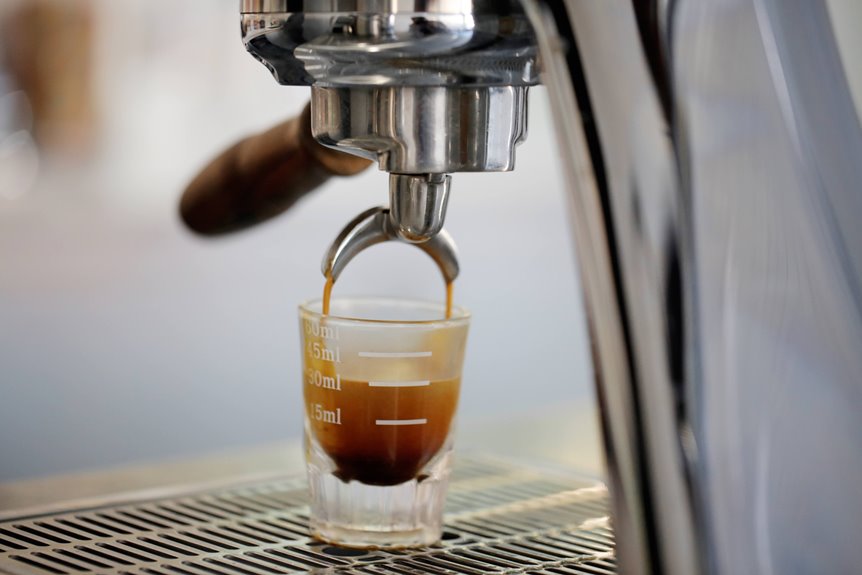
Under-extracted coffee can leave you with a disappointing cup that tastes sour and watery. This happens because the brewing process didn’t fully extract the flavors from the beans. You might notice a sharp, unbalanced taste and a brew that lacks body. Common reasons for this issue include improper grind size, insufficient brewing time, or incorrect water temperature. Spotting these signs makes it easier to fix the problem and improve your next cup.
What Under-Extraction Means in Coffee
Under-extraction means the water didn’t pull enough flavor from the coffee grounds, so the cup can taste thin, sour, sharp, or even a little empty. You can regard it as an extraction process that stopped too soon.
In coffee chemistry, the good stuff should dissolve in a balanced way, but your brewing methods and brewing techniques shape how far that goes. At the moment the flavor balance misses the mark, the coffee flavor feels unfinished, and the taste profiles shift away from what you hoped for.
That doesn’t mean you failed; it just means a few extraction variables, like grind size, water contact, and time, changed the result. With a little attention, you can read the cup more clearly and feel confident that your next brew belongs at your table.
Why Coffee Tastes Sour and Weak
A sour, weak cup usually means the water met the coffee, but it didn’t stay long enough or work hard enough to pull out the fuller flavors. You taste a sharp sour flavor because the brighter characteristics showed up initially, while the richer ones stayed behind.
That can throw off the acidity balance, so the cup feels thin instead of lively. You might notice the brew looks pale, smells a bit shy, and leaves you wishing for more body.
That’s frustrating, especially at the moment you wanted a cozy cup that feels like it belongs in your routine. Still, this taste tells a clear story. The coffee gave you some sparkle, but it never reached its deeper center, so the cup lands light, tart, and unfinished.
Common Causes of Under-Extracted Coffee
Two of the most common reasons your coffee ends up under-extracted are a grind that’s too coarse and a brew time that’s too short.
Whenever your grounds are too big, water rushes through them and skips over a lot of flavor.
In case you cut the brew short, you leave that flavor behind, so your cup can taste thin, sour, and a little disappointing.
Grind Too Coarse
Once your coffee tastes thin, sour, or oddly sharp, the grind is often the initial place to look.
Whenever the particles stay too large, water slips through them too fast and leaves flavor behind. You can spot this by checking grind consistency, since a mix of boulders and dust can confuse the brew and make one feel like they’re chasing a better cup alone.
Start with small grind adjustments, not big jumps, so you can guide extraction with confidence. A finer setting usually helps, because it gives water more surface to work with and brings out sweetness.
In case your coffee still feels weak, tighten the grind a little more and watch how the flavor opens up. Small changes can make your setup feel much friendlier.
Short Brew Time
Should your grind already look right but the cup still tastes thin or sour, the brew could be ending too fast. Whenever water rushes through coffee, it skips the flavors you want, and that can leave you feeling let down. You’re not alone whenever this happens; it’s a common snag, and you can fix it.
- Check your timer and aim for a steady window.
- Use brew time techniques like slowing your pour or steep a bit longer.
- Watch extraction timing so water stays in contact with the grounds enough.
- Match your method to the recipe, because a press, drip, and pour-over all need different pace.
A longer, calmer brew often gives your cup more body and balance, and that’s the kind of comfort your coffee crew can cheer for.
How Grind Size Affects Extraction
Grind size has a huge effect on how much flavor water can pull from your coffee, and that can make or break an under-extracted cup. Should you grind too coarse, water slips through fast and leaves behind sweetness, body, and depth.
Whenever you keep strong grind consistency, each piece breaks down more evenly, so your brew stays balanced. Good grind uniformity also helps you avoid random weak spots that taste thin or sour.
In case some grounds are much larger than others, the smaller bits overwork while the bigger ones stay shy. So, you get a cup that feels uneven and flat.
You want a grind that matches your brew method, because that gives you a smoother path to full flavor without the sad sip.
Water Temperature Mistakes to Avoid
Should your coffee taste weak, begin by checking the water temperature, because too cool water won’t pull enough flavor from the grounds.
Conversely, overheated brew water can make the cup taste harsh and still leave it unbalanced.
You’ll usually get better results at the time you keep the water in the ideal range, so the coffee can extract smoothly and taste fuller.
Too Cool Water
Water that’s too cool can quietly ruin your brew before you even notice what happened.
Whenever you want a cup that feels like home, aim for warmth that helps the grounds open up. Should the water stay lukewarm, your coffee can taste thin, sour, and shy. That’s often where under-extraction starts.
- Use a thermometer so you can trust the pour.
- Preheat your mug and brewer to keep heat steady.
- Try proven brewing techniques instead of guessing.
- For cold brew, keep in mind it needs time, not hot water.
You don’t need fancy gear to fit in with good coffee lovers. You just need water that gives your beans a fair chance.
Once you get the temperature right, your cup feels fuller, smoother, and more welcoming.
Overheated Brew Water
A warm pour can help your coffee bloom, but too much heat can push it past the sweet spot and leave you with a harsh, burnt-tasting cup.
Whenever you overheat brew water, you can flatten coffee freshness and blur tasting nuances, even though your brewing techniques are solid. Strong heat can pull bitter compounds quickly, so your extraction methods might feel rushed and uneven.
You might also notice roasted edges hiding the better flavor profiles from different coffee origins and roasting levels. Check your water quality, keep equipment maintenance on track, and match brewing ratios with care.
Small shifts can change the cup, so stay patient with each pour. In case your coffee still tastes sharp or smoky, your next step could be to adjust how you heat the water.
Ideal Temperature Range
For a cleaner cup, keep your brew water in the sweet spot, usually between 195°F and 205°F. Whenever you stay in this range, you help the grounds open up evenly, and your coffee feels fuller, brighter, and more balanced.
Should you love brewing techniques, this is one of the easiest ways to improve your daily cup without fancy gear. Watch for these simple clues:
- Use a thermometer so you don’t guess.
- Let boiling water rest for 30 seconds.
- Adjust extraction methods for lighter or darker roasts.
- Taste for smooth flavor, not sharp sourness.
In case the water runs too cool, you might miss the rich notes your beans can offer.
Once you dial in the right heat, you join the crowd that gets coffee right together.
How Brew Time Affects Extraction
Even a small change in brew time can shift your coffee from thin and sharp to fuller and more balanced.
Whenever you shorten the brew time, water leaves less flavor behind, so your cup can taste sour, grassy, or hollow. Should you let it run longer, you give the water more chances to pull sweetness, body, and depth from the grounds.
That’s why brew time matters so much for extraction balance. You want enough contact for the coffee to open up, but not so much that it turns harsh.
In case your cup feels rushed, add a little time. If it feels dull, trim it a bit. Small, careful changes help you find the sweet spot, and that’s where your coffee starts to feel like it fits you.
Fixing Coffee-to-Water Ratio Mistakes
Once your coffee tastes thin or sharp, the initial thing to check is the coffee-to-water ratio, since even a small mistake can throw off the whole cup.
You can measure your grounds more accurately with a scale or a fixed scoop, which helps you spot whether you’re using too little coffee or too much water.
Then you can adjust the brew strength with small changes, so each cup gets closer to the rich, balanced flavor you want.
Ratio Basics
A coffee ratio can feel tiny, but it can throw off the whole cup. You belong in the sweet spot where your brew tastes balanced, not thin or harsh. Start by matching your grounds to the water you use, then adjust for your brewing techniques and coffee varieties. A lighter roast might need a little more support, while a darker one can feel fuller with less.
Keep this simple rhythm in mind:
- Too much water can leave coffee weak.
- Too little water can make it taste sharp.
- A steady ratio builds trust in your cup.
- Small changes can fix big flavor gaps.
When you tune the ratio, you help your coffee show up with more body, warmth, and comfort.
Measuring Coffee Accurately
The smallest measuring mistake can quietly change your whole brew, so this step matters more than it looks. You deserve coffee that feels steady and familiar, and coffee scales help you get there.
Measure your beans before grinding, because scoops can hide small differences that add up fast. Then measure your water with the same care, since even a little extra or less can shift your brew consistency.
Should you brew often, keep one routine and stick to it each time. That simple habit helps you notice what’s really happening in the cup.
Also, check that your scale reads at zero before you start. At the moment your measurements stay exact, you’re not guessing anymore, and your coffee starts to taste like it belongs to you.
Adjusting Brew Strength
Should your coffee taste too weak or too sharp, your coffee-to-water ratio is probably asking for a small fix. You’re not alone, and this part of brewing trips up lots of home drinkers.
Start with small adjusting ratios so you can feel the change without wasting a whole pot.
- Add a little more coffee should the cup feel thin.
- Use a little less coffee should the brew taste heavy and harsh.
- Keep water steady so your brew strength techniques stay easy to compare.
- Taste again, then repeat once should it be needed.
When you make these small changes, you join the club of people who know that good coffee often comes from tiny, caring tweaks.
That’s how you turn guesswork into a cup that feels just right.
Signs of Under-Extracted Coffee
When coffee tastes flat, sharp, or a little too sour, you’re likely contending with under-extraction, and that can be frustrating after you’ve gone to the trouble of brewing it.
You might notice a thin body, quick bitterness fade, and a bright edge that never settles into flavor balance. Those clues often point to coffee acidity taking over because extraction timing was too short, the grind was too coarse, or your brew methods didn’t give the water enough contact.
Even small shifts in coffee freshness or water quality can change taste profiles fast, so trust your senses. Should your cup feel hollow instead of rich, you’re not imagining it.
You’re just seeing the signs that your brewing techniques need a small reset, and that’s something you can fix with confidence.
What Under-Extraction Looks Like in Espresso
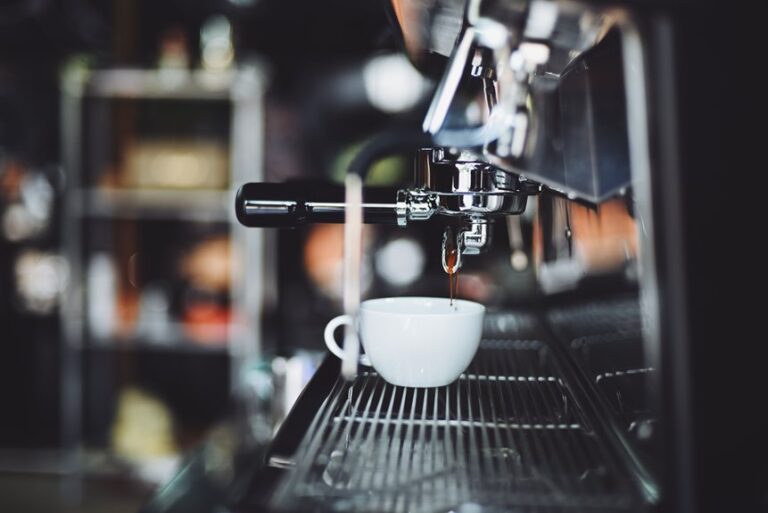
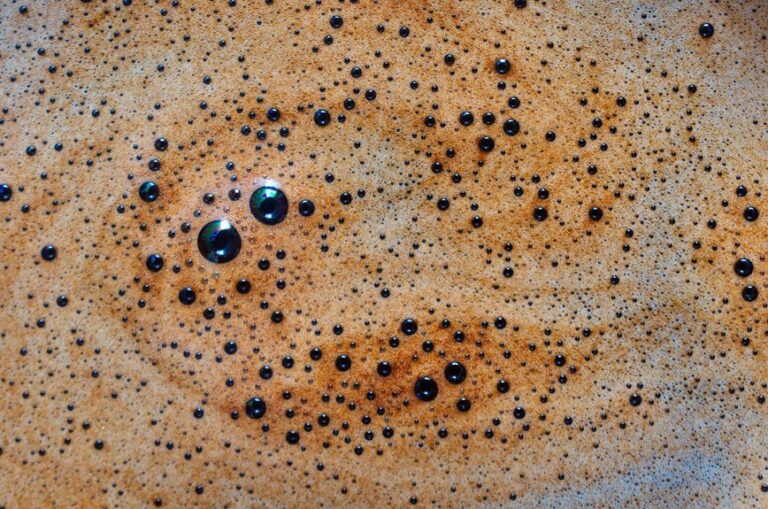
A weak espresso shot can look almost too neat at initially, but it often gives itself away fast. You’ll notice thin body, pale crema, and a sharp bite that skips the rich espresso flavors you expected.
As the extraction balance slips, the shot can taste sour, watery, or oddly empty, like the coffee never fully showed up.
- The crema fades fast and looks light.
- The aroma feels bright but unfinished.
- The sip tastes sharp, not round.
- The finish drops off before it settles.
If this sounds familiar, you’re not alone. Many home baristas hit this moment, then fine-tune grind, dose, and tamp to bring the shot back into line.
A better pull feels fuller, smoother, and more welcoming.
What Under-Extraction Looks Like in Pour-Over
Whenever you make pour-over coffee and it tastes sour or thin, you’re often seeing under-extraction in action.
The brew might look pale, and the bed can stay watery instead of settling into a rich, even layer.
Should the drip run too fast, the water didn’t spend enough time pulling out the sweet, balanced flavors you wanted.
Sour, Thin Taste
Under-extracted pour-over coffee usually tastes sour, thin, and a little unfinished, and that can feel frustrating at the moment you expected a sweet, balanced cup. You’re not alone during that initial sip landing wrong. The cup could seem sharp, almost like citrus without enough body, and the sour aftertaste can stick around.
Instead of a rich, rounded feel, you get a thin mouthfeel that makes each sip feel light and a bit hollow.
- You taste bright acidity before sweetness.
- The flavor fades fast on your tongue.
- The cup feels lively, but not comforting.
- You miss the fuller, smoother body you wanted.
That mix can make you second-guess your brew, yet it also gives you a clear sign that extraction fell short.
Pale, Watery Bed
Should your pour-over bed appear pale, wet, and uneven instead of dark and settled, that’s often a clear sign of under-extraction. You might also notice a pale crema on top and a watery texture in the grounds, which can make the whole bed look sleepy rather than rich.
Whenever you brew with care, you want the coffee bed to look evenly soaked and gently packed, like it belongs there. In case it stays washed out, the water didn’t pull enough flavor from the grounds, so the result feels hollow.
That sight can feel frustrating, but you’re not doing badly. It’s simply your coffee giving you a clue. Watch the color, the finish, and the surface, and you’ll start spotting this pattern with confidence.
Fast Drip Time
A pale bed often goes hand in hand with a brew that races through the filter, and that fast drip time is one of the clearest signs that your pour-over could be under-extracted.
As water slips through too quickly, it doesn’t stay in contact with the grounds long enough, so your cup can taste thin, sharp, and a little lonely. You can check your brew equipment and see whether the grind is too coarse, the pour is too aggressive, or the filter is channeling water around the coffee.
To visualize it, look for:
- a drawdown that ends prematurely
- a weak, tea-like aroma
- a light body in the cup
- a sour, unfinished finish
Whenever you notice fast drip time, you’re not failing. You’re learning how your setup speaks.
French Press Signs of Under-Extraction
Once your French press coffee tastes thin or sour, it can feel like you did something wrong, but this problem is usually easy to fix. In a French press, under-extraction often shows up as sharp flavor hints, weak body, and a flat finish. Your brewing techniques and brewing variables shape coffee consistency, flavor balance, and coffee quality, so small changes matter. Check these signs:
| Sign | What you might observe |
|---|---|
| Sour taste | Bright, harsh bite |
| Thin body | Watery mouthfeel |
| Weak aroma | Faded taste profiles |
| Uneven brew | Some grounds seem overdone |
Next, adjust your grind, water temperature, and steep time. Those extraction methods help your coffee equipment work the way you want. At the point you dial them in, your French press starts to feel like a familiar win, not a mystery.
Drip Coffee Signs to Watch For
Should your drip coffee start tasting sharp, weak, or just oddly flat, your brew is probably sending you a clear signal. You’re not alone, and you don’t need to guess.
Look for these drip coffee signs to watch for:
- A sour edge that hides the sweet flavors you expect.
- Coffee flavors that feel thin, watery, or unfinished.
- A pale aroma that fades fast instead of inviting you in.
- A cup that tastes the same from initial sip to last, with little depth.
These clues often show up as your brewing techniques don’t fully draw out the beans.
As you notice them, trust your taste buds. They’re doing their job, and they’re helping you stay in the coffee crowd that knows what a good cup should feel like.
How to Fix Under-Extracted Coffee
Fixing under-extracted coffee starts with small, smart changes that help your beans give up more of their flavor, and the positive development is you don’t need to overhaul everything at once.
Start using a finer grind, since water needs more surface to work with. Then, make your water a little hotter, because lukewarm water leaves flavor behind. You can also extend your brew a bit so the grounds have time to open up.
Should you use brew techniques like pour-over or French press, keep your steps steady and even. Stirring gently can help too, and it keeps the coffee community vibe strong because everyone wants a cup that tastes right.
As you make these shifts, you move closer to flavor balance, with less sourness and more warmth.
Dial In Better Extraction Next Time
Next time you brew, treat each cup like a small experiment, because better extraction usually comes from a few steady tweaks, not a full reset.
You’re not chasing magic here, just dialing extraction with care and patience, like friends sharing one kitchen. Start with one change, then taste, notice, and adjust.
- Grind a little finer to help water reach more flavor.
- Extend brew time by a few seconds should the cup taste thin.
- Check water temperature so it stays hot, but not harsh.
- Stir or bloom evenly to wet all the grounds.
As you keep perfecting techniques, you’ll spot patterns fast.
Then your next cup can feel fuller, sweeter, and more like the one you were hoping to share.
Frequently Asked Questions
Can Old Coffee Beans Cause Under-Extraction?
Yes, old coffee beans can cause under-extraction and you will taste it. You might think that age only dulls flavor but the impact of freshness matters. Stale beans resist extraction, flatten your flavor profile, and leave you feeling out of sync.
Does Water Quality Affect Coffee Extraction?
Yes, your water quality can certainly change extraction. You will achieve better balance when water hardness and mineral content match your beans, brewing temperature remains consistent, and your grind size aligns with the brew method. This helps you feel connected to the coffee community.
Can Under-Extraction Happen With Dark Roast Beans?
Yes, dark roast beans can under-extract when you use brewing techniques that rush them. You will notice dark roast characteristics fading, leaving sourness, a thin body, and a lonely, unfinished cup.
Do Paper Filters Influence Extraction Results?
Yes, paper filters do influence extraction results. You can control flow through filter thickness and filter material. This can brighten flavors, trap oils, and shape body, helping you feel confident with your brew.
Can Altitude Change Brewing Extraction?
Yes, altitude can change your brew like a mountain wind moving a lantern. You will often need to adjust your brewing techniques and grind size since higher elevations affect boiling points, flow, and extraction. This can help you achieve better cups.