
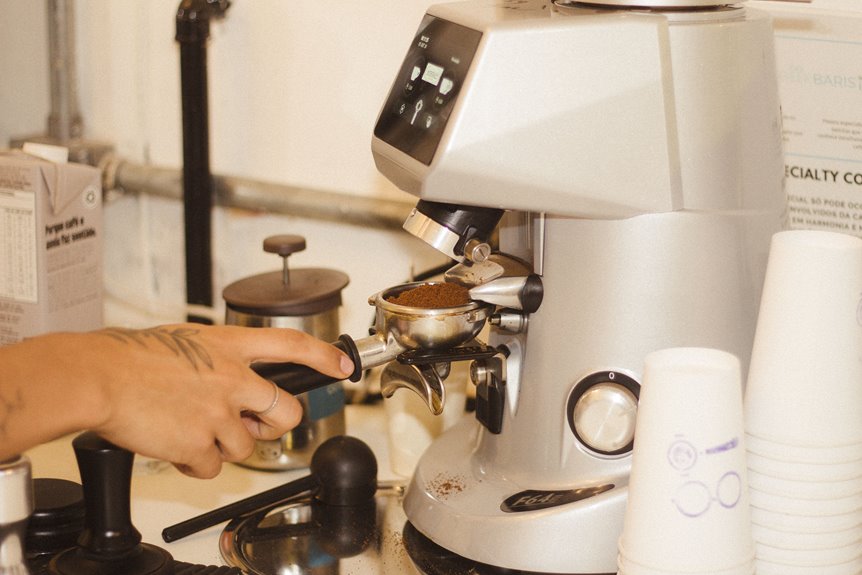
Grind size controls how quickly coffee releases flavor into water. Finer grounds extract flavors faster and can lead to brighter or more bitter tastes. Coarser grounds slow extraction and often produce milder, sometimes underdeveloped cups. Matching grind to brew method—espresso, pour-over, French press—keeps extraction balanced. Small adjustments to grind size make a big difference in taste.
How Grind Size Affects Extraction
Watch what happens whenever you change the grind, because it controls how fast water can pull flavor from coffee.
Whenever you grind finer, you expose more surface area, so water can reach more of the bean and lift more taste. That raises soluble yield, which means more of the coffee dissolves into your cup.
Whenever you grind coarser, water moves through faster and takes less with it.
The key is extraction uniformity, because even particles let each bit of coffee give up flavor at a similar pace. In case the grind is uneven, some grounds overextract while others stay stubbornly underdone.
You deserve a cup that feels balanced and welcoming, not sharp in one sip and thin in the next.
Small grind changes can make that difference.
What Grind Size to Use for Each Brew Method
You’ll get better coffee once you match your grind to the brew method, since each one pulls flavor in its own way.
A coarse grind works well for methods like French press, while a finer grind fits espresso and other fast extractions.
From there, you can tweak the size a little at a time until the taste feels right to you, at which point the real magic starts.
Grind Size By Brew Method
Every brew method asks for a different grind size, and that’s where a lot of coffee gets tricky fast.
Should you use French press, go coarse so the grounds stay out of your cup.
For pour-over, aim for medium, which helps water move through evenly.
Espresso needs fine grounds because pressure works best with a tight bed.
AeroPress sits in the middle, so you can adjust a bit based on your brewer.
Whenever you match the grind to the method, you protect single origin consistency and cut down on grind retention issues in your grinder and brew path.
That means your coffee crew gets a cleaner, more reliable cup, and you don’t have to guess as much each morning.
Little changes here make the whole routine feel easier.
Dialing Grind For Taste
Once you know the brew method, the next step is to dial in the grind via taste, because the “right” size still depends on how your coffee tastes in your cup. Start with a common range, then adjust one step finer or coarser and taste again.
Should your cup feels sour, weak, or thin, you might need more extraction yield, so go finer. Should it tastes bitter, dry, or harsh, go coarser to protect flavor balance.
For drip, aim medium. For pour-over, try medium-fine. For French press, choose coarse. For espresso, use fine.
Keep records so you can spot patterns fast. You’re not guessing alone; you’re learning your own style. That’s how your coffee starts feeling like it truly fits you.
Grind Size for French Press Coffee
French press coffee usually tastes best whenever you use a coarse grind, because the bigger coffee particles let water move through at a steady pace and help keep the brew smooth instead of muddy. You’ll feel right at home with this approach, since French press fans often want body without grit.
Aim for crumbs like sea salt, not powder, so your metal filters can do their job without clogging. This grind also supports bloom control, letting the grounds wet evenly before you stir.
After that, steep for about four minutes, then press slowly and gently. That calm push helps with sediment mitigation and keeps your cup cleaner.
Whenever your coffee still tastes harsh, go a little coarser next time.
Grind Size for Pour-Over Coffee
Whenever you liked the clean, steady flow of a coarse French press grind, you’ll notice pour-over asks for a very different feel.
You want a medium-fine grind, like table salt, so water can move through evenly. Should it be too coarse, your cup might taste thin. In case it’s too fine, the brew can stall and feel harsh.
For a single origin coffee, that careful grind helps you notice bright fruit, gentle florals, and sweet edges.
Start with your brew ratios, then adjust the grind one step at a time until the water drains in a steady, calm pace. You’re not chasing perfection alone here. You’re building a cup that feels balanced, welcoming, and made for your taste.
Grind Size for Drip Coffee Makers
For drip coffee makers, the grind usually works best at medium, like plain sand that still feels a little gritty between your fingers. You want particles that let water move at a steady pace, so your brew tastes balanced and friendly.
Should the grind be too fine, you might get a bitter cup. Were it too coarse, the flavor can feel thin and shy.
Your bean origins matter here, because lighter beans often show more sparkle, while darker ones could need a slightly different touch. Also, filter materials change the pace, since paper and metal don’t behave the same way.
Start with medium, then adjust a little at a time until your coffee feels right for your routine and your taste.
Grind Size for Espresso Machines
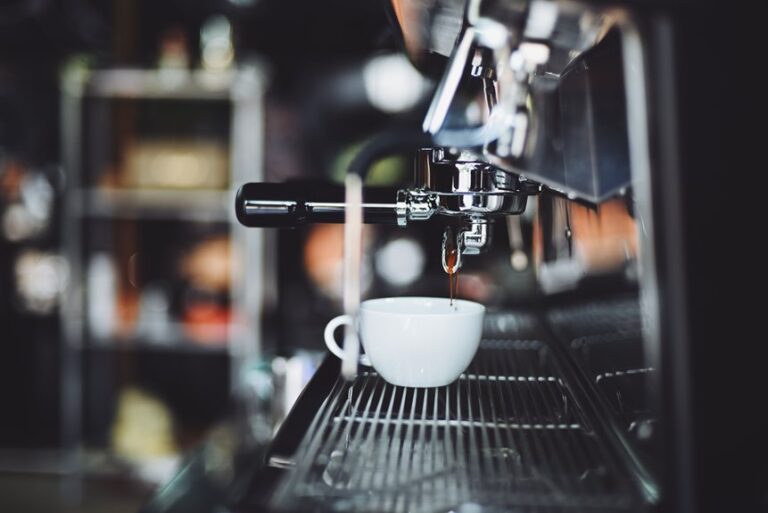
Espresso grind size needs to be very fine, almost like powdered sugar with a little texture left in it, because the machine pushes hot water through it under strong pressure. You want that tight feel so you can pull a rich shot and feel like you’re in the club of serious home baristas.
Should your grind be too coarse, the water slips through and your espresso tastes weak. In case it’s too fine, the shot can choke and feel harsh. So, try small changes and trust your palate.
Also, keep up with machine maintenance, since clean parts help the grind work as intended. With pressure profiling, you can shape the shot even more, but your grind still sets the stage for balance, crema, and body.
How Grind Size Changes Brew Speed
Whenever you grind coffee finer, you increase the surface area, so hot water can pull flavors out faster. That’s why a smaller grind usually speeds up brew time and can make your coffee taste stronger provided you’re not careful.
On the other hand, a coarser grind slows the water down, giving you a gentler brew and more control over the final cup.
Surface Area Effects
Grind size changes brew speed because it changes how much coffee water can touch at once. Whenever you use a finer grind, you create more exposed coffee, so water moves through tiny spaces more quickly.
That extra contact area comes from particle morphology and surface chemistry, which shape how each piece meets the water. You’ll notice the difference in your cup, and that’s normal.
- A coarse grind leaves fewer edges for water to reach.
- A medium grind gives you a balanced path for steady brewing.
- A fine grind opens more surface, so water spreads through it faster.
Faster Extraction Rates
Because finer grounds open up more coffee to the water, they speed up extraction and let flavor leave the beans sooner. You’ll notice the brew feels lively, almost like the water and coffee are dancing in step. That quick particle acceleration helps your cup bloom faster, so your morning ritual can feel more connected and less rushed.
| Brew moment | What you notice |
|---|---|
| Initial pour | Aroma rises quickly |
| Mid brew | Color deepens fast |
| Final drip | Taste arrives sooner |
As heat transfer moves through the tiny pieces, warmth reaches more coffee at once. That means you get stronger flavor in less time, and you stay in control of the cup you’re building. Should you enjoy feeling in sync with your coffee, this pace can make every sip feel welcoming.
Coarser Grind Slows
A coarser grind slows brew speed, and that extra pause can work in your favor. You get a lowered flowrate, so water moves through the grounds more gently and gives flavor time to settle in. That slower pace also means reduced agitation, which can help keep bitter notes from taking over.
Whenever you’re dialing in your brew, regard it like joining a calm coffee crowd that knows patience pays off.
- Use it whenever your pour feels rushed.
- Pair it with a steady pour for balance.
- Taste the cup, then adjust one step finer or coarser.
With a coarser grind, you don’t have to fight the clock. You can guide the brew, trust the process, and enjoy a cup that feels made for you.
Signs Your Coffee Grind Is Too Coarse
Should your coffee tastes weak, sour, or watery, your grind could be too coarse. You might notice uneven extraction when some grounds barely give up flavor while others sit unused. That imbalance leaves your cup thin and flat, and it can make each sip feel unfinished.
In case your brew lacks sweetness or depth, you’re not imagining it. The coarse particles let water rush past too fast, so flavor dulling shows up as a faded, underwhelming cup. You may also spot pale color and a hollow finish.
Still, this isn’t a sign you failed; it just means your setup needs a small tweak. A slightly finer grind can help your coffee taste fuller, warmer, and more like the cup your morning deserves.
Signs Your Coffee Grind Is Too Fine
Should your coffee grind be too fine, you’ll often notice the brew slows down and starts dragging past its normal time.
That extra contact can pull too much from the grounds, leaving you with a bitter, harsh cup that feels a little unkind.
You might also spot muddy sediment in the mug, which is a clear hint that the grind is working against you.
Slowed Brew Time
Should your coffee drips far too slowly, the grind is often the initial place to look, because a powdery grind can pack down and choke the flow of water. Whenever you see this in the brew chamber, don’t panic. You’re not doing anything wrong; your setup just needs a small tweak.
- In case the brew time stretches, your grounds could be too fine.
- In the event the bed looks tight and muddy, water can’t move through evenly.
- Should grind aging have made your coffee dustier, a fresh grind can help.
You want the water to pass with steady confidence, not crawl like it missed the group chat. A slightly coarser grind helps your gear work with you, so each cup feels smoother and more welcoming.
Bitter Overextraction
If your coffee turns sharp, harsh, or just plain unpleasant, the grind is often too fine, and that small change can push your brew into bitter overextraction. You might taste a dry bite, a burnt edge, or a heavy cup that no sweet note can rescue.
That happens because water pulls too much from the grounds, which can create acidity imbalance and flavor suppression in the cup. You’re not doing anything wrong, and you’re not alone. Many coffee lovers hit this snag when they chase a finer grind for more strength.
Instead, try a slightly coarser setting and notice how the taste opens up. Whenever your brew feels smoother, brighter, and more balanced, you’ve likely found the sweet spot your coffee has been asking for.
Muddy Sediment
Whenever your cup looks cloudy and leaves a gritty line at the bottom, your grind is probably too fine. That muddy sediment means water can’t flow cleanly through the grounds, so tiny particles slip into your mug. You’re not doing anything wrong; you just need a coarser grind that lets your coffee breathe.
- Look for muddy water in the dripper or press.
- Notice a graininess texture on your tongue.
- Check the last sip for heavy sludge.
Once you adjust the grind, you give yourself a cleaner, sweeter cup and join the crowd that actually enjoys each pour. Begin with a small change, then brew again. Should the cup clear up, you’ve found your match. Otherwise, move one step coarser and keep going.
How to Dial In Grind Size Faster
At the start of dialing in grind size, move one small step at a time, because big changes can throw your coffee way off and waste beans fast. You’ll get there quicker whenever you taste, observe, and adjust with purpose. Keep your ritual steady so brew consistency improves and grind retention stays low.
| Clue | Action |
|---|---|
| Sour taste | Grind a touch finer |
| Bitter taste | Grind a touch coarser |
| Weak cup | Use a finer setting |
| Slow drip | Coarsen slightly |
Start with the same dose, water, and time, then change only one thing. That way, you can spot the real difference and feel more at home with each cup. If you stay patient, your coffee starts meeting you halfway, and that’s a pretty friendly place to be.
Why Burr Grinders Work Better
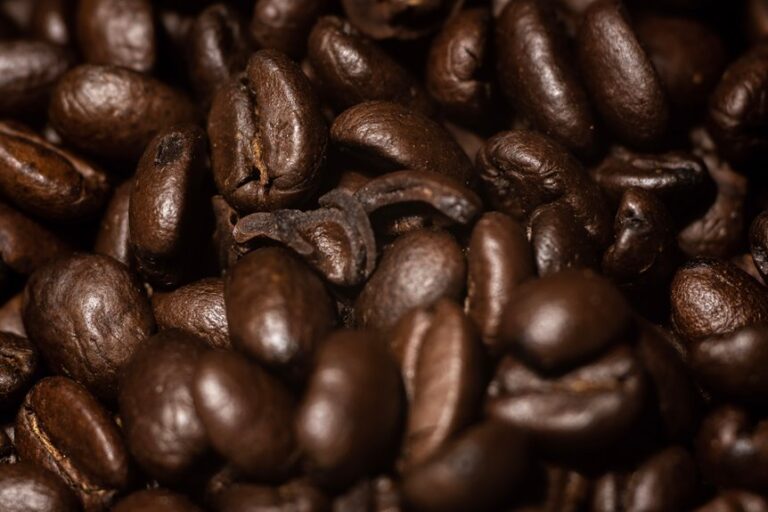
Burr grinders work better because they crush coffee beans into even pieces instead of smashing them into random chunks, and that small difference changes everything in your cup. You get a consistent particle size, so water can move through the grounds in a more even way, and your coffee tastes steadier and kinder to your palate.
- You avoid dusty fines that turn bitter fast.
- You keep lower heat during grinding, so flavor stays brighter.
- You feel more in control, like you’re part of the same coffee crowd that cares about a better cup.
Because burrs stay steady, you can trust each brew a little more. That calm repeatability makes your routine feel less messy and more welcoming every morning.
Match Grind Size to Your Brew Method
The right grind size can make your brew feel almost effortless, because each method asks for a different kind of coffee texture.
Whenever you brew espresso, use a fine grind so water can move through at the right speed.
For pour over, aim for medium-fine, which helps you keep balance and control.
For drip coffee, a medium grind usually works best, while French press needs a coarse grind so you don’t get a muddy cup.
Cold brew calls for very coarse grounds, since the long steep pulls flavor slowly.
You’ll notice better grind consistency and cleaner taste whenever particle distribution stays even.
Frequently Asked Questions
Does Grind Size Affect Coffee Freshness Over Time?
Yes, finer grounds stale faster over time because they expose more surface area, raising oxidation rate and particle agglomeration. You are better off grinding fresh, so you and your coffee crew keep flavor on point.
Can Humidity Change How Coffee Grounds Behave?
Yes. Humidity changes how you brew by increasing moisture absorption, which can cause particle clumping. You’ll notice grounds feel sticky and uneven, so you’re not alone if your coffee behaves unpredictably.
How Does Grind Size Influence Caffeine Content?
Grind size doesn’t change caffeine itself, but you’ll extract more with finer grounds because extraction efficiency and solubility rates rise. You are not alone; dialing it in helps your cup join the strong, balanced crowd.
Does Water Temperature Matter More Than Grind Size?
Yes, water temperature usually matters more than grind size, provided you are evaluating brewing chemistry closely. You will still need extraction control, but temperature shifts dissolve compounds faster and shape flavor more dramatically than grind alone.
Can Pre-Ground Coffee Still Make Good Espresso?
Yes, you can brew decent espresso with pre ground coffee, but you will face limitations. You will have less control, weaker crema development, and a less personal result than with fresh grounds, yet you still belong at the machine.