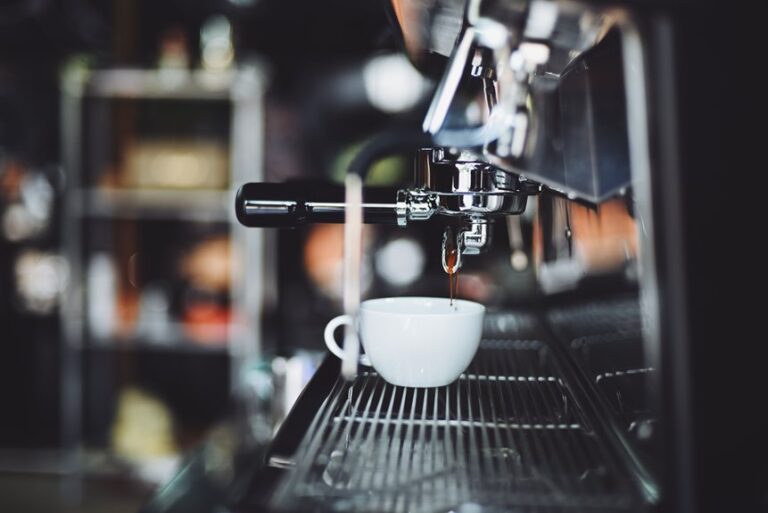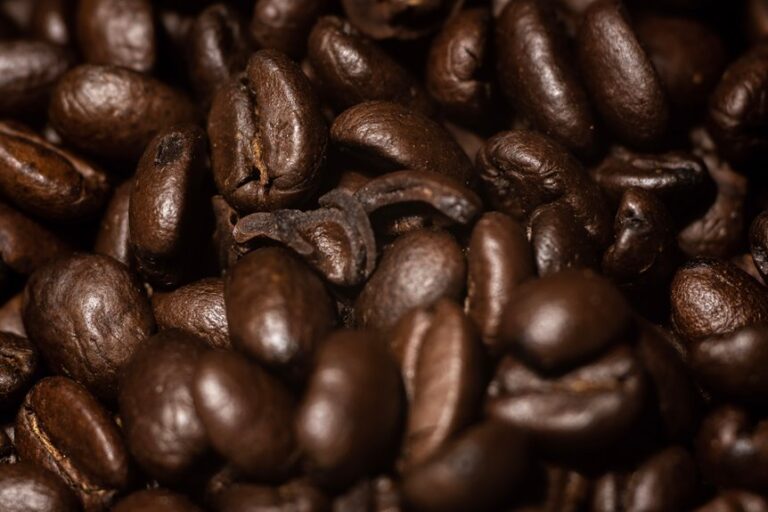

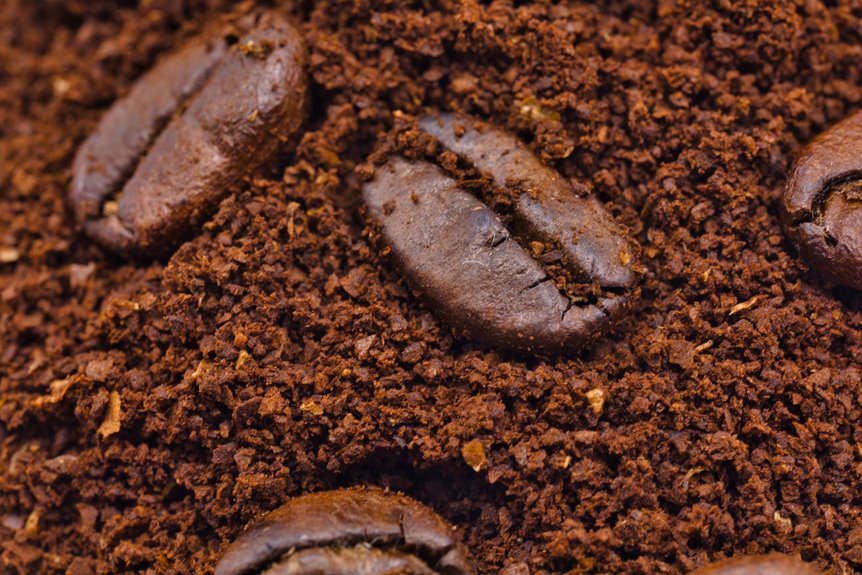
Grind size directly controls how much flavor the water extracts from coffee grounds. Finer grinds speed extraction, producing brighter, more concentrated flavors and a risk of bitter over-extraction. Coarser grinds slow extraction, yielding softer, cleaner cups that can taste thin if under-extracted. Consistent particle size helps achieve a balanced brew and repeatable results. Small adjustments to grind offer one of the most effective ways to tune strength, acidity, and body in a cup.
How Grind Size Changes Coffee Flavor
Grinding your coffee beans changes more than just how fast they brew. Whenever you choose a finer grind, you give hot water more contact with the coffee, so it pulls out sharper notes and brighter acidity clarity. That can make your cup feel lively and easy to read, almost like the flavors are speaking up together.
Should you use a coarser grind, water moves through more gently, and you get a softer cup with a rounder texture mouthfeel. You might notice the sweetness feels calmer, while bold edges fade a little. So, as you adjust grind size, you guide how your coffee tastes in your mug. That small choice helps you shape a cup that feels more like yours, and that’s a pretty good feeling before your initial sip.
Why Grind Consistency Matters
Whenever your coffee grounds stay close in size, the water can move through them more evenly.
That even particle size helps you pull balanced flavor instead of harsh, sour, or muddy tones.
Even Particle Size
Even though your coffee beans are fresh and your brew method is solid, uneven grounds can still throw the whole cup off. You want uniform particles because they help every bit of coffee meet water in a similar way.
Whenever some pieces are too fine and others are too large, you might notice a brew that feels jumpy and hard to trust. That’s why grind control matters for your daily routine and for the people you share it with.
Simple sieving techniques can help you check particle spread and spot trouble fast. With even grounds, you obtain a steadier grind profile, and your cup tastes more like the coffee you hoped for.
That small change can render your morning feel calmer and more connected.
Balanced Extraction
Balanced extraction starts with grind consistency because your coffee can only taste as steady as your grounds behave. Whenever the particles match, you help water move evenly, and you avoid the sad mix of sour and bitter tones. That balance makes your cup feel welcoming, not confusing.
- You keep the brew ratio working the way you planned.
- You control extraction duration with less guesswork.
- You pull more sweetness from the grounds.
- You reduce sharp spots that can throw off flavor.
How Grind Size Affects Extraction
Grind size quietly shapes how much flavor your coffee gives up in the brew, and that’s why it matters so much.
Whenever you choose a finer grind, you create more surface area, so water works faster and pulls out flavors quickly. That higher extraction rate can make your cup bright and lively, but too much can turn it harsh.
A coarser grind slows the process, and you might taste a softer, lighter cup.
Your particle distribution also matters, because uneven pieces extract at different speeds and leave you with a mixed, confusing brew. So, whenever you grind, aim for consistency. You’ll give your coffee a better chance to taste balanced, clear, and welcoming, just like the cup you hoped for.
Coarse Coffee Grind for French Press
A coarse grind gives you the chunky grounds a French press needs, so water can move through them without pulling too much bitterness.
If you use this size, you help the coffee brew evenly, which gives you a smoother cup and less sludge in your mug. For the best results, use hot water, stir gently, and press slowly so you can bring out rich flavor without making the coffee harsh.
Why Coarse Grind Matters
Whenever you use a coarse grind for French press, you give the coffee room to breathe instead of forcing it to fight through tiny particles. That wider size helps you avoid particle clustering, so water can move through the grounds in a steady way. It also cuts brewbed channeling, which can leave some coffee weak and some too harsh.
- You get a cleaner, fuller cup
- You keep sediment from taking over
- You help water touch each grind more evenly
- You make your French press feel easy and welcoming
Whenever you choose that rough texture, you join a simple ritual that many coffee lovers trust. So, in case you want a cup that feels balanced and friendly, coarse grind is your best companion.
French Press Extraction Tips
Fine, even coarse French press coffee needs a little care provided you want it to taste warm, rich, and balanced.
You belong at the center of that process. Start with fresh beans and grind them evenly, so water can move through without pulling harsh notes. Keep temperature control steady, around 200°F, because boiling water can scorch the grounds.
Next, pour slowly and wet every piece of coffee, then give it a gentle stir. That small move helps the flavor bloom without making the cup muddy.
Watch your steep time too. Four minutes usually works well, but you may adjust a little should your brew feel too sharp or too heavy.
At the moment you press, do it slowly. You’ll get a cleaner cup and a calmer morning.
Medium Coffee Grind for Drip Brewers
Most often, a medium coffee grind gives drip brewers the balance they need to shine. You’ll fit right in whenever you use it, because this grind helps water move at a steady pace and keeps your cup smooth.
For the best drip brew, match your brew ratio and water temperature to the grind, so every sip feels calm and familiar.
- Aim for grains like table salt.
- Keep your filter basket evenly filled.
- Taste for a clean, steady finish.
- Adjust one step at a time.
Whenever you change the grind, you change how your coffee welcomes you back each morning. Should it taste weak, go a touch finer. Should it feel harsh, go a bit coarser.
That small tweak can turn your brew into a comforting routine you’ll want to share.
Fine Coffee Grind for Espresso
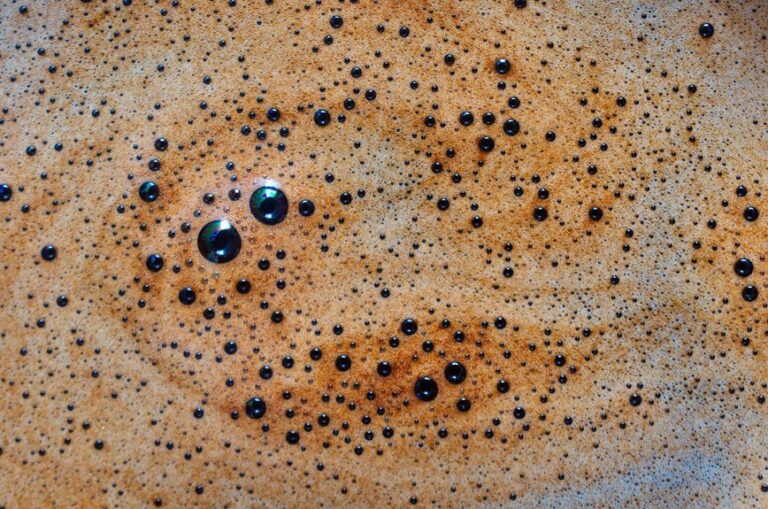
Provided that medium grind makes drip coffee feel steady and easy, a fine coffee grind takes that same care and turns it into the bold pull of espresso. You join a craft that rewards closeness, because tiny particles let hot water meet more surface fast. That quick contact supports espresso freshness and helps crema development, so your cup looks rich and tastes lively.
| Grind feel | Espresso result |
|---|---|
| Powdery, soft | Fast extraction |
| Even and tight | Fuller body |
| Freshly ground | Brighter aroma |
| Packed with care | Golden crema |
When you use this size, your shot can feel silky and strong, not thin or harsh. You’re not chasing perfection alone; you’re shaping a drink that welcomes you back with every small, confident pour.
How To Match Grind Size to Your Brewer
Your brewer sets the stage for how your coffee should taste, so the grind has to fit the method you use.
A French press needs a coarse grind, while pour-over and drip brewers usually work best with a medium grind, because each one pulls flavor at a different pace.
Whenever you match grind size to your brewer, you give yourself a much better shot at a balanced, satisfying cup.
Brewer Types And Grind
Once you match your grind to your brewer, coffee starts to feel a lot less mysterious and a lot more rewarding.
You’re part of a crowd that wants each cup to land right, and your grinder helps you get there.
Different brewers ask for different textures, so your choice matters.
- Drip machines like medium grind
- French press needs coarse grind
- Espresso calls for fine grind
- Pour over often likes medium fine
If you single dosing, you can switch beans without much fuss, and better grind retention helps keep each batch fresh and steady.
That means fewer surprises and more cups that taste like you hoped.
Whenever you learn your brewer’s needs, you make coffee feel personal, calm, and a little more like home.
Matching Grind To Method
Now that you know different brewers ask for different grind sizes, the next step is learning how to match that texture to the cup you want.
Start by tasting your brew and noticing balance. Should it feels sour, go finer. In case it tastes bitter or slow, go coarser.
You belong in this process, because small changes can make your coffee feel more personal and satisfying.
Watch grind retention in your grinder, since stale grounds can blur the flavor you’re chasing.
Then make a small dose adjustment provided the brew runs too fast or too dense.
Match pour over with medium fine, French press with coarse, and espresso with very fine.
Once you track each change, you build confidence and find your rhythm.
Why Freshly Ground Coffee Tastes Better
A fresh grind can wake up coffee in a way that stale grounds simply can’t. You get brighter aroma preservation, and the cup feels more alive because volatile compounds escape fast after grinding. That matters whenever bean age starts to dull the taste, and whenever roasting impact has already shaped the flavor inside the bean.
- You smell more of the coffee you chose.
- You taste clearer notes, not flat edges.
- You join the brew with confidence.
- You enjoy each cup while it still feels close to the roast.
Take note: you grind right before brewing, you protect the character your beans worked to give you. That small habit helps you feel like you belong to the people who really savor coffee, not just drink it.
Why Burr Grinders Beat Blade Grinders
Because burr grinders cut beans into even pieces, they give you a far more reliable cup than blade grinders do. You’ll taste clearer tones because each particle brews at a similar pace. Blade grinders smash beans unevenly, so some bits overextract while others stay weak. Burrs also make less grinding heat, which helps protect delicate flavor.
| Burr grinders | Blade grinders |
|---|---|
| Even size | Uneven size |
| Cooler grind | More heat |
| Steadier flavor | Mixed flavor |
| Better control | Less control |
| Less static cling | More mess |
When you join the burr-grinder crowd, you’re choosing a smoother routine and a cup that feels like it fits your day. You’ll spend less time chasing balance and more time enjoying coffee that tastes like it belongs in your kitchen.
Common Coffee Grind Mistakes
Even with a great burr grinder, a few small mistakes can still throw off your coffee. You’re not alone provided your cup tastes harsh or flat. Small grind errors happen to everyone, and they’re easy to miss.
- You grind too fine, which can invite over extraction pitfalls.
- You grind too coarse, so water rushes through and leaves weak flavor.
- You skip cleaning, and old grounds cling to the burrs.
- You ignore uneven tamping, which can make water flow unevenly.
When you spot these habits, you can fix them without stress. Your coffee group will notice the difference too, because each cup starts to feel more balanced and welcoming. A few careful changes help you brew with more confidence and less guesswork.
How To Dial In Your Coffee Grind
Start via tasting your coffee with one small grind change at a time. You don’t need to fix everything at once, and that’s a relief. Keep your brew ratio steady, then move the grinder one click finer or coarser.
In case the cup tastes sour or thin, grind finer. Should the cup feel bitter, dry, or muddy, go a touch coarser. After each change, brew again and observe the flavor, body, and finish.
This simple taste dialing helps you learn your beans instead of fighting them. You’ll also feel more at home with the process because every cup gives you a clear clue. Stay patient, trust your palate, and keep your notes nearby. Small steps build big confidence, and your coffee starts to feel like yours.
Frequently Asked Questions
Does Coffee Grind Size Affect Caffeine Content?
Yes, your grind size can shift caffeine content, like a key releasing more from each bean. With proper grind calibration, you enhance extraction efficiency, so you will share in a stronger cup with your coffee crew.
Can Grind Size Change Coffee’s Aroma?
Yes, your grind size can change coffee’s aroma: finer grinds enhance aroma diffusion, while coarser grinds support volatile preservation. You’ll notice a richer scent that helps you feel part of a brewing community that cares.
How Does Humidity Impact Coffee Grinding?
Humidity makes your grind clump and shift; even 60% relative humidity can noticeably alter particle flow. You’ll taste more consistency whenever you manage Roast Interaction and prioritize Grinder Maintenance because your brew tribe deserves dependable flavor.
Should I Grind Beans Differently for Cold Brew?
Yes, you should grind coarser for cold brew. You’ll notice a coarse difference that enhances grind clarity, keeping bitterness low and body smooth. You’re not alone; this choice helps your brew taste cleaner and more balanced.
Can Stale Coffee Still Taste Good if Ground Finely?
Yes, you can make stale coffee taste better if you grind it finely, but you will not revive lost flavor. With good storage methods and a smart brewing adaptation, you will still enjoy a welcoming cup.