
Drink roasted coffee best after a short rest: most beans taste best 2–7 days post-roast. Light roasts often need 5–7 days to mellow and develop sweetness. Medium roasts usually shine around 3–5 days as gases dissipate and acids balance. Dark roasts can be ready within 1–3 days because oils surface and flavors stabilize faster. Brew method matters too: espresso and pour-over highlight different flavor timing, so adjust rest a few days depending on extraction style.
How Long to Wait Before Brewing Coffee?
So, how long should you wait before brewing coffee? You can usually start around 24 to 72 hours after roasting, and that window helps you get a balanced cup without rushing it.
Should you brew too soon, you might taste sharp, fizzy notes that can feel a little rough. Waiting a bit gives you more control over grind timing, since the beans settle and your grinder behaves more predictably. It also helps water chemistry work in your favor, so extraction feels cleaner and sweeter.
For many home brewers, 3 to 7 days is a friendly target. You don’t need to guess alone, either. Start with a fresh batch, taste, and adjust. That way, you’ll find the sweet spot that feels right for your setup.
Why Coffee Needs Time to Rest
Coffee needs time to rest because roasting leaves a lot happening inside each bean. You’re not being picky when you wait; you’re giving the coffee room to settle into itself. During this pause, flavor stabilization helps the cup taste smoother, and gas release dynamics stop crowding the brew with sharp edges.
- Your coffee can taste less sour and more balanced.
- The aroma often feels clearer and more inviting.
- The brew might show the flavors you were hoping for.
That short rest helps you and your coffee get on the same team. Should you share a fresh roast too soon, it can seem loud and uneasy. Give it a little patience, and you’ll generally feel more at home in the cup.
What Happens as Coffee Degasses
As roasted coffee rests, the beans continue releasing gas, and that quiet escape changes the cup in a big way.
You’ll notice the bloom slow down as carbon dioxide leaves the grounds and the water can reach more flavor. In the beginning, that gas can push away water, so your brew might taste sharp or uneven. As it fades, acidity evolution becomes smoother, and the bright notes feel easier to enjoy.
At the same time, aroma stabilization helps the scent settle, so you can catch the sweeter, fuller parts instead of a rushed burst.
Should you brew with patience, you’re giving your coffee room to relax. That’s the magic of degassing: it allows your cup feel more balanced, more open, and more like home.
How Roast Level Affects Rest Time
Lighter roasts usually need a little more rest, because they hold onto gas longer and can taste sharp should you rush them.
You’ll notice that darker roasts settle sooner, since heat opens the bean more and lets flavors calm down faster.
In case you love single origin freshness, give the coffee extra time so the bright notes can feel smooth instead of edgy.
- Light roast: often benefits from a longer wait
- Medium roast: usually finds balance in the middle
- Dark roast: often feels ready sooner
When you use cupping protocols, you can compare each roast level fairly and spot the sweet window with confidence.
That way, you’re not guessing.
You’re joining the people who drink coffee at its best.
How Brew Method Changes the Wait Time
Brew method can change that resting window just as much as roast level does, so the same beans could taste best at very different times depending on how you make them.
Whenever you brew espresso, you usually want coffee after a shorter rest because pressure pulls flavor fast. With pour-over or drip, a little more time can help the cup settle and taste cleaner.
Should you use French press or cold brew, you might notice the beans stay lively longer, because longer contact with water softens sharp edges.
Your grind evolution matters too, since a fresh grind can seem brighter right away. Also, water chemistry shapes how those flavors show up. So you’re not behind; you’re simply matching the beans to your brew style.
When Light Roast Coffee Is Ready
Light roast coffee needs a little patience after roasting because it keeps releasing gas as it settles.
You’ll usually get the best flavor whenever you wait until that sharp, grassy edge softens and the cup starts tasting brighter and more balanced.
Once that degassing slows, you can brew it at the sweet spot and enjoy what the beans were really trying to say.
Light Roast Degassing
Even after a roast looks cool and ready, it still needs time to settle before it tastes its best. With light roast coffee, you usually notice strong acidity evolution during the initial days, so patience helps the cup feel brighter, not harsh. Good airflow control during roasting also matters, because it lets gases leave more evenly and supports cleaner flavor.
- Day 1: the beans can taste sharp and restless.
- Days 2 to 4: the scent softens, and the cup starts to open.
- Days 5 to 10: you often feel the roast relax and become friendlier.
You don’t need to guess alone. Should your coffee smells less fizzy and pours with a calmer aroma, you’re getting closer to a cup that feels balanced and welcoming.
Best Brew Window
The sweet spot for light roast coffee usually arrives after the initial restless days have passed and the beans have had time to settle. You’ll notice the best brew window once grind evolution starts to feel steady, and aroma development turns brighter, sweeter, and more layered. Should you brew too soon, the cup can taste sharp or flat. Were you to wait a bit longer, you’ll get a clearer, friendlier profile that feels like your beans finally joined the room.
| Time after roast | What you might notice |
|---|---|
| 3 to 5 days | Uneven flavor, lively gas |
| 7 to 14 days | Balanced sweetness, cleaner cup |
| 2 to 4 weeks | Softer edges, fuller aroma |
Trust your senses, because your coffee will tell you once it’s ready, and you belong in that conversation.
When Medium and Dark Roasts Peak
Brewing a medium or dark roast at the right moment can make a big difference in how it tastes and how it makes you feel. You’ll usually notice the best peak after the initial few days, once harsh edges calm down and the cup feels fuller. Look for freshness markers like a softer aroma, less gas, and a smoother finish. That’s whenever more flavor compounds show up clearly, so you get chocolate, nut, or caramel notes without the sharp bite.
- Medium roasts often taste brightest around day 5 to 10
- Dark roasts can shine a little sooner, around day 3 to 7
- Your own taste matters most, so trust each sip
How to Store Coffee While It Rests
In the quiet gap before coffee reaches its best flavor, storage matters just as much as timing. You want to keep the beans calm, dry, and sealed, so their rest feels safe, not stressful. Use airtight containers and keep them away from light, heat, and strong smells.
A pantry shelf or cupboard works well for most batches, because steady room temperature helps the coffee settle nicely. Should you buy a large roast, split it into smaller containers so you open only what you need. That simple move keeps the rest fresher longer.
Skip fridge storage, since cold air and moisture can make flavors fade fast. Whenever you handle your coffee this way, you give yourself a better shot at that warm, welcoming cup.
Signs Your Coffee Is Ready to Drink
Watch your coffee closely, and you’ll start to notice once it’s truly ready to drink. You’ll feel at home with the initial signs because they show your beans have settled.
- The aroma development turns warm, sweet, and clear.
- The grounds stop giving off sharp, grassy notes.
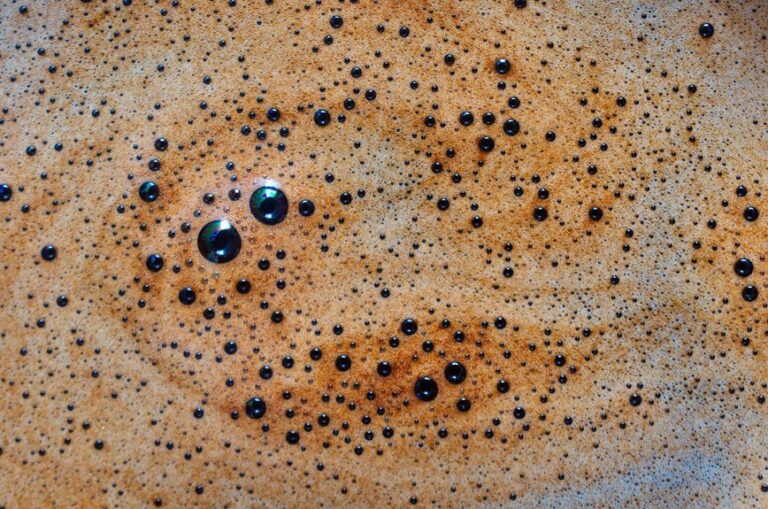
- Crema formation looks steady and thick in espresso.
- The flavor tastes balanced, not edgy or sour.
Next, trust your nose and cup. Whenever the smell opens up and the sip feels smooth, your roast has likely rested enough.
You don’t need perfection here, just a cup that feels calm and inviting. Provided the coffee still tastes loud or flat, give it a little more time. Soon enough, you’ll know the difference, and that confidence makes every brew feel like your own little coffee club.
Frequently Asked Questions
Can You Drink Coffee Straight After Roasting?
No; about 80% of coffee’s CO2 escapes in the initial 24 hours, so you’ll taste harshness. You can sip it, but immediate degassing and surface oils make the brew bubbly, unstable, and less welcoming.
Does Grind Size Affect Coffee Freshness?
Yes, grind size affects your coffee’s freshness because it increases grind retention and changes particle distribution. You’ll taste more flavor if you grind right before brewing, helping you feel part of the freshest coffee crowd.
Is Freezing Roasted Coffee a Good Idea?
Like a time capsule, freezing roasted coffee can help if you seal it well; it is better for flavor preservation than freezer myths suggest. You will keep your beans fresher, and your coffee loving crew will thank you.
How Long Do Roasted Coffee Beans Stay Fresh?
You’ll get peak freshness for about 2 to 4 weeks after roasting, though sealed beans can keep their aroma retention longer. After that, chemical changes dull flavor, but you’re still part of the coffee loving crowd.
Can Roasting Date Replace the Use-By Date?
No, roasting date is not a full substitute; it is your compass, not the map. You will still want roast labeling for freshness and shelf longevity, because use-by dates help you trust you are brewing with your community’s best beans.