
A great coffee grind to water ratio for 2026 starts with the brew method you use. Espresso works best with a fine grind and a tighter ratio.
Pour-over, French press, and cold brew do better with medium to coarse grinds and more water. The right balance can take coffee from harsh or weak to smooth and full of flavor.
| Grinds Caramel Coffee Pouches (3 Cans) |  | Best Energy Boost | Coffee Type: Coffee-based pouches | Flavor Profile: Caramel | Grind Settings: Not applicable | VIEW LATEST PRICE | Read Our Analysis |
| OXO Brew Compact Conical Burr Coffee Grinder |  | Best Compact Grinder | Coffee Type: Burr coffee grinder | Flavor Profile: Neutral | Grind Settings: 15 settings | VIEW LATEST PRICE | Read Our Analysis |
| AMZCHEF Single Dose Coffee Grinder with 75 Settings | Best Precision Pick | Coffee Type: Single-dose coffee grinder | Flavor Profile: Neutral | Grind Settings: 75 settings | VIEW LATEST PRICE | Read Our Analysis | |
| Third Wave Water Dark Roast Profile 12-Pack |  | Best For Dark Roast | Coffee Type: Water minerals for coffee | Flavor Profile: Dark roast | Grind Settings: Not applicable | VIEW LATEST PRICE | Read Our Analysis |
| MOKKOM 64mm Flat Burr Coffee Grinder with Timer |  | Best High-Capacity Grinder | Coffee Type: Burr coffee grinder | Flavor Profile: Neutral | Grind Settings: 100 settings | VIEW LATEST PRICE | Read Our Analysis |
More Details on Our Top Picks
Grinds Caramel Coffee Pouches (3 Cans)
Should you want coffee energy without brewing a single cup, Grinds Caramel Coffee Pouches could be the right fit for you. You get three cans, each packed with 18 moisture-locked pouches that stay dry, cleaner, and longer lasting. The caramel flavor tastes a bit sweeter than the original, so it feels friendly if you’re new or already loyal. Since the caffeine comes from coffee, not nicotine, you get a clean energy lift. Each pouch gives about 20 to 25 mg, and one can equals 4 to 5 cups. Returns on unopened cans help you feel safer, too.
- Coffee Type:Coffee-based pouches
- Flavor Profile:Caramel
- Grind Settings:Not applicable
- Capacity:18 pouches/can
- Precision:20–25mg caffeine
- Portability:On-the-go pouch
- Additional Feature:Nicotine-free formula
- Additional Feature:Moisture-locked dry pouch
- Additional Feature:Exchange label available
OXO Brew Compact Conical Burr Coffee Grinder
The OXO Brew Compact Conical Burr Coffee Grinder is a smart pick should you want café-style control in a small space, especially whenever you’re trying to dial in the best coffee grind to water ratio for a cleaner, more balanced cup. You get 15 settings and 29 micro-adjustments, so you can move from fine to coarse with confidence. Its stainless steel conical burrs help keep your grind even, which supports better flavor. The 50 gram hopper suits about 6 cups, and the compact body stores easily. Cleanup feels simple, too, since the burrs come out.
- Coffee Type:Burr coffee grinder
- Flavor Profile:Neutral
- Grind Settings:15 settings
- Capacity:50g hopper
- Precision:29 micro-adjustments
- Portability:Compact countertop size
- Additional Feature:Removable burrs
- Additional Feature:Tritan Renew containers
- Additional Feature:Cord wraps neatly
AMZCHEF Single Dose Coffee Grinder with 75 Settings
AMZCHEF’s Single Dose Coffee Grinder with 75 settings is a smart pick if you want more control over your coffee grind to water ratio without making the process feel fussy. You get 75 stepless choices, so you can dial in espresso, pour-over, French press, or cold brew with ease. Its 40mm forged burr helps you pull a more even grind, which supports better extraction. Low retention and the magnetic outlet keep waste down, while anti-static tech cuts clumps and mess. The quiet motor, timed dosing, LED light, and fresh storage add comfort, clarity, and confidence.
- Coffee Type:Single-dose coffee grinder
- Flavor Profile:Neutral
- Grind Settings:75 settings
- Capacity:120g container
- Precision:0.1–0.2g retention
- Portability:Compact single-dose design
- Additional Feature:Anti-static technology
- Additional Feature:60–75dB quiet motor
- Additional Feature:Built-in LED light
Third Wave Water Dark Roast Profile 12-Pack
Should you roast dark and want your cup to taste bold, smooth, and less sharp, Third Wave Water Dark Roast Profile 12-Pack is built for you. You add it to distilled water, and its patented mineral blend guides your brew toward richer flavor with lower acidity. That means your dark roast can keep its deep chocolate notes instead of turning flat or harsh. Since it avoids temporary hardness, it also helps protect your brewer from scale buildup. So as you dial in grind and water ratio, you get cleaner taste, steadier results, and less fuss.
- Coffee Type:Water minerals for coffee
- Flavor Profile:Dark roast
- Grind Settings:Not applicable
- Capacity:12-pack
- Precision:Mineral-balanced
- Portability:Packable water packets
- Additional Feature:Lower acidity
- Additional Feature:Patented mineral blend
- Additional Feature:Limits scale buildup
MOKKOM 64mm Flat Burr Coffee Grinder with Timer
With 64mm flat burrs and 100 grind settings, the MOKKOM 64mm Flat Burr Coffee Grinder with Timer is a strong pick provided you want more control over your best coffee grind to water ratio, especially whenever you brew more than one style at home. You get even grounds for espresso, Turkish, French press, and cold brew, so your cup tastes balanced, not muddy. Its metal body and brass ring keep it steady, while the plasma chute cuts static and mess. Then the LED timer lets you dial doses fast. You can use the big hopper or single-dose setup, and cleaning stays easy.
- Coffee Type:Burr coffee grinder
- Flavor Profile:Neutral
- Grind Settings:100 settings
- Capacity:350g hopper
- Precision:0.1s timer
- Portability:Single-dose option
- Additional Feature:Plasma static control
- Additional Feature:0.1s precision timer
- Additional Feature:Dual hopper system
Factors to Consider When Choosing a Coffee Grind to Water Ratio
When you choose a coffee grind to water ratio, start with grind size because it changes how fast water pulls flavor from the grounds. Then match that ratio to your brew method, roast level, bean freshness, and water temperature so your cup tastes balanced instead of bitter, weak, or just plain confused. Small changes can make a big difference, and that’s good news because you’re not stuck with bad coffee luck.
Grind Size Impact
Grind size has a huge effect on how your coffee tastes because it changes how fast water can pull flavor from the grounds. When you use a finer grind, you expose more surface area, so water works faster and can draw out more taste. If you go too fine for your ratio, the cup can turn bitter and harsh. On the other hand, a coarse grind slows that process down. If it’s too coarse, water rushes through, and you may get a weak, sour, thin brew. Small grind changes can make a big difference, so don’t treat them lightly. The same water-to-coffee ratio can taste very different at fine, medium, or coarse settings. Matching grind size to your brew style helps you keep balance and flavor steady.
Brew Method Choice
Your brew method sets the rules for your coffee grind to water ratio, so it helps to start there instead of guessing. Provided you use French press, you’ll usually want a stronger mix because immersion lets the grounds sit longer. For pour-over, aim near 1:15 to 1:17 so water can move through the bed cleanly and bring out brightness. Espresso works differently. It needs a fine grind and a much lower water ratio because pressure extracts fast from a small dose. Cold brew asks for even more coffee, often 1:4 to 1:8, since time does the heavy lifting. Whenever you change the ratio without adjusting the method, you can end up with sour, bitter, or weak coffee. That’s frustrating, but fixable.
Roast Level Differences
Roast level changes how your coffee behaves in the cup, so it’s worth adjusting your grind to water ratio a little instead of treating every bean the same. Dark roasts are less dense and extract fast, so you should usually use slightly less coffee or a coarser grind to keep bitterness from taking over. If you push the dose too high or grind too fine, the cup can turn harsh fast. Light roasts act differently. They’re denser, so you might need a touch more coffee or a finer grind to pull out sweetness and keep sour notes away. Start with one brew ratio, then nudge it according to roast level only a little. That way, you keep balance, protect flavor, and make each cup taste like it should, not like a roast experiment gone sideways.
Bean Freshness Levels
If beans are very fresh, they can change how water moves through the grounds, so you might need to adjust your coffee grind to water ratio with a lighter touch than usual. Fresh beans often give off extra carbon dioxide, and that gas can slow water contact and make your brew taste uneven if you grind too fine. Try a slightly coarser grind or a little more water to keep things steady. As beans age, they lose aroma and pull less flavor, so you may need a finer grind or a smaller ratio change to avoid a thin cup. You’ll usually get the easiest results within 2 to 4 weeks after roasting, when small tests help you dial in the balance without wasting good beans.
Water Temperature Balance
Water temperature plays a bigger role in your brew than many people expect, because it changes how fast flavor leaves the coffee grounds. Hotter water pulls flavor faster, so you might need a slightly coarser grind or a little less coffee to keep it from tasting harsh. Cooler water works more slowly, so you often need a finer grind, more coffee, or a longer brew time to avoid a weak, sour cup. For best results, keep your water around 195°F to 205°F. When your kettle runs cool, don’t rush to change everything at once. Try grinding finer initially, because that often fixes under extraction faster. Even a 2°F to 5°F shift can change strength, so small tweaks matter.
Frequently Asked Questions
Can Water Temperature Change the Ideal Coffee Grind Ratio?
Yes. Water temperature can change your ideal grind ratio because hotter water pulls flavor faster, so you may need a coarser grind or a little more water. Cooler water pulls flavor more slowly, so a finer grind often works better.
Does Roast Level Affect Grind-To-Water Measurements?
Yes, roast level changes grind to water measurements. Darker beans usually bloom faster and extract more quickly, while lighter roasts often need a finer grind or a bit more water. Make small adjustments and taste the results.
How Do Pour-Over and French Press Ratios Differ?
Pour-over typically uses about 1:15 to 1:17 coffee to water, which produces a cleaner cup. French press usually uses about 1:12 to 1:15, giving a fuller, heavier brew.
Can I Use the Same Ratio for Cold Brew?
Yes, you can, but it is not a good match. Cold brew usually asks for a much coarser grind and a heavier coffee to water ratio. If you use pour over proportions, the result is often thin or cloudy.
Should I Adjust Ratios for Flavored Coffee?
Yes, you should adjust ratios for flavored coffee because syrups and added oils can mute the coffee’s strength. Try brewing it a bit stronger, then taste and fine tune until it suits your preference.
Final Thoughts
Your coffee can feel like a small daily victory or a tiny disappointment. The good news is that the fix is often simple. If you match your grind size to your brew method and keep your water ratio steady, you can unlock a sweeter, fuller cup. In 2026, the best results still come from a basic truth that holds up every time. When grind and water work together, your coffee stops guessing and starts shining.
Start with the ratio, then adjust the grind
The best coffee grind to water ratio depends on how fast water can pull flavor from the grounds. That is the heart of the theory, and it really does matter. Finer grinds expose more surface area, so water extracts flavor fast. Coarser grinds slow that process down. If you ignore that link, your cup can taste bitter, thin, or uneven.
A strong starting point is this:
- Drip and pour-over: 1 to 16 or 1 to 17
- French press: 1 to 15 or 1 to 16
- Espresso: about 1 to 2 or 1 to 2.5
- Cold brew: 1 to 4 or 1 to 8, depending on strength
- AeroPress: 1 to 14 to 1 to 17, based on recipe
These numbers give you a stable base. From there, you can change grind size a little at a time until the cup tastes right to you.
Why grind size changes flavor so much
Coffee extraction is really a timing game. Water takes what it can from the grounds, and then it stops. If your grind is too fine for the method, water can pull too much too fast. That often creates harsh, bitter coffee. If your grind is too coarse, water may not pull enough flavor. Then the cup can taste weak, flat, or sour.
That is why the old theory still holds up so well. The right grind does not just improve taste. It also helps the same coffee beans taste more consistent from one brew to the next. That can feel surprisingly comforting whenever you want your morning cup to be steady, not random.
Match grind size to your brew method
Now that the ratio makes sense, the grind choice becomes easier. Each brew method asks for a different speed of extraction. Once you see that, the whole process feels less mysterious.
Espresso needs a fine grind
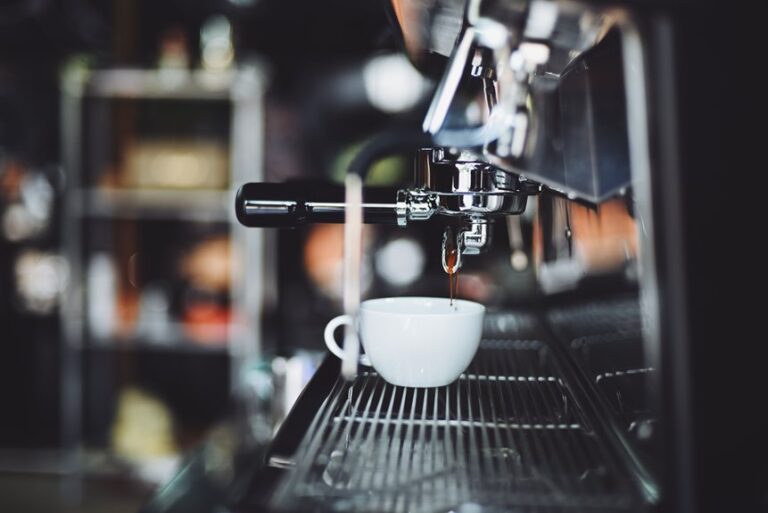
Espresso uses pressure and a short brew time. Because water moves through the coffee fast, you need a fine grind to create enough resistance and enough flavor. If the grind is too coarse, the shot can run fast and taste sour or weak.
A good espresso grind should feel like fine table salt or a little finer, depending on your machine and beans. Small changes matter here. Even one click on a grinder can change the taste a lot.
Pour-over works best with medium to medium-fine grind
Pour-over methods like V60, Kalita, and Chemex need a balanced grind. Medium to medium-fine usually gives you a clean, bright cup. Water can move through at a fair pace, but not so fast that the flavor falls apart.
Whenever your pour-over tastes sharp or watery, try a slightly finer grind. If it tastes bitter or slow to drain, go a little coarser. This small back-and-forth often brings the most relief, especially whenever your brew has been letting you down.
French press needs a coarse grind
French press uses full immersion, so the coffee sits in water longer. That means you need a coarse grind to avoid over-extraction. Think of sea salt or coarse breadcrumbs.
Whenever you use a fine grind in a French press, the cup can turn muddy and bitter. It can also create more sludge at the bottom, which no one asked for. A coarse grind keeps the brew smoother and easier to enjoy.
Cold brew needs a very coarse grind
Cold brew soaks for many hours, so it needs the coarsest grind of the group. Because the water stays in contact with the coffee for so long, a fine grind would over-extract and make the brew harsh.
A coarse grind gives cold brew its soft, mellow feel. It also makes straining easier and helps keep the final drink cleaner.
Drip coffee likes a medium grind
Whenever you use an automatic drip machine, medium grind is usually the safest place to start. It works well with the average brew basket and gives you a balanced cup. If the coffee tastes weak, the grind may be too coarse. If it tastes bitter, try moving a bit coarser.
Use your grinder to make small, smart changes
A good grinder matters just as much as the ratio itself. That is why the products in this article’s outline all point to the same idea: control helps you brew better.
The OXO Brew Compact Conical Burr Coffee Grinder gives you a simple way to improve everyday coffee. Burr grinders make more even grounds than blade grinders, and that helps water extract more evenly.
The AMZCHEF Single Dose Coffee Grinder with 75 Settings gives you finer control. That can help whenever you switch between pour-over, espresso, and other methods. More settings mean you can make smaller changes without overshooting the taste you want.
The MOKKOM 64mm Flat Burr Coffee Grinder with Timer adds another layer of consistency. A timer helps you keep dose size steady, which matters because ratio only works when the amount of coffee stays the same from brew to brew.
Even Grinds Caramel Coffee Pouches can fit into the conversation whenever you want coffee convenience with a more controlled experience. Whenever coffee is already portioned, it becomes easier to keep your ratio steady and remove one more variable from the process.
Water matters more than most people think
You can use the right grind and still get a flat cup whenever your water is off. Water is not just a delivery tool. It is part of the flavor.
Use water heated between 195°F and 205°F for most hot brews. That range helps pull flavor without burning the coffee. Whenever the water is too cool, extraction can fall short. Whenever it is too hot, the cup may taste harsh.
Mineral-balanced water also makes a real difference. That is where Third Wave Water Dark Roast Profile 12-Pack can help. Balanced minerals support better extraction and can make coffee taste smoother and richer. This is especially helpful whenever your tap water is too soft or too hard.
Build a ratio that fits your taste
The “best” ratio is not only about numbers. It is also about what you want in the cup. Some people want a bold, rich brew. Others want a lighter, cleaner taste. The grind and ratio should work together to match that choice.
Try this simple approach:
- Start with the common ratio for your brew method
- Brew with the correct grind size
- Taste the coffee while it is still warm
- Adjust grind before changing the ratio
- Change only one thing at a time
That last step saves a lot of frustration. Whenever you change grind, dose, and water all at once, it becomes hard to know what fixed the problem. Small, calm changes give you better results and less coffee drama.
Signs your ratio or grind needs adjustment
Your cup will usually tell you what went wrong. You just need to listen.
Whenever coffee tastes bitter, dry, or too strong, the grind may be too fine, the brew may be too long, or the ratio may be too coffee-heavy. Whenever it tastes sour, thin, or watery, the grind may be too coarse, the brew may be too short, or the ratio may be too water-heavy.
Here are a few quick clues:
- Bitter and harsh often means finer than needed
- Sour and weak often means coarser than needed
- Muddy and heavy often means too fine for immersion brewing
- Flat and dull often means the water, grind, or ratio needs a reset
These signs are not failures. They are clues. Once you start reading them, your brewing gets easier and more rewarding.
A simple 2026 brewing mindset
In 2026, the best coffee results still come from a few basic habits. Use fresh beans. Match grind to brew method. Keep your ratio steady. Use water in the right temperature range. And don’t ignore water quality.
That may sound plain, but it works. In fact, that plainness is what makes it powerful. Coffee does not need to be complicated to be excellent. It just needs the parts to line up.
Very short ending
You don’t need a perfect setup to make great coffee. You need a smart ratio, the right grind, and water that helps instead of hurts. Whenever you trust that simple theory, your cup becomes more stable and more joyful. Start small, taste honestly, and adjust with patience. Your best brew is closer than you think, and it’ll feel better whenever you earn it.