
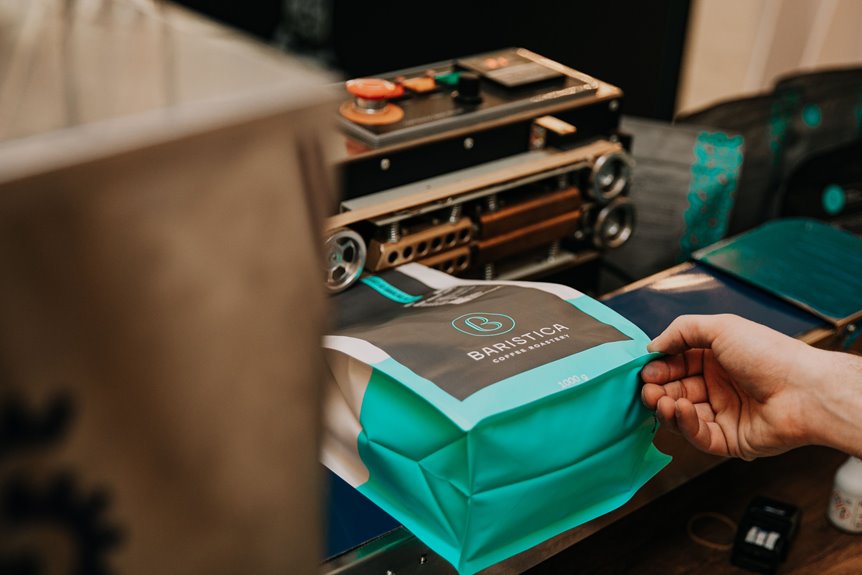
When you buy coffee, the packaging plays a vital role in preserving its freshness. It protects the beans from air, light, and moisture, which can quickly diminish flavor. Quality packaging also keeps the fresh gases inside, ensuring the taste remains vibrant. That burst of aroma you experience upon opening a bag highlights how essential materials and design are. The right packaging is key to enjoying your coffee at its best.
What Coffee Packaging Does for Freshness
Once you open a good bag of coffee, freshness starts to slip away fast, so packaging has to do more than just hold the beans. It helps protect coffee flavor and keep aroma retention strong, which matters at the moment you want each cup to feel familiar and comforting.
A well-made bag gives your coffee a stable home, and that can make you feel like you’ve brought a little café ritual into your own kitchen. It also supports the beans during storage, so they stay ready for brewing instead of losing their lively character.
With the right package, you don’t have to worry as much about your favorite roast feeling flat. Instead, you can trust the bag to help preserve the taste and scent you look forward to every day.
How Air, Light, and Moisture Damage Coffee
Even the best coffee can lose its charm whenever air, light, and moisture get in the way. Once you open a bag, oxygen starts working fast, and the oxidation effects can flatten the aroma you love.
Light adds its own trouble through breaking down delicate oils, so your cup can taste dull or stale. Then moisture sneaks in and speeds up spoilage, making the grounds clump and lose their bright character.
That’s why moisture control matters so much in your daily routine. You want every sip to feel welcoming, rich, and familiar, not tired or bitter.
Best Materials for Coffee Packaging
Upon selecting coffee packaging, you want a barrier material that blocks air, light, and moisture so your beans stay fresh longer.
Foil, kraft with a liner, and multilayer films each offer different levels of protection, so you can match the material to your storage needs.
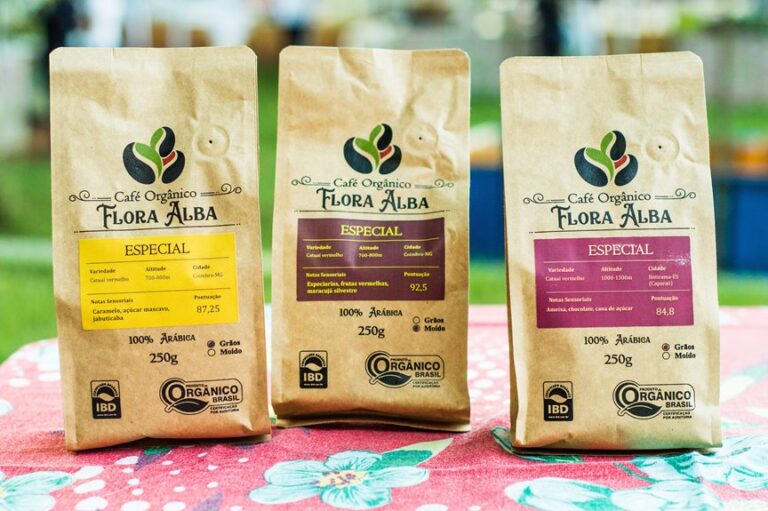
You’ll also want a one-way valve and a tight seal, because they help gas escape without letting freshness slip away.
Barrier Material Types
The right barrier material can make a big difference in how fresh your coffee stays, because coffee beans and grounds are quick to pick up air, moisture, light, and odors.
Once you choose packaging, consider foil versus plastic initially. Foil provides strong protection from light and gas, so it helps your coffee maintain its lively smell. Plastic feels lighter and costs less, but it usually blocks less.
Should you want a greener feel, biodegradable options can work well, yet you still need to check their barrier strength. You’re part of a coffee group that cares about flavor, so your package should match that care.
A smart barrier keeps your coffee tasting like it should, and that makes every cup feel worth sharing.
Valve and Seal Options
A great valve does quiet work, and your coffee depends on it more than you might realize. You want valve technology that lets fresh roast gases escape while blocking outside air from sneaking in. That balance keeps your beans lively and your kitchen smelling like a happy café, not a stale pantry.
Next, check seal integrity, because even the best valve can’t save a bag with a weak seam or a sloppy closure. Whenever you choose heat seals, zipper seals, or foil layers, you protect aroma and flavor with care you can feel.
Why Valve Bags Preserve Coffee Flavor
Because coffee starts losing its best flavor as soon as air reaches it, valve bags play a big role in keeping each bag tasting fresh.
You get stronger flavor retention because the one-way valve lets built-up gas escape without letting outside air rush in. That matters right after roasting, as beans give off carbon dioxide and need safe gas release.
Should that gas stay trapped, the bag could swell, but the valve keeps the seal calm and steady. So you and other coffee lovers can trust the beans to stay protected from stale odors, extra moisture, and harsh oxygen.
In the end, valve bags help your coffee stay bright, balanced, and ready for the cup you look forward to each morning.
How to Use Resealable Coffee Bags
Once you’ve got coffee in a valve bag, keeping it sealed the right way helps protect all that fresh flavor you worked to preserve. Use the resealable features right after each pour, and press the zipper or fold line until it feels snug.
Should your bag design include a clip or tin tie, close it fully so air can’t sneak in. You don’t need to wrestle with it, just make the seal part of your coffee routine. That small habit keeps your beans feeling like they still belong in your morning cup, not yesterday’s shelf.
Also, check the seal before you set the bag aside. At the moment the closure lines up cleanly, you’re giving your coffee a better chance to stay lively, fragrant, and ready for the next brew.
How to Store Coffee in Its Packaging
Keeping coffee in its original packaging can work well, as long as you treat the bag like part of the storage plan, not just a wrapper. You’re keeping a small coffee crew happy when you seal the bag tightly after each use and press out extra air.
Then place it in a cool, dry cabinet away from light, steam, and strong smells. Good coffee storage starts with steady conditions, so avoid moving the bag around too much.
Should the package have a one-way valve, leave it alone because it helps freshness stay on track. These simple packaging techniques help your beans stay vivid and ready for your next cup.
And in case you share your kitchen with others, label the bag so everyone knows it belongs to the coffee zone.
Common Coffee Packaging Mistakes to Avoid
You can protect your coffee best whenever the bag uses strong barrier materials that block air, light, and moisture.
In the event that the package feels flimsy or lets odors sneak through, your beans lose freshness faster than you’d like.
You should also watch the seal, because a weak or messy closure can let in air and turn good coffee flat before you know it.
Poor Barrier Materials
Poor barrier materials can ruin great coffee long before the bag looks empty. You deserve beans that stay lively, not flat and tired. Whenever the inner layer has poor insulation, air, light, and moisture slip in fast, and your coffee loses sweetness and aroma.
That’s why packaging durability matters so much. A sturdy film helps protect the beans during shipping, storage, and daily handling, so your bag can do its job without drama.
Still, not every thick bag works well. You want materials that block outside damage and keep the roast safe from the moment it’s packed.
As soon as you choose better barriers, you join a group of coffee lovers who value every sip. That small upgrade can make each cup feel fresher, warmer, and more welcoming.
Improper Seal Design
Even the best barrier material can fall short whenever the seal lets air sneak in at the seams.
Whenever you choose coffee packaging, you need seal integrity that keeps your beans safe and your customers feeling part of something fresh and cared for.
Design flaws show up fast in weak edges, crooked closures, or heat seals that don’t meet cleanly.
- A wrinkled seam can trap tiny gaps.
- A rushed closure can pop open in transit.
- A weak zipper can let aroma escape too soon.
Frequently Asked Questions
How Long Does Unopened Coffee Stay Fresh in Packaging?
Unopened coffee stays fresh for about 6 to 12 months, sometimes longer, depending on coffee shelf life and packaging materials. To keep it fresh, store it in a cool, dark place and keep it sealed until you are ready to brew.
Can Frozen Coffee Bags Keep Flavor Longer?
Yes, you can extend flavor with frozen storage, provided you seal bags tightly and avoid refreezing. You will protect flavor retention better than warm storage and you will still enjoy coffee that feels fresh, familiar, and yours.
Do Compostable Coffee Bags Preserve Freshness Well?
Yes, you can trust compostable coffee bags for decent freshness preservation if they use quality compostable materials and strong seals. You will join a community choosing greener packaging, although they typically will not match the performance of top barrier bags.
Is Vacuum-Sealed Coffee Packaging Better Than Valve Bags?
Yes, vacuum-sealed packaging has its advantages, but when comparing it to valve bags, you might still appreciate the artisan touch of one-way degassing. It is best to choose based on roast date, storage methods, and your personal taste preferences.
Can Coffee Packaging Be Reused After Opening?
Yes, you can reuse coffee packaging after opening, but you will benefit more from using reusable containers and smart storage methods. This will help keep your coffee fresher, give you a sense of control, and connect you with others who value great taste.