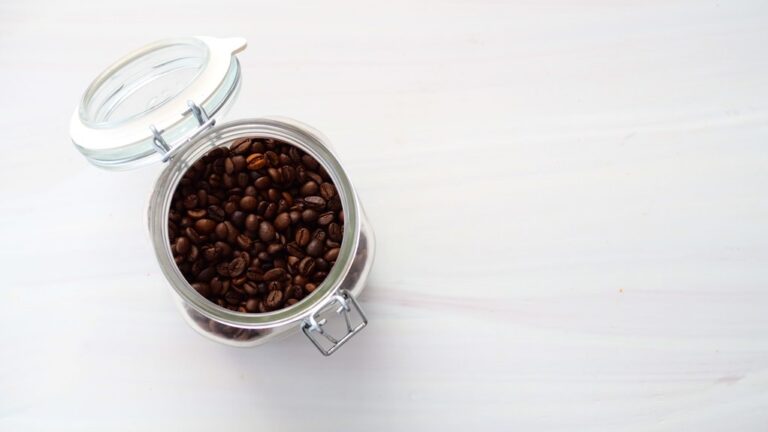

Whole beans keep more aroma and flavor and require a grinder and a bit more time. Ground coffee saves time and works well when stored airtight and used quickly. The core trade-off is brighter freshness versus convenient preparation. Choosing between them shapes the flavor and ritual of each cup. Both can produce great coffee depending on routines and priorities.
Whole Bean vs Ground Coffee
Fresh coffee starts with a simple choice: whole bean or ground. You could love the ritual of grinding beans yourself, or you might want the easy comfort of coffee that’s ready right away. Either way, you’re joining a crowd that cares about every cup.
Whole beans often fit people who enjoy control, while ground coffee suits busy mornings and quick routines. Should you like learning where flavor comes from, you may also notice single origin labels and farm practices on the bag. Those details help you connect your brew to the people who grew it.
Why Whole Beans Taste Fresher
Whole beans taste fresher because they hold onto their aroma longer, so you don’t lose those rich coffee nuances before brewing.
Their flavor oils stay protected inside the bean until you grind them, which helps keep each cup fuller and brighter.
Whenever you grind right before brewing, you release that fresh taste at its peak, and your coffee feels much more alive.
Slower Aroma Loss
Usually, coffee starts losing its best aroma the moment you grind it, and that’s a big reason whole beans often taste fresher. You and your coffee crew get more time before the scent fades, so each cup feels warmer and more inviting. Whole beans keep aroma moving slowly, while ground coffee lets it escape fast. That’s why storage matters too.
| Form | Aroma loss | Freshness feel |
|---|---|---|
| Whole beans | Slow | Brighter |
| Ground coffee | Fast | Flat |
| Stored well | Slower | Better |
With cold storage and packaging innovations, you can stretch that fresh feeling even more. Whenever you open a bag of beans, you still catch those cozy notes that make you feel like you belong at the counter, not left behind.
Protected Flavor Oils
Coffee’s concealed oils carry a lot of the flavor you love, and whole beans protect them better than ground coffee does. That matters because oil preservation keeps each cup richer, sweeter, and more balanced.
As long as beans stay whole, air has less access to the delicate surface oils, so flavor chemistry stays closer to its original form. You get a cup that feels more alive and inviting, like it still belongs in the roaster’s hands.
- Whole beans guard fragile oils from quick breakdown.
- Less exposed surface means slower flavor fade.
- Better oil preservation supports fuller taste in your mug.
- Stronger flavor chemistry helps your coffee feel fresher.
Grind Right Before Brewing
Grinding right before you brew keeps those protected flavor oils from losing their spark, and that’s a big reason whole beans taste fresher. At the moment you grind at the last minute, you lock in aroma, sweetness, and the lively edge that makes each cup feel like it was made for you.
You also get more timing precision, so you can match the grind to your brew style with confidence. That small step helps you feel part of the coffee ritual, not just a spectator.
Sure, the equipment noise can wake up the kitchen, but it usually fades fast, and the reward is worth it. With fresh grinding, you guide the flavor from bean to cup and enjoy a cup that feels warm, personal, and right on schedule.
How Ground Coffee Saves Time
Most mornings, ground coffee saves you from a rushed start because it cuts out the extra step of grinding beans. Whenever you want quick mornings, you can scoop, brew, and go without slowing your pace. That simple routine gives you premeasured convenience, so you can keep your hands free for toast, keys, or a sleepy goodbye. It also helps you feel part of a calm, shared habit, even while everyone’s moving fast.
- You open the bag and measure less.
- You skip noisy grinding beforehand.
- You start the brew sooner.
- You make room for a smoother morning.
Because the coffee is ready to use, you spend less time waiting and more time easing into your day. That small win can make your kitchen feel friendlier, even prior to sunrise.
Flavor Differences Between Whole Bean and Ground
Whenever you buy whole beans, you keep more of the coffee’s natural aroma locked inside, so each brew can smell richer and brighter.
Once coffee is ground, air reaches more surface area and speeds up oxidation, which can soften those lively flavors faster than you could expect.
That’s why freshly ground coffee often tastes fuller right away, while older grounds can feel flatter and less vivid.
Aroma Retention
Fresh coffee can lose its magic fast once it’s ground, and that change shows up most in the aroma. Whenever you keep beans whole, you keep their scent tucked inside until you’re ready to brew.
That means your kitchen feels warmer, richer, and more welcoming whenever you grind fresh. In case you store coffee well, pay attention to storage humidity and packaging materials, since both can help protect that cozy smell you love.
- Whole beans hold scent longer for your morning cup.
- Ground coffee gives off aroma sooner, so it fades quicker.
- Airtight packaging can help you keep that familiar coffee vibe.
- Low storage humidity helps your beans stay fresh and inviting.
Oxidation Speed
That cozy coffee smell is only part of the story, because air also changes how your cup tastes. When you grind beans, you expose far more surface area, so oxidation speeds up fast.
You can consider whole beans as wearing a light jacket, while ground coffee stands out in the open. That difference shapes the oxidation timeline in a real way.
Fresh whole beans keep their sweet, nutty notes longer, especially when you store them sealed and cool. Ground coffee loses those bright flavors sooner, and you might notice flat, stale edges after just a few days.
Packaging impact matters too, because a tight bag slows air exposure, but it can’t fully protect ground coffee. So in case you want richer flavor, you’ll usually feel better choosing whole beans and grinding only what you need.
How Grind Size Affects Brewing
Your grind size can change the whole feel of your coffee, and it does that via changing how fast water pulls flavor from the grounds. Whenever you choose the right size, you help your brew feel balanced and welcoming.
Fine grinds speed up the extraction rate, so they suit espresso, while coarse grinds slow it down for French press. The big win is grind uniformity, because even particles help you avoid bitter or weak sips.
- Use fine grinds for fast brewing.
- Use medium grinds for drip coffee.
- Use coarse grinds for slow steeping.
- Aim for even particles for smoother taste.
How Long Whole Beans Stay Fresh
Whole beans usually stay fresh for about 2 to 4 weeks after roasting, but you’ll notice the best flavor in that initial window.
You can slow the stale taste by keeping them in an airtight container, away from heat, light, and moisture.
Should you store them well, you give yourself a much better shot at a rich, lively cup instead of one that tastes tired.
Freshness Timeline
Once you crack the seal on coffee beans, the freshness clock starts ticking, and that matters more than many people realize.
You can feel better understanding whole beans usually keep their best flavor for about two to four weeks after the roast date. Right after roasting, they still release gases, so the taste keeps shifting a bit.
- In week one, you often get the boldest aroma.
- During week two, the cup feels more balanced.
- Around week three, flavor starts to soften.
- After four weeks, the sparkle fades faster.
Packaging materials can help slow that change, but the beans still move through this timeline.
Storage Factors
How you store coffee beans can stretch or shorten that freshness window more than most people expect.
Keep them in airtight containers so oxygen can’t rush in and steal flavor.
You’ll want a cool, dry cabinet, far from the stove, because heat speeds up staling fast.
Light exposure matters too, since sunlight breaks down the oils that give your beans their rich taste and smell.
Should you live with a busy kitchen, grab a dark canister and tuck it away where it won’t get bumped around.
Also, avoid the fridge unless you truly need to, because moisture can sneak in and dull the beans.
Whenever you handle them with care, you give yourself a better cup and a little everyday comfort.
How Long Ground Coffee Stays Fresh
Usually, ground coffee stays fresh for only a short window, and that can feel a little disappointing provided you love a slow, easy morning cup. You’re not alone, though. Whenever you keep it in short term storage, it usually tastes best for one to two weeks after opening. After that, it still works, but the bloom of aroma starts fading.
- Seal the bag tightly after each use.
- Pick packaging materials that block air and light.
- Store it in a cool, dry cabinet.
- Buy smaller amounts so you finish it faster.
If you like coffee that feels welcoming and lively, choosing fresher grounds helps you get there. That way, each brew can feel like your own small ritual, not a rushed compromise.
How Storage Changes Flavor
From the moment coffee meets air, its flavor starts changing, and storage plays a bigger role than many people expect. You can protect that fresh, cozy taste by keeping beans or grounds in airtight containers, because less oxygen means slower fading.
Place them in a cool, dark cabinet, since heat and light exposure can dull the aroma and make the cup taste flat. Should you leave coffee near the stove or a sunny window, it soaks up trouble fast.
Moisture also sneaks in and can make flavors feel dull or stale. Thus, whenever you store coffee well, you give each brew a better chance to taste bright, balanced, and inviting, like the cup you were hoping for.
Best Grind for Each Brewer
The right grind can make your brewer feel like it finally got the memo. You’re not chasing perfection, just a cup that feels right for you.
For drip machines, choose a medium grind so water moves evenly and your extraction yield stays balanced. For pour-over, go a little finer to help the flavors open up. For French press, use a coarse grind so the grounds don’t slip through the mesh. For espresso, use a very fine grind, and let your machine do the heavy lifting. In case you use single dose grinders, you can switch styles fast and keep each brew fresh.
- Drip: medium and steady
- Pour-over: medium-fine and bright
- French press: coarse and clean
- Espresso: very fine and bold
Cost Differences: Whole Bean vs Ground
Should you’re watching your coffee budget, whole beans often give you a better deal because you pay for fresher coffee that lasts longer in the bag. That said, ground coffee can look cheaper at initially, so your choice depends on how you shop.
| Option | What you pay |
|---|---|
| Whole bean | Often lower per ounce |
| Ground coffee | Sometimes higher for convenience |
| Bulk pricing | Helps either option save money |
| Subscription models | Can trim costs with steady orders |
If you like feeling part of a smart coffee crowd, bulk pricing often rewards you with fuller bags and fewer store trips. Meanwhile, subscription models could soften the price gap and keep your shelf stocked without stress. You’re not just buying coffee. You’re choosing what fits your routine, your taste, and your budget.
Why Grinding at Home Helps
Grinding your coffee at home gives you a fresher cup, because the beans keep more of their flavor until the moment you use them.
You’ll also notice a richer aroma that fills the room and makes the whole ritual feel more inviting.
Plus, you get full control over the grind, so you can match it to your brew method and get a taste that fits you better.
Fresher Flavor
Freshly ground coffee usually tastes brighter, richer, and more alive because the flavor stays locked inside the bean until the moment you break it open. You get more from each cup, and that can make your routine feel like it belongs to you.
- You taste single origin freshness more clearly, since the tones stay clean and distinct.
- You control the grind, so your brew matches your mood and method.
- You help preserve cold brew preservation, which keeps the flavor steady over time.
- You avoid the stale edge that can creep in after grinding too soon.
When you grind at home, you join a simple habit that keeps your coffee lively. It’s a small step, but it can make your cup feel personal, comforting, and just right.
Better Aroma
Whenever you grind coffee at home, the aroma opens up in a way that store-bought grounds just can’t match.
You hear the beans break, and then your kitchen fills with a warm, rich coffee bouquet that feels inviting and familiar. That fresh burst helps you notice sweet, nutty, and chocolate accents before you even brew.
Because the oils stay protected inside whole beans, grinding at home releases more of that lively scent right as you need it. You’re not just making coffee; you’re shaping a small morning ritual that makes your space feel yours.
With a little scent profiling, you can learn which beans give you a cozy, bright, or bold aroma. It’s a simple way to feel connected to every cup.
Grind Control
A small twist of the grinder can change your whole cup, and that’s why home grinding gives you real control over the final taste.
Whenever you grind fresh, you choose the size that fits your brew, from fine espresso to coarse French press. That choice improves grind consistency, so water flows the way you want it to. It also helps with dosing accuracy, because you can measure each batch and keep your coffee steady from cup to cup.
- You can match the grind to your brew method.
- You can adjust quickly whenever taste feels off.
- You keep every dose more exact.
- You join a simple ritual that feels like your own.
Whole Bean vs Ground Coffee for Beginners
As you’re getting started with coffee, the choice between whole bean and ground coffee can feel like a small one that somehow carries a lot of weight.
You don’t need to know everything right away. Whole beans give you more brew education because you can learn how grind size changes taste. Ground coffee feels easier, and that ease can help you build confidence fast. Should you’re busy, that’s okay. In case you want more control later, that’s okay too.
Don’t let storage myths scare you; both can stay fresh when you keep them sealed and away from heat.
Start with what fits your routine. Then you can enjoy each cup without feeling like you missed the coffee club.
Who Should Choose Whole Bean Coffee?
Provided you love coffee that feels personal from the initial grind, whole bean coffee is probably a strong fit for you.
You’re the kind of person who enjoys brew freshness and wants every cup to taste alive, bright, and full of character.
It also suits you provided you like hands-on rituals and don’t mind a grinder investment to get the flavor you want.
- You care about aroma and taste.
- You enjoy choosing your grind size.
- You like a morning routine that feels like yours.
- You want more control over each brew.
Should you value a small coffee community vibe, whole bean coffee can feel like joining a circle of people who notice the details.
That shared attention makes each sip feel a little more rewarding.
Who Should Choose Ground Coffee?
Ground coffee is the right pick whenever you want coffee to fit into your life without extra steps.
You’ll like it provided you need budget convenience, since it usually costs less and skips the grinder.
It also suits busy mornings, shared kitchens, and anyone who wants instant brewing with a simple scoop and pour.
In case you’re new to coffee, ground coffee helps you join the ritual fast, without feeling left out by fancy gear.
You can keep it in the pantry, grab what you need, and make a decent cup with almost no fuss.
That ease can feel comforting given your day already asks a lot.
Should you value speed, ease, and a friendly routine, ground coffee fits right in.
Frequently Asked Questions
Can I Mix Whole Bean and Ground Coffee in One Brew?
Yes, you can mix them in one brew, and you’ll get blended textures plus flavor layering. You belong with a flexible cup, so experiment, but grind consistency matters for smoother extraction and balance.
Does Pre-Ground Coffee Expire Faster After Opening?
Yes. Pre-ground coffee does expire faster after opening; it is like a shy spark fading quickly. You should use airtight storage tips, keep it cool and dark, and you will slow flavor degradation while staying in the coffee circle.
Which Coffee Type Is Better for Cold Brew?
You’ll usually get better cold brew with coarsely ground coffee, because particle size supports smoother flavor extraction and cleaner steep time. You’ll taste richer results, and you’ll feel like you’re brewing alongside fellow coffee lovers.
Can I Travel With Whole Beans More Easily Than Ground Coffee?
Yes, you can travel with whole beans more easily. They are less messy, often better for flavor preservation, and airport security usually handles them smoothly. You will fit in with fellow coffee lovers anywhere.
Does Whole Bean Coffee Always Need an Expensive Grinder?
No, you don’t need an expensive grinder. You can use manual grinders or budget options and still brew great coffee. You’ll fit right in with plenty of coffee lovers who start simple and upgrade later.