
A solid industrial coffee roaster machine gives you steady heat, even batches, and simple controls.
For 2026, JIAWANSHUN and LUEUR stand out for clear lids, useful temperature ranges, and easy-clean designs.
The MOKKOM grinder adds consistent grinding from one batch to the next.
Together, these picks make roasting feel smooth, practical, and a lot less stressful.
| JIAWANSHUN Electric Coffee Bean Roaster for Home Use | 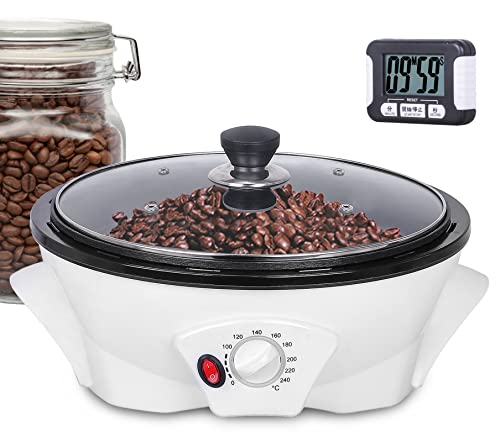 | Best for Beginners | Power: 1200W | Voltage: 110–120V | Temperature: 100–240℃ | VIEW LATEST PRICE | Read Our Analysis |
| Home Coffee Bean Roaster Machine with Timer | 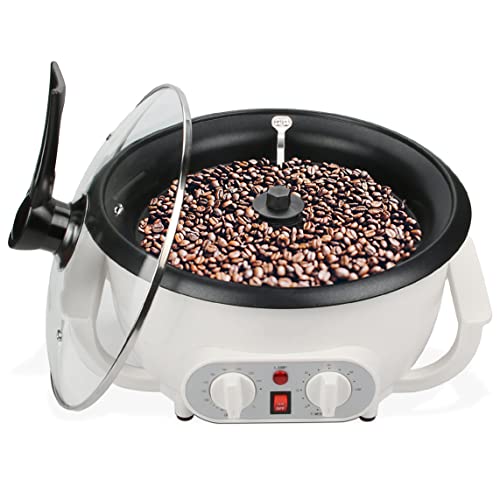 | High-Capacity Pick | Power: 1200W | Voltage: 110V | Temperature: 100–240°C | VIEW LATEST PRICE | Read Our Analysis |
| MOKKOM 64mm Flat Burr Coffee Grinder with Timer |  | Best Grinder | Power: N/A | Voltage: N/A | Temperature: N/A | VIEW LATEST PRICE | Read Our Analysis |
| JIAWANSHUN Electric Coffee Bean Roaster 1.1lb Capacity |  | Best Overall | Power: 1200W | Voltage: 110V | Temperature: 0–240℃ | VIEW LATEST PRICE | Read Our Analysis |
| LUEUR Electric Coffee Bean Roaster Machine 110V | 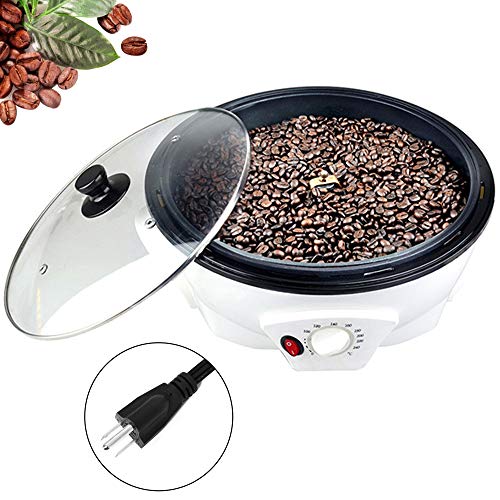 | Budget-Friendly Pick | Power: 800W | Voltage: 110V | Temperature: 0–240°C | VIEW LATEST PRICE | Read Our Analysis |
More Details on Our Top Picks
JIAWANSHUN Electric Coffee Bean Roaster for Home Use
When you want a home roaster that feels easy to control but still gives you room to grow, the JIAWANSHUN Electric Coffee Bean Roaster is a smart pick. You get 100 to 240℃ control, a timer, and 1200W of power, so you can aim for light, medium, or dark roast with confidence. Its 800g drum handles generous batches, though 300 to 500g works best for even results. The glass cover lets you watch the beans, and the non-stick interior wipes clean fast. It can also roast nuts, popcorn, and seeds.
- Power:1200W
- Voltage:110–120V
- Temperature:100–240℃
- Timer:Extra timer
- Capacity:800g
- Non-stick:Honeycomb non-stick interior
- Additional Feature:Automatic mixing stirrer
- Additional Feature:Transparent glass cover
- Additional Feature:4 ventilation holes
Home Coffee Bean Roaster Machine with Timer
The ANGELLOONG home coffee bean roaster with timer is a smart pick for anyone who wants more control without making roasting feel hard. You can set the 0 to 60 minute timer, adjust heat from 100 to 240°C, and let the thermostat keep things steady. The 1200W system roasts 750 g in about 25 minutes, so you’re not stuck waiting around. Its clear cover helps you watch the beans, while the wide handles stay safer to touch. You can roast coffee, peanuts, or popcorn, and cleanup stays simple.
- Power:1200W
- Voltage:110V
- Temperature:100–240°C
- Timer:0–60 min
- Capacity:750g
- Non-stick:Black food-grade Teflon layer
- Additional Feature:Professional thermostat
- Additional Feature:Heat-resistant cover
- Additional Feature:Thickened anti-scalding handles
MOKKOM 64mm Flat Burr Coffee Grinder with Timer
Built for roasters who want tight control over every dose, the MOKKOM 64mm Flat Burr Coffee Grinder with Timer makes sense whenever you need clean, even grinding without the usual mess. You get 64mm stainless steel flat burrs, so your grounds stay uniform and your flavor stays rich and balanced. With 100 settings, you can move from Turkish to cold brew with ease. Its full-metal body and brass ring feel sturdy, while the plasma chute cuts static and keeps your counter calm. The LED timer gives you 0.1-second control for every brew style.
- Power:N/A
- Voltage:N/A
- Temperature:N/A
- Timer:0.1-sec timer
- Capacity:350g hopper
- Non-stick:N/A
- Additional Feature:64mm flat burrs
- Additional Feature:Plasma static reduction
- Additional Feature:0.1-second precision timer
JIAWANSHUN Electric Coffee Bean Roaster 1.1lb Capacity
JIAWANSHUN’s Electric Coffee Bean Roaster, model JW-243LY, is a smart pick for anyone who wants a simple path into home roasting without giving up batch size. You get 1200W of power, a 110V AC setup, and manual button control, so you can steer each roast with confidence. Its 800g capacity, with a 300 to 500g recommended load, gives you room for small-batch testing. The clear heat-resistant lid helps you watch progress, while the adjustable thermostat supports light, medium, and dark roasts. It even handles nuts and chestnuts, which feels handy.
- Power:1200W
- Voltage:110V
- Temperature:0–240℃
- Timer:Manual timing
- Capacity:800g
- Non-stick:Non-stick chassis
- Additional Feature:Built-in stirring rod
- Additional Feature:Transparent heat-resistant lid
- Additional Feature:Reusable filter type
LUEUR Electric Coffee Bean Roaster Machine 110V
If you want a roaster that gives you real control without making the process feel fussy, the LUEUR Electric Coffee Bean Roaster Machine 110V is a strong fit for home roasters, small coffee shops, and anyone who wants steady results from batch to batch. You get 110V power, 800W heat, and a professional thermostat with 0 to 240°C control. The non-stick metal drum, honeycomb bottom, and Teflon coating make cleanup easier. A clear glass cover, stirring rod, and ventilation keep beans moving and roasting evenly. Use 300g to 500g for coffee, and enjoy safer handling too.
- Power:800W
- Voltage:110V
- Temperature:0–240°C
- Timer:N/A
- Capacity:800g
- Non-stick:Black food-grade Teflon coating
- Additional Feature:Opposite-direction rotation
- Additional Feature:Four-hole ventilation
- Additional Feature:Anti-scalding handles
Factors to Consider When Choosing an Industrial Coffee Roaster Machine
When you choose an industrial coffee roaster machine, start with roasting capacity so the machine fits your daily output without slowing you down. Then check temperature control, heating power, build materials, and cleaning ease, because these features shape roast quality, durability, and how much work you’ll do after each batch. The right balance can save you time, reduce stress, and keep your coffee tasting sharp.
Roasting Capacity
Roasting capacity is where your machine choice starts to feel real, because the right batch size can save you time, stress, and a lot of uneven beans. You should match the stated batch size to your daily output, whether that means 300 to 500 g for smaller runs or about 750 g per roast for bigger ones. Even then, don’t push every drum to the limit, because many machines roast more evenly when you leave room. If you want higher throughput, choose a larger chamber and a stronger agitator so beans keep moving in a fuller load. Also, check your bean type, since denser beans may need smaller batches. Finally, make sure unloading is easy and cooldown is quick, so you can keep cycling without frustration.
Temperature Control
A good temperature control system can make your roaster feel less like a guessing game and more like a steady craft. You should look for a wide range, around 100 to 240°C, so you can shape light, medium, or dark profiles with confidence. Just as essential, you need precise control to keep batches even and to lower the chance of under-roasting or scorching. A thermostat or automatic constant-temperature system helps hold heat steady, so your roast doesn’t drift when time stretches on. For larger loads, strong controllability matters because bean mass changes how heat moves through the drum. Whenever the machine links temperature with time, you can match settings to each bean type more easily and keep every roast on track.
Heating Power
Heating power shapes how smoothly your industrial coffee roaster runs, because more wattage usually means a shorter roast time and better heat recovery upon you load it up. Provided you roast 300 to 750 g batches, a 1200W unit often gives you quicker warmup and steadier recovery than an 800W model. That extra power helps you keep beans moving through the roast without dragging or uneven spots. Still, bigger numbers only help provided they match your batch size and your temperature range. Look for adjustable heat from about 0 to 240°C so you can steer light, medium, and dark roasts with more control. Also, stable constant heat matters, because even power across the whole batch keeps your results more consistent and less stressful for you.
Build Materials
When you look at build materials, you’re really looking at how well the roaster will hold up under pressure day after day. You want metal, stainless steel, or reinforced plastic that can shrug off steady heat without warping or cracking. A stable chassis and heavy-duty body also help the machine stay steady, so you get more even roasting and fewer surprises. Pay close attention to the handles and outer surfaces too, since anti-scalding materials protect you during long shifts. Transparent heat-resistant covers give you a clear view of bean color and roast progress, and that means you don’t need to guess. Strong stirring parts matter as well, because they keep beans moving evenly. Choose a roaster that feels solid, reliable, and ready for real work.
Cleaning Ease
Just as significant as roast quality, cleaning ease can save you time, stress, and a lot of sticky mess. You should look for a roaster with a non-stick or Teflon-coated interior, because smooth walls help chaff and oil slide off instead of clinging. Next, check for removable lids, stirring parts, and other detachable pieces, since they let you reach concealed debris fast. Transparent covers and wide openings also help you spot residue during roasting, so you can clean before buildup gets ugly. In addition, simple wipe-clean surfaces beat machines that need heavy scrubbing or dishwasher work. Finally, pay attention to ventilation holes and honeycomb chambers. A smart layout keeps bean bits from packing in tight spots, and that makes your cleanup feel less like a chore.
Frequently Asked Questions
How Often Should Industrial Roaster Drum Bearings Be Lubricated?
Lubricate industrial roaster drum bearings every 1,000 to 2,000 operating hours, or sooner if heat, noise, or vibration increases. Follow the manufacturer’s service schedule, and avoid overgreasing because it can damage seals.
What Ventilation Standards Do Industrial Coffee Roasters Require?
You need exhaust sized to the roaster, balanced make-up air, and compliance with local codes for fire suppression, odor control, and carbon monoxide monitoring. Follow the roaster manufacturer’s specifications and the requirements of your local authority for safe operation.
How Do Roast Profiles Affect Commercial Batch Consistency?
Roast profiles control heat application, airflow, and timing so each batch follows the same curve. This helps limit variation, stabilize development, and maintain consistent quality from one run to the next.
Which Fire Suppression Systems Suit Roasting Facilities Best?
Automatic dry chemical or clean agent systems work well for roasting facilities, along with hood suppression and spark detection at key equipment points. Regular maintenance is essential because oily chaff, intense heat, and rapid fire spread raise the risk.
How Can Green Bean Moisture Levels Change Roasting Output?
Green beans with higher moisture usually roast more slowly, take in more heat, and often need a longer development phase, while drier beans roast faster and can taste flatter. Adjust charge temperature, airflow, and roast time accordingly.
Final Thoughts
As you want better coffee, the roaster and grinder matter more than fancy labels or clever packaging. A strong industrial-style coffee roaster gives you control over heat, time, and batch size. That means you can shape flavor instead of guessing at it. In 2026, the best picks bring steady performance, simple controls, and cleaner handling. Even better, they help you roast with less stress and more repeatable results.
JIAWANSHUN Electric Coffee Bean Roaster for Home Use
The JIAWANSHUN Electric Coffee Bean Roaster for Home Use is a practical choice as you want serious control without a steep learning curve. It fits well for small-batch roasting, and it gives you the kind of steady heat that helps you avoid uneven beans.
You’ll like it provided that you want to experiment with light, medium, and dark roasts at home or in a small shop setting. The simple setup helps you focus on the roast instead of fighting the machine. That matters because good roasting depends on timing, not drama.
This roaster works best as you want:
- Clear heat control for more precise roast levels
- A compact design that fits small spaces
- A manageable batch size for regular use
- A hands-on feel that still stays easy to learn
It also helps reduce the “one bad batch ruins the day” feeling that many beginners know too well. Since the roasting process is easier to monitor, you can adjust faster and build confidence with each try.
Home Coffee Bean Roaster Machine with Timer
After you have basic roasting control, timing becomes the next big step. That’s where the Home Coffee Bean Roaster Machine with Timer earns its place. A timer helps you keep each batch consistent, which is a huge help as you’re trying to repeat a roast you loved last week.
This type of machine is useful because it gives you structure. You can set a roast window, watch the color change, and stop at the right moment without rushing. That small feature can save a lot of coffee from becoming too light, too dark, or just plain confused.
A timer-based roaster is a smart pick provided that you want:
- Better repeatability across batches
- Less need to watch the clock by hand
- Easier control during first crack and second crack
- A more relaxed roasting process
It’s a good match for people who want dependable results without turning roasting into a full-time science project. And honestly, having a timer feels a little like cheating, except it’s the good kind.
MOKKOM 64mm Flat Burr Coffee Grinder with Timer
Roasting gets most of the attention, but grinding decides a lot of what you taste in the cup. The MOKKOM 64mm Flat Burr Coffee Grinder with Timer helps you keep that part clean and consistent. It uses flat burrs, which are known for producing even grounds that support balanced extraction.
This grinder also brings timer-based dosing, so you can measure output more reliably. That makes life easier as you want the same grind size and dose for every brew. It also has low static, which means less mess on your counter and fewer clumps stuck to the chute.
You should review it as you want:
- Steady grind consistency for better flavor
- Timer dosing for repeatable portions
- Less static and less cleanup
- A grinder that works well with small-batch roasted beans
A good roast can still taste uneven as the grind is off. So this grinder pairs well with the roasters in this guide because it helps protect the flavor work you already put in. In other words, it keeps your coffee from tripping at the finish line.
JIAWANSHUN Electric Coffee Bean Roaster, 1.1lb Capacity
As you need a little more room per batch, the JIAWANSHUN Electric Coffee Bean Roaster, 1.1lb Capacity gives you more flexibility. That extra capacity can be very helpful as you’re roasting for a few people, testing multiple profiles, or simply trying to cut down on how many batches you need.
This model is a strong fit provided that you want a balance between home use and more serious small-batch output. It supports steady roasting while still staying simple enough to manage. That balance is important because bigger capacity only helps as you can still control the roast well.
Here’s what makes it appealing:
- 1.1lb capacity for more efficient batch production
- Useful for small business, club, or home roasting needs
- Better batch output without moving into a huge setup
- A practical middle ground for growing roasting habits
As you’ve outgrown tiny test batches, this machine gives you more room to work without making the process feel overwhelming. That can save time and keep your workflow calmer. And calm roasting usually means better coffee.
LUEUR Electric Coffee Bean Roaster Machine 110V
The LUEUR Electric Coffee Bean Roaster Machine 110V stands out for users who want straightforward operation with good control over heat. With temperature control from about 100 to 240°C, it gives you room to roast different bean types and chase different flavor goals.
This kind of range matters because not every bean behaves the same way. Some need a gentler start, while others benefit from a stronger push. The LUEUR model helps you handle both ends with more confidence. It also works well for people who want visible progress during the roast, since clear monitoring makes it easier to time changes.
This model is worth a look provided that you want:
- Wide temperature control for more roast styles
- A reliable 110V electric setup
- Easier handling for light, medium, and dark roasts
- Better control as you’re learning roast profiles
For many buyers, this machine feels reassuring because it gives you more options without making the process complicated. That’s the kind of feature set that helps you stay curious instead of frustrated. And as roasting stays fun, you’re more likely to keep improving.
Factors to Consider When Choosing an Industrial Coffee Roaster Machine
Choosing the right roaster is easier as you break the decision into a few clear parts. You don’t need the fanciest machine. You need the one that fits your space, your batch goals, and how much control you want.
1. Batch capacity
Think about how much coffee you want to roast at once. A smaller machine works well for home users and taste testing. A larger capacity helps as you roast often or want to make fewer batches.
2. Temperature control
Good temperature control gives you better flavor control. Look for a machine that lets you adjust heat smoothly. This helps you move between roast levels without guessing.
3. Heating power
Wattage affects how fast the machine heats and how steady it stays during roasting. Higher power can help with consistency, but only as the machine still gives you precise control.
4. Viewing and monitoring
A clear lid or viewing window helps you watch bean color and movement. That matters because roasting changes fast. As you can see the process, you can react before the beans go too far.
5. Interior surface and cleanup
A non-stick interior or easy-clean design saves time and stress. Coffee roasting creates chaff and oils, so cleanup should not feel like a second job.
6. Ease of use
As the controls are too complicated, you may avoid using the machine often. A simple layout helps you learn faster and roast with more confidence.
7. Grinder match
A strong roaster works better as it’s paired with a consistent grinder. Flat burr grinders, like the MOKKOM model, help preserve the flavor you built during roasting.
8. Voltage and setup
Check the machine’s voltage before you buy. A 110V setup may be ideal for home use, while other setups may suit different spaces or workflows.
As you compare these details, you get a clearer look at what will actually help you day to day. That’s better than chasing a shiny feature you may never use.
Final Thoughts
The best industrial coffee roaster machine for 2026 is the one that fits your space, your batch size, and your need for control. JIAWANSHUN and LUEUR models offer strong roasting flexibility, while the MOKKOM grinder helps lock in consistency after the roast. As you choose with care, you’ll spend less time correcting mistakes and more time enjoying better coffee. Funny how the “industrial” part can make your kitchen feel calmer, right?
Conclusion:
You don’t need a giant setup to roast like you mean it. As you pick a machine with steady heat, clear control, and easy cleanup, you make better coffee and fewer messes. Add a solid grinder, and your beans finally stop keeping secrets. So yes, the best roaster can feel a bit like a control freak, but for coffee, that’s exactly the point.