
The best commercial bean-to-cup coffee machine depends on your café’s speed, drink menu, and milk needs. BUNN suits fast service, while Philips 4400 handles more drink options.
Nesco and SYBO fit simpler setups with solid reliability. Baristina works well for strong espresso in a compact space.
| BUNN VP17-1SS Pourover Coffee Brewer with Warmer |  | Best Commercial Brewer | Coffee Type: Ground coffee | Operation: Manual | Power Source: Corded electric | VIEW LATEST PRICE | Read Our Analysis |
| SHARDOR Conical Burr Espresso Coffee Grinder with Timer |  | Best Grinder | Coffee Type: Coffee beans | Operation: Manual | Power Source: Corded electric | VIEW LATEST PRICE | Read Our Analysis |
| Nesco CU-25 Professional Coffee Urn 25 Cups Metallic | 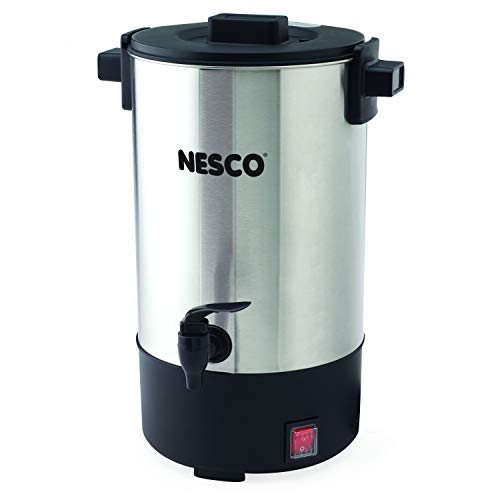 | Best Coffee Urn | Coffee Type: Ground coffee | Operation: Manual | Power Source: AC adapter | VIEW LATEST PRICE | Read Our Analysis |
| SYBO 12-Cup Commercial Drip Coffee Maker with Carafes | 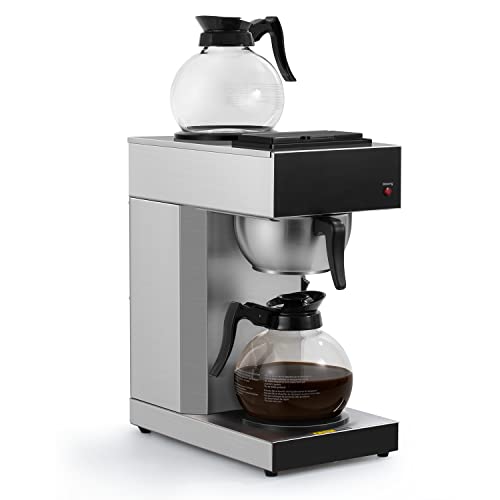 | Best High-Capacity | Coffee Type: Ground coffee | Operation: Automatic | Power Source: AC adapter | VIEW LATEST PRICE | Read Our Analysis |
| Philips 4400 Series Automatic Espresso Machine (EP4444/90) | 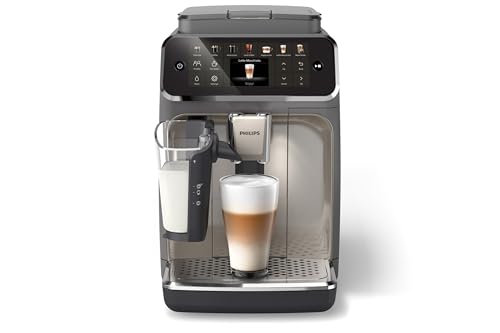 | Best Premium | Coffee Type: Coffee beans | Operation: Automatic | Power Source: Corded electric | VIEW LATEST PRICE | Read Our Analysis |
| Philips Baristina Espresso Machine (BAR300/60) | Best Compact | Coffee Type: Coffee beans | Operation: Automatic | Power Source: Corded electric | VIEW LATEST PRICE | Read Our Analysis | |
| Philips Baristina Espresso Machine (BAR300/00) |  | Best Starter Machine | Coffee Type: Coffee beans | Operation: Automatic | Power Source: Corded electric | VIEW LATEST PRICE | Read Our Analysis |
More Details on Our Top Picks
BUNN VP17-1SS Pourover Coffee Brewer with Warmer
Should you need a coffee brewer that stays simple, sturdy, and ready to move, the BUNN VP17-1SS Pourover Coffee Brewer with 1-Warmer makes a strong case for your space. You get a portable, manual pourover machine that runs on 120V power and brews up to 3.8 gallons an hour. Its stainless steel body feels solid, and the #4 paper filter setup keeps service easy. With a 1-warmer base, input buttons, and a 2-year warranty, you can trust it for offices, events, and busy counters.
- Coffee Type:Ground coffee
- Operation:Manual
- Power Source:Corded electric
- Voltage:120 V
- Material:Stainless steel
- Warranty:2-year
- Additional Feature:3.8 gallons/hour
- Additional Feature:1-warmer included
- Additional Feature:Portable pourover design
SHARDOR Conical Burr Espresso Coffee Grinder with Timer
The SHARDOR Conical Burr Espresso Coffee Grinder with Timer, model CG018, is a smart pick should you want steady espresso shots without the daily guesswork. You get a 40 mm stainless steel conical burr that keeps heat low and helps protect flavor. With 51 grind settings, you can move from fine espresso to coarse French press with ease. The touchscreen and 60-second timer let you dose from 1 to 12 cups in 0.1-second steps. Its anti-static design cuts mess, and the portafilter cradle makes prep feel smooth and calm.
- Coffee Type:Coffee beans
- Operation:Manual
- Power Source:Corded electric
- Voltage:120 V
- Material:Stainless steel
- Warranty:Available
- Additional Feature:51 grind settings
- Additional Feature:Precision 60-second timer
- Additional Feature:Anti-static technology
Nesco CU-25 Professional Coffee Urn 25 Cups Metallic
Nesco’s CU-25 Professional Coffee Urn is a smart pick should you need to keep a crowd moving without turning coffee service into a chore, because its 25-cup capacity and easy continuous-pour dispenser help you serve meetings, parties, and office breaks with less waiting and less fuss. You get a stainless steel body, cool-touch handles, and a twist-lock lid for safer handling. The manual controls stay simple, while water level marks make refilling easy. It brews about one cup a minute, so you can keep fresh coffee ready. Plus, its skid-proof feet and dishwasher-safe design add welcome everyday ease.
- Coffee Type:Ground coffee
- Operation:Manual
- Power Source:AC adapter
- Voltage:Not stated
- Material:Stainless steel
- Warranty:1-year
- Additional Feature:25-cup capacity
- Additional Feature:Twist-lock lid
- Additional Feature:Continuous pouring dispenser
SYBO 12-Cup Commercial Drip Coffee Maker with Carafes
SYBO’s 12-cup commercial drip coffee maker is a strong fit provided you need fast, no-fuss brewing for a busy space that can’t afford slow mornings. You get up to 12 cups in under 10 minutes, plus two glass carafes with warming plates, so you can keep coffee ready without babysitting the machine. The stainless steel build feels sturdy, and the reusable filter helps cut daily waste. Because it uses a multi-stream shower head and flat-bottom basket, you get even brewing with ground coffee. It’s ETL, CE, and ROHS certified, which adds peace of mind.
- Coffee Type:Ground coffee
- Operation:Automatic
- Power Source:AC adapter
- Voltage:120 V
- Material:Stainless steel
- Warranty:Available
- Additional Feature:Brews 12 cups
- Additional Feature:Dual warming plates
- Additional Feature:Multi-stream shower head
Philips 4400 Series Automatic Espresso Machine (EP4444/90)
Should you want a bean-to-cup machine that feels fast, simple, and low-stress, Philips 4400 Series Automatic Espresso Machine EP4444/90 stands out for busy homes, small offices, and anyone who wants café-style drinks without a long cleanup. You get 12 drink presets, plus you can tweak strength, volume, and milk level to match your mood. The grinder handles grinding, tamping, and brewing in one touch, while the color screen keeps choices easy. LatteGo froths milk and cleans in 10 seconds. It starts in 3 seconds, runs quietly, and saves you time and money.
- Coffee Type:Coffee beans
- Operation:Automatic
- Power Source:Corded electric
- Voltage:120 V
- Material:Not stated
- Warranty:Available
- Additional Feature:12 drink presets
- Additional Feature:LatteGo milk system
- Additional Feature:SilentBrew noise shielding
Philips Baristina Espresso Machine (BAR300/60)
The Philips Baristina Espresso Machine (BAR300/60) is a smart pick provided you want real espresso speed without the usual cafe-style hassle. You load whole beans, and it grinds, tamps, and brews in one swipe, so you can get espresso, lungo, or extra intense shots fast. Its 16-bar pump helps build rich pressure, while the automatic grinder keeps each cup fresh. Because it’s compact and fully automatic, it fits busy counters well. You also get a drip tray and portafilter, plus a design that uses over 50% recycled plastic.
- Coffee Type:Coffee beans
- Operation:Automatic
- Power Source:Corded electric
- Voltage:120 V
- Material:Plastic
- Warranty:Available
- Additional Feature:One-swipe brewing
- Additional Feature:16-bar pressure
- Additional Feature:Under 60 seconds
Philips Baristina Espresso Machine (BAR300/00)
Compact and fast, the Philips Baristina Espresso Machine (BAR300/00) is a smart pick should you want real bean-to-cup coffee without a bulky setup or a long wait. You load whole beans, swipe once, and it grinds, tamps, and brews for you. The 16-bar pump helps pull rich espresso, while the portafilter system keeps the process familiar. Because it makes espresso, lungo, and extra intense drinks in under 60 seconds, you can serve with ease. Its compact white body fits tight counters, and the 1.2-liter tank suits daily use.
- Coffee Type:Coffee beans
- Operation:Automatic
- Power Source:Corded electric
- Voltage:120 V
- Material:Plastic
- Warranty:Available
- Additional Feature:One-swipe brewing
- Additional Feature:16-bar pressure
- Additional Feature:Compact counter footprint
Factors to Consider When Choosing a Commercial Bean to Cup Coffee Machine
Whenever you choose a commercial bean to cup coffee machine, start with the bean hopper capacity and brewing speed, since both shape how well it keeps up with your busiest rushes. You should also look at grinder quality and milk system features, because they affect taste, texture, and how happy your customers feel with every cup. Don’t forget cleaning requirements, since a machine that’s easy to maintain will save you time and keep service running smoothly.
Bean Hopper Capacity
Bean hopper capacity can make your day run smoothly or turn it into a refill rush, so it’s worth sizing it with care. Should you serve a lot of drinks, a 1 kg hopper often keeps you going longer than a 200 g one, which helps you avoid interruptions during busy periods. To choose well, estimate your daily bean use via multiplying grams per cup by cups per day, then pick a hopper that holds at least a full day’s supply. Also, consider freshness. Bigger hoppers expose beans to more light, heat, and air, so sealed or UV-protected designs help. In the event you pour different beans, smaller swappable hoppers can make changes easier and reduce mix-ups. Keep grinder dosing in mind, too, since extreme sizes can affect consistency.
Brewing Speed
Now that you’ve sized the hopper to keep service moving, it makes sense to check how fast the machine can turn those beans into drinks. You want a unit that keeps up during the line gets long, not one that leaves customers waiting and you sweating. Look at brewing speed in seconds per shot and cups per hour. For busy counters, aim for a single espresso cycle under 60 seconds and enough output for peak rushes.
Also, check how quickly the boiler or thermoblock heats up and recovers, because slow recovery can stall back to back orders. Full automation helps too. While the machine grinds, doses, tamps, and froths milk for you, each drink lands faster. Finally, choose a model with 20 to 30 percent more capacity than your busiest period so service stays smooth.
Grinder Quality
A strong grinder can make or break your coffee program, so you’ll want to look past the marketing and check how it actually handles the beans. Bigger conical or flat burrs, usually 40 mm or more, give you a more even grind and less heat, which helps flavor stay steady. Next, look at grind settings. Should you serve more than one brew style, you need at least 30 to 50 steps, or even stepless control, so you can dial in fast without guesswork. Also, a solid motor matters because stable RPMs keep doses repeatable during busy shifts. Finally, check hopper size, dose control, and low retention design. Those details help you save time, cut mess, and keep every cup true to target.
Milk System Features
Once the grinder is doing its job well, the milk system becomes the next big test, because that’s where speed, texture, and consistency can get tricky fast. You should choose between an integrated steam wand and a closed automatic milk circuit. A steam wand gives you more control for silky microfoam, while a closed system gives you one-touch ease and quicker service. Next, check frothing power. Adjustable steam pressure and flow help you create steady foam for lattes and cappuccinos. You should also look at milk temperature and texture settings, so each drink can match your menu. Finally, make sure the milk container and pump can handle rush periods without constant refills. That way, your team stays calm and your drinks stay smooth.
Cleaning Requirements
Because cleaning can make or break daily service, you should look closely at how easy the machine is to maintain before you buy it. Choose a machine with an automatic self-cleaning brew group should you want less daily work. In the event the group is removable, you can still do a deeper weekly clean without much fuss. Next, check the milk system. You’ll want parts that come apart fast, go in the dishwasher, or run a quick-rinse cycle, since milk residue turns stubborn fast. Also confirm the cleaning schedule, like daily backflushing, weekly descaling, and monthly lubricant use. Finally, look for clear alerts, simple service access, and water filters, so you can stay ahead of scale and keep downtime low.
Power And Voltage
Upon sizing up a commercial bean-to-cup machine, power and voltage should sit near the top of your checklist. Check the wattage initially, because most commercial units draw 1,200 to 2,500 watts, and that tells you how fast they can heat water and steam milk. Next, match the voltage to your building’s supply. Single-phase models usually need 110 to 120 volts, while bigger units might call for 208 to 240 volts. You should also confirm amperage and whether the machine needs a dedicated circuit or hardwired setup, since heavy loads can trip breakers fast. Pay attention to grinding, brewing, and steaming at once, too. Finally, choose energy-saving features like standby mode and rapid heat recovery to trim costs.
Size And Placement
Once you choose a commercial bean-to-cup coffee machine, size and placement can make daily service feel smooth or cramped fast. Measure your counter and storage space initially, then pick a unit that fits with 2 to 4 inches of side clearance and 6 to 8 inches above it for airflow and easy access. Should you serve a crowd, leave room for hopper refills and grounds removal, so you’re not wrestling the machine at rush hour. Next, check outlet and water line access, since most models need dedicated 120 to 240 V power nearby. Place it near milk, cups, and condiments, but keep an 18 to 24 inch work zone in front. Also, make sure the surface can handle a filled machine and allow back-panel access for maintenance.
Frequently Asked Questions
How Often Should a Commercial Bean to Cup Machine Be Descaled?
Descale a commercial bean to cup machine every 1 to 3 months, with the exact interval based on water hardness and how much the machine is used. If mineral buildup is left unchecked, it can reduce performance, alter flavor, and affect reliability, so follow the manufacturer’s maintenance schedule.
Do Bean to Cup Machines Require a Water Filter?
Yes, using a water filter helps cut limescale, shields the machine’s internal components, and can improve the taste of your coffee. Some bean to cup machines require one, while others do not, but filtered water often helps the machine run more reliably and last longer.
Can These Machines Handle Plant-Based Milks?
Yes, you can use plant based milks. Steam wands or special settings help, since some milks froth well while others barely cooperate.
What Is the Average Lifespan of a Commercial Bean to Cup Machine?
A commercial bean to cup machine typically lasts 5 to 10 years, with premium units often lasting longer when cleaned regularly, serviced on schedule, and used properly.
Are Bean to Cup Machines Suitable for Self-Service Areas?
Yes, bean to cup machines work well in self service areas when you choose a model that is simple to use and built for heavy use. Clear instructions, routine cleaning, and locked settings help keep drinks consistent, safe, and quick to serve.