
Here’s a great Big Island coffee stop in 2026: go for farms that serve clean, traceable beans and a tasting worth the drive.
Some spots focus on tiny microlot lots, while others give visitors a bigger look at roasting and retail.
The best farms stand out through fresh cups, friendly tours, and a clear sense of place.
This guide points you toward the ones worth your time.
| LVB Bar Cart with Wine Rack Grey Oak |  | Best Mobile Cart | Product Type: Bar cart | Color/Finish: Grey oak | Storage: 2-tier | VIEW LATEST PRICE | Read Our Analysis |
| HOSTACK Farmhouse Console Table with Storage Cabinet and Drawers | 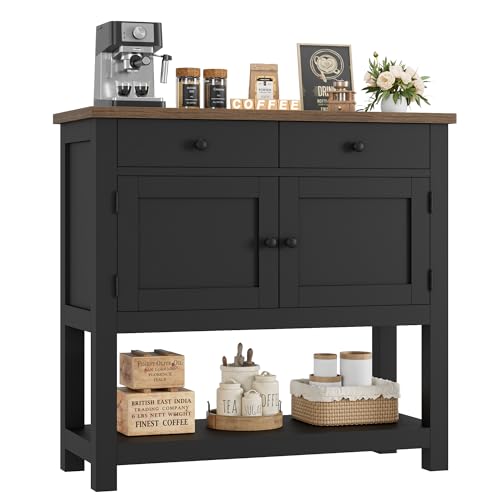 | Best Storage Console | Product Type: Console table | Color/Finish: Black | Storage: Drawers/cabinet | VIEW LATEST PRICE | Read Our Analysis |
| HOSTACK Farmhouse Console Table with Storage and Cabinet |  | Best Rustic Pick | Product Type: Console table | Color/Finish: Rustic brown | Storage: Drawers/cabinet | VIEW LATEST PRICE | Read Our Analysis |
| HOSTACK Farmhouse Console Table with Storage Cabinet and Drawers |  | Best White Console | Product Type: Console table | Color/Finish: White | Storage: Drawers/cabinet | VIEW LATEST PRICE | Read Our Analysis |
| Kauai Coffee Vanilla Macadamia Nut K-Cup Pods |  | Best K-Cup Option | Product Type: K-Cup pods | Color/Finish: Packaged pods | Storage: 22 pods | VIEW LATEST PRICE | Read Our Analysis |
| 4 EVER WINNER Farmhouse Coffee Bar Cabinet |  | Best Coffee Bar Cabinet | Product Type: Coffee bar cabinet | Color/Finish: Warm brown | Storage: 6 compartments | VIEW LATEST PRICE | Read Our Analysis |
| 4 EVER WINNER Farmhouse Coffee Bar Cabinet |  | Best Buffet Cabinet | Product Type: Coffee bar cabinet | Color/Finish: Wash grey | Storage: 3 shelves | VIEW LATEST PRICE | Read Our Analysis |
More Details on Our Top Picks
LVB Bar Cart with Wine Rack Grey Oak
In case you’re after a compact coffee cart that also doubles as a stylish serving station, the LVB Bar Cart with Wine Rack in Grey Oak is a smart pick. You get a two-tier farmhouse cart with a spacious top, two wood shelves, and a horizontal rack for three bottles. The grey oak finish and arc-shaped metal frame give your space a modern-industrial look. It rolls smoothly on wheels, and you can lock it in place whenever you desire stability. At 15.7 × 30 × 33 inches, it fits tight spots well.
- Product Type:Bar cart
- Color/Finish:Grey oak
- Storage:2-tier
- Mobility:Wheeled
- Style:Farmhouse/industrial
- Material:MDF/metal
- Additional Feature:Holds 3 wine bottles
- Additional Feature:Lockable rear brakes
- Additional Feature:Two towel-hanging handles
HOSTACK Farmhouse Console Table with Storage Cabinet and Drawers
The HOSTACK Farmhouse Console Table in black is a smart pick should you want a compact, multi-use coffee bar that still gives you real storage. You can place it in your dining room, entryway, hallway, kitchen, or lounge room, and it works as a console, buffet, sofa table, or nightstand. Its 35.4-inch width, 13.8-inch depth, and 33.5-inch height fit tight spaces well. You get two drawers, a two-door cabinet, and a large bottom shelf for mugs, beans, and gear. Built from engineered wood with metal hardware, it supports up to 200 lbs and needs assembly.
- Product Type:Console table
- Color/Finish:Black
- Storage:Drawers/cabinet
- Mobility:Freestanding
- Style:Farmhouse
- Material:MDF/metal
- Additional Feature:Two equally-sized drawers
- Additional Feature:Two-door cabinet storage
- Additional Feature:200 lb capacity
HOSTACK Farmhouse Console Table with Storage and Cabinet
HOSTACK’s Farmhouse Console Table with Storage and Cabinet is a smart pick should you want a compact, rustic storage piece that does more than just sit pretty. You get a farmhouse look in rustic brown, plus two drawers, a two-door cabinet, and a bottom shelf for easy organization. Its 35.4-inch width fits hallways, entryways, kitchens, or lounge rooms without crowding your space. Built from engineered wood with metal hardware, it supports up to 200 lbs. You’ll also appreciate the freestanding design, sturdy legs, and wipe-clean care.
- Product Type:Console table
- Color/Finish:Rustic brown
- Storage:Drawers/cabinet
- Mobility:Freestanding
- Style:Farmhouse
- Material:MDF/wood
- Additional Feature:Two equally-sized drawers
- Additional Feature:One internal shelf
- Additional Feature:Shaker door style
HOSTACK Farmhouse Console Table with Storage Cabinet and Drawers
White and barn-inspired, the HOSTACK Farmhouse Console Table gives you a practical coffee-bar setup that fits best should you want storage without sacrificing style. You get a spacious tabletop, two drawers, a two-door cabinet, and a bottom shelf, so you can keep beans, mugs, and tools organized. Its painted white MDF build, metal hardware, and chunky legs add sturdiness, while the wood-effect finish keeps the look warm. At 35.4 inches wide, it fits entryways, kitchens, or lounge rooms. You’ll need assembly, but numbered parts and instructions help.
- Product Type:Console table
- Color/Finish:White
- Storage:Drawers/cabinet
- Mobility:Freestanding
- Style:Farmhouse
- Material:MDF/metal
- Additional Feature:Painted white finish
- Additional Feature:Metal handles
- Additional Feature:Four chunky legs
Kauai Coffee Vanilla Macadamia Nut K-Cup Pods
Kauai Coffee Vanilla Macadamia Nut K-Cup Pods are a smart pick should you want a quick, flavorful cup with a Hawaiian twist. You get a medium roast with smooth vanilla bean and toasted macadamia nut hints, plus a balanced, bitterness-free finish. Each 22-count pack works with Keurig brewers, so you can brew one cup for yourself or serve guests fast. While only 10% of the beans come from Hawaii, Kauai Coffee keeps every batch consistent in aroma and taste. The pods’re recyclable through local programs, helping you enjoy convenience with less waste.
- Product Type:K-Cup pods
- Color/Finish:Packaged pods
- Storage:22 pods
- Mobility:Single-serve
- Style:Flavored coffee
- Material:Coffee pods
- Additional Feature:22 single-serve pods
- Additional Feature:10% Hawaiian Arabica
- Additional Feature:Recyclable pods
4 EVER WINNER Farmhouse Coffee Bar Cabinet
Should you want a coffee station that doubles as stylish concealed storage, the 4 EVER WINNER Farmhouse Coffee Bar Cabinet is a smart pick. You get a 42-inch countertop for your brewer, mugs, and décor, plus six compartments and three adjustable, removable shelves for flexible organization. The sliding barn doors with X-shaped panels let you hide clutter or show off favorites. Its warm brown farmhouse finish, black hardware, and freestanding legs suit kitchens, dining rooms, or living spaces. Built from engineered wood with a reinforced base, it supports up to 150 pounds. Assembly’s required, but instructions are clear.
- Product Type:Coffee bar cabinet
- Color/Finish:Warm brown
- Storage:6 compartments
- Mobility:Freestanding
- Style:Farmhouse
- Material:Engineered wood/metal
- Additional Feature:42-inch countertop
- Additional Feature:Sliding barn doors
- Additional Feature:Adjustable removable shelves
4 EVER WINNER Farmhouse Coffee Bar Cabinet
The 4 EVER WINNER 42″ Farmhouse Coffee Bar Buffet Cabinet is a smart pick should you want a stylish, space-saving coffee station that can double as a buffet or sideboard. You get a 42-inch countertop, two side cabinets, and three shelves with adjustable storage for your coffee maker, cups, and accessories. Sliding barn doors let you hide clutter or show off your setup. The wash grey finish, matte black hardware, and X-shaped accents add farmhouse charm. Built from engineered wood with a reinforced base, it supports up to 150 pounds and ships with assembly hardware and clear instructions.
- Product Type:Coffee bar cabinet
- Color/Finish:Wash grey
- Storage:3 shelves
- Mobility:Freestanding
- Style:Farmhouse
- Material:Engineered wood/metal
- Additional Feature:Wash grey finish
- Additional Feature:Three adjustable shelves
- Additional Feature:Reinforced base
Factors to Consider When Choosing Coffee Farm Big Island
While you choose a Big Island coffee farm, you’ll want to check the bean origin quality, roast profile, and how easy the farm is to reach. You should also consider about the tasting room experience, since it can shape how much you enjoy the visit. In case sustainability matters to you, look for farms that use responsible growing practices.
Bean Origin Quality
Bean origin quality starts with how much Hawaiian-grown Arabica is actually in the cup, since a higher share of island beans usually delivers more authentic Big Island terroir and clearer floral, citrus, or macadamia subtlety. You should also check the farm’s elevation, because higher sites often produce denser beans with brighter acidity and more layered flavor. Soil matters too; volcanic mineral content can augment sweetness and add a subtle mineral edge. Ask how the coffee was processed at origin, since washed, natural, and honey methods shape body, sweetness, and fermentation indication. Finally, look for traceability to a specific farm or micro-lot, with harvest year and lot size listed. That level of detail helps you judge freshness, consistency, and whether the grower’s practices match what you want.
Roast Profile Preference
Once you’ve checked bean origin and farm traceability, roast profile becomes the next big filter because it shapes how that Big Island coffee actually tastes in your cup. In case you like bright, floral, and citrus notes, choose a light roast; it keeps more origin character and acidity intact. Should you want a smoother, more rounded cup, a medium roast can give you caramelized sugar, nutty, or chocolate hints while keeping balance. Medium-dark roasts push body and sweetness further, often adding toasted or cocoa-like flavors. Dark roasts trade acidity for smoky, bittersweet depth and work best whenever you want a bold brew. Match the roast to how you brew: lighter roasts shine in pour-over, while darker roasts fit espresso and milk drinks.
Farm Location Access
Access matters just as much as altitude and soil while you’re choosing a Big Island coffee farm. You should check the road first: narrow lanes, rough pavement, and long drives to ports or airports can raise shipping costs and slow green coffee movement. Make sure trucks and workers can reach the farm year-round, even on steep grades, switchbacks, or after heavy rain turns tracks muddy. You’ll also want to consider labor access; remote sites can make hiring harder and commuting pricier, especially if housing isn’t nearby. Confirm that power, water, and cell or internet service are dependable for processing and buyer coordination. Finally, don’t overlook emergency and regulatory access. Fast routes to medical care, fire services, inspectors, and auditors can protect your operation and keep certifications on track.
Tasting Room Experience
After you’ve confirmed a farm is easy to reach, look at the tasting room experience, since it can shape how much you learn and enjoy your visit. Check tasting room hours and inquire whether you need a reservation, because many small farms limit walk-in tastings and prefer guided sessions. Choose a format that fits your pace: single-cup cuppings, flight-style tastings, or self-serve espresso and coffee flights. You’ll get more value provided the staff explains roast level, processing method, origin lot, and cupping scores. Also verify group size and duration; small groups of 6 to 12 people during 30 to 90 minute sessions usually give you more interaction. Finally, ask about water, palate cleansers, and sample sizes so you can compare coffees without fatigue.
Sustainability Practices
Sustainability matters whenever you pick a coffee farm on the Big Island, because the best visits support growers who steward the land, water, and people behind each cup. You should look for shade-grown farms that keep canopy cover, protect biodiversity, ease sun stress on Arabica, and help soil retain more moisture. Choose producers using closed-loop or dry processing, since they can slash milling water use. Check for composting, cover crops, and minimal tillage, which build organic matter and cut fertilizer needs. You’ll also want farms that gauge emissions and use solar or biogas for drying and processing. Finally, ask about fair wages, safe working conditions, and local investment, because strong communities help keep the land thriving for years.
Price Per Pound
Upon comparing Big Island coffee farms, price per pound can tell you a lot about what you’re buying. You’ll usually see specialty coffee priced around $12 to $30 per pound, while ultra-premium microlots or rare single-origin lots can climb past $40 or even $60. Higher prices often reflect better bean scores, careful processing like natural, washed, or honey methods, and limited harvests. You’ll also pay more whenever farms hand-pick cherries, work at higher elevations with lower yields, or operate on a small scale. Careful drying, sorting, and custom milling can add even more cost. Keep in mind that roaster markups, freight, fees, and seasonal shortages can widen the gap between farm-gate and retail prices.
Freshness And Packaging
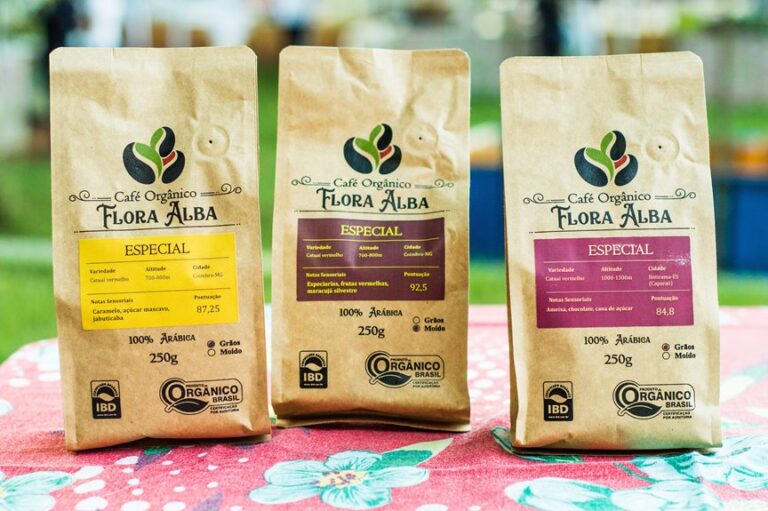
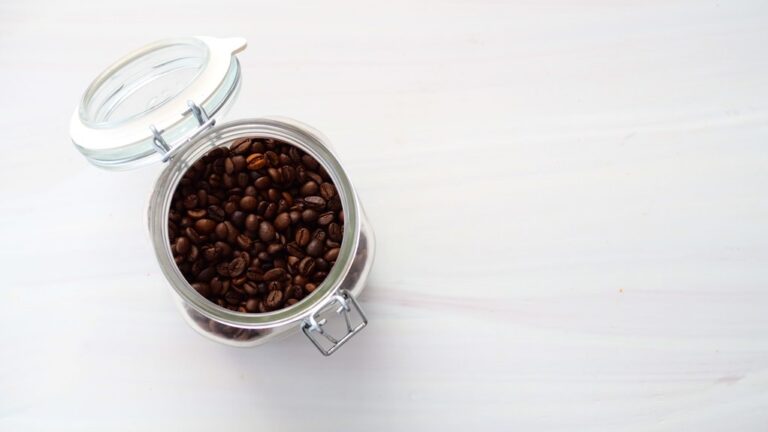
Freshness matters just as much as farm origin, so check the roast date before you buy and aim for coffee roasted within the past 2–4 weeks for the best flavor. You’ll get the brightest aromatics whenever the beans haven’t had time to fade. Choose bags with one-way degassing valves and airtight, foil-lined seals, since they let CO2 escape without letting oxygen speed staling. Whenever practicable, buy whole beans and grind them right before brewing; pre-ground coffee loses quality fast. Store your coffee in a cool, dark, dry spot inside an opaque, airtight container, and skip fridge or freezer cycling. Provided you’re buying pods, look for nitrogen-flushed or hermetically sealed options and check the shelf-life date, because they still age.
Tour Availability
Should you’re choosing a Big Island coffee farm tour, check the schedule initially so you know whether visits run daily, only on certain weekdays, or by appointment. That detail helps you plan around other island stops and avoids showing up when the farm’s closed. Next, confirm the tour length, since many last one to two hours. You’ll need that window to arrange driving time, meals, and nearby activities.
Also ask about group size. Small-group or private tours usually give you more time with the guide, but they might fill fast. Should language matter, check whether tours, handouts, or translations are available in your preferred language. Finally, review cancellation, weather, and rescheduling policies before you book, so unexpected rain or travel changes won’t derail your plans.
Frequently Asked Questions
Which Big Island Coffee Farms Offer Guided Tasting Tours?
Guided tasting tours are available at Kona Coffee Life History Farm, Greenwell Farms, Hula Daddy Kona Coffee, and Mountain Thunder Coffee Plantation. Visitors can taste fresh brews, see how coffee is processed, and discuss flavor notes with knowledgeable guides.
Are Coffee Farm Visits on the Big Island Family-Friendly?
Yes, many Big Island coffee farm visits work well for families, with easy tours, tasting areas, and scenic paths. Check each farm’s age rules first, since some restrict access to machinery, hot beverages, or steep areas.
What Is the Best Season to Visit Coffee Farms on the Big Island?
You will usually enjoy coffee farms on the Big Island most from fall through spring, when the weather is cooler and drier. This is often the easiest time for tours, with clearer views and harvest or pruning activity on many farms, though summer can still be a good time to visit.
Can Visitors Buy Fresh-Roasted Beans Directly From Big Island Farms?
Yes, many Big Island coffee farms sell fresh roasted beans on site, often through farm shops, tour stops, or tasting rooms where you can buy bags right after roasting for peak freshness.
Do Big Island Coffee Farms Require Advance Reservations?
Yes, advance reservations are often needed. You will usually need to book tastings or tours ahead of time, especially at smaller farms, though some shops do accept walk-ins.