
Coffee Arcadia has 7 strong picks for 2026. They cover single-origin beans, small-batch roasts, and pod options.
Flavor ranges from bright Ethiopian notes to rich chocolate and caramel. This list helps you find a coffee that fits your taste and routine.
| Tiny Footprint Nicaragua Segovia Dark Roast Organic Coffee |  | Best Carbon Negative | Product Type: Ground coffee | Roast Level: Dark roast | Origin: Nicaragua | VIEW LATEST PRICE | Read Our Analysis |
| Tiny Footprint Peru Medium Roast Organic Ground Coffee |  | Best All-Day Sip | Product Type: Ground coffee | Roast Level: Medium roast | Origin: Peru | VIEW LATEST PRICE | Read Our Analysis |
| Costa Rica Peaberry Whole Bean Medium Roast Coffee |  | Best Fresh Beans | Product Type: Whole bean coffee | Roast Level: Medium roast | Origin: Costa Rica | VIEW LATEST PRICE | Read Our Analysis |
| Cafe Ole Organic Ethiopian Yirgacheffe Coffee Cups |  | Best Convenience Pick | Product Type: Single-serve cups | Roast Level: Medium roast | Origin: Ethiopia | VIEW LATEST PRICE | Read Our Analysis |
| Caffe Umbria Terra Sana Organic Medium Roast Coffee |  | Best Balanced Blend | Product Type: Whole bean coffee | Roast Level: Medium roast | Origin: Peru/Mexico/Timor | VIEW LATEST PRICE | Read Our Analysis |
| KONA EARTH 100% Kona Coffee Medium Dark Roast |  | Best Hawaiian Pick | Product Type: Whole bean coffee | Roast Level: Medium-dark roast | Origin: Hawaii | VIEW LATEST PRICE | Read Our Analysis |
| Arcadia Acacia Wood 42-Inch Round Coffee Table |  | Best Accent Piece | Product Type: Coffee table | Roast Level: Antiqued mocha | Origin: Acacia wood | VIEW LATEST PRICE | Read Our Analysis |
More Details on Our Top Picks
Tiny Footprint Nicaragua Segovia Dark Roast Organic Coffee
In case you want a dark roast with real depth and a lighter footprint, Tiny Footprint Nicaragua Segovia is a standout pick. You get single-origin Arabica from Nicaragua’s Segovia region, small-batch roasted in Minneapolis, and USDA Organic, shade-grown, Fair Trade beans sourced through PRODECOOP and family farms. The cup leans bold and sultry, with chocolate, bright apricot, fig, and spice. You’ll also back reforestation in Ecuador’s Mindo Cloud Forest, plus community programs that support jobs, education, care, and habitat restoration. Every pound helps offset more carbon than it creates.
- Product Type:Ground coffee
- Roast Level:Dark roast
- Origin:Nicaragua
- Bean/Material:Arabica coffee
- Certifications:USDA Organic, Fair Trade
- Package Size:16 oz
- Additional Feature:Carbon-negative coffee
- Additional Feature:PRODECOOP partnership
- Additional Feature:Mindo Cloudforest reforestation
Tiny Footprint Peru Medium Roast Organic Ground Coffee
Tiny Footprint Peru Medium Roast Organic Ground Coffee is a smart pick should you want an all-day drinker with real depth and a clear conscience: this single-origin Peru Arabica brings soft caramel notes, refined citrus acidity, and a sweet, clean finish. You get USDA Organic, Fair Trade, shade-grown beans, plus small-batch roasting on a vintage Probat drum roaster for steady balance. Cenfrocafes investments help growers improve quality year after year. Every bag also supports carbon-negative reforestation in Ecuador’s Mindo Cloud Forest, so you can sip well and back habitat restoration too.
- Product Type:Ground coffee
- Roast Level:Medium roast
- Origin:Peru
- Bean/Material:Arabica coffee
- Certifications:USDA Organic, Fair Trade
- Package Size:16 oz
- Additional Feature:Soft caramel mouthfeel
- Additional Feature:All-day sipping
- Additional Feature:Clean sweet finish
Costa Rica Peaberry Whole Bean Medium Roast Coffee
Costa Rica Peaberry Whole Bean Medium Roast Coffee is a strong pick should you want a bright, fruit-forward cup with real depth. You’ll get single-origin beans from La Isabela Estate in Tres Rios, and the medium roast keeps their mild sweetness and lively citrus intact. Because it’s whole bean, you can grind it for your favorite brew method and chase the freshest aroma. You’re also choosing shade-grown, Rainforest Alliance certified coffee that supports local people and the environment. Each 16-ounce bag is inspected, roasted above 400°F, sealed fast, and lab-checked for mycotoxins and mold, so you can brew confidently.
- Product Type:Whole bean coffee
- Roast Level:Medium roast
- Origin:Costa Rica
- Bean/Material:Peaberry Arabica
- Certifications:Shade-grown, Rainforest certified
- Package Size:16 oz
- Additional Feature:Peaberry coffee beans
- Additional Feature:Lab mycotoxin testing
- Additional Feature:Freshly sealed packaging
Cafe Ole Organic Ethiopian Yirgacheffe Coffee Cups
Cafe Olé Organic Ethiopian Yirgacheffe Medium Roast coffee cups are a smart pick should you want a versatile daily brew with real character, thanks to their full-bodied, complex flavor and tangy crispness. You get 100% organic Arabica in convenient single-serve cups, and the 12-count box fits 2.0-compatible brewers. Because it’s a medium roast, you can enjoy balanced depth without losing brightness. Whether you’re new to coffee or already know your way around a cup, this option delivers easy brewing and consistent flavor. Order one box, and you’ve got a simple, reliable stash.
- Product Type:Single-serve cups
- Roast Level:Medium roast
- Origin:Ethiopia
- Bean/Material:Organic Arabica
- Certifications:Organic
- Package Size:12-count
- Additional Feature:2.0 compatible
- Additional Feature:Tangy crispness
- Additional Feature:Single-serve convenience
Caffe Umbria Terra Sana Organic Medium Roast Coffee
Should you want a balanced organic coffee that works just as well for your morning drip brew as it does for espresso, Caffe Umbria Terra Sana Organic Medium Roast Coffee is an easy pick. You get 100% Arabica whole beans in a 12 oz bag, roasted fresh daily in Seattle through third-generation artisan roasters. Its directly traded Peruvian, Mexican, and East Timorese coffees bring cocoa depth and crisp apple-like acidity. The finish stays smooth and silky, and the medium roast keeps everything well balanced. With Organic and Fair Trade certification, it’s a smart, versatile choice.
- Product Type:Whole bean coffee
- Roast Level:Medium roast
- Origin:Peru/Mexico/Timor
- Bean/Material:100% Arabica
- Certifications:Organic, Fair Trade
- Package Size:12 oz
- Additional Feature:Freshly roasted daily
- Additional Feature:Directly traded coffees
- Additional Feature:Silky smooth finish
KONA EARTH 100% Kona Coffee Medium Dark Roast
Should you want a true Hawaii-grown coffee with a polished, everyday-drinkable profile, KONA EARTH 100% Kona Coffee Medium Dark Roast stands out. You’ll get 100% Kona beans from a family farm in the Kona coffee belt on Hawaii’s Big Island, roasted on-site and shipped fresh in whole-bean form. Its small-batch roast delivers a smooth, full-bodied cup with low bitterness, plus roasted nuts, caramelized sugar, bittersweet chocolate, and a touch of lime. You’re also supporting fair wages, sustainable farming, and local conservation through its Care In Every Cup initiative.
- Product Type:Whole bean coffee
- Roast Level:Medium-dark roast
- Origin:Hawaii
- Bean/Material:100% Kona coffee
- Certifications:None listed
- Package Size:16 oz
- Additional Feature:Farm-direct roasted
- Additional Feature:Kona Prime 16+
- Additional Feature:Award-winning Hawaii coffee
Arcadia Acacia Wood 42-Inch Round Coffee Table
With its 42-inch round top, antiqued mocha finish, and sturdy industrial sled-leg base, the Arcadia Acacia Wood Coffee Table is a strong pick should you want a statement piece that can anchor a larger inhabited room or sectional. You get a 1-inch wood surface, 18-inch height, and room for four, so it works well for drinks, games, or casual dining. It supports up to 125 pounds and blends with contemporary or traditional decor. You’ll need assembly, ideally with two people, and it’s meant for indoor use only.
- Product Type:Coffee table
- Roast Level:Antiqued mocha
- Origin:Acacia wood
- Bean/Material:Acacia wood/metal
- Certifications:N/A
- Package Size:42-inch diameter
- Additional Feature:Industrial designer statement
- Additional Feature:Metal sled legs
- Additional Feature:125-pound weight capacity
Factors to Consider When Choosing Coffee Arcadia
Whenever you choose Coffee Arcadia, start with roast level, since it shapes how bold or smooth your cup tastes. You should also check bean origin and flavor notes to match the taste you want, then look for fresh packaging that protects the beans. Should you care about impact, pick coffees with strong certifications and ethical sourcing.
Roast Level Preference
Roast level shapes how your Coffee Arcadia tastes in the cup, so your choice should match the flavors and brewing style you prefer. Should you like bright acidity, floral, fruity, or citrus notes, go with a light roast, which keeps more of the bean’s natural clarity. A medium roast gives you a balanced cup with steady sweetness, moderate acidity, and a smoother body, making it a versatile pick for drip, pour-over, or espresso. Were you wanting fuller mouthfeel, deeper caramelization, and hints of smoke or bittersweet chocolate, choose medium-dark or dark roasts. Darker roasts also need careful brewing, since they can turn bitter in case you use water that’s too hot or grind too fine. Adjust grind and temperature to match roast.
Bean Origin Matters
Bean origin can be the difference between a bright, floral cup and a deeper, chocolatey one. Whenever you choose beans from higher-altitude regions, you often get livelier acidity because cherries mature more slowly. Single-origin coffee keeps regional character intact, so you can notice terroir more clearly than in blends. Shade-grown beans usually bring a smoother, more balanced body, while sun-grown lots can taste less layered. Soil type and local weather also matter, since temperature swings and rainfall shape sugars and acids in the bean. Should you value quality, look for traceable origins. That usually means better processing, grading, and farmer support, which can improve consistency and overall cup quality in your Arcadia selection.
Flavor Profile Notes
Flavor profile observations give you the quickest way to narrow down the best coffee Arcadia for your taste. Start with roast level: light roasts usually taste brighter and more acidic, medium roasts balance sweetness and acidity, and dark roasts give you a fuller body with roasted, bittersweet depth. Then scan for tasting cues like chocolate, nut, caramel, citrus, stone fruit, floral, or spice; they hint at aroma and complexity, and help you choose what you already enjoy. Pay attention to mouthfeel words such as silky, creamy, full-bodied, or clean, because they tell you how the coffee feels on your palate. Also read acidity cues like bright, crisp, or winey, and finish cues that tell you whether flavors fade quickly or linger sweetly.
Freshness And Packaging
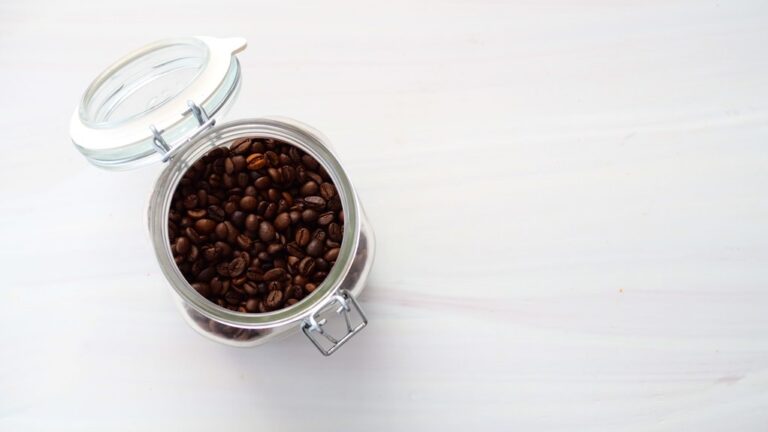
As you’re choosing coffee Arcadia, freshness should be one of the initial things you check: look for a roast or pack date rather than relying on a “best when used” label, since beans are usually at their peak within 2–4 weeks after roasting. You’ll get better flavor through buying whole beans and grinding only what you need right before brewing. Ground coffee loses its punch fast, often within hours or days, while whole beans start fading after about 2–3 weeks unless they aren’t stored well. Choose bags with a one-way valve and resealable, opaque material to reduce oxygen and light exposure. At home, keep your coffee in an airtight container in a cool, dark spot, away from heat, moisture, and sunlight. Avoid clear jars and refrigerators.
Certifications And Ethics
As you’re comparing coffee Arcadia options, certifications can help you separate real ethical claims from marketing noise. You should look for USDA Organic, Fair Trade, Rainforest Alliance, or similar third-party seals to verify pesticide limits, labor standards, and environmental stewardship. Prefer shade-grown, bird-friendly, or agroforestry coffees, since they support biodiversity, healthier soils, and carbon capture better than sun-intensive monocultures. Don’t just trust carbon-offset promises; check for clear kg CO2e per pound figures and reforestation or carbon-removal programs with measurable sequestration. You’ll also want traceability to origin, cooperative sourcing, and evidence of premiums or farmer investments in education, healthcare, or infrastructure. Finally, look for phytosanitary testing and mycotoxin screening, which protect you and signal careful postharvest handling.
Brew Method Fit
To get the best Coffee Arcadia experience, match the beans to your brew method from the start. You’ll get better results when you pair coarse grounds with French press, medium-coarse with pour-over, medium with drip machines, and fine with espresso. That match helps extraction stay in balance, so your cup tastes clean instead of muddy or thin. Also, consider roast level: darker roasts shine in immersion brews and espresso, while medium and light roasts often bring out brighter, fruitier notes in pour-over or drip. Start with a 1:15 to 1:17 coffee-to-water ratio, then adjust for taste. Keep water near 195–205°F, and choose methods that fit the contact time you want. Consistent equipment matters too, because uneven brewing can throw off flavor quickly.
Grind Type Choice
Choose your grind size to match the brew method initially: extra-fine for Turkish, fine for espresso, medium-fine for pour-over, medium for drip, medium-coarse for Chemex, and coarse for French press. After that, focus on consistency. A burr grinder gives you uniform particles, which helps prevent over-extraction and bitterness; blade grinders usually leave uneven chunks. Grind your coffee fresh, ideally within 15–30 minutes before brewing, so you keep the volatile aromatics and limit oxidation. Then adjust dose and contact time together: finer grinds need shorter extraction, while coarser grinds need longer contact and sometimes a slightly higher dose. For repeatable results, use a scale, a timer, and a written grind setting. Tiny changes can dramatically shift flavor, so track them carefully.
Price And Value
Once you’ve matched the grind to your brew method, the next step is judging what you’re really paying for. Compare coffee based on cost per ounce or pound, not sticker price, so you can spot real value. Whole beans might cost more upfront, but they usually stay fresher longer and can stretch your dollars further. Should you care about ethics or the environment, certifications like organic, fair trade, and shade-grown can justify a higher price. Also weigh roast level and flavor intensity against your taste; single-origin or specialty lots often cost more because they deliver distinct profiles. Finally, add shipping, storage, and subscription or equipment commitments to the total. That’s the true long-term cost of your coffee.
Frequently Asked Questions
How Does Arcadia Coffee Freshness Affect Flavor Over Time?
Fresh coffee gives the cup its brightest aromatics, clearest sweetness, and fullest body at the start. As it sits, oxidation dulls those notes and the flavor becomes flatter. Keep it sealed to preserve more of its character for longer.
Which Brewing Method Best Suits Arcadia Coffee Beans?
A pour over method brings out Arcadia coffee’s clarity, aroma, and sweetness. Use a medium grind and a steady water flow to reveal its subtle flavors.
Is Arcadia Coffee Better for Espresso or Drip Brewing?
Espresso tends to bring out Arcadia coffee’s sweetness and heavier body more clearly. Drip brewing can still work well if you want a lighter, brighter cup.
How Should Arcadia Coffee Be Stored After Opening?
Store Arcadia coffee in a sealed container in a cool, dark pantry, away from heat and moisture. This helps protect its flavor and aroma for longer.
Can Arcadia Coffee Be Used for Cold Brew Recipes?
Yes, Arcadia coffee works well for cold brew. Grind it coarse, steep it for 12 to 18 hours, then strain and chill for a smooth, low acid drink.